

Confederate Women of Maryland
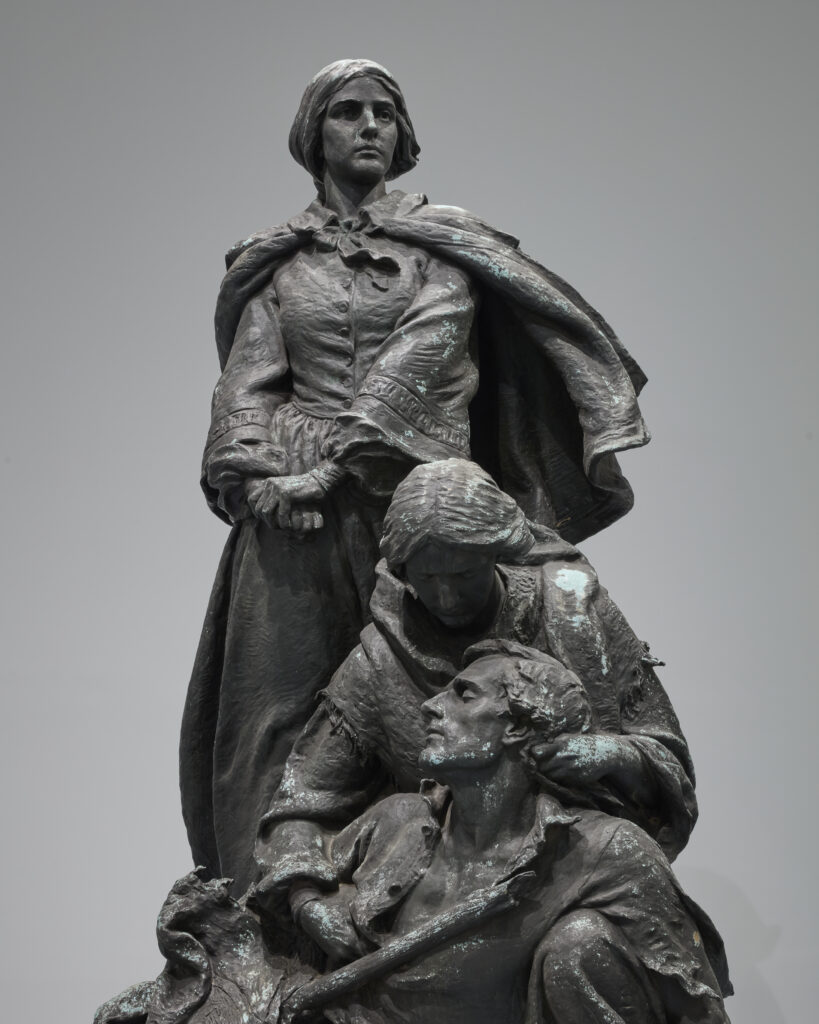
Confederate Women of Maryland, Baltimore, Maryland, 1917
J. Maxwell Miller
Bronze
145 x 105 x 87 in. (368.3 x 266.7 x 221 cm)
City of Baltimore, Maryland
Filed Under:
Confederate Women of Maryland
Sponsor: United Daughters of the Confederacy, United Confederate Veterans, and the Maryland General Assembly
Dedicated: 1918
Removed: 2017
Lost Cause proponents argue that the Civil War could not have been about slavery because only a small minority of white Southerners owned enslaved people, often pointing to 1860 census data that counted 5.67% of the white population as enslavers. However, legal ownership belies the impact of enslaved labor on an individual household. When adjusted to account for the family unit, 30.8% of households owned at least one enslaved person, with that number approaching 50% in South Carolina and Mississippi. Legal ownership was not confined to men. White women could own enslaved people through direct purchase or an inheritance from another family member. As the predominant managers of the domestic sphere, women had a significant role in overseeing households and, in turn, the enslaved people who lived and worked in them, even if the legal owner was their husband or another male relative. As such, white Southern women were equally invested in the perpetuation of chattel slavery and heartily contributed to the Confederate war effort.
The vast majority of Confederate monuments across the Southern landscape were funded and built through the efforts of women’s groups, including Ladies’ Memorial Associations and the United Daughters of the Confederacy. Veterans, too, were deeply invested in narratives of the war that ensured their historical reputation was maintained. One such element of the Lost Cause downplayed slavery as the main cause of the war, framing it as a struggle against “Northern Aggression” fought to protect the Southern homeland. Rather than face an emasculating defeat, Confederate veterans preferred narratives in which they were cast as guardians of (white) women and children.
Around the turn of the century, the United Confederate Veterans (UCV) and the Sons of Confederate Veterans (SCV) aimed to honor the women of the Confederacy. Despite requests from prominent women that a memorial take the form of a scholarship or a home for girls, the UCV attempted to install a sculpture by Belle Kinney (1890-1959), herself a daughter of a Confederate veteran, on the capitol grounds of every secessionist state. However, the state groups could not reach a consensus on the design. In fact, Maryland, which had not seceded, was one of only six states to build monuments honoring women.
Maryland’s status as a border state south of the Mason-Dixon line left Confederate promoters feeling as though they had to prove their “southerness.” The Maryland division of the UCV proposed a monument to the Confederate women of the state who had sacrificed their husbands, fathers, and sons to the Lost Cause. Initially intending to erect a copy of an already designed monument for $3,500 in 1907, efforts truly began in 1910, when the UCV enlisted the help of the UDC, as the women’s group had proven more successful at fundraising. The chairman of the monument committee, Andrew Cross Trippe, served in the General Assembly and secured $12,000 in state funding to build such a monument.
At the unveiling ceremony in 1918, the speaker drew parallels between Confederate women and women who had taken part in the war effort during World War I. On its surface, Confederate Women of Maryland was intended to illustrate a woman’s proper role in wartime. A kneeling female figure cradles a wounded soldier, who holds a furled and tattered Confederate flag. Another female figure stands erect, bravely facing whatever adversity lay on the horizon. The composition is based on the seminal Christian iconography of the Pietà, in which the Virgin Mary holds her dead son Jesus Christ. Thus, the underlying theme of the monument is sacrifice and perseverance, as Confederate women’s loyalty held fast through the loss of their male kin. The Pietà also implies resurrection, so by extension, like Christ, the South will rise again.
After the 2015 shooting at Emanuel AME Church in Charleston, Mayor Rawlings-Blake formed a commission to review Baltimore’s Confederate monuments. After a lengthy period of research and public engagement, the commission voted to deaccession and remove the Confederate Women of Maryland. However, due in part to an easement held by the Maryland Historic Trust, the only change made at that time was the installation of an interpretive plaque. Following the Unite the Right rally in 2017, Mayor Pugh removed all four Baltimore Confederate monuments in the middle of the night “in the best interest of [the] city.” As of December 2024, the pedestal remains.

Confederate Women of Maryland, Baltimore, Maryland, 1917
J. Maxwell Miller
Bronze
145 x 105 x 87 in. (368.3 x 266.7 x 221 cm)
City of Baltimore, Maryland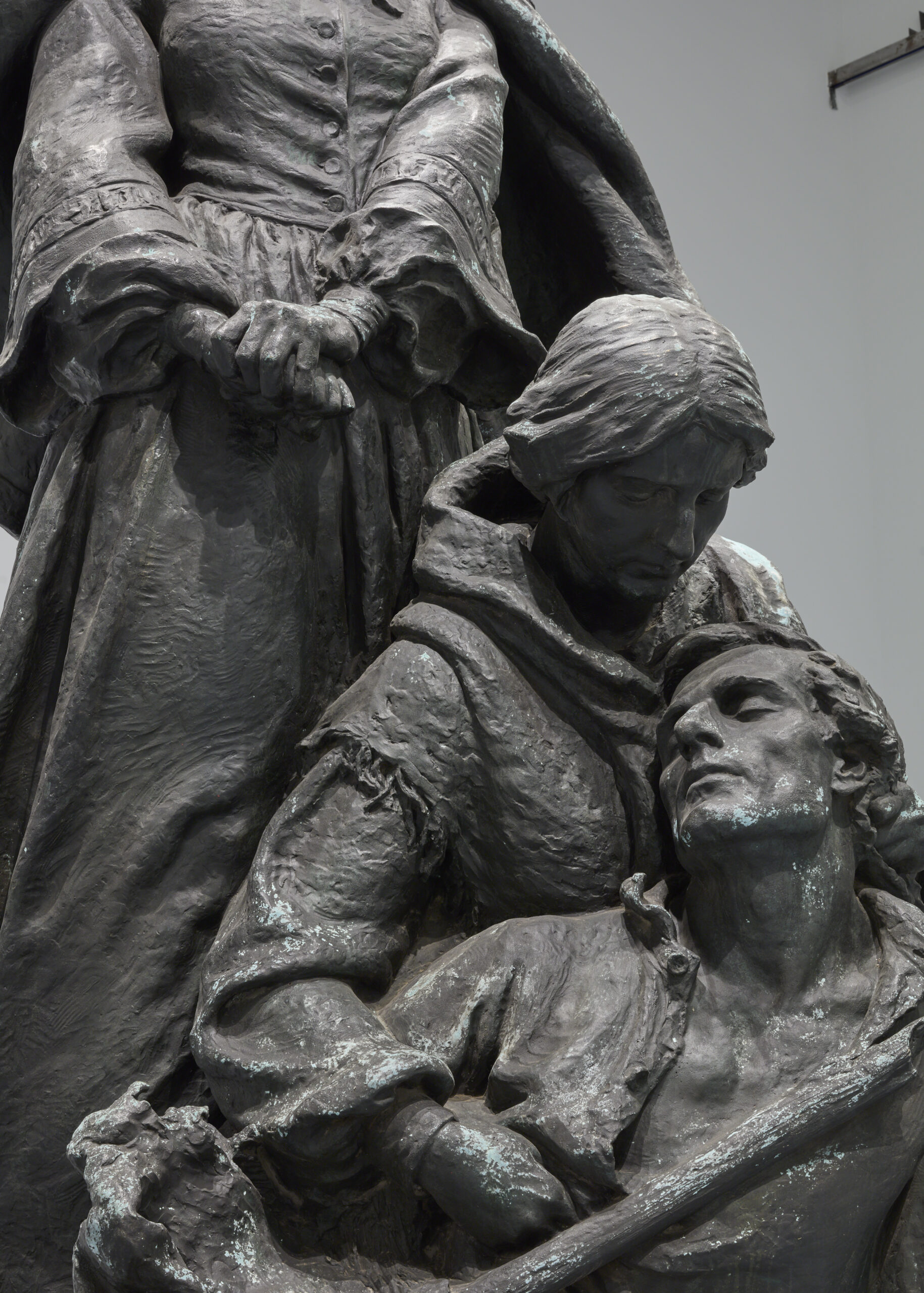
Confederate Women of Maryland, Baltimore, Maryland (detail)
Photo by Frederik Nilsen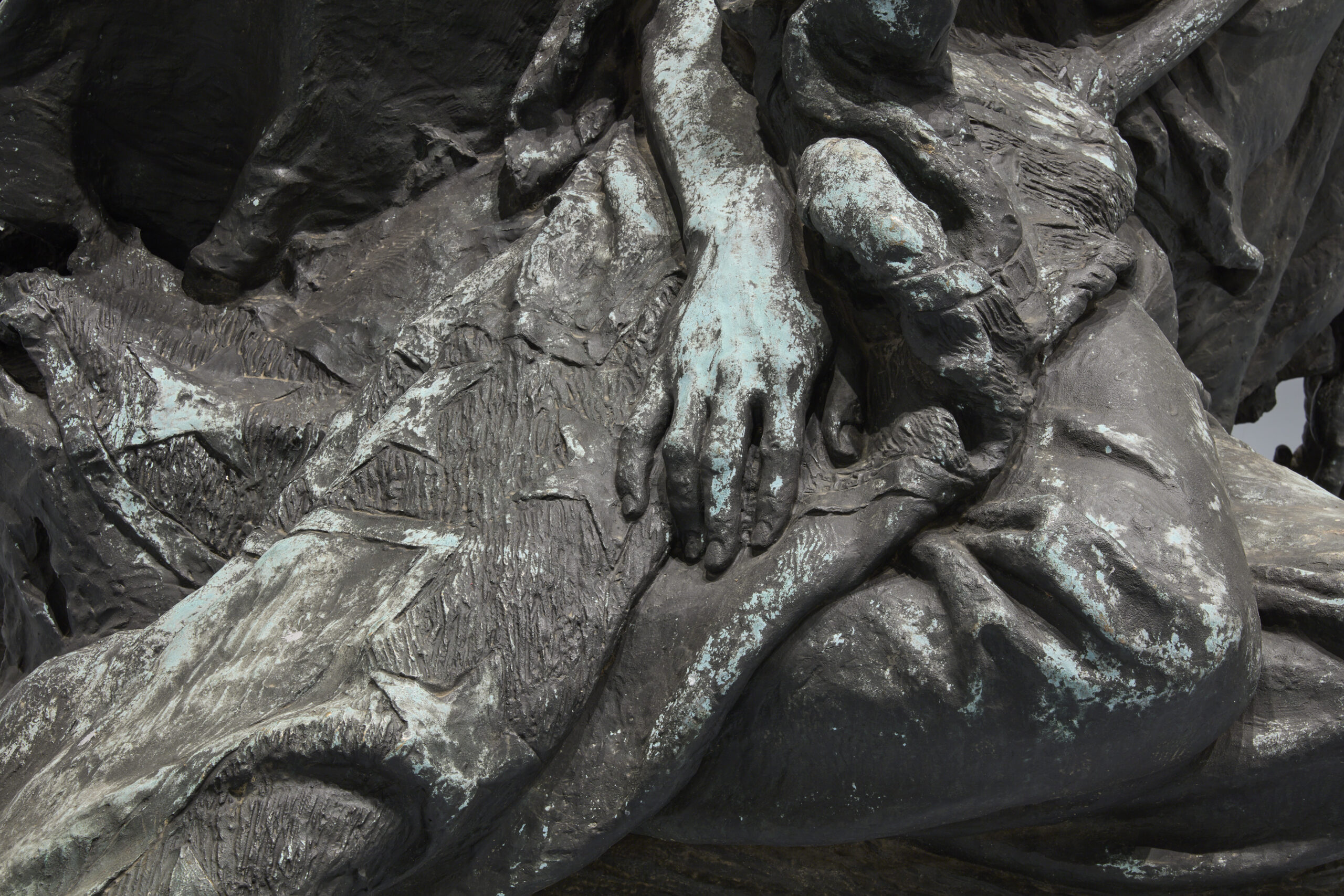
Confederate Women of Maryland, Baltimore, Maryland (detail)
Photo by Frederik Nilsen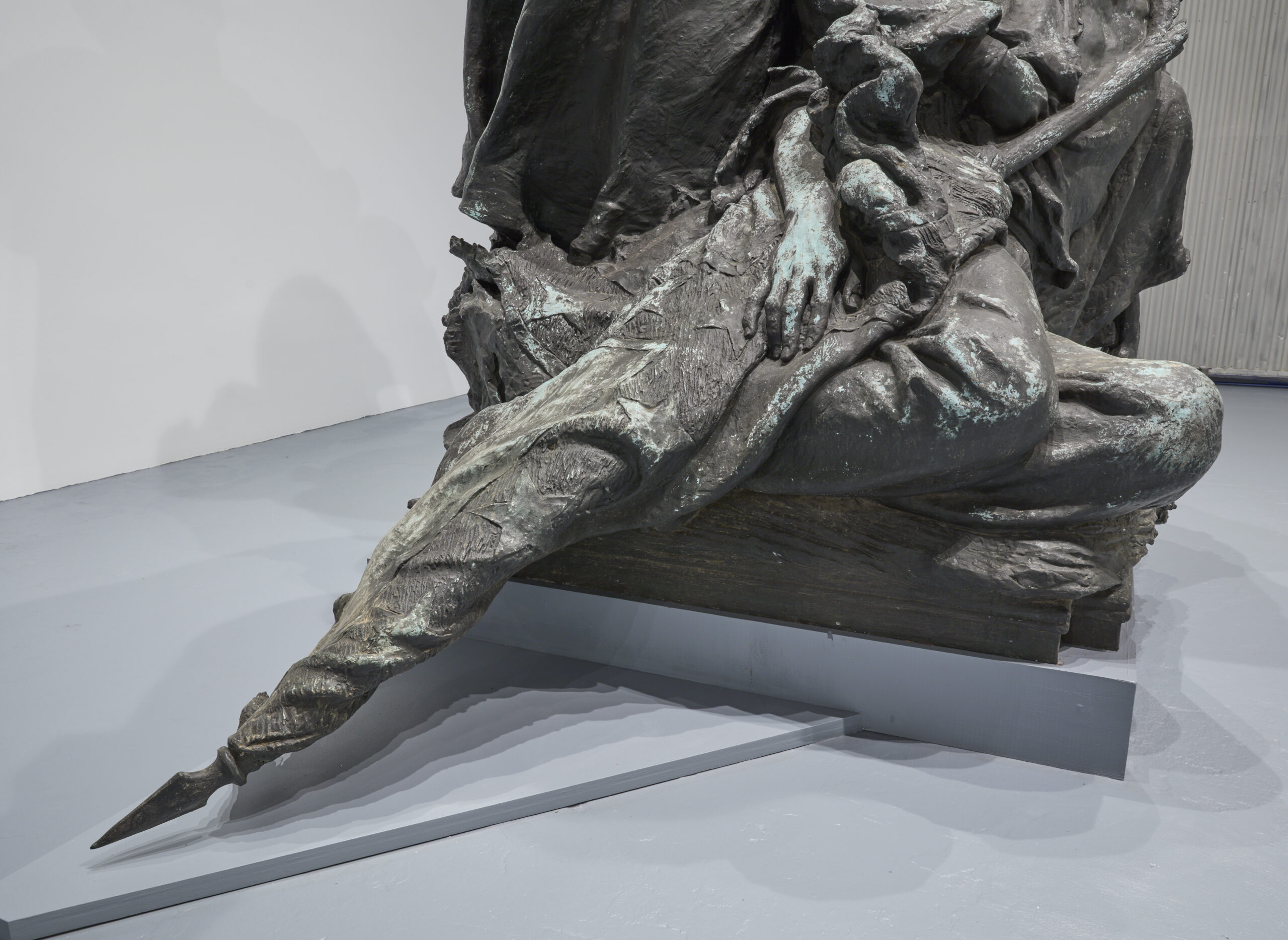
Confederate Women of Maryland, Baltimore, Maryland (detail)
Photo by Frederik Nilsen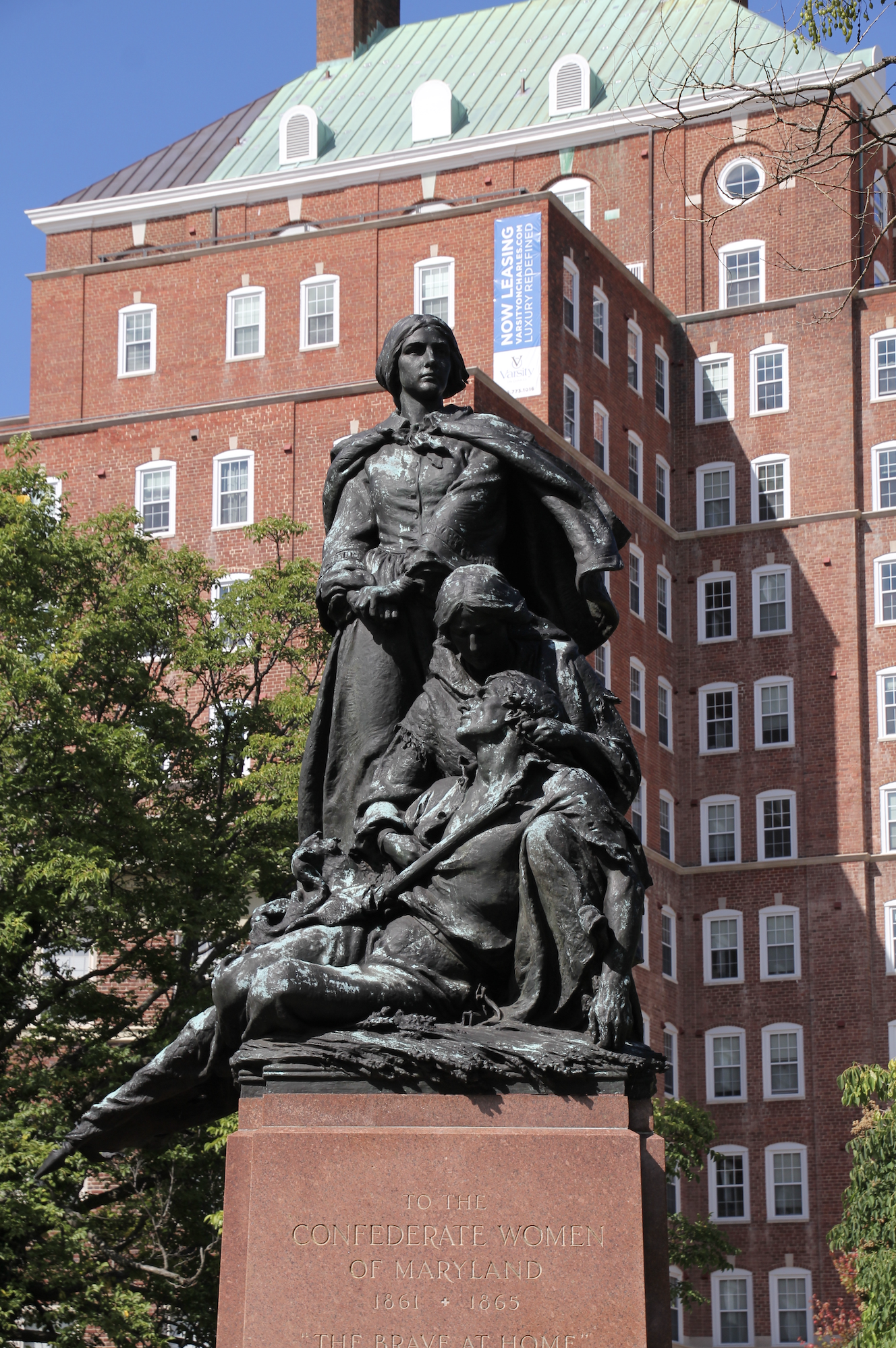
Confederate Women of Maryland, Baltimore, Maryland, 1917
J. Maxwell Miller, sculptor
Roman Bronze Works, fabricator
George W. Wilkinson, designer
Clough& Molloy, carver
Bronze statue on red granite base
Photo by C. Ryan
Patterson for the Special Commission to Review Baltimore's Public Confederate Monuments
Richmond Times-Dispatch · Oct 18, 2020
Richmond Times-Dispatch · Jul 14, 2020
Richmond Times-Dispatch · Nov 12, 2017
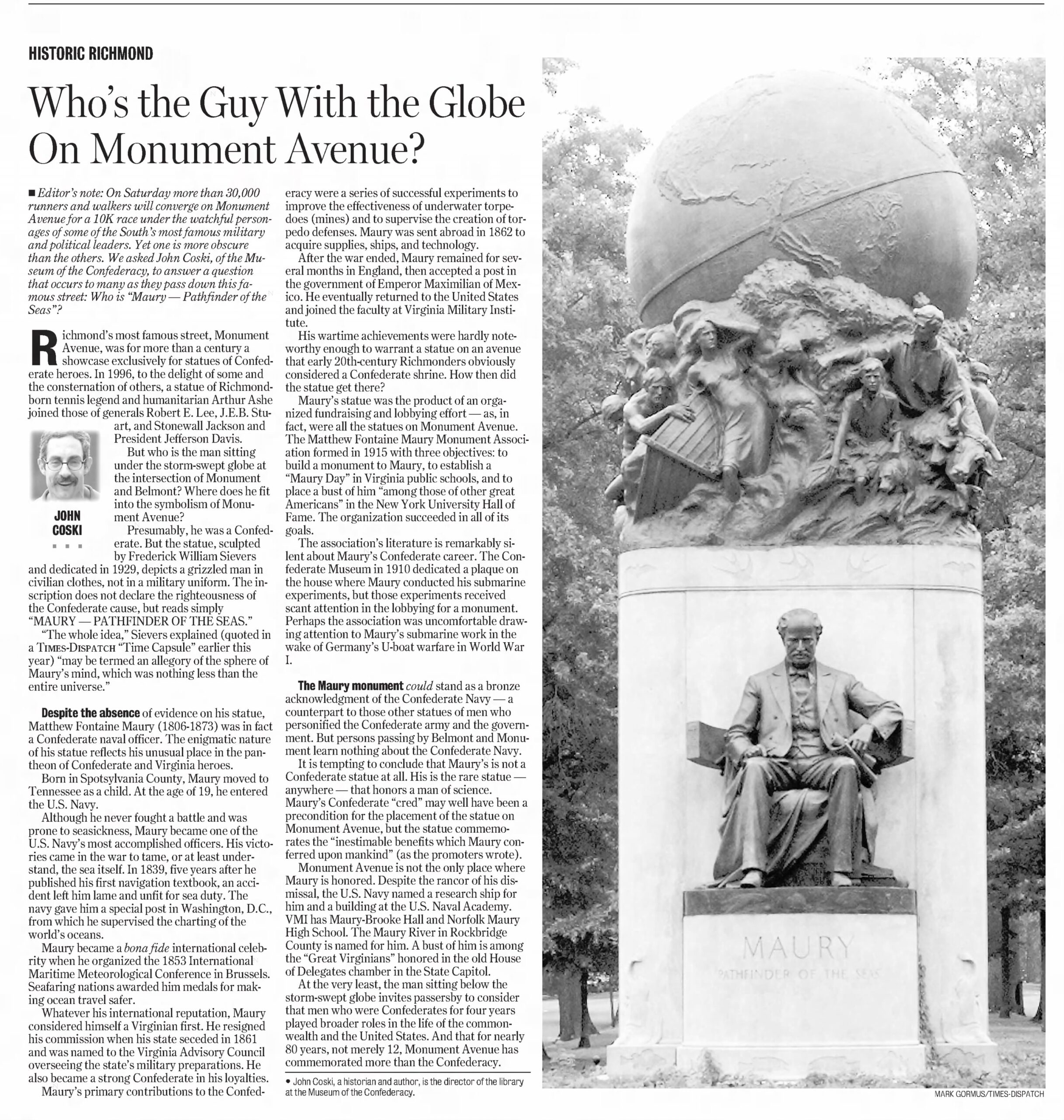
Richmond Times-Dispatch · Mar 30, 2008
Richmond Times-Dispatch · Aug 26, 2006
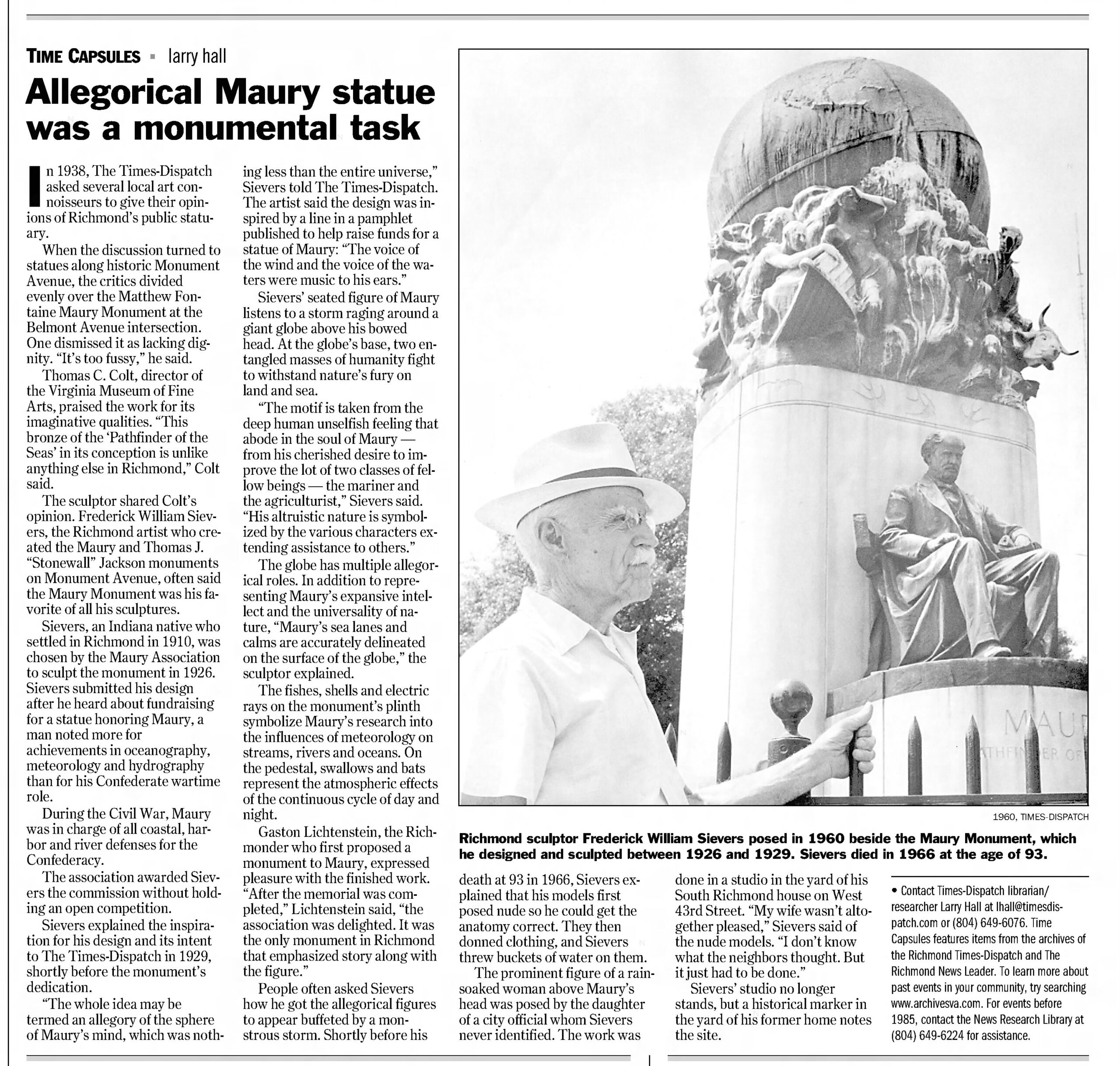
Richmond Times-Dispatch · Aug 16, 2006
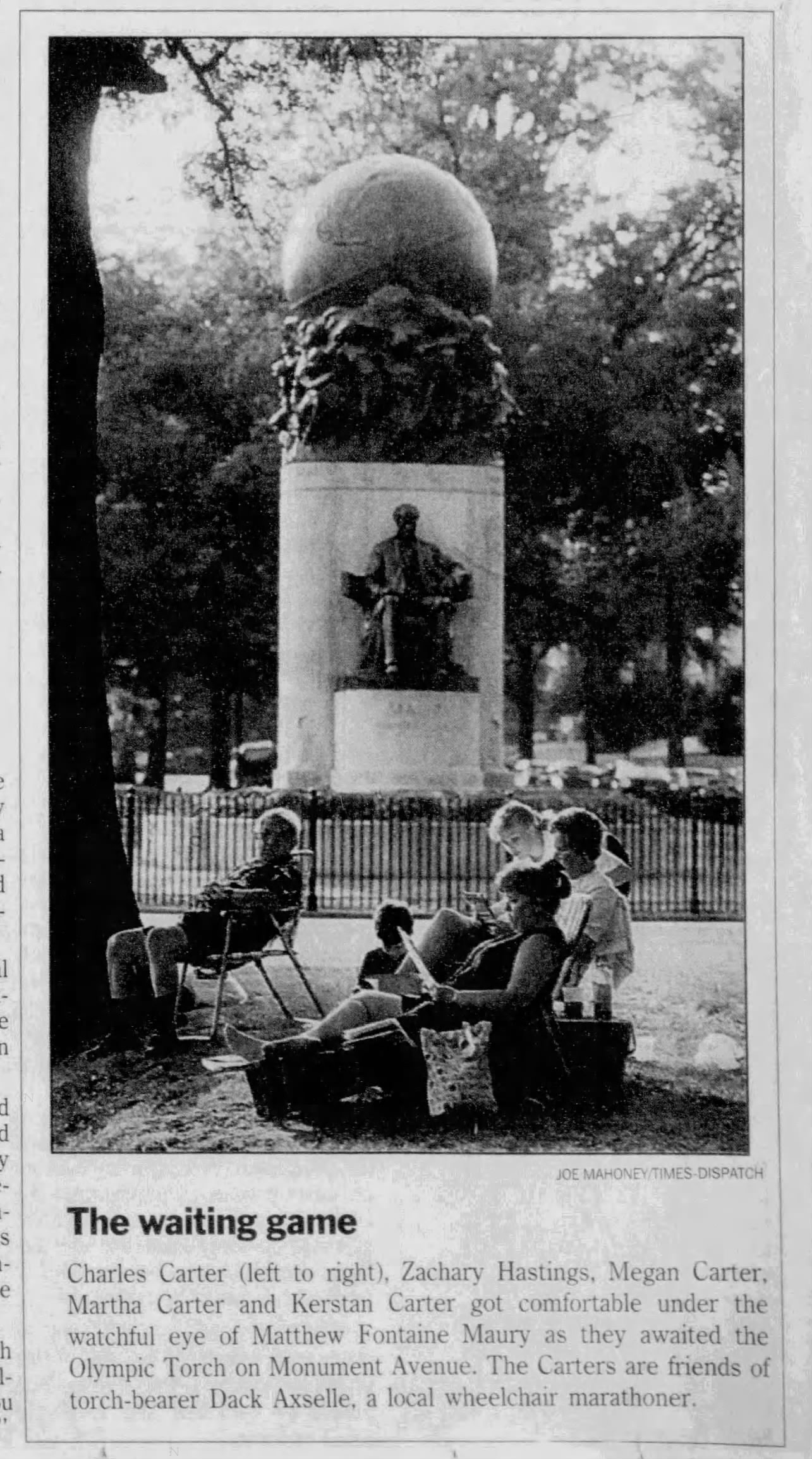
Richmond Times-Dispatch · Jun 22, 1996
Richmond News Leader · Nov 20, 1963
Richmond Times-Dispatch · Sep 18, 1962
Richmond Times-Dispatch · Jun 5, 1960
Richmond Times-Dispatch · Mar 10, 1959
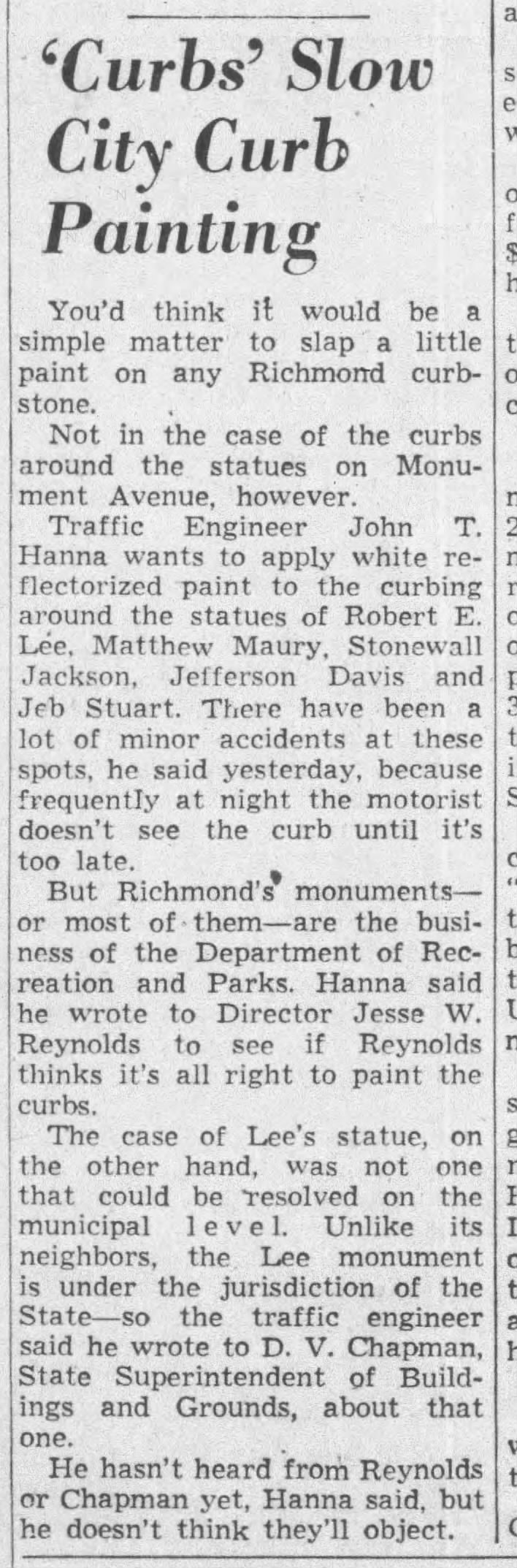
Richmond Times-Dispatch · Jan 17, 1954
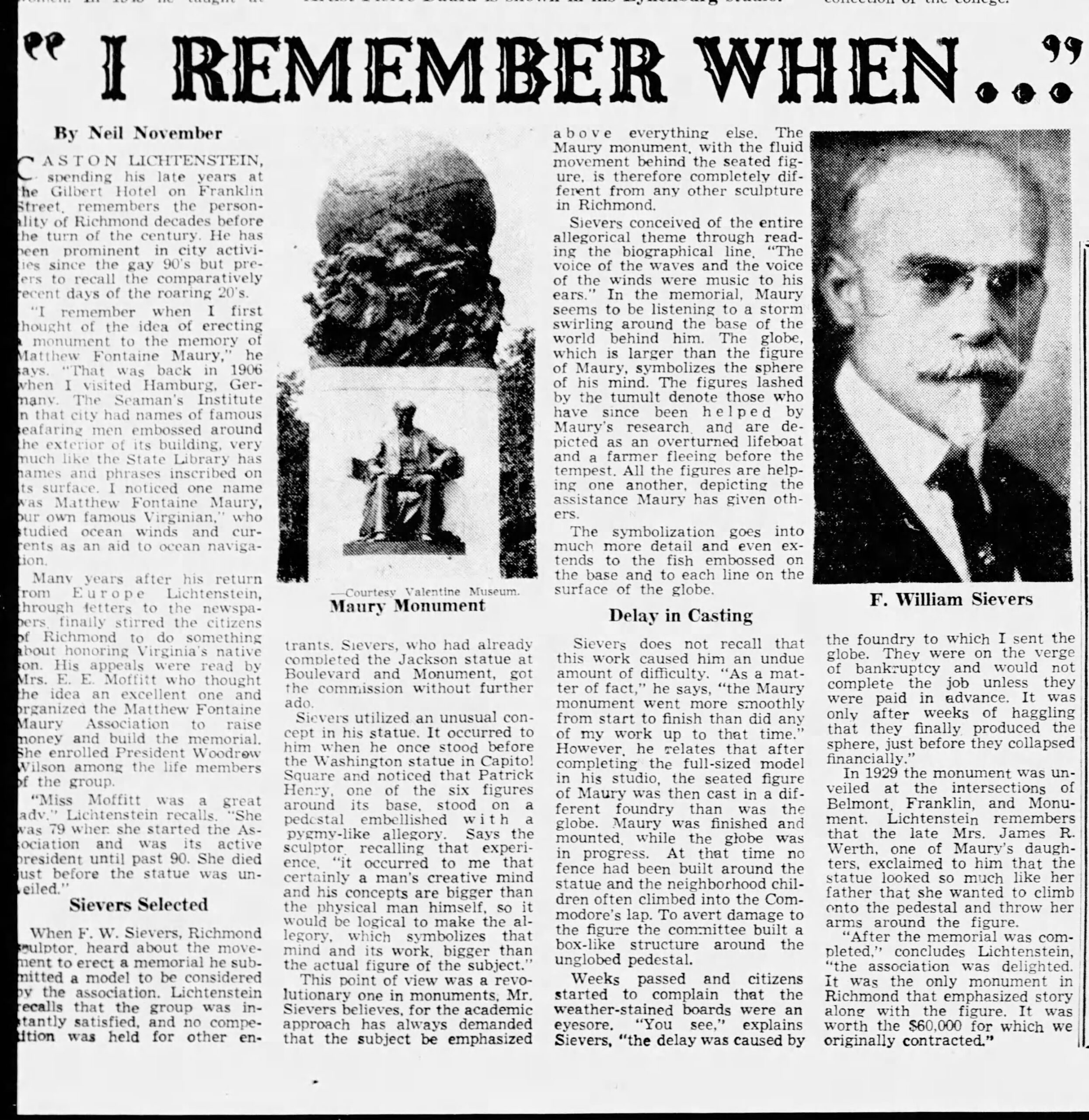
Richmond Times-Dispatch · Feb 6, 1949
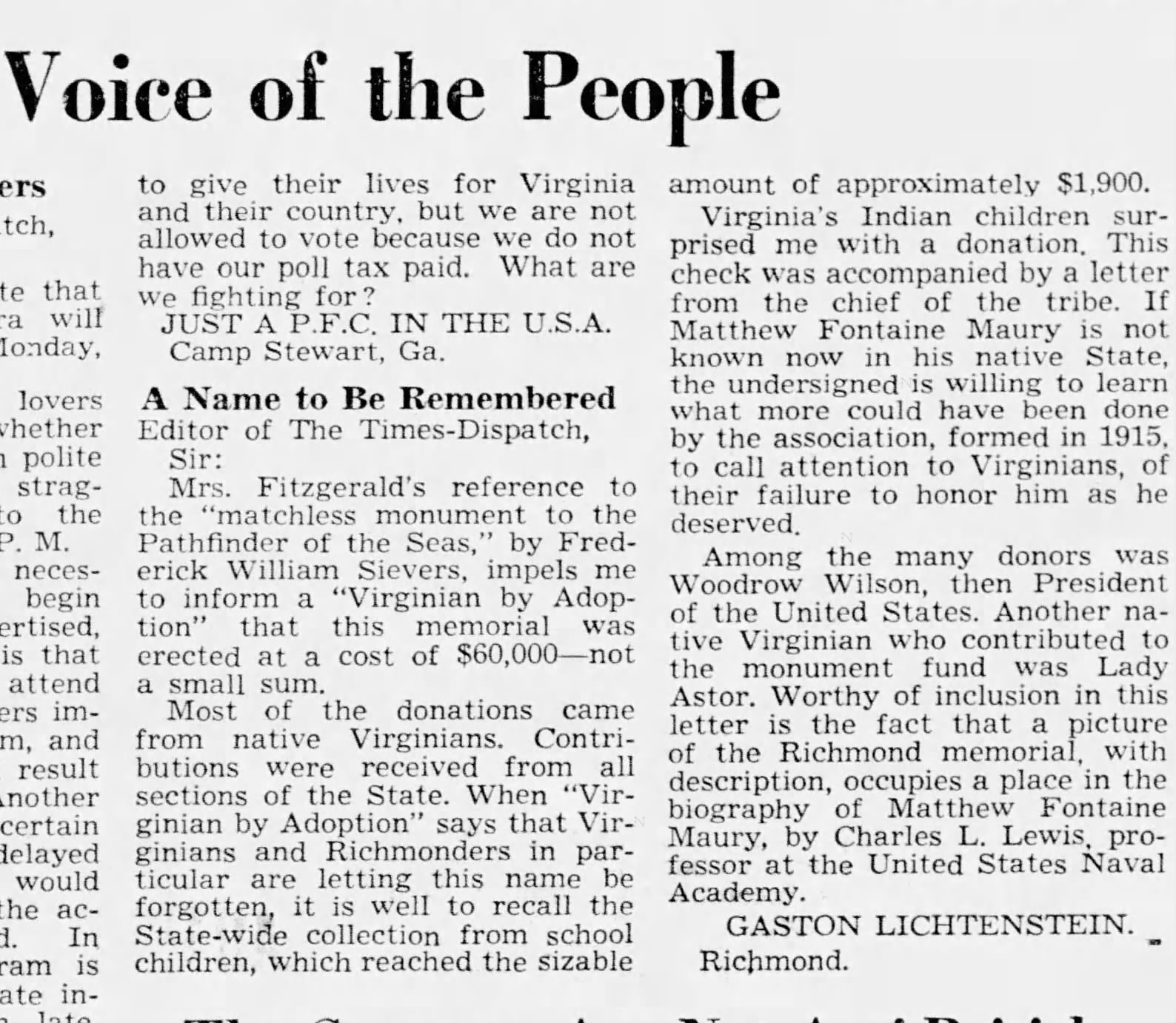
Richmond Times-Dispatch · Oct 12, 1943
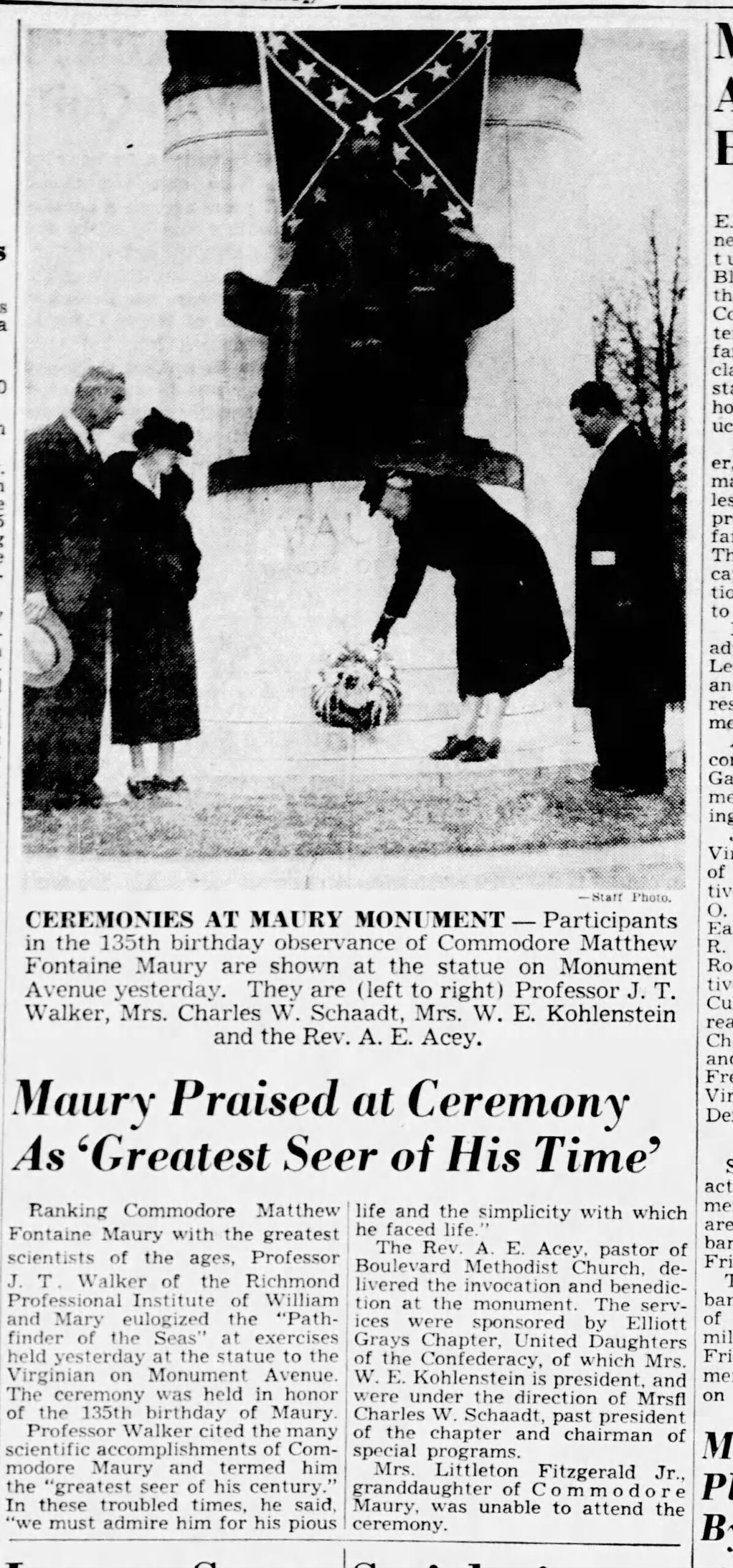
Richmond Times-Dispatch · Jan 15, 1941
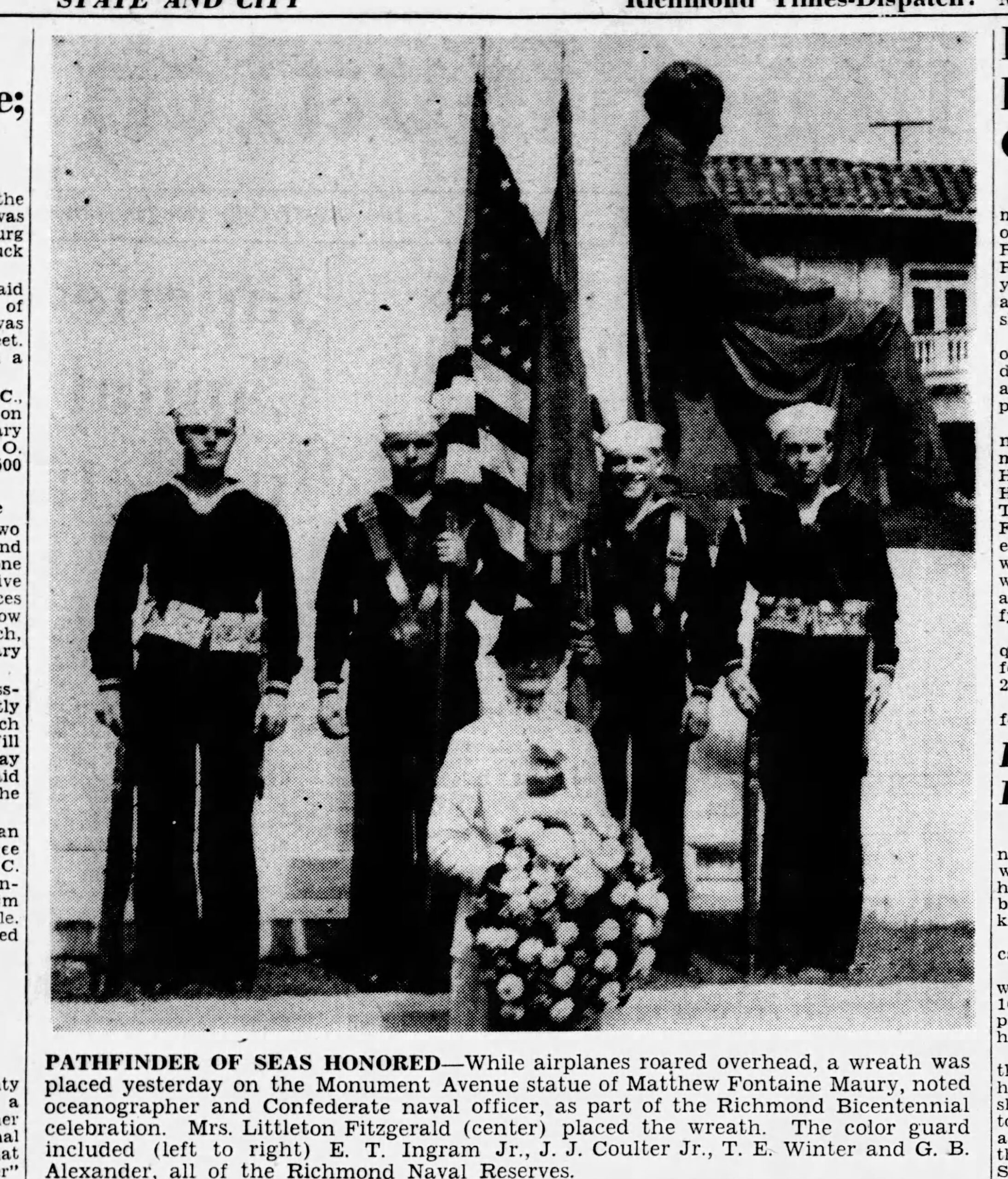
Richmond Times-Dispatch · Sep 20, 1937
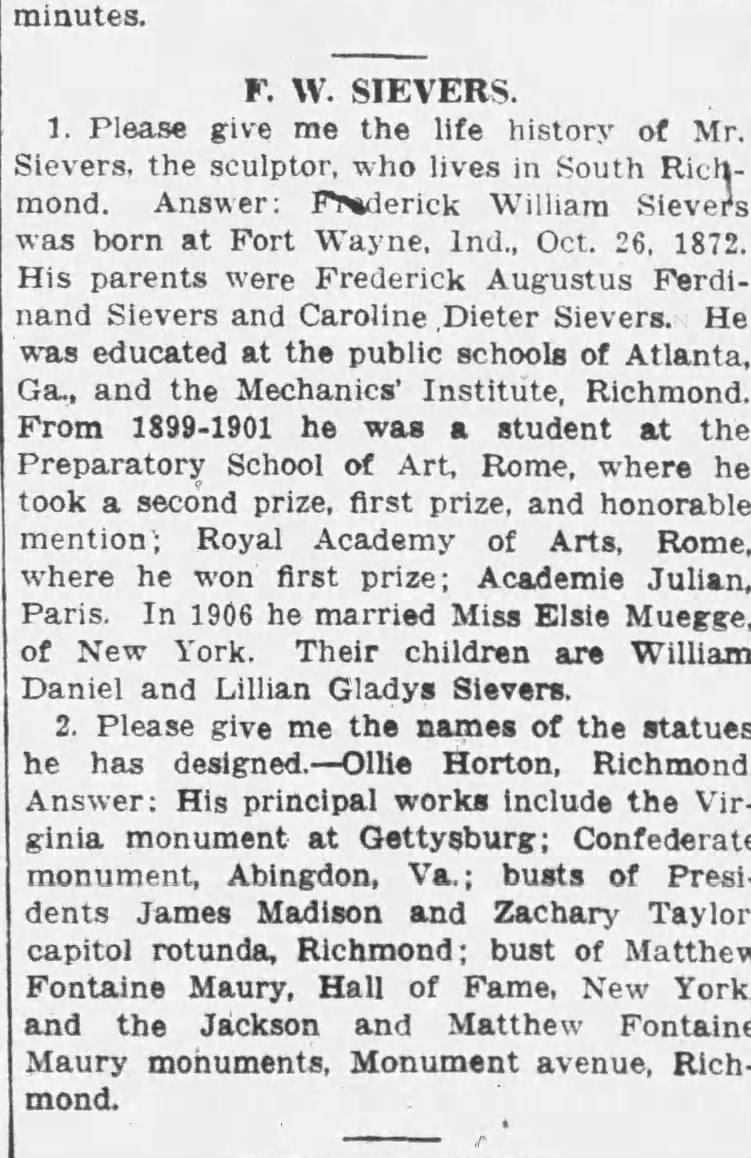
Richmond News Leader · Oct 6, 1933
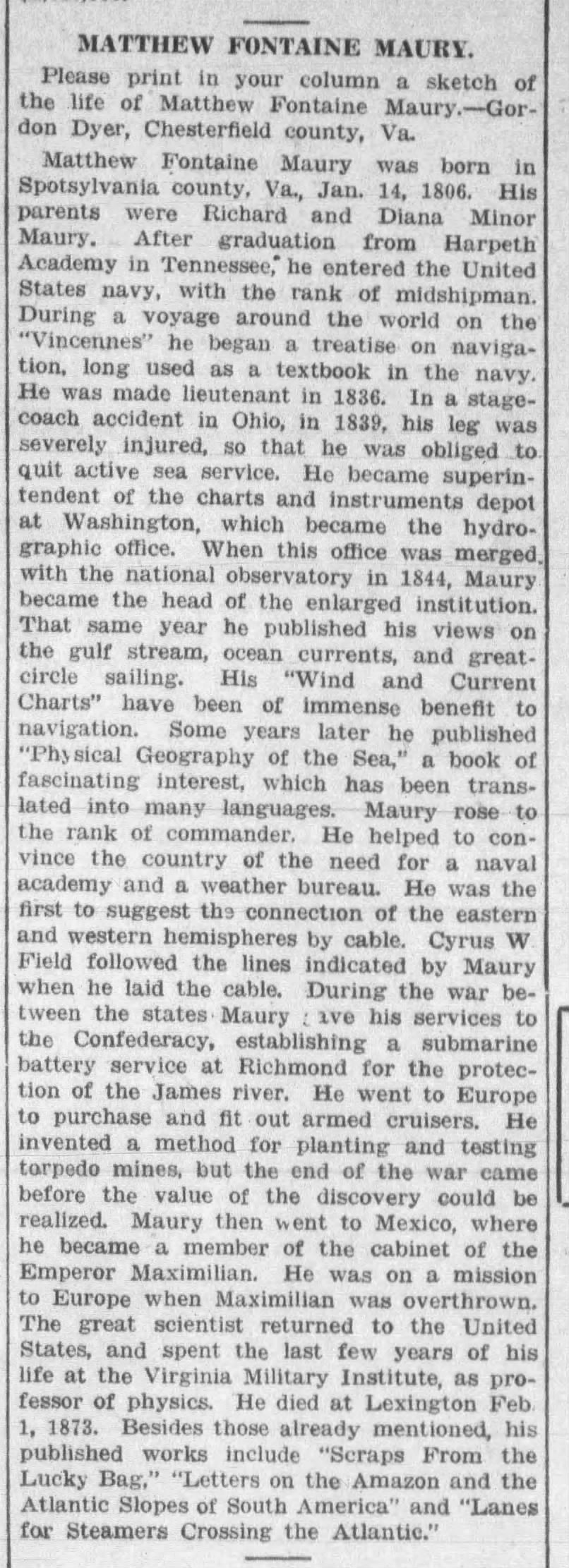
Richmond News Leader · Mar 20, 1933
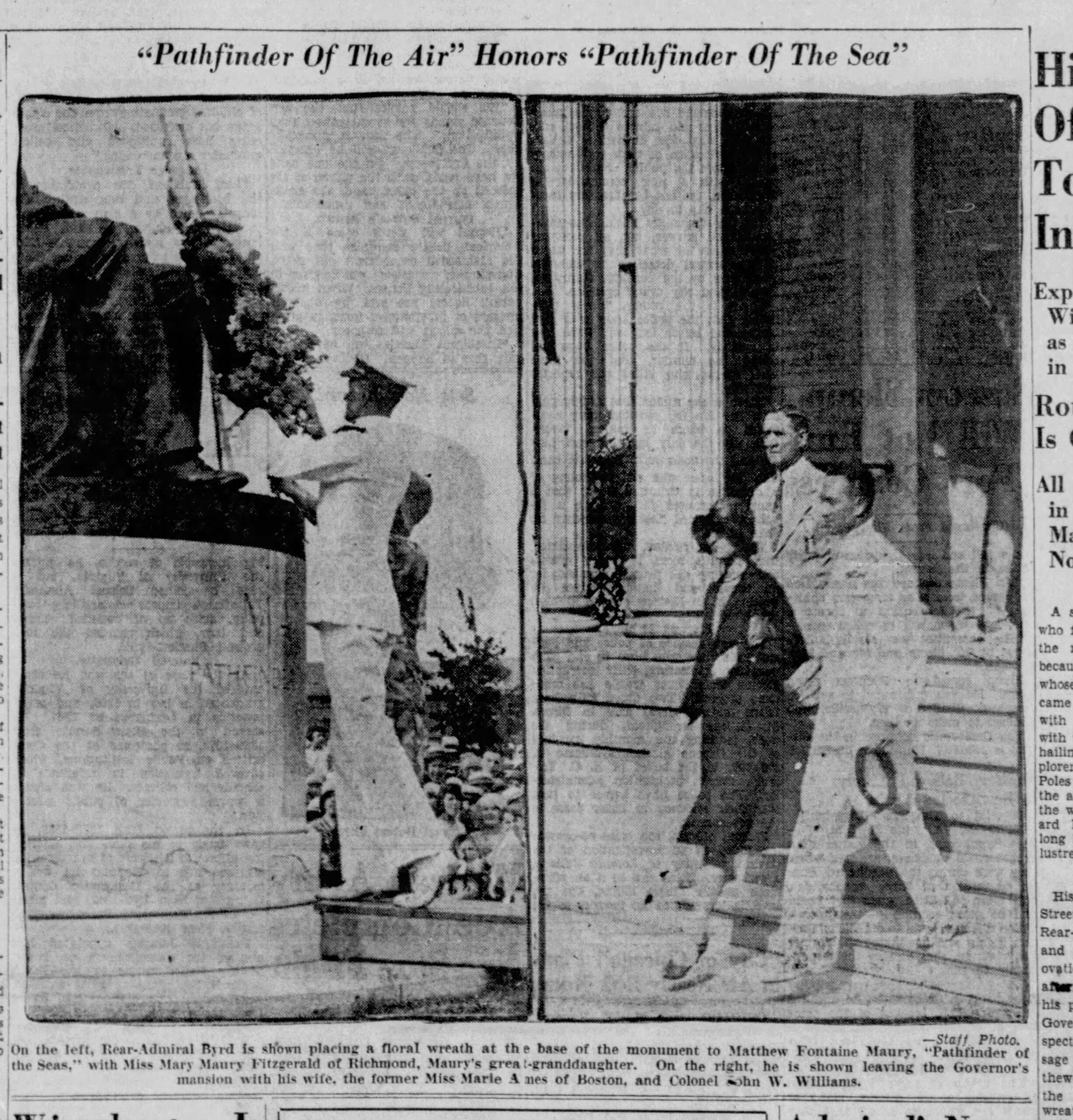
Richmond Times-Dispatch · Jun 22, 1930
Richmond Times-Dispatch · Nov 12, 1929
Richmond Times-Dispatch · Nov 12, 1929
Richmond Times-Dispatch · Nov 12, 1929
Richmond News Leader · Nov 12, 1929
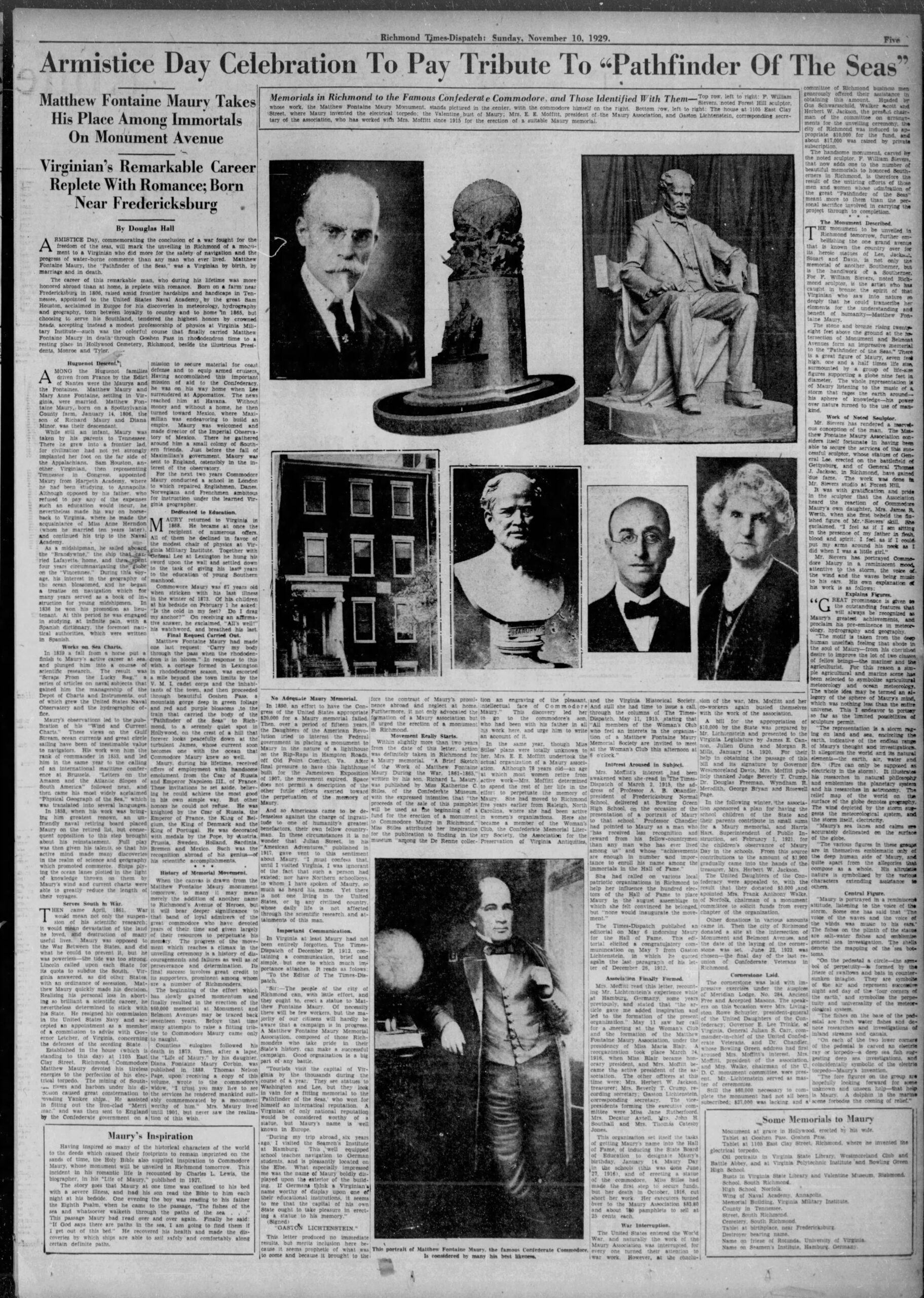
Richmond Times-Dispatch · Nov 10, 1929
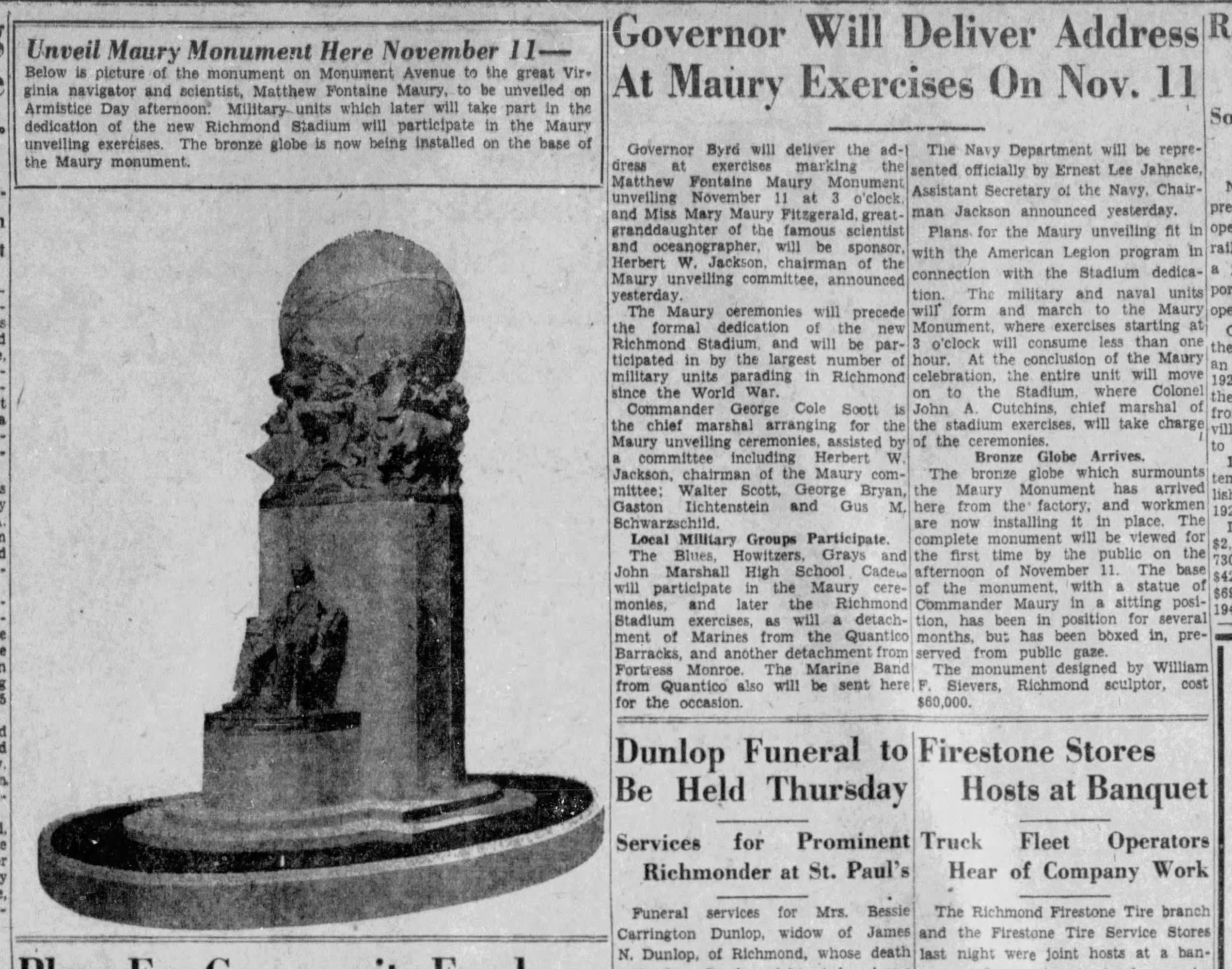
Richmond Times-Dispatch · Oct 29, 1929
Richmond News Leader · Oct 29, 1929
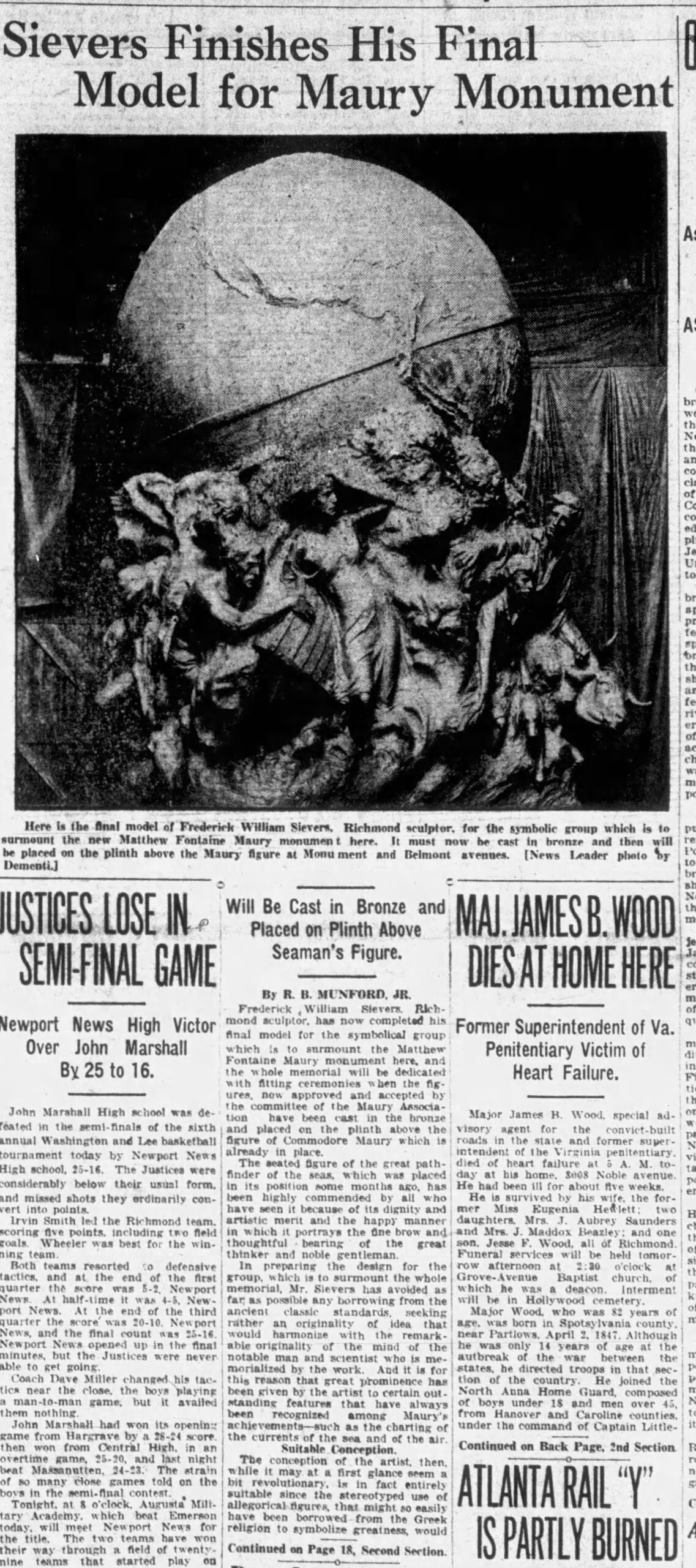
Richmond News Leader · Mar 9, 1929
Richmond News Leader · Jun 22, 1928
Richmond Times-Dispatch · Oct 6, 1927
Richmond Times-Dispatch · Nov 13, 1926
Richmond News Leader · Apr 2, 1926
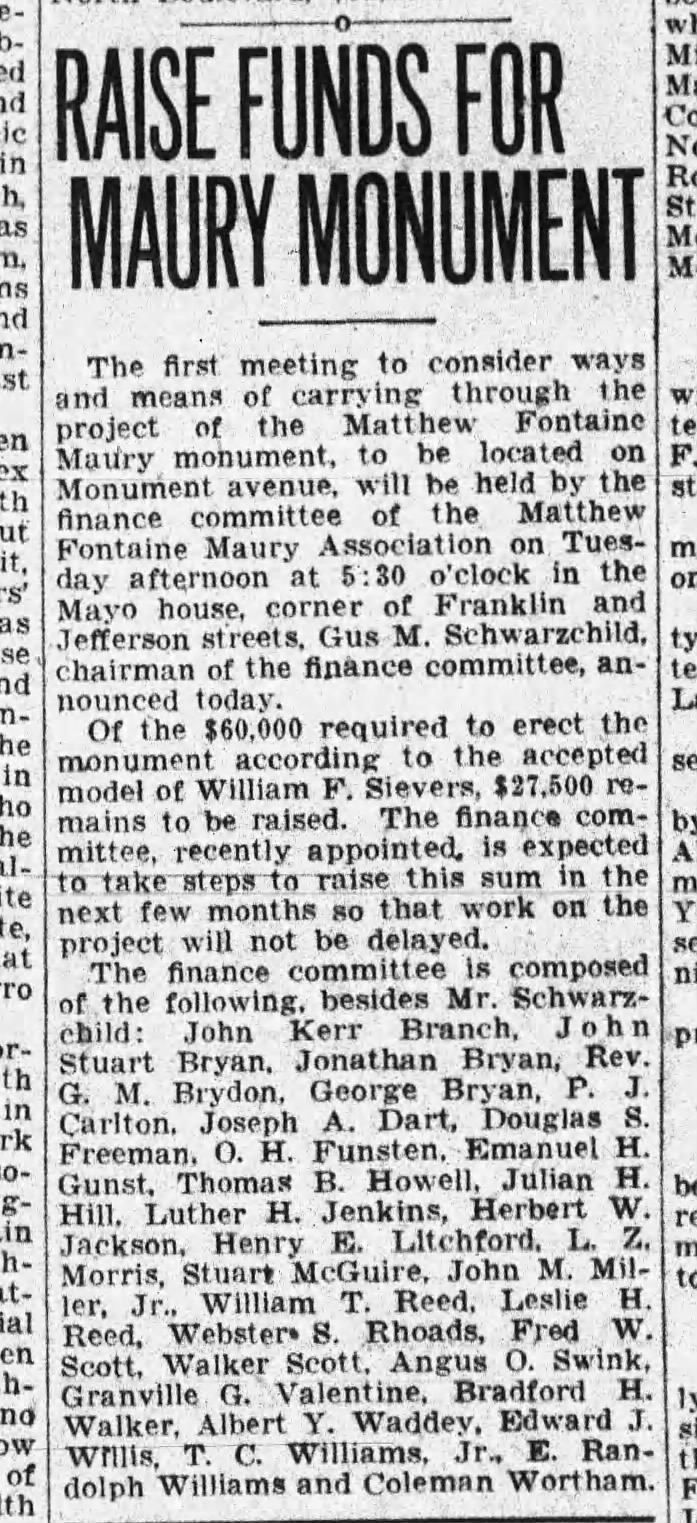
Richmond News Leader· Feb 20, 1926
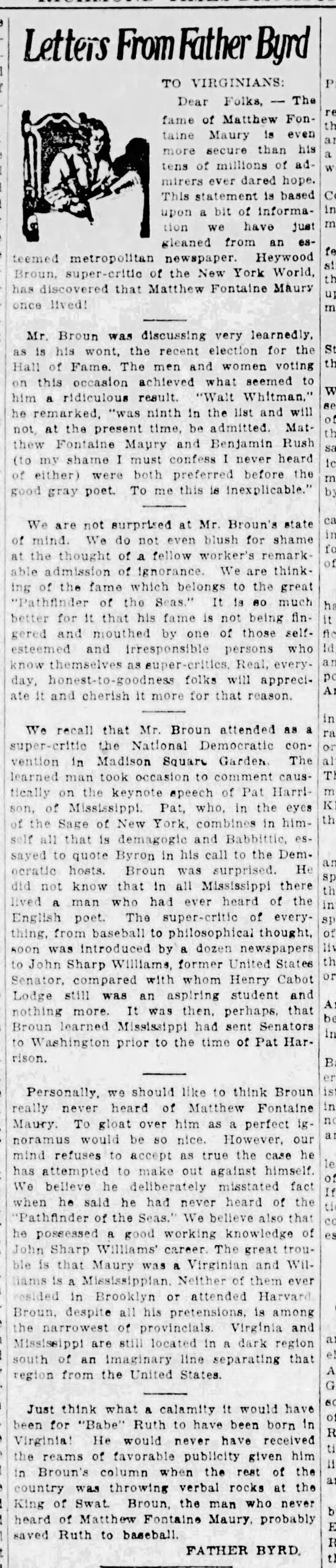
Richmond Times-Dispatch · Oct 29, 1925
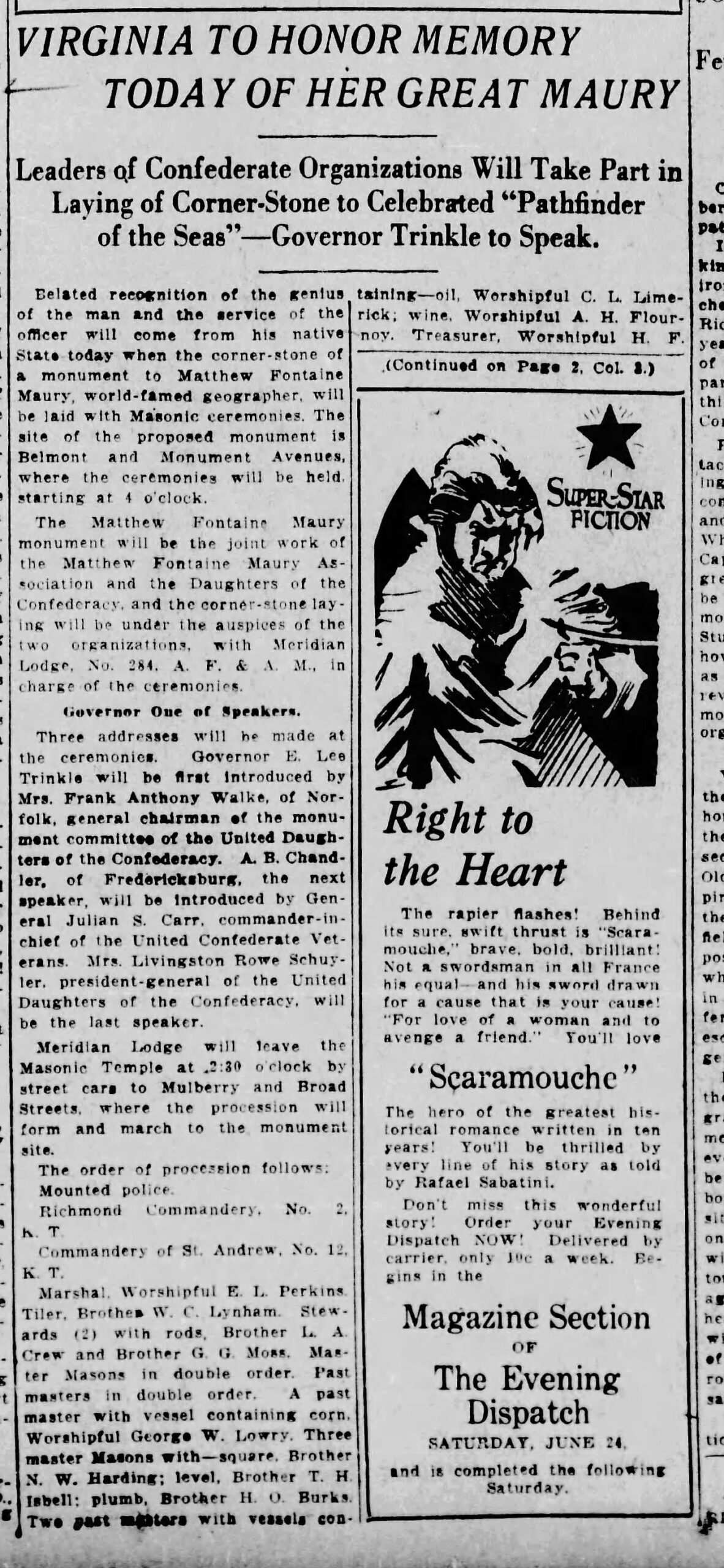
Richmond Times-Dispatch · Jun 23, 1922
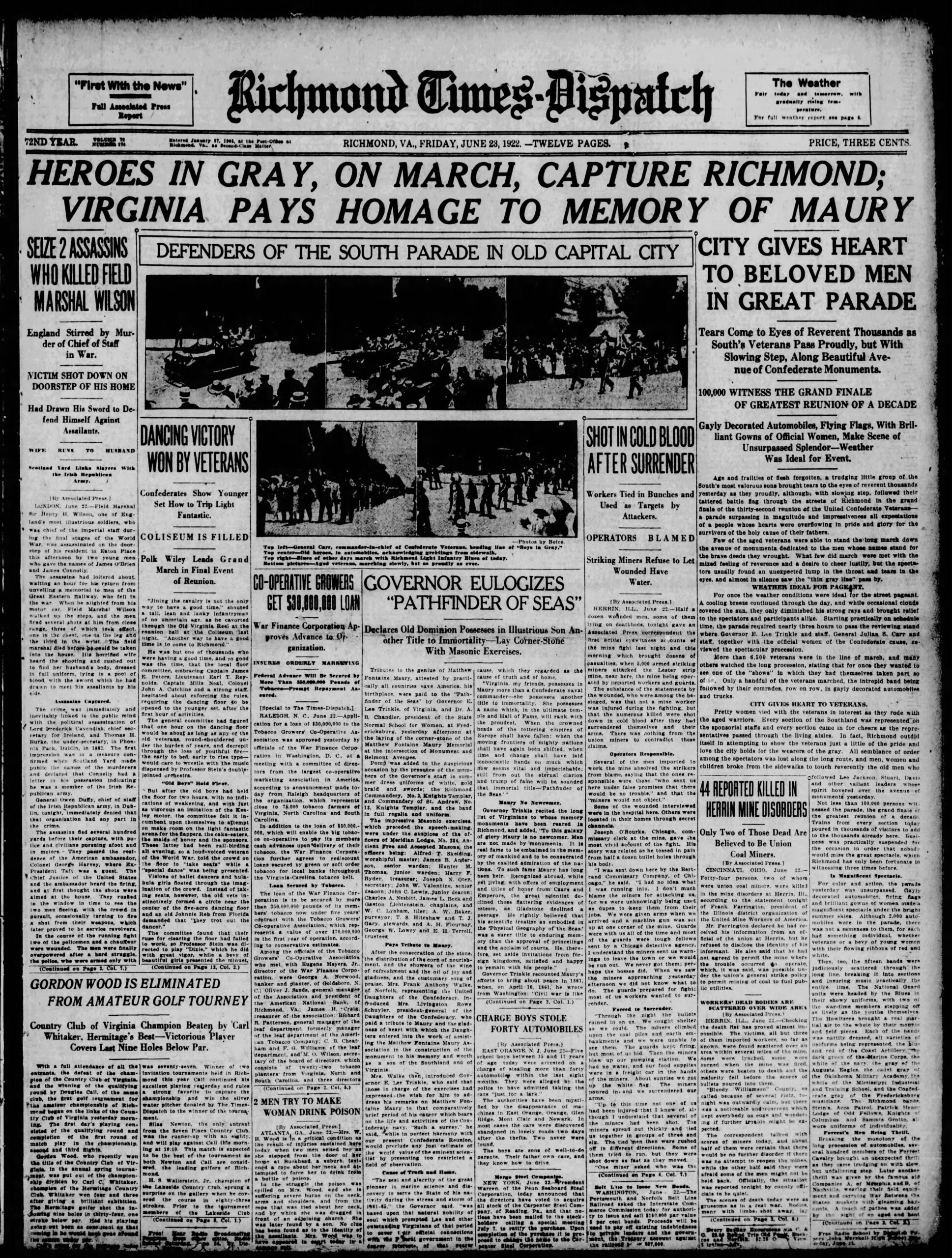
Richmond Times-Dispatch · Jun 22, 1922
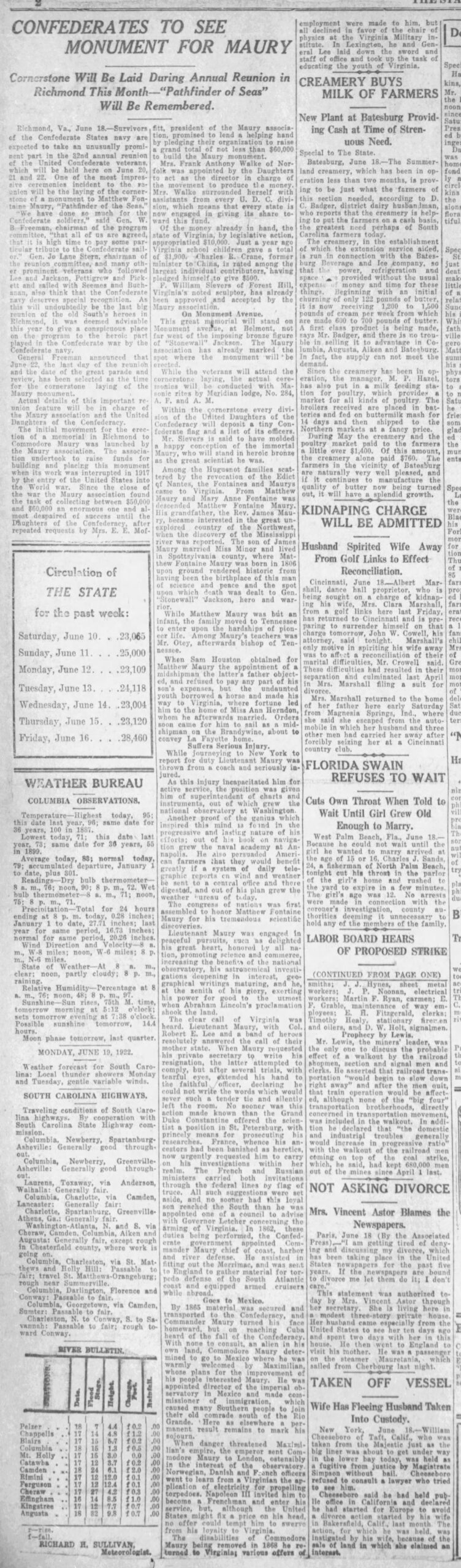
The State (Columbia, SC) · Jun 19, 1922
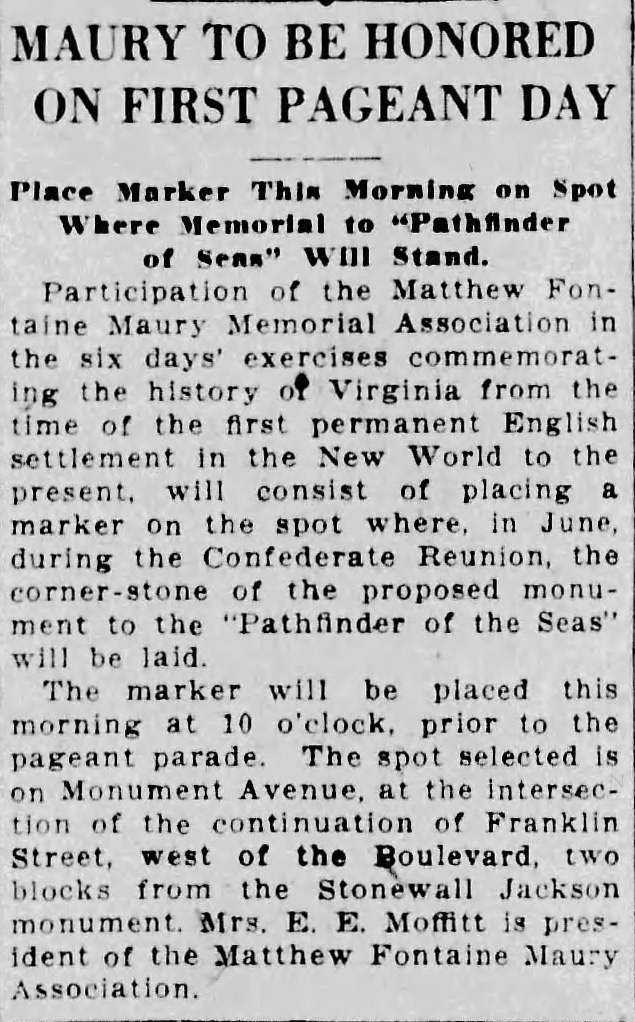
Richmond Times-Dispatch · May 22, 1922
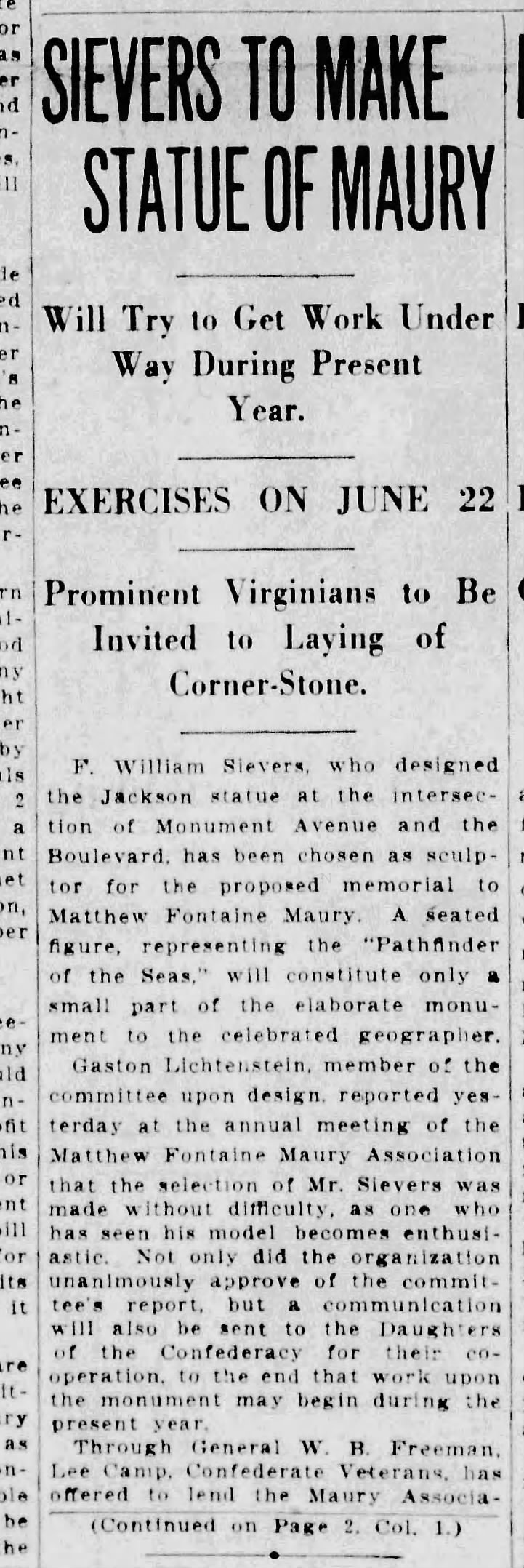
Richmond Times-Dispatch · May 12, 1922
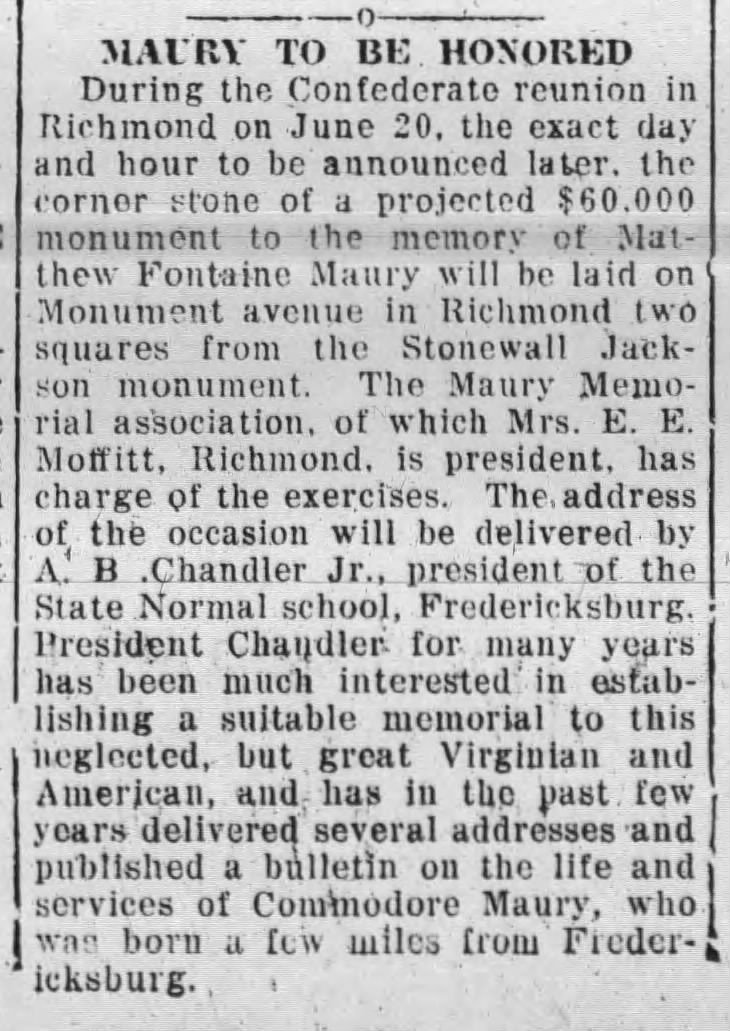
The Daily News Leader (Staunton, VA) · Apr 14, 1922
Richmond Times-Dispatch · Mar 9, 1922
Richmond Times-Dispatch · Oct 21, 1921
Richmond Times-Dispatch · Sep 4, 1921
Richmond Times-Dispatch · May 9, 1921
Richmond Times-Dispatch · Jan 29, 1921
Richmond Times-Dispatch · Jan 28, 1921
Richmond Times-Dispatch · Jan 8, 1921
Richmond Times-Dispatch · Oct 2, 1919
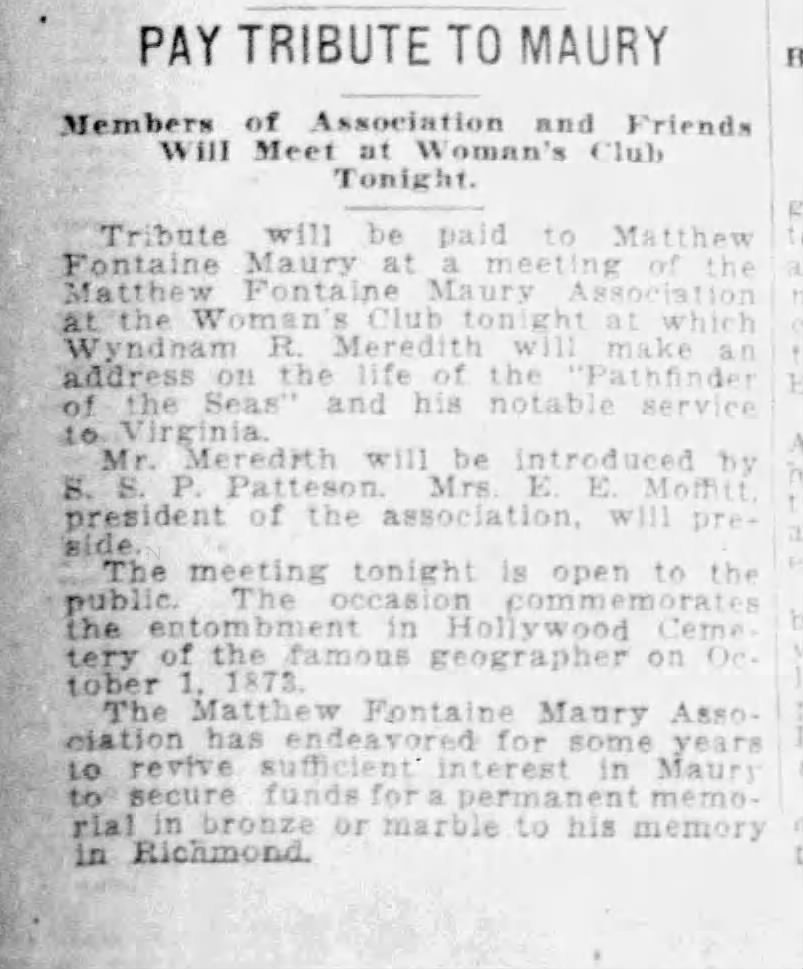
Richmond Times-Dispatch · Oct 1, 1919
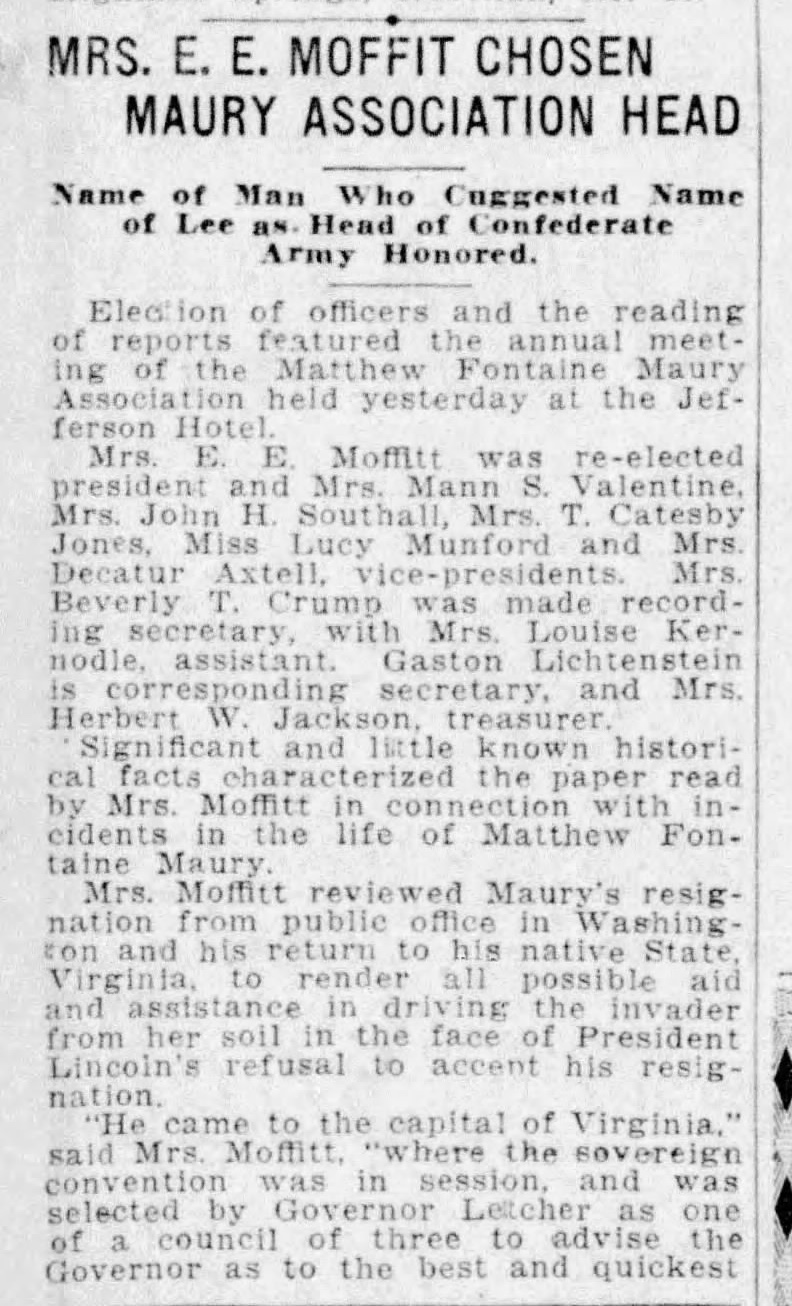
Richmond Times-Dispatch · May 11, 1919
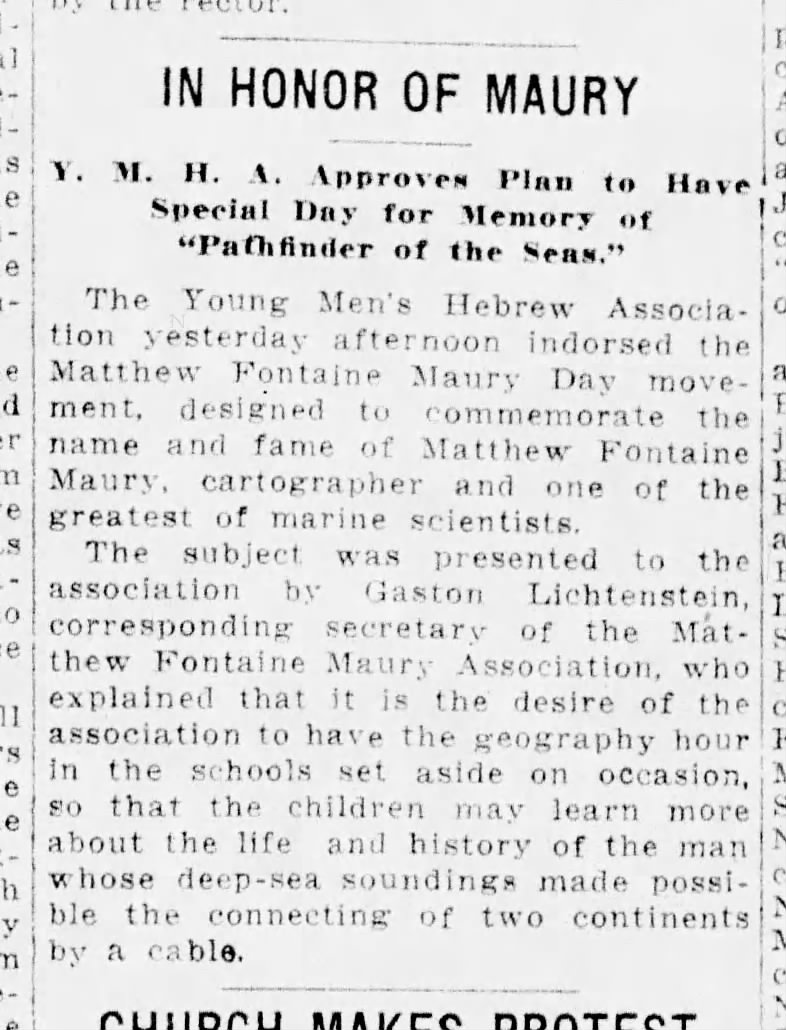
Richmond Times-Dispatch · Apr 17, 1916
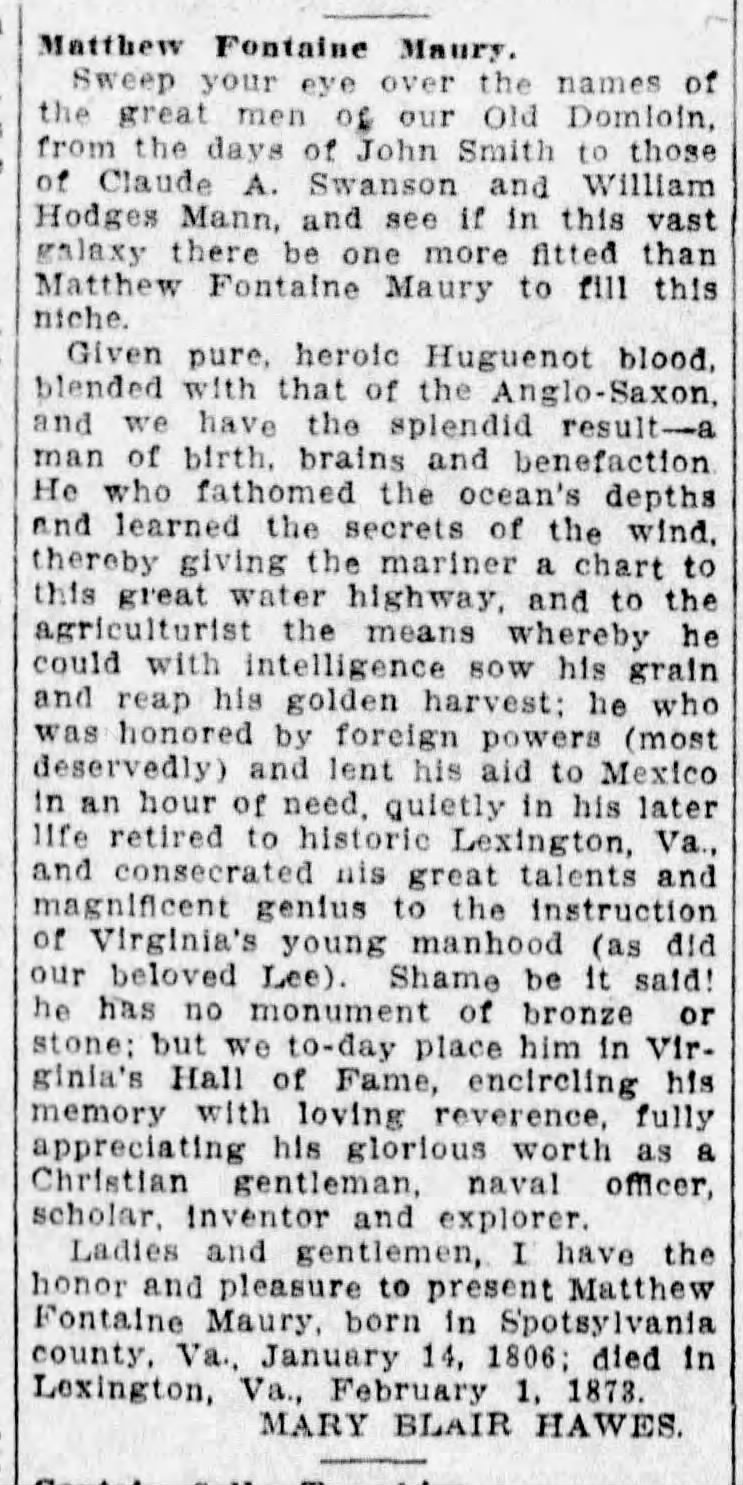
Richmond Times-Dispatch · Jan 23, 1910
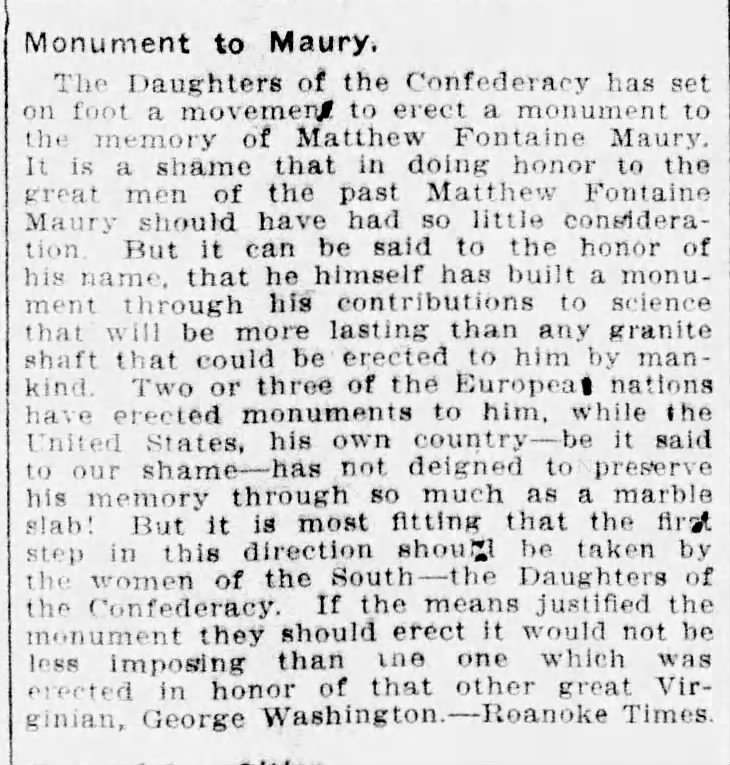
Richmond Times-Dispatch · Mar 14, 1907
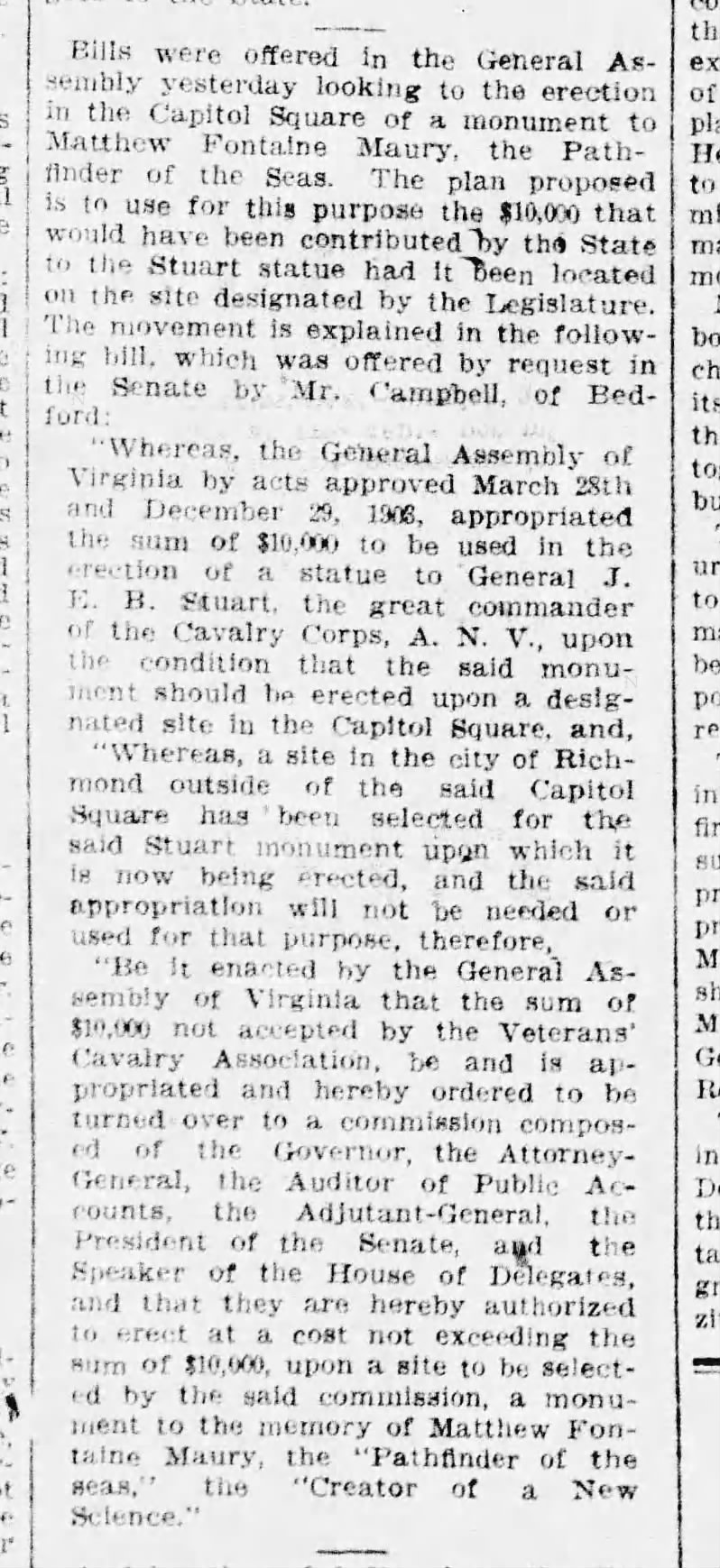
Richmond Times-Dispatch · Feb 3, 1906
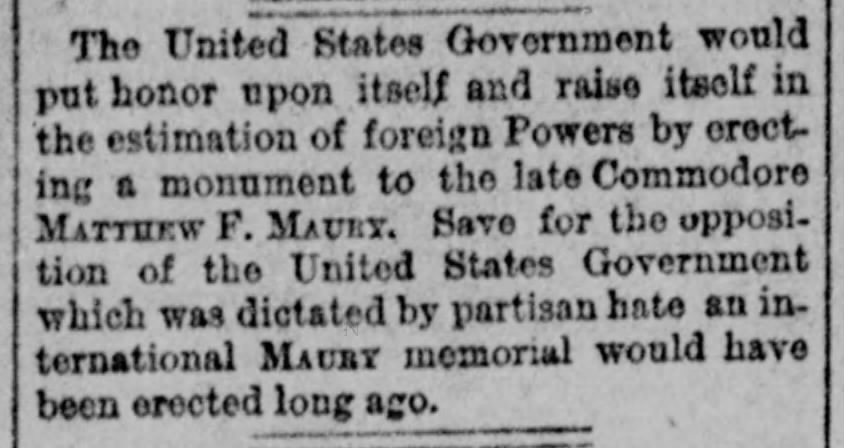
Richmond Dispatch · Feb 9, 1890
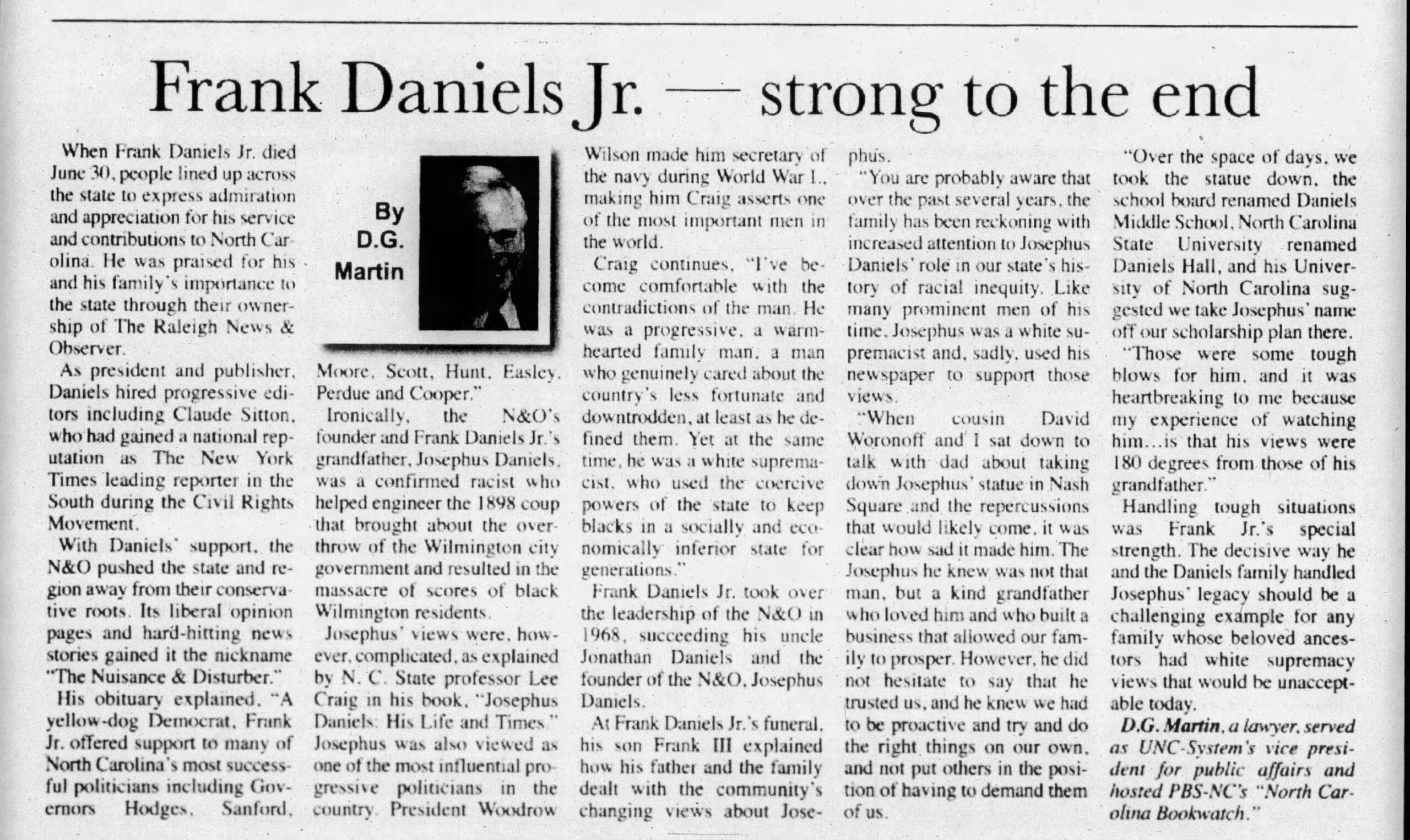
Stanly News and Press (Albemarle, NC) · Jul 26, 2022
The Raleigh News & Observer · Aug 2, 2021
The Herald-Sun (Durham, NC) · May 19, 2021
The Raleigh News & Observer · Sep 24, 2020
The Raleigh News & Observer · Jun 25, 2020
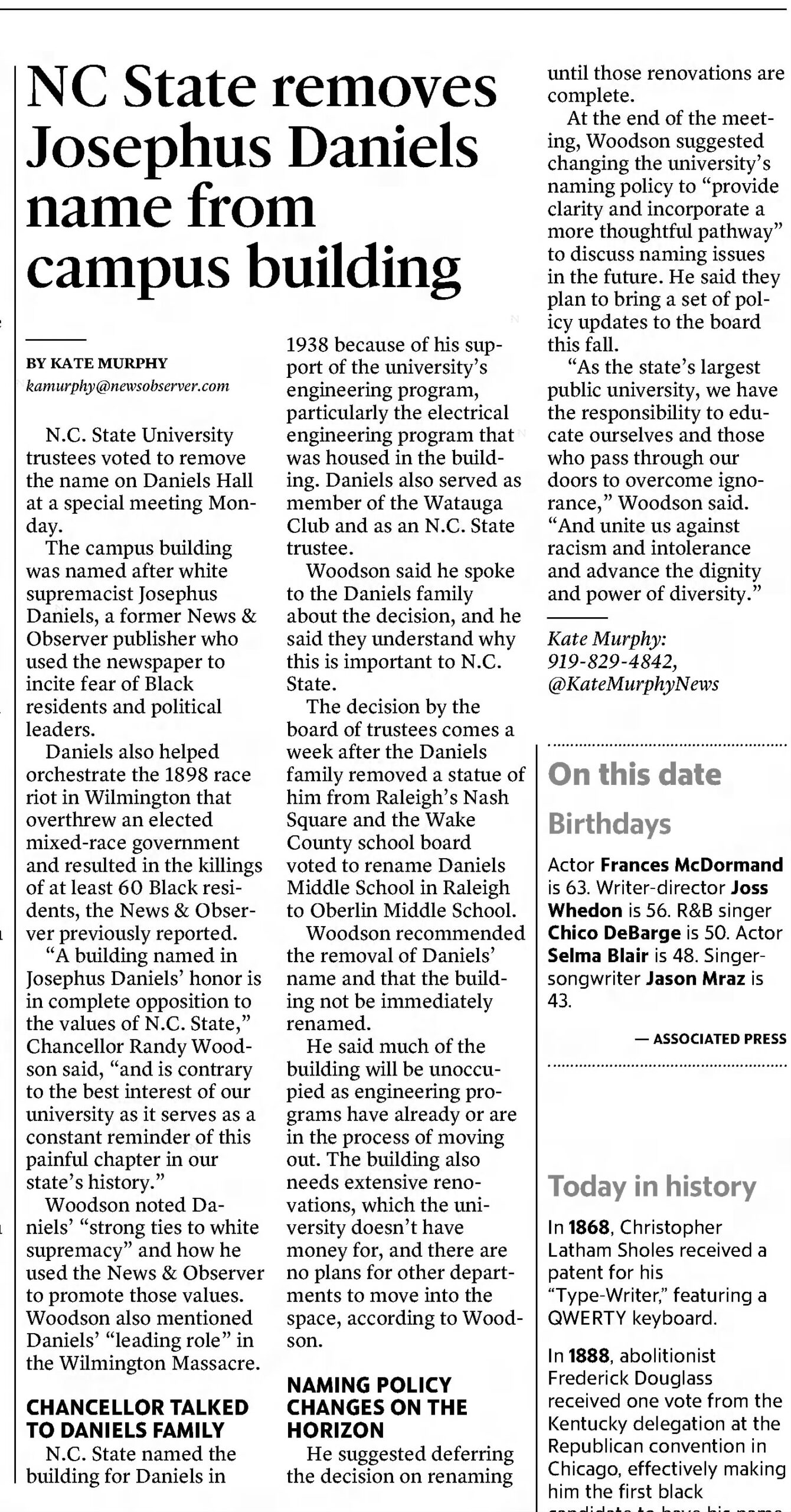
The Raleigh News & Observer · Jun 23, 2020
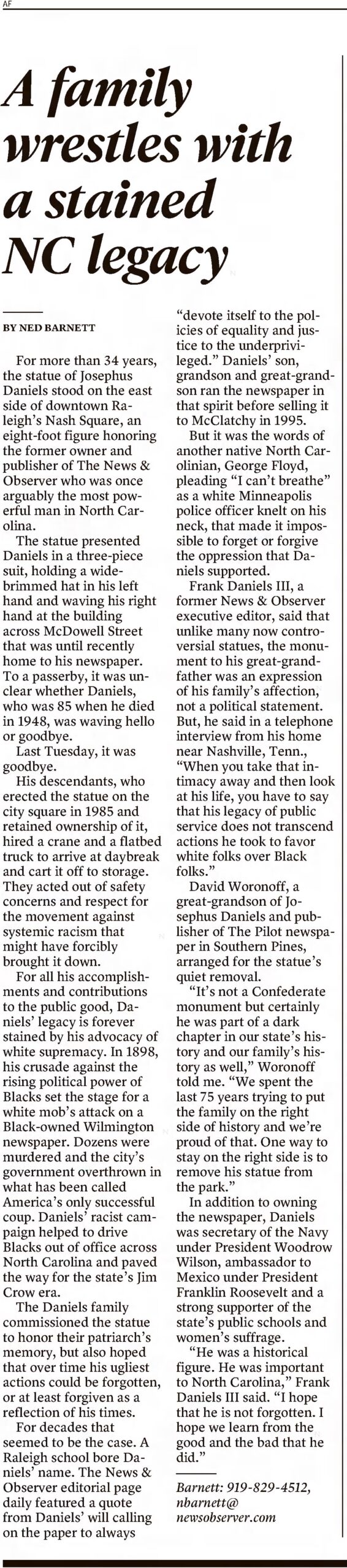
The Raleigh News & Observer · Jun 21, 2020
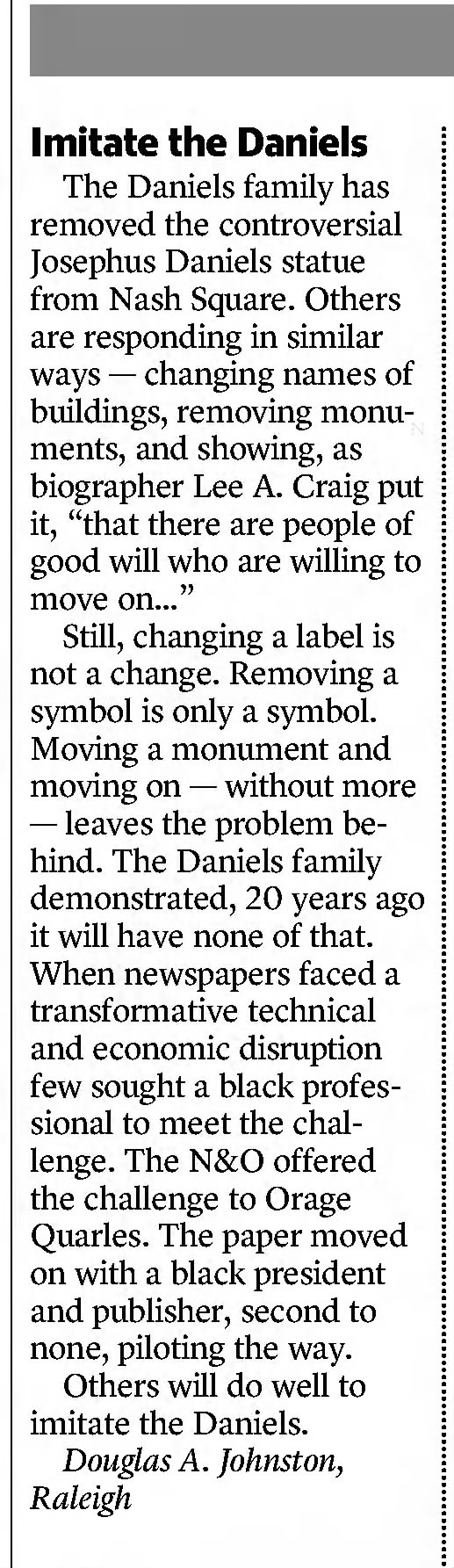
The Raleigh News & Observer · Jun 19, 2020
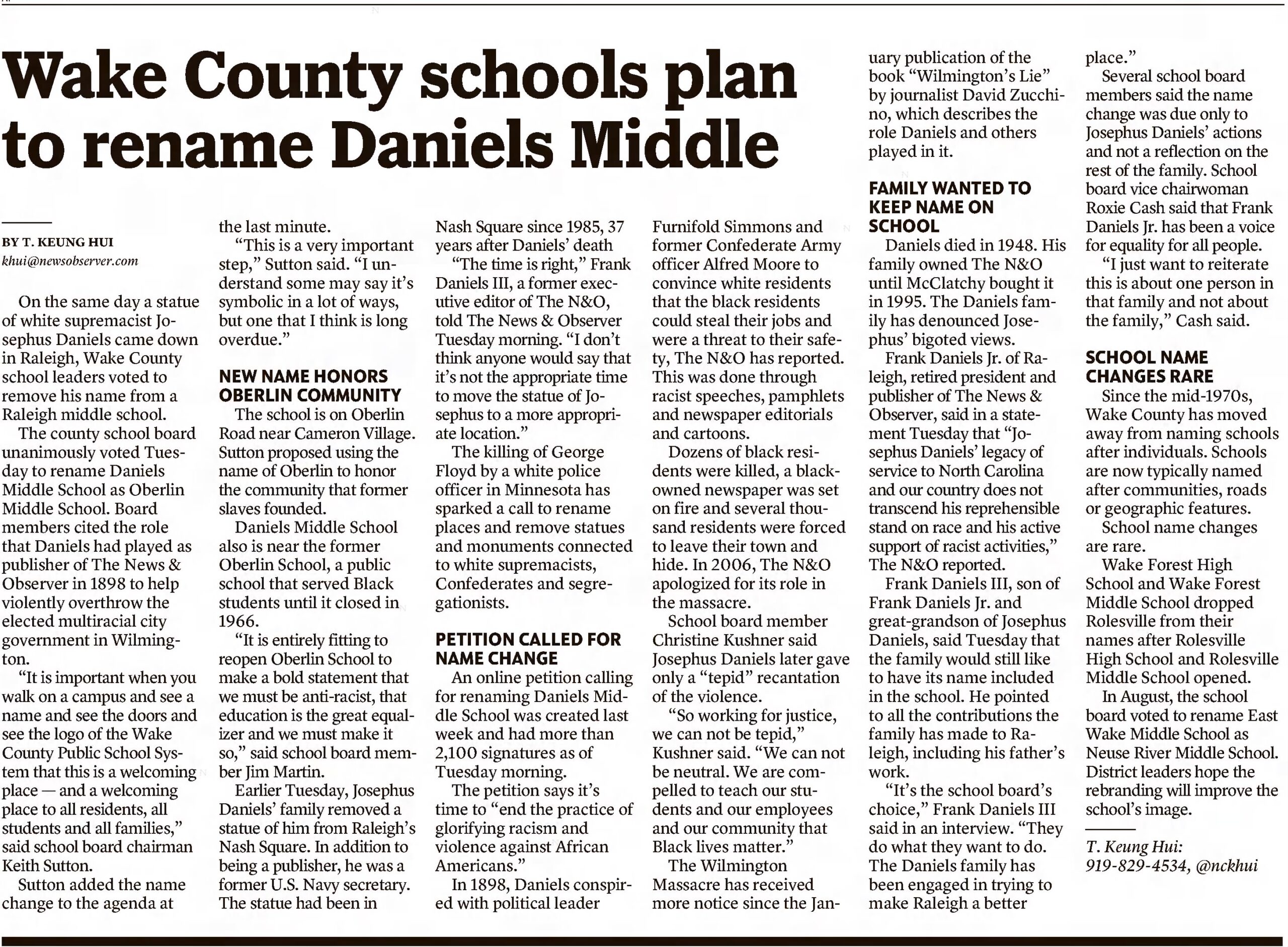
The Raleigh News & Observer · Jun 18, 2020
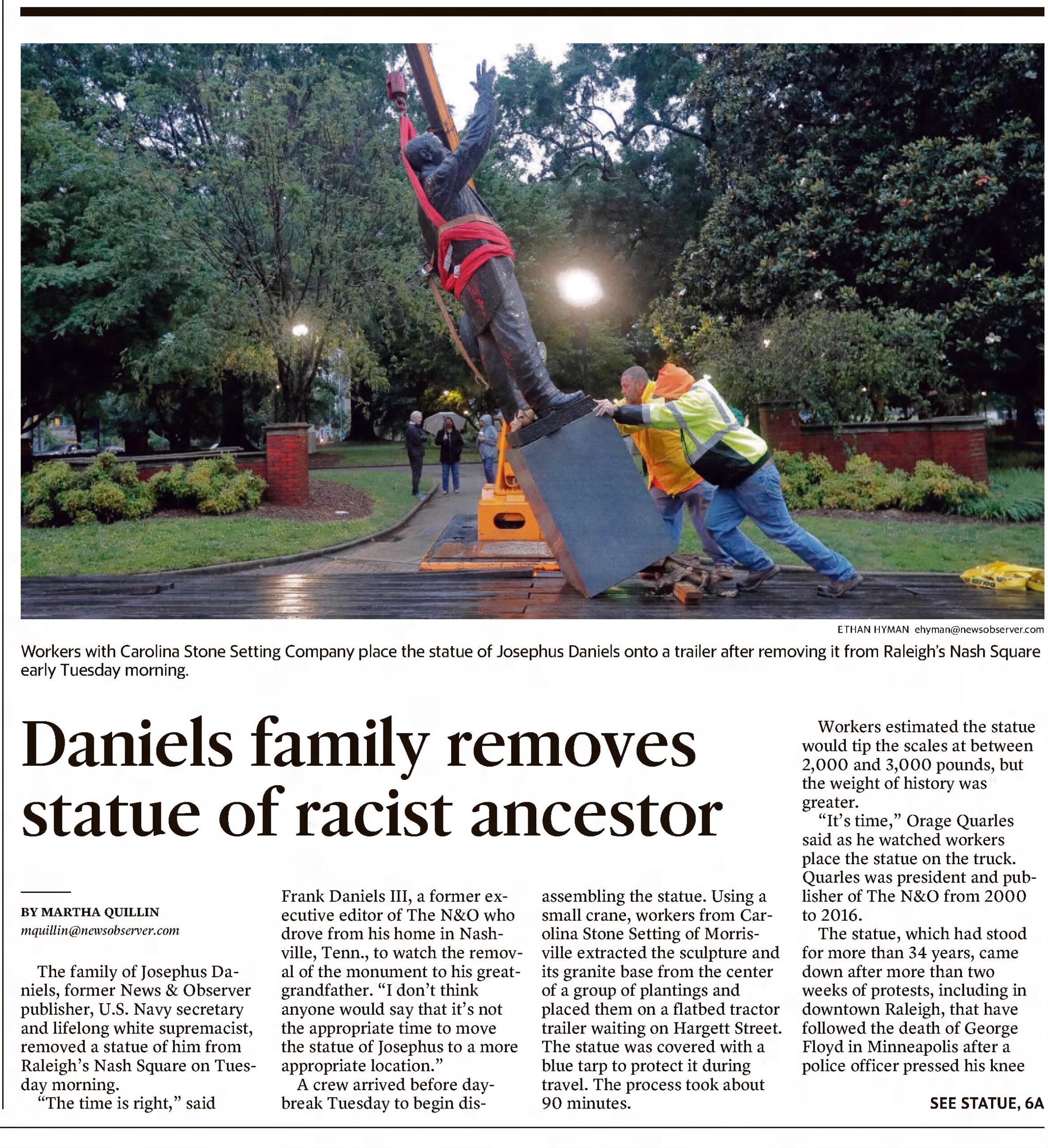
The Raleigh News & Observer · Jun 17, 2020
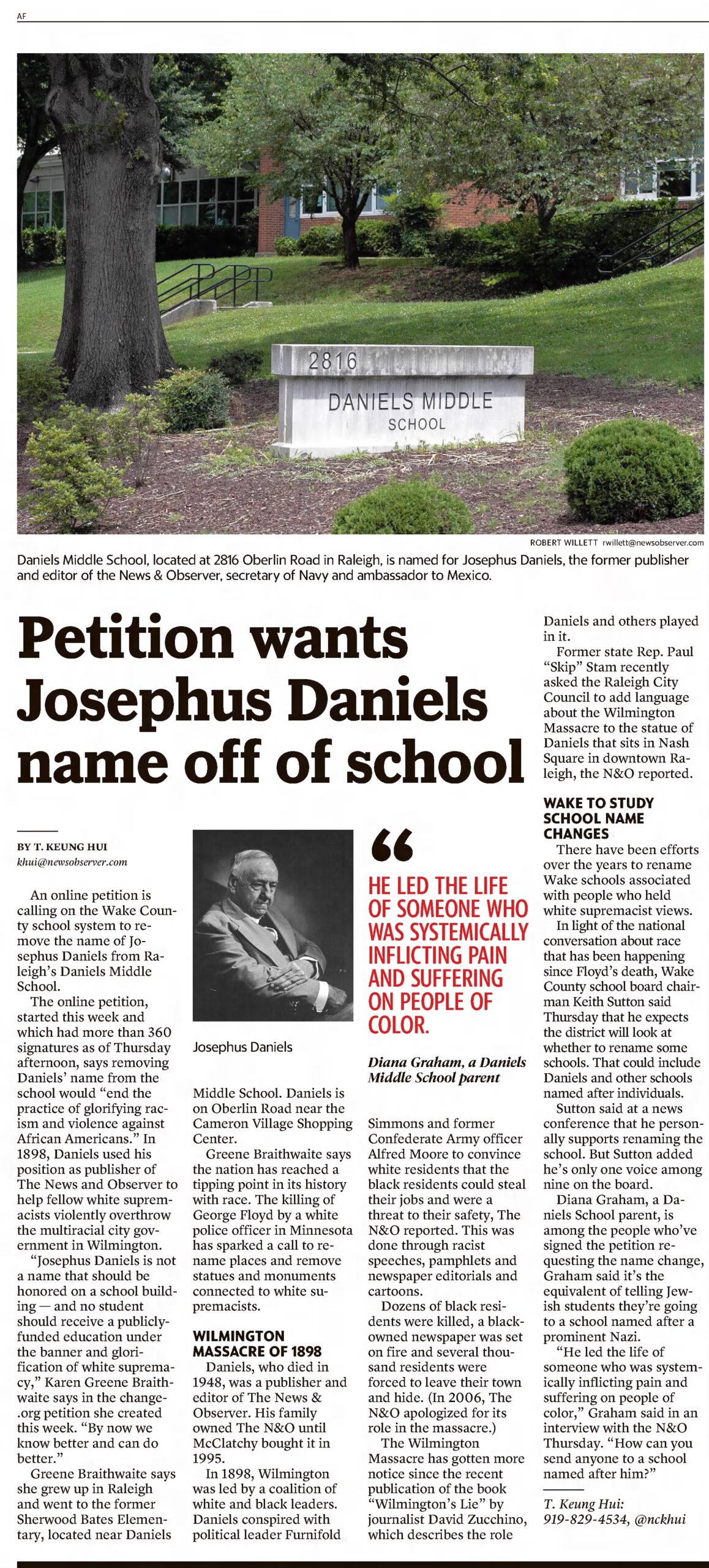
The Raleigh News & Observer · Jun 13, 2020
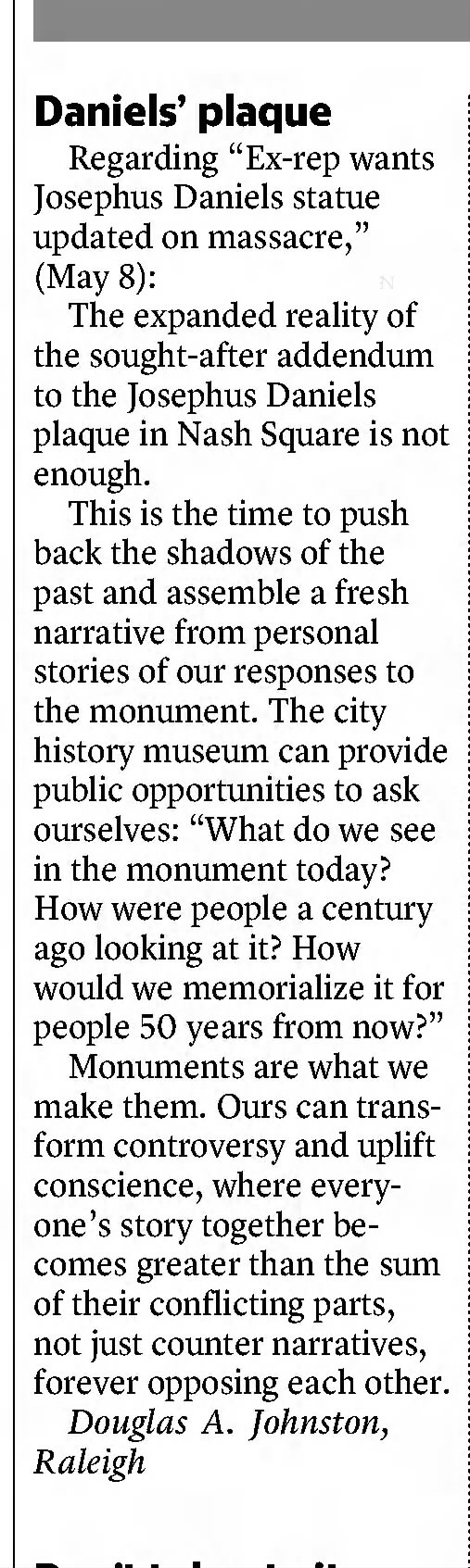
The Raleigh News & Observer · May 12, 2020

The Herald Sun (Durham, NC) · Nov 1, 2017
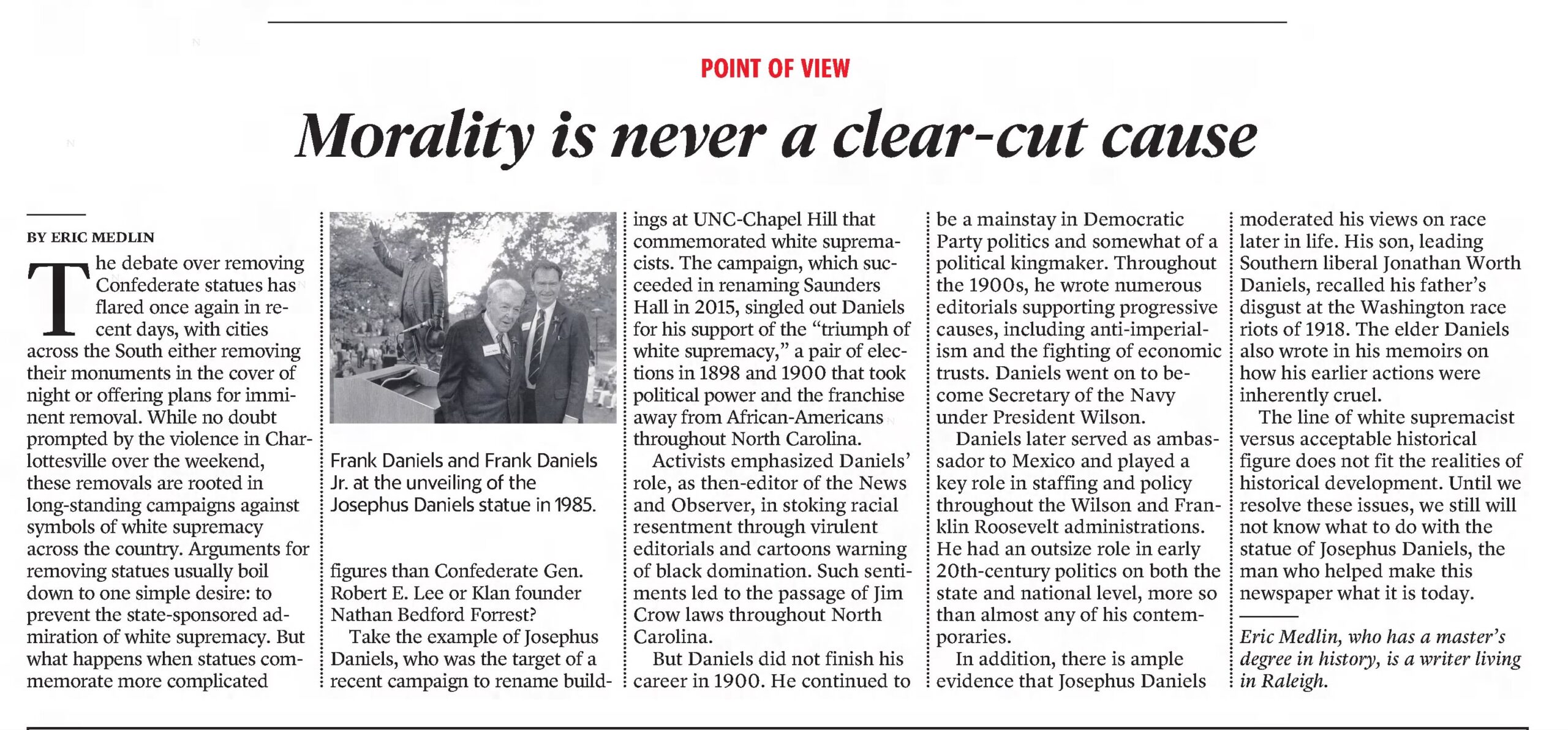
The Raleigh News & Observer · Aug 25, 2017
The Charlotte Observer Observer · May 8, 2017
The Raleigh News & Observer · Jun 24, 2015
The Raleigh News & Observer · Oct 14, 2007
The Raleigh News & Observer · Nov 17, 2006
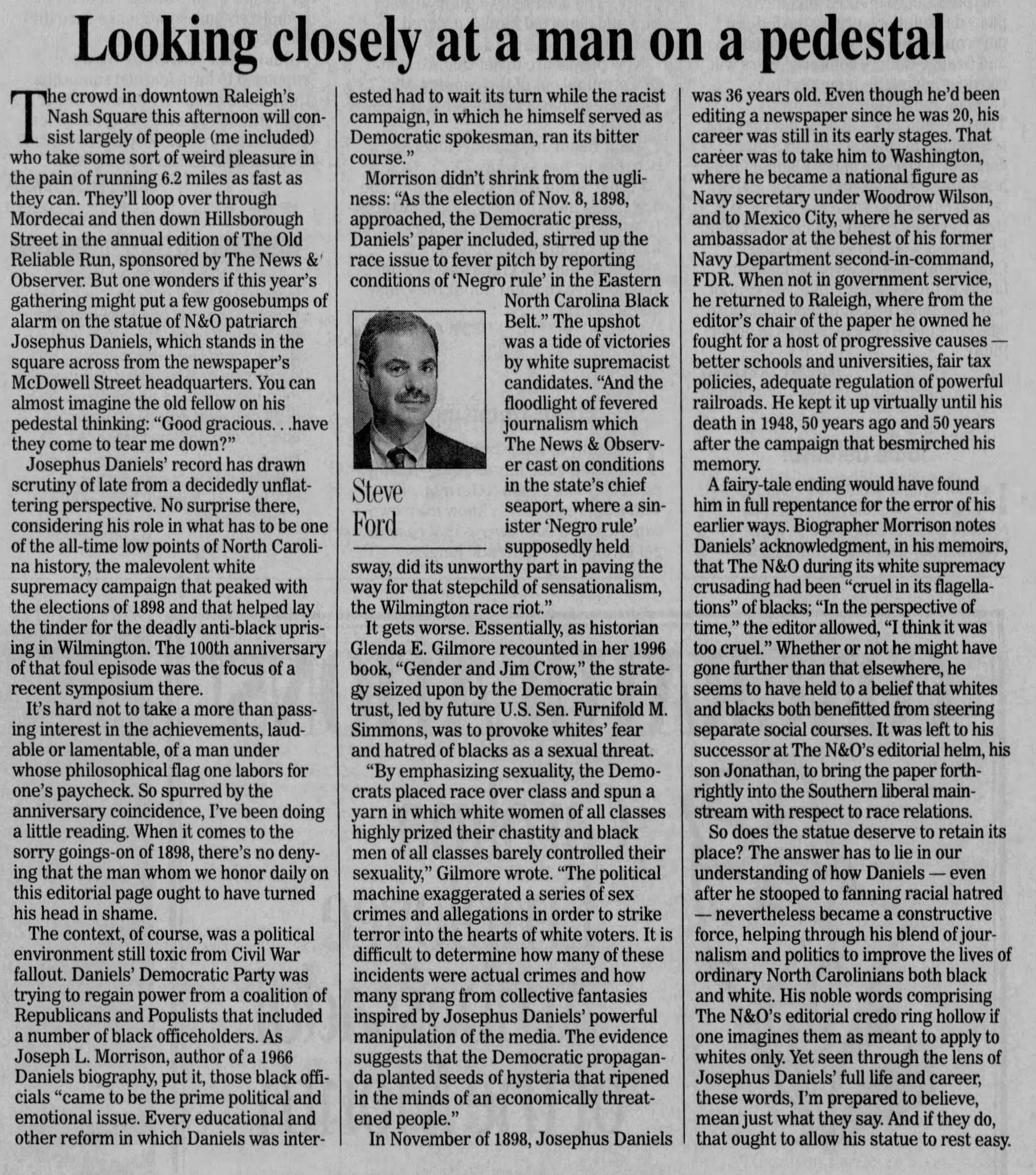
The Raleigh News & Observer · Nov 15, 1998

The Raleigh News & Observer · Oct 21, 1996
The Raleigh News & Observer · Jun 5, 1996
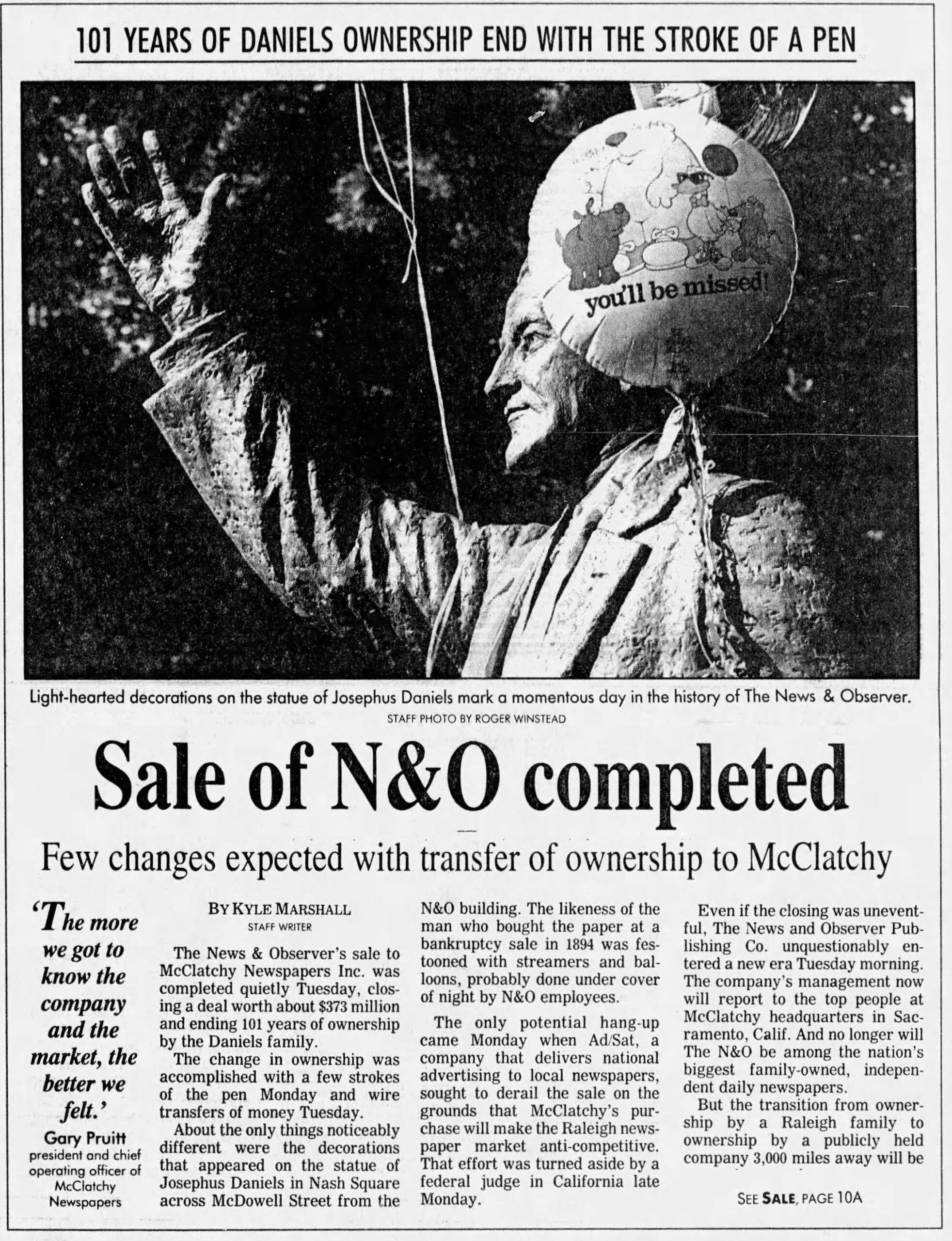
The Raleigh News & Observer · Aug 2, 1995
The Raleigh News & Observer · Jun 1, 1994
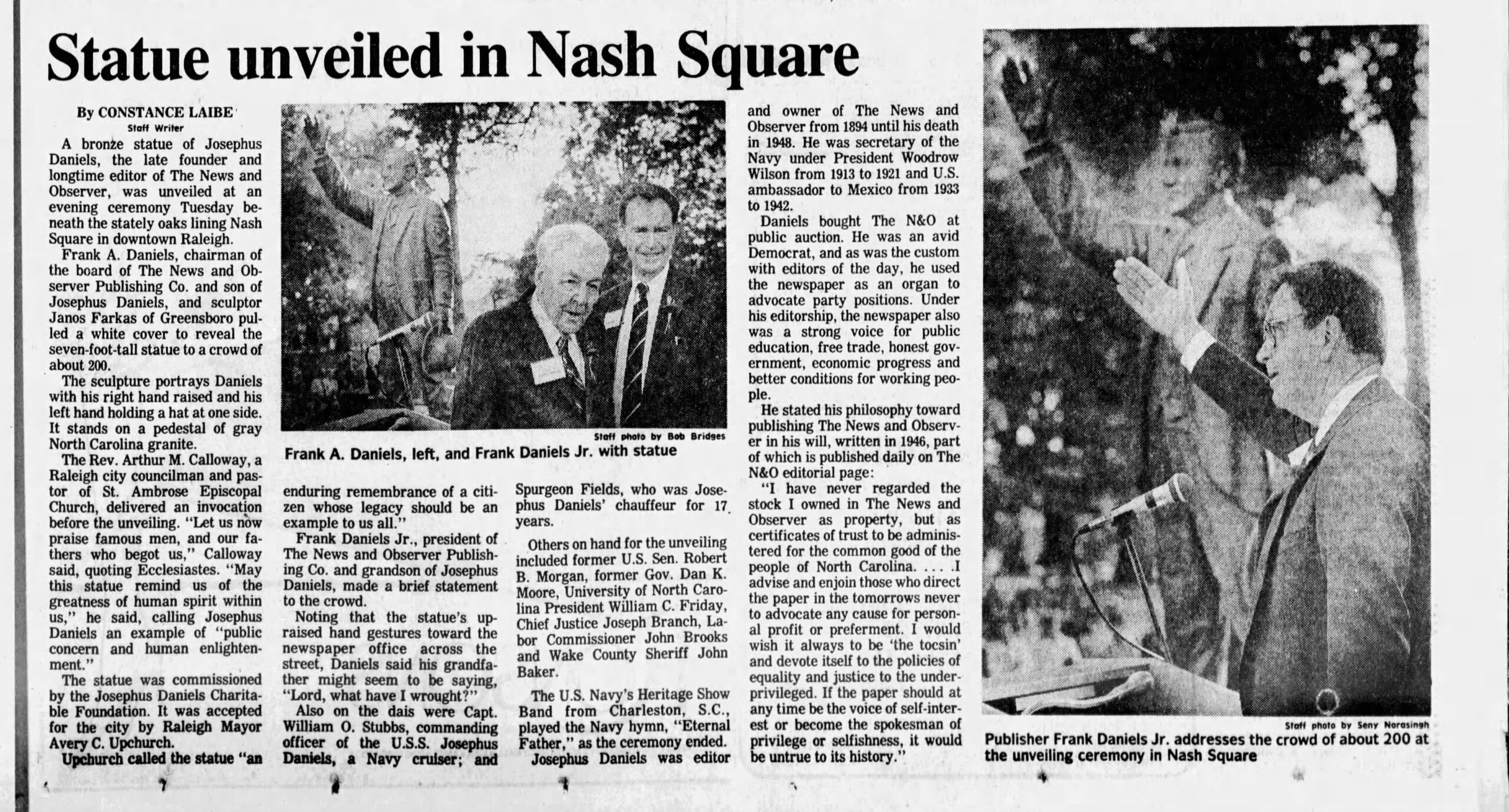
The Raleigh News & Observer · Sep 25, 1985
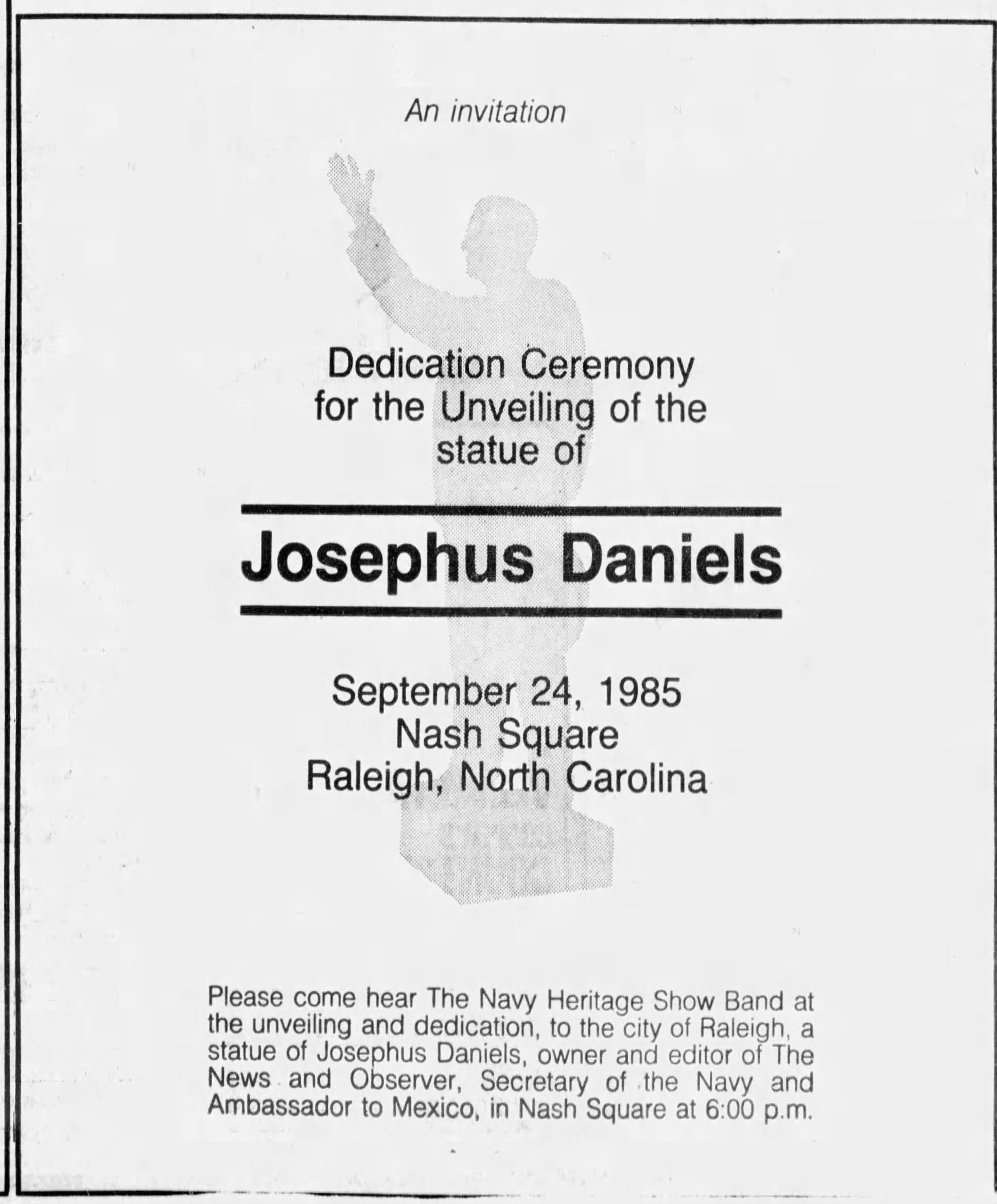
The Raleigh News & Observer · Sep 22, 1985
The Raleigh News & Observer · Jan 13, 1954
The Raleigh News & Observer · Jan 19, 1949
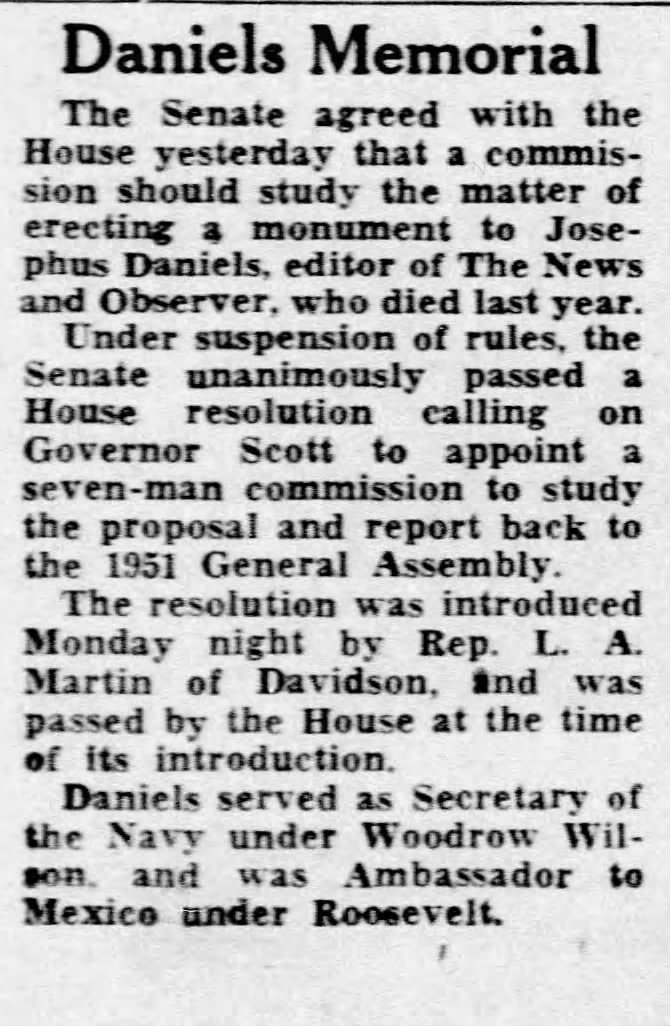
The Raleigh News & Observer · Jan 19, 1949
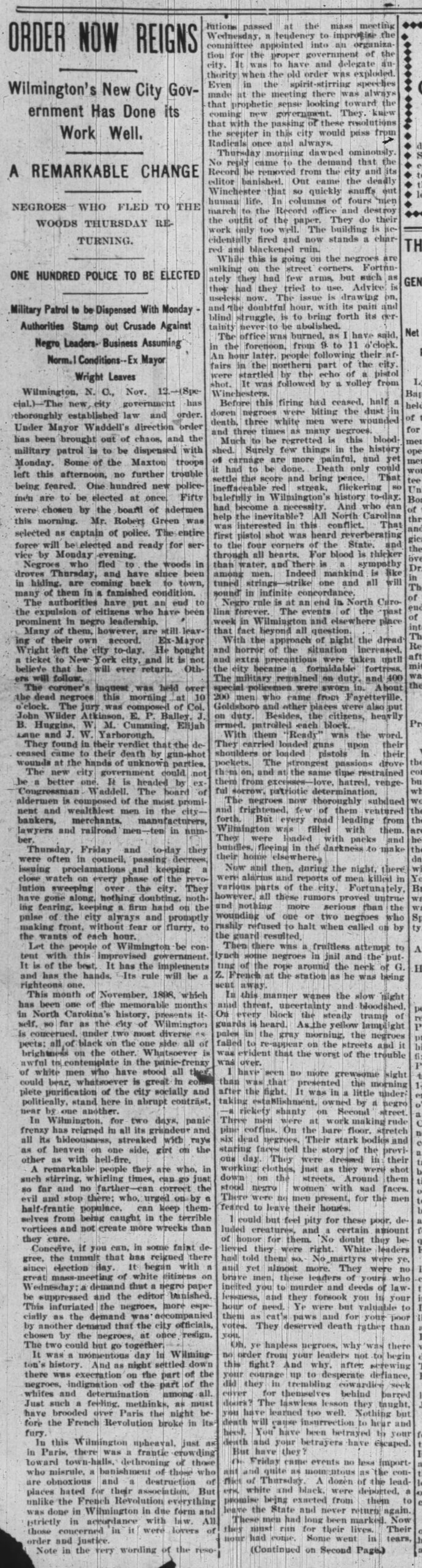
The Raleigh News & Observer · Nov 13, 1898
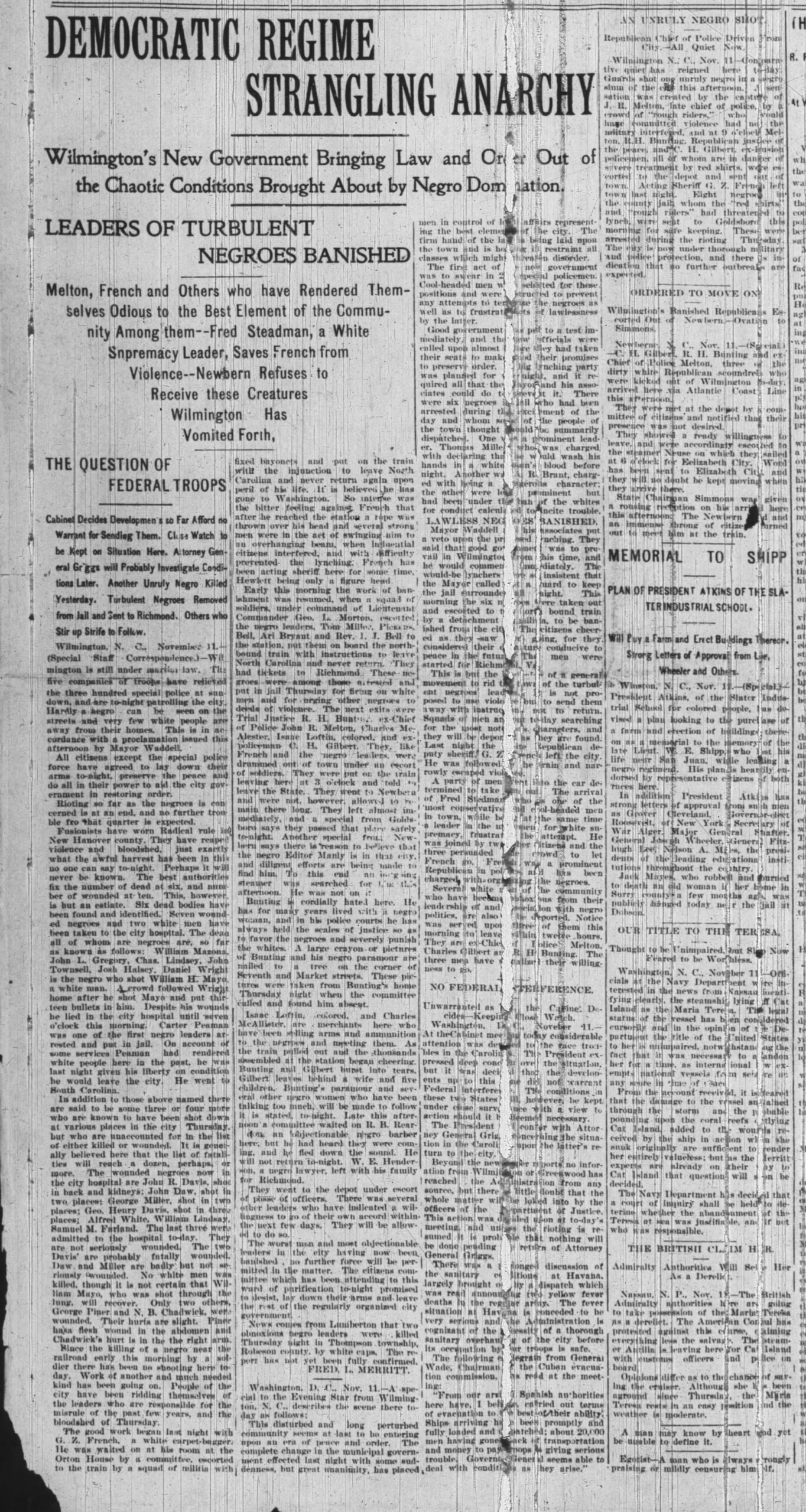
The Raleigh News & Observer · Nov 12, 1898
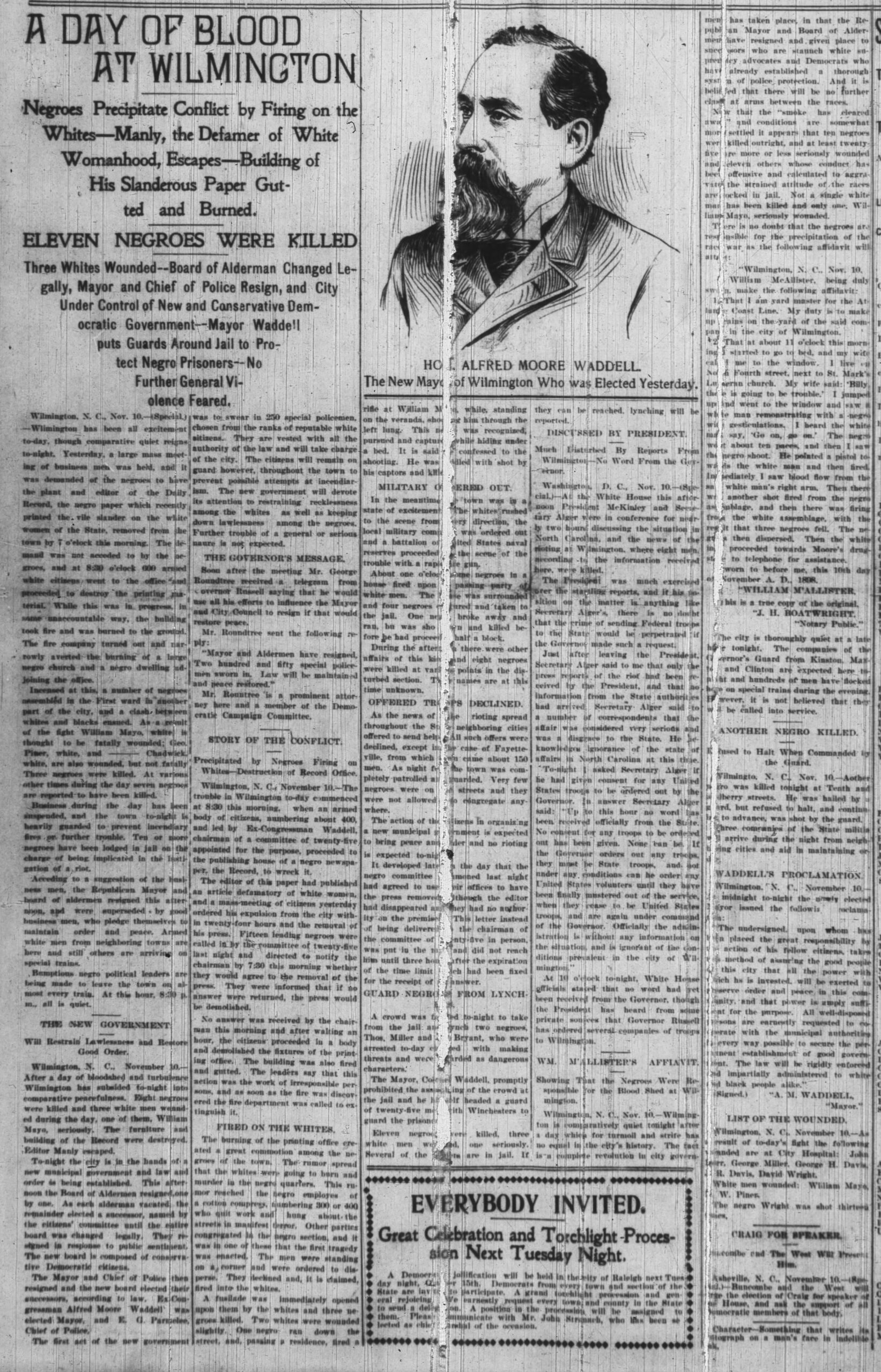
The Raleigh News & Observer · Nov 11, 1898
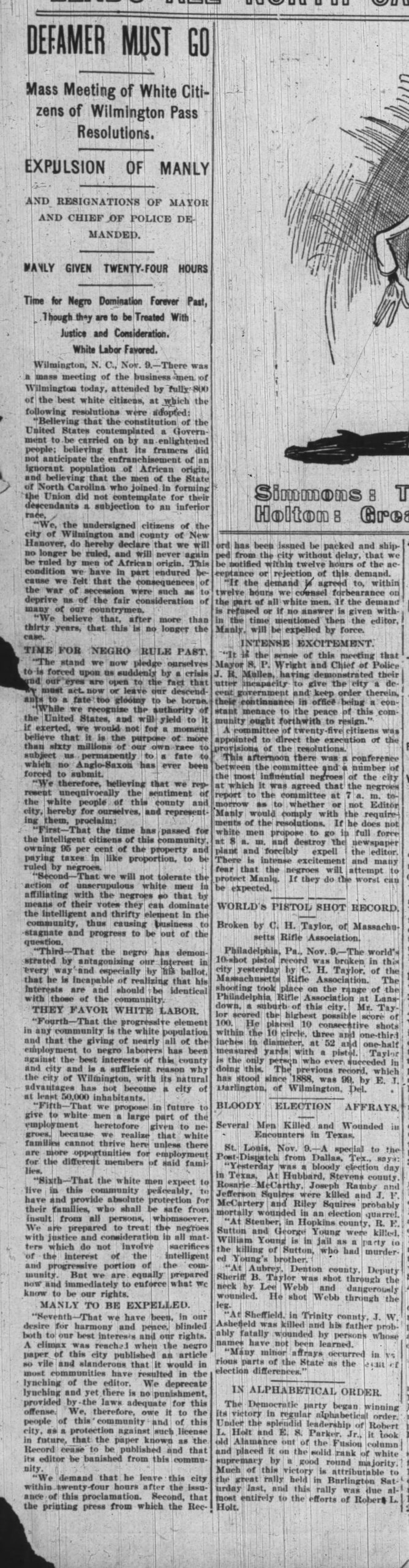
The Raleigh News & Observer · Nov 10, 1898
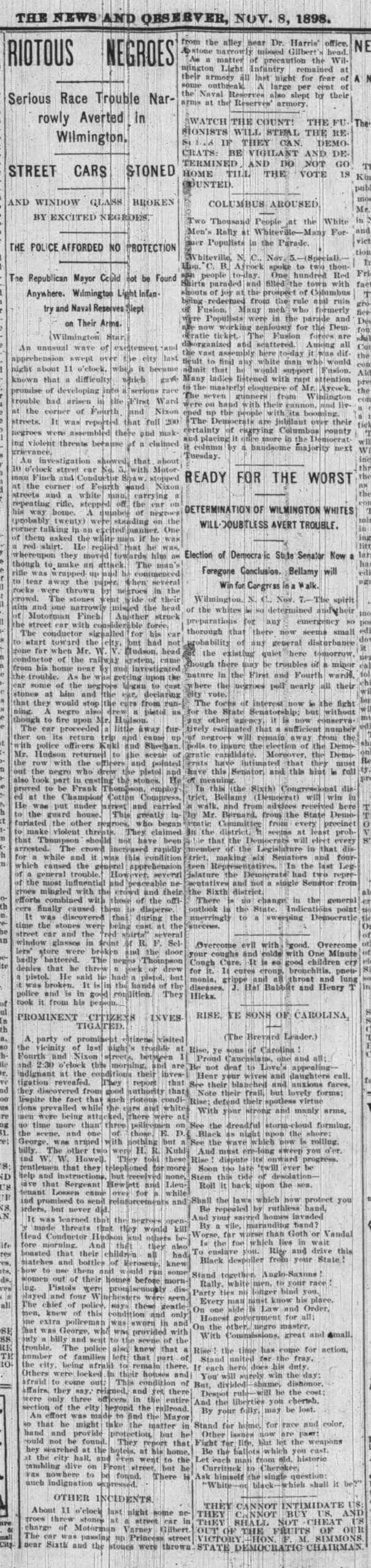
The Raleigh News & Observer · Nov 8, 1898

The Raleigh News & Observer · Nov 6, 1898
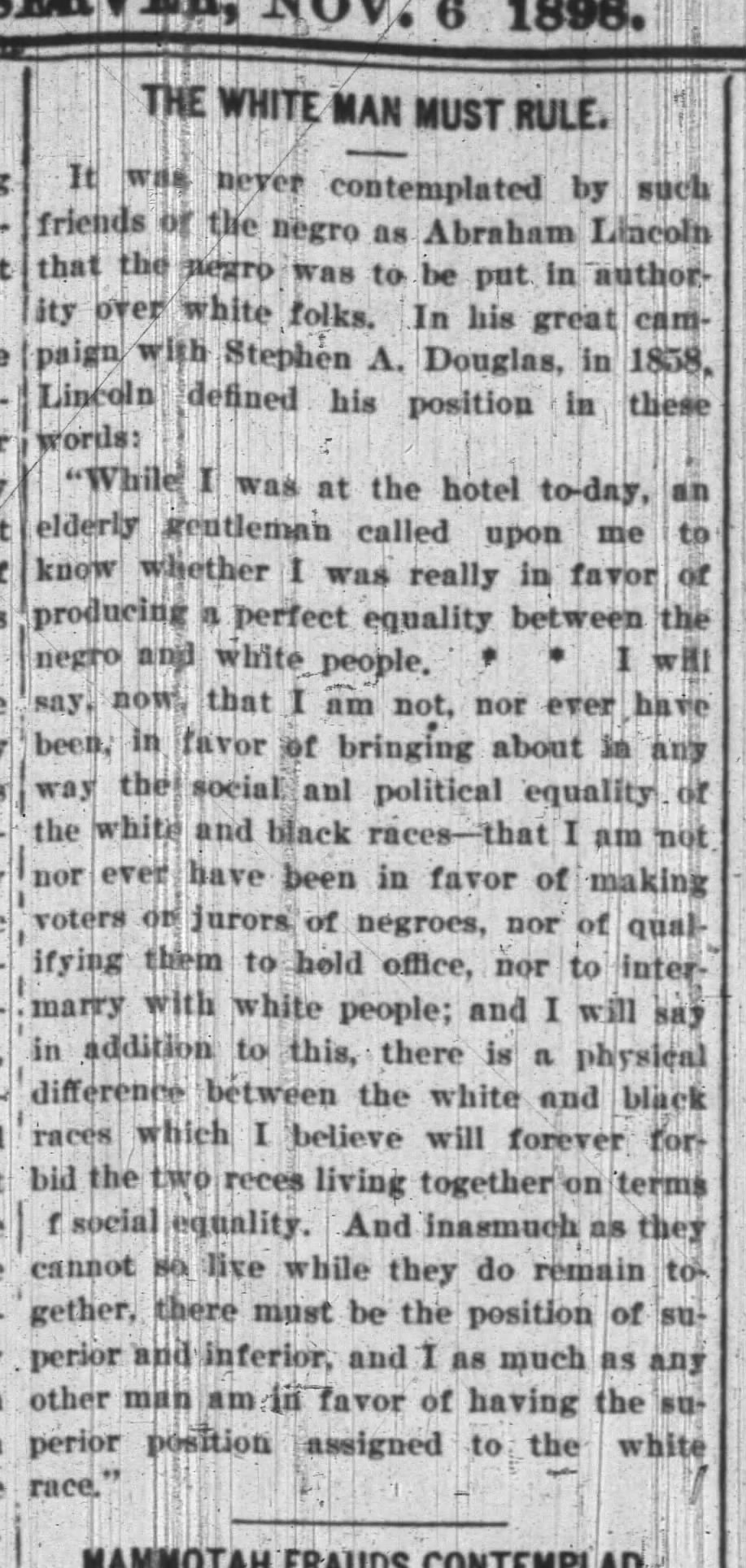
The Raleigh News & Observer · Nov 6, 1898
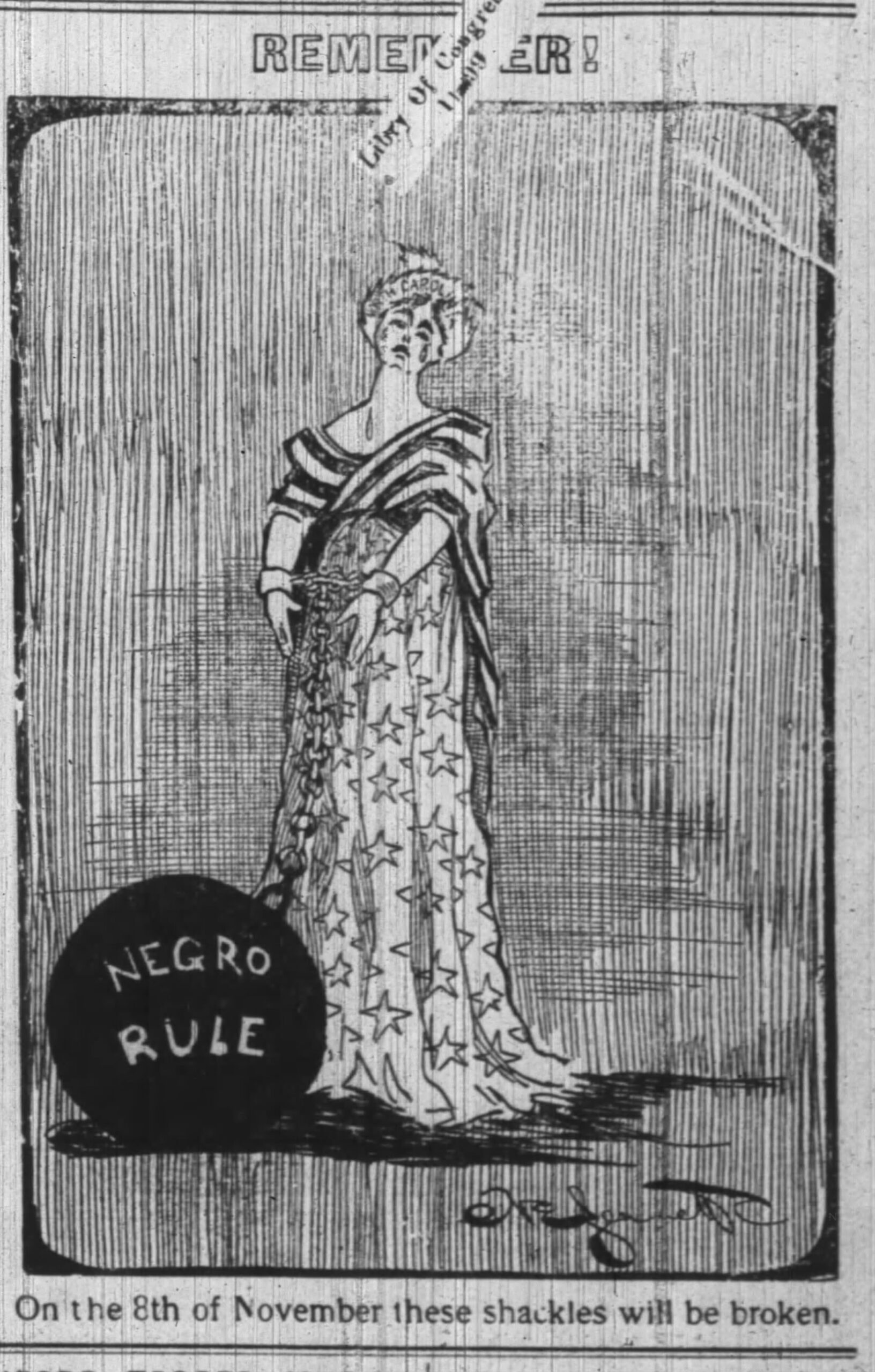
The Raleigh News & Observer · Nov 3, 1898

The Raleigh News & Observer · Nov 6, 1898
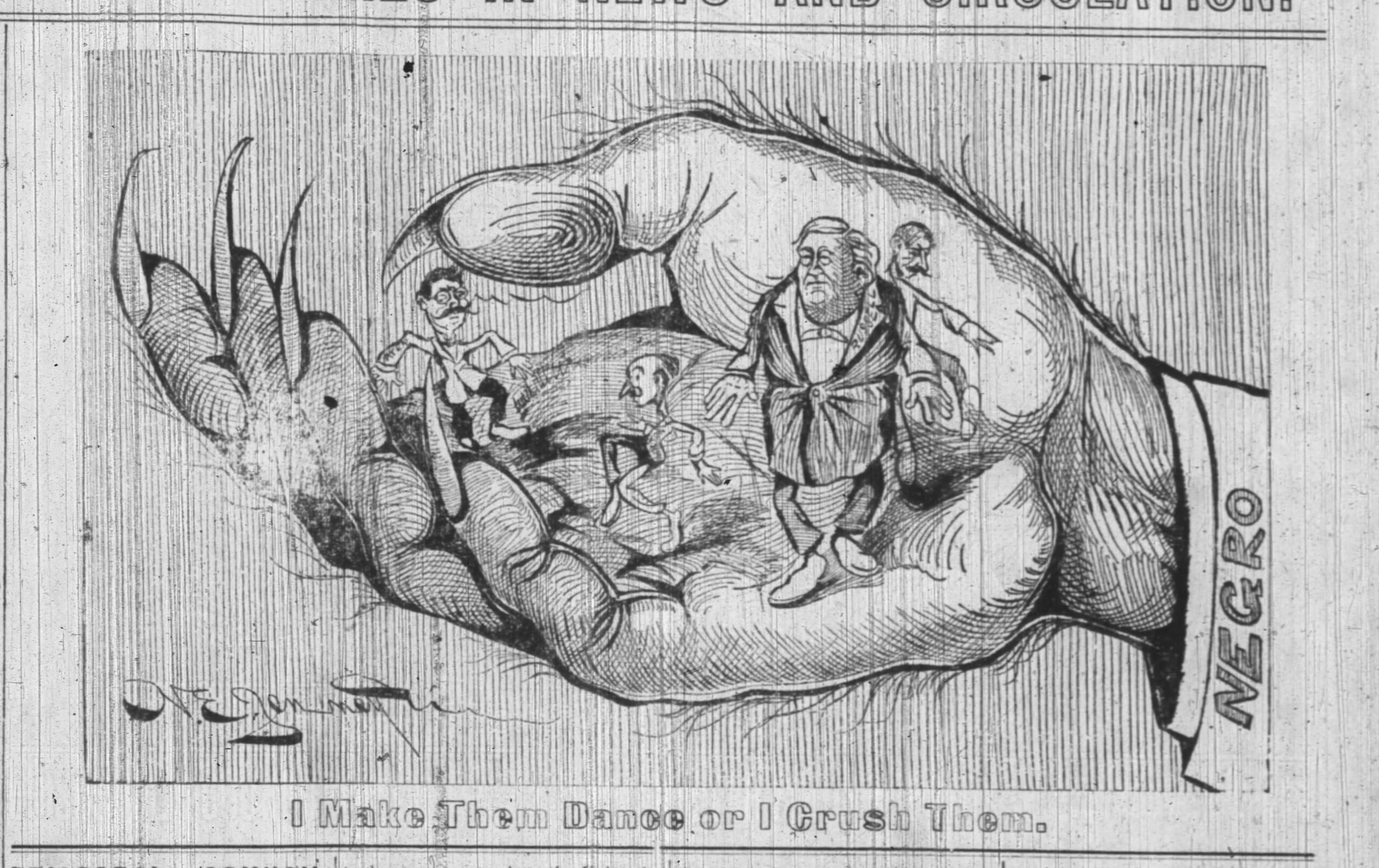
The Raleigh News & Observer · Oct 12, 1898
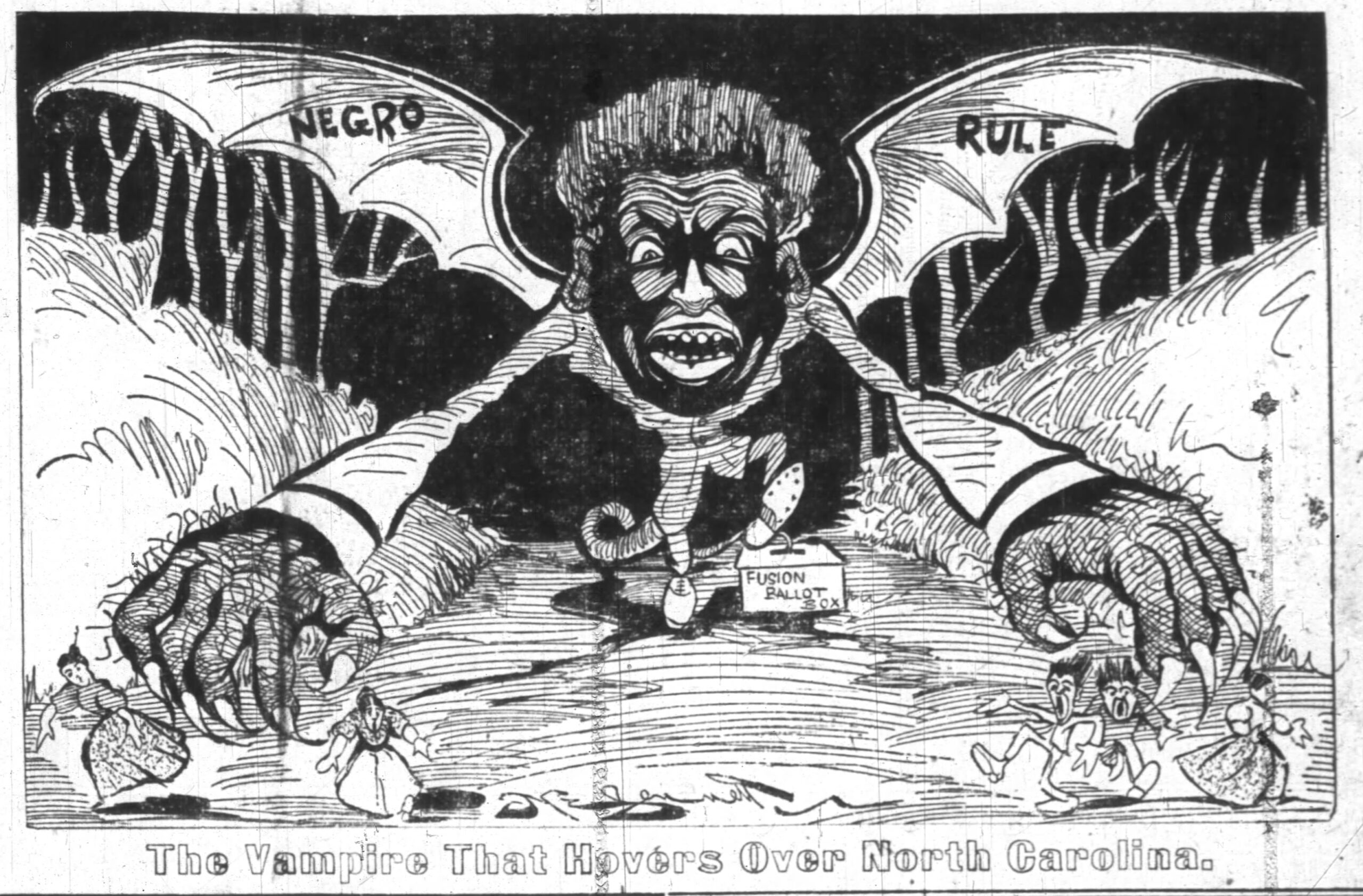
The Raleigh News & Observer · Sep 27, 1898
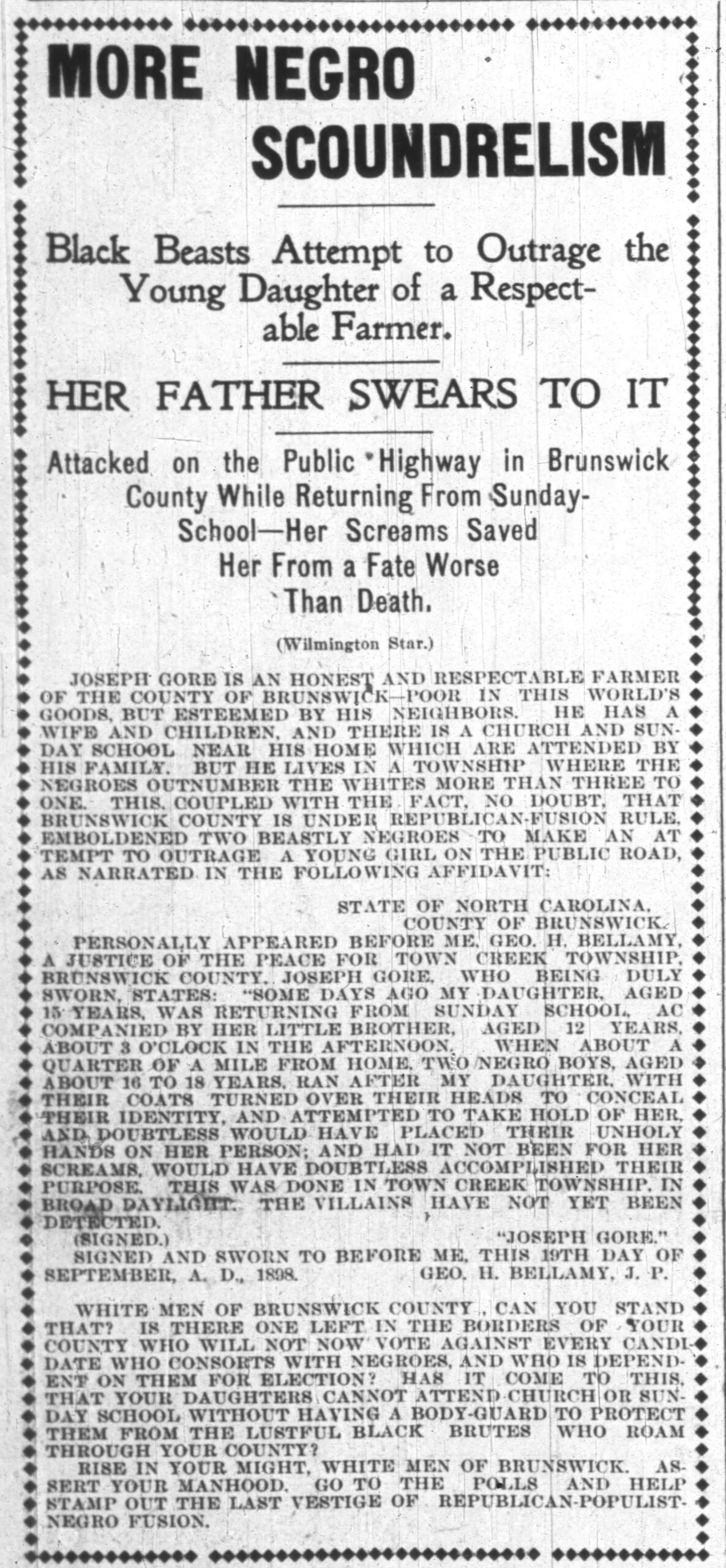
The Raleigh News & Observer · Sep 23, 1898
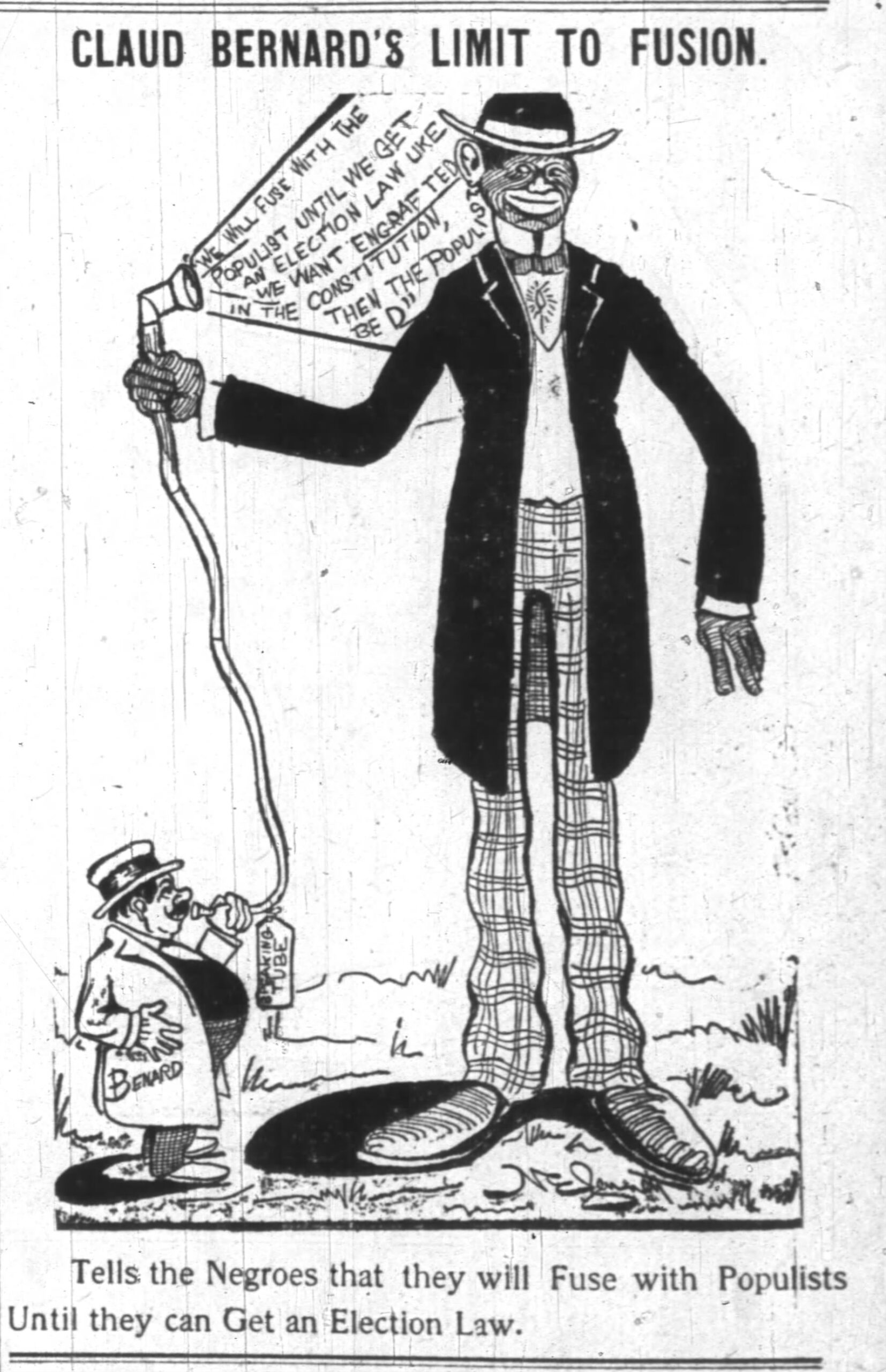
The Raleigh News & Observer · Sep 23, 1898
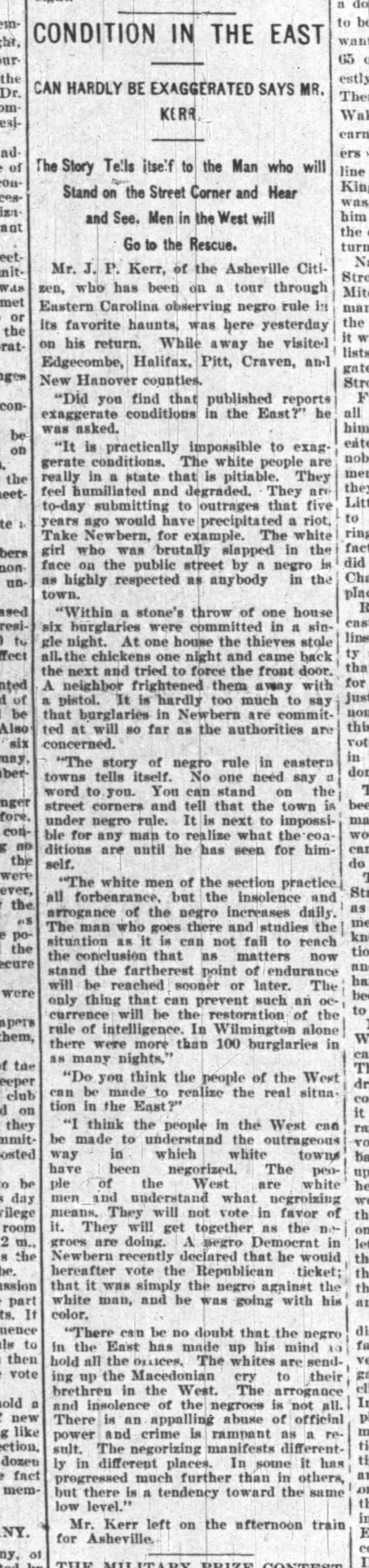
The Raleigh News & Observer · Sep 10, 1898

The Raleigh News & Observer · Sep 8, 1898
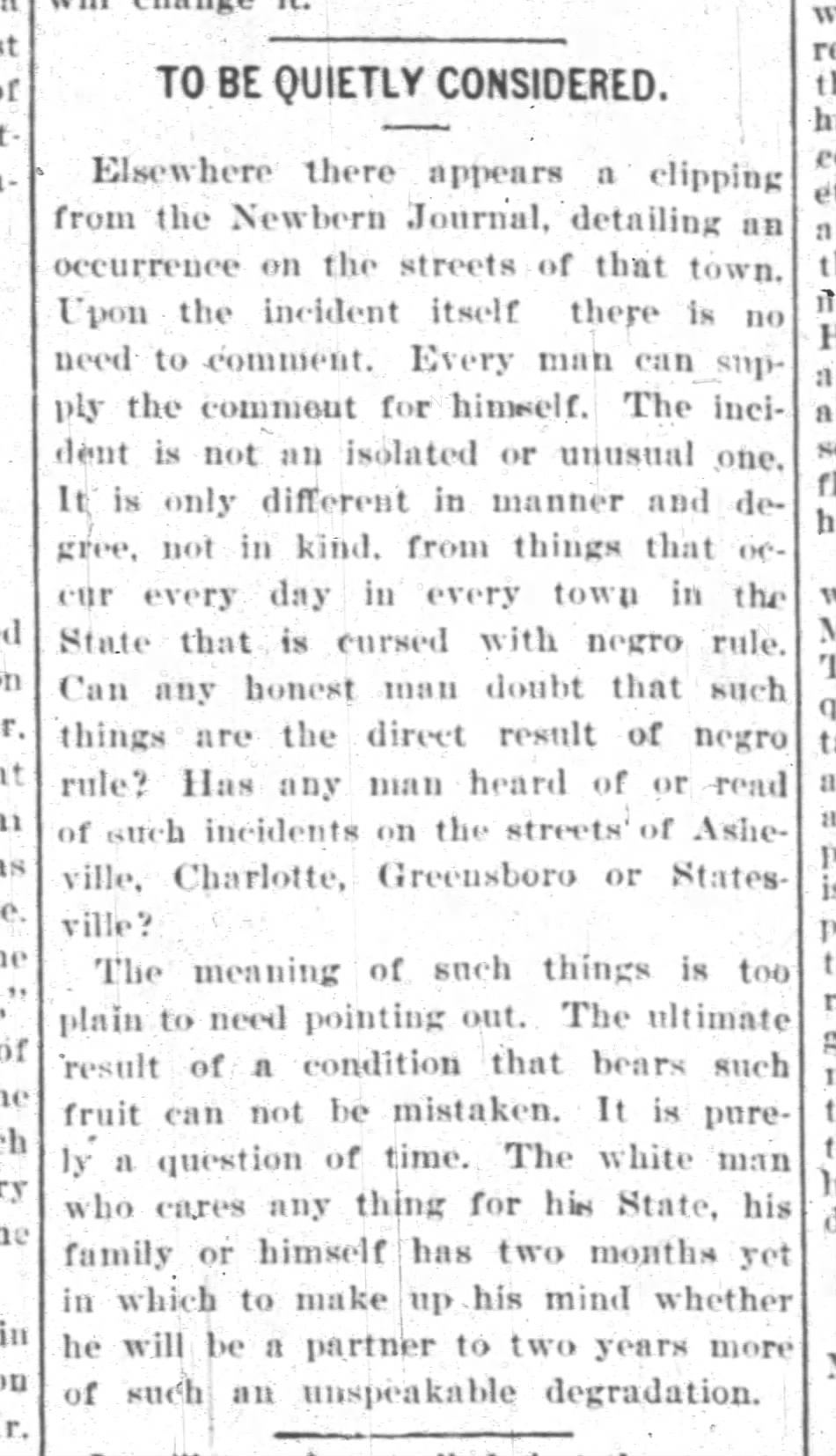
The Raleigh News & Observer · Sep 8, 1898
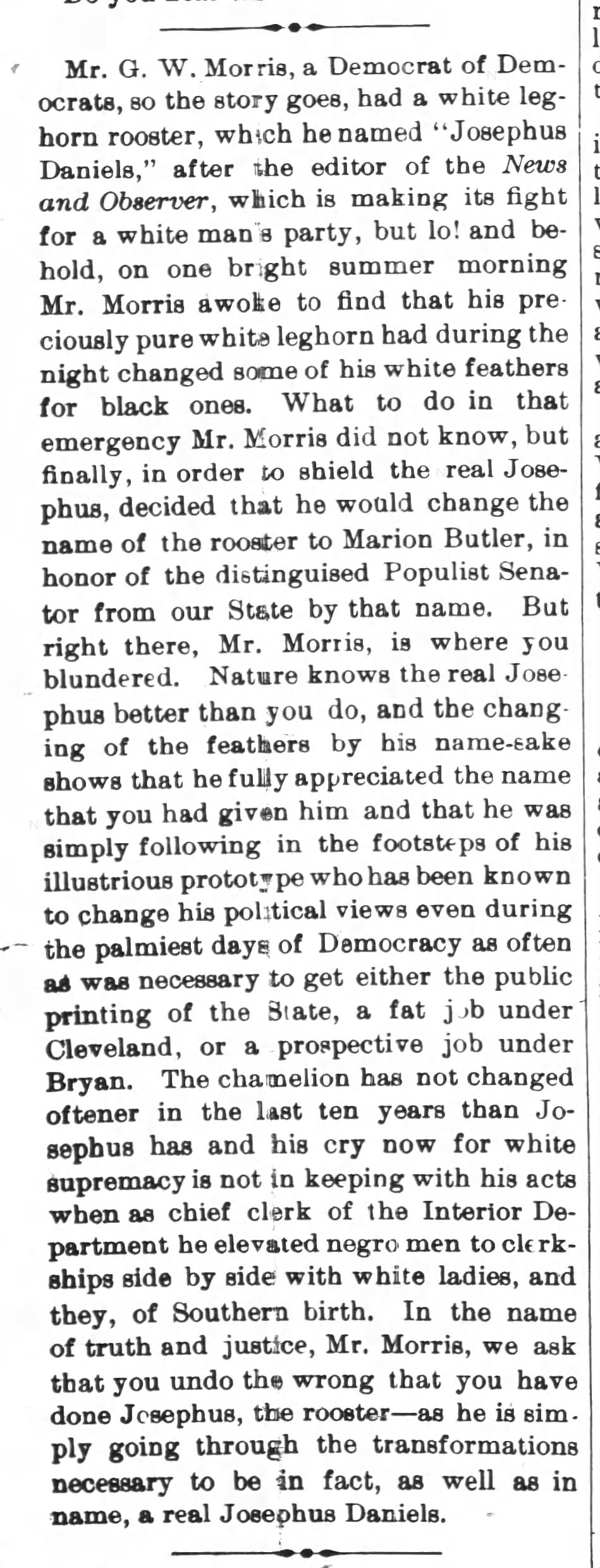
The Gazette (Raleigh, NC) · Oct 16, 1897
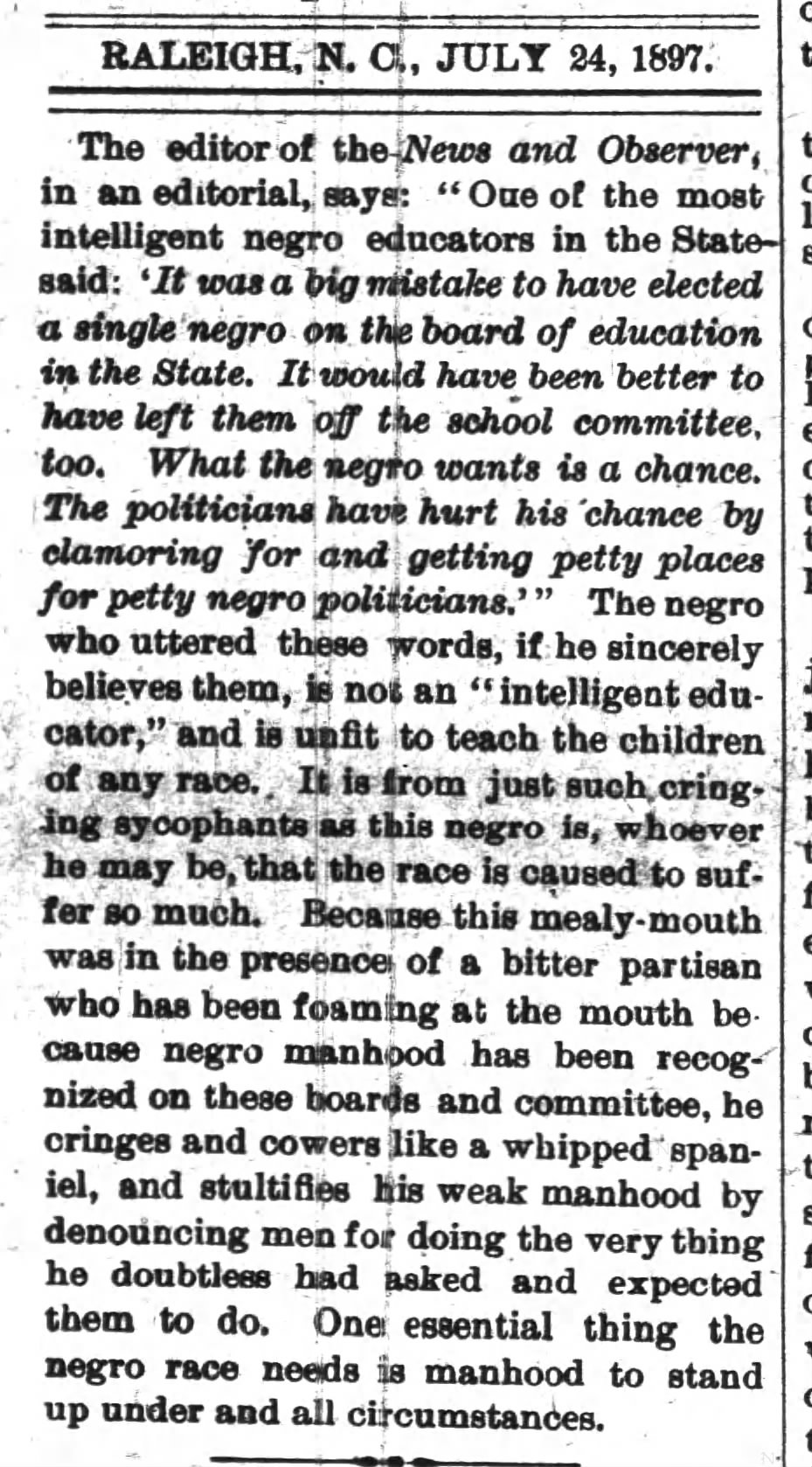
The Gazette (Raleigh, NC) · Jul 24, 1897
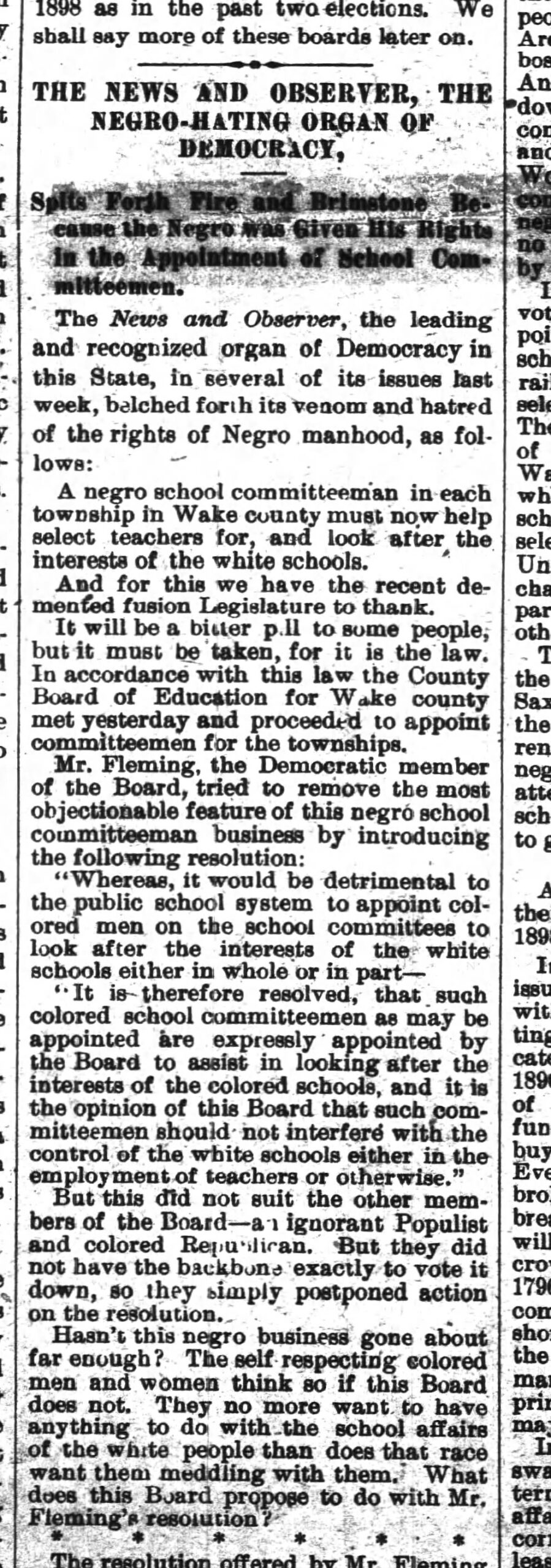
The Gazette (Raleigh, NC) · Jul 24, 1897
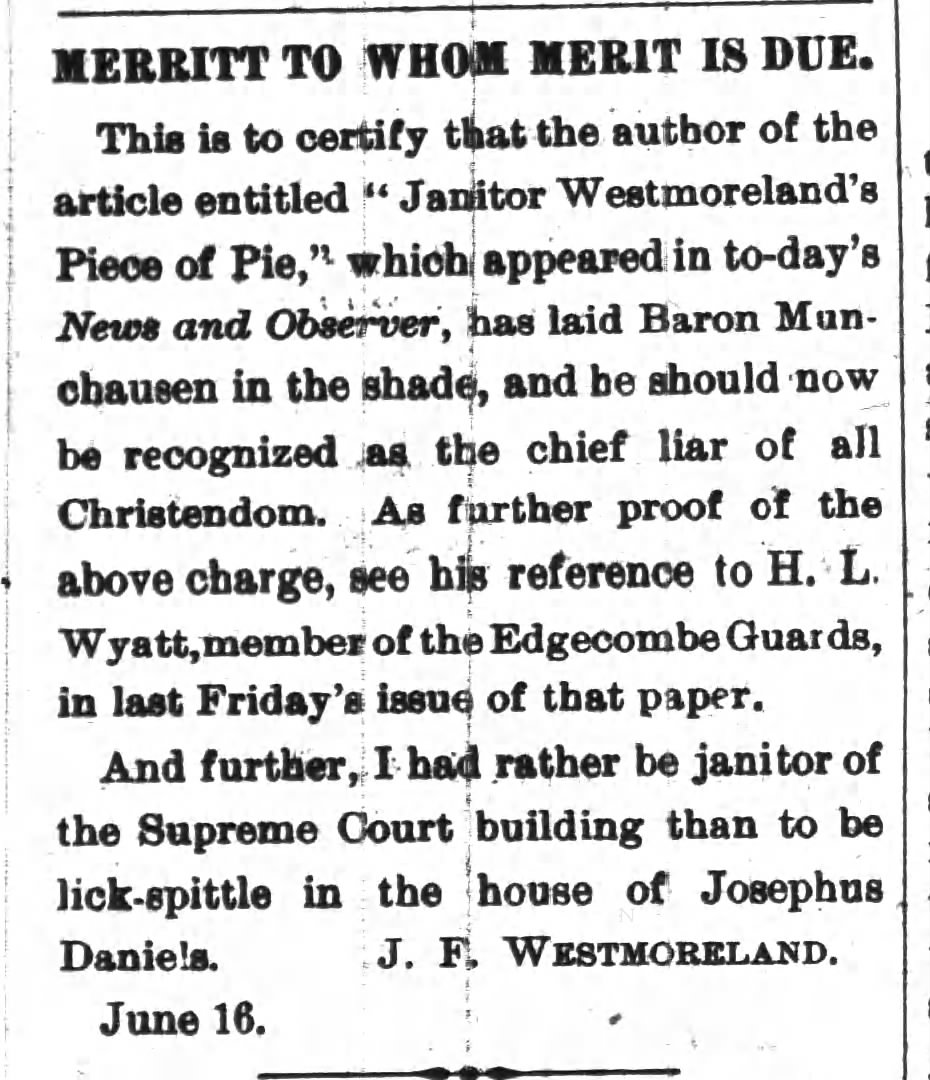
The Gazette (Raleigh, NC) · Jun 19, 1897
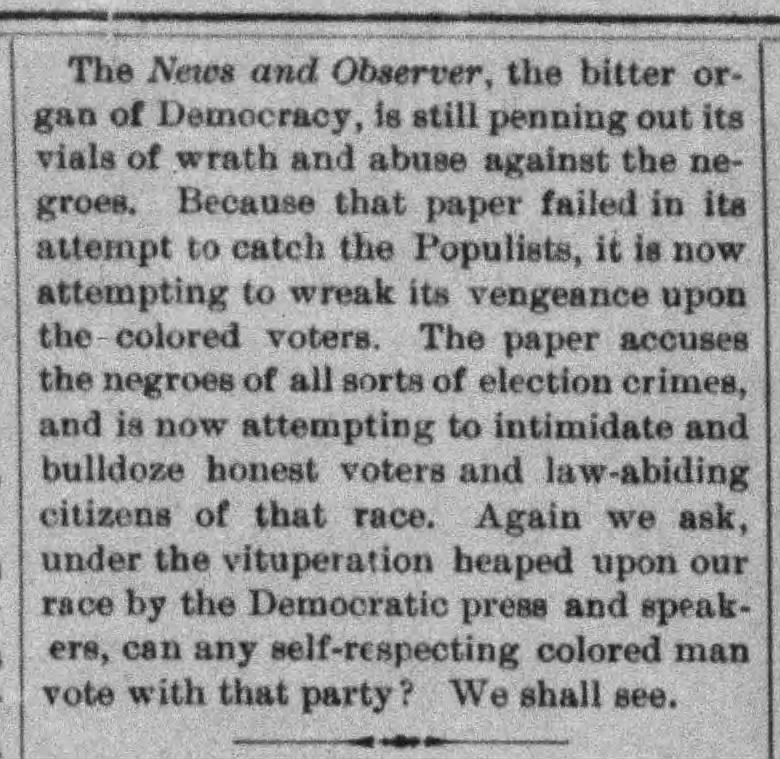
The Gazette (Raleigh, NC) · Oct 31, 1896
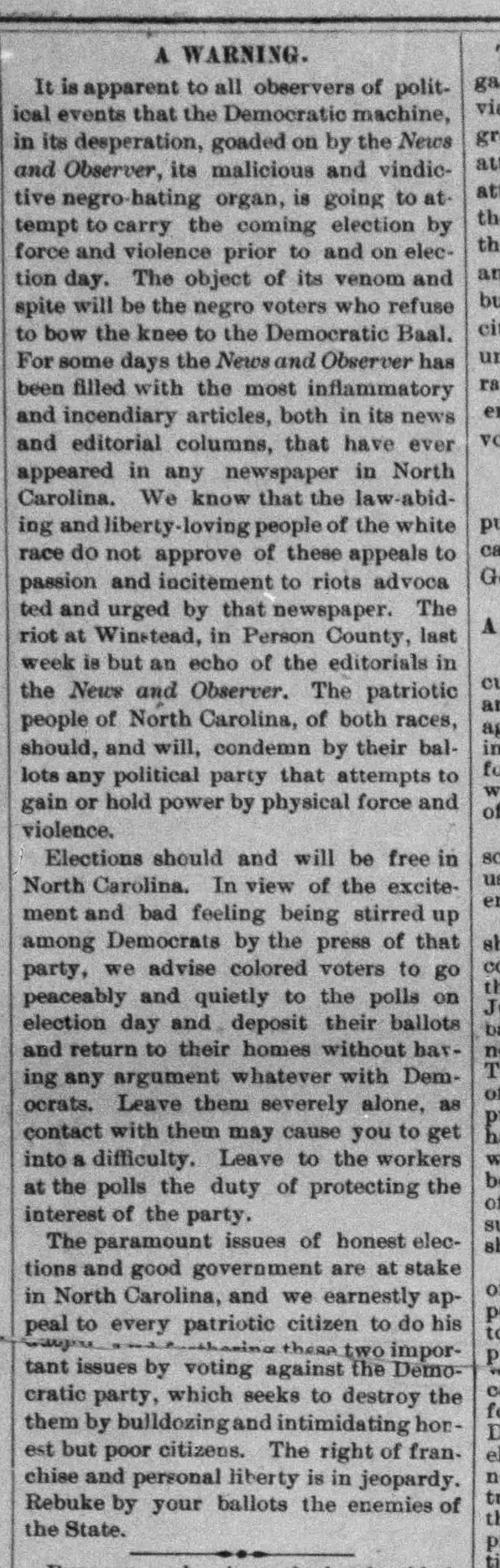
The Gazette (Raleigh, NC) · Oct 31, 1896
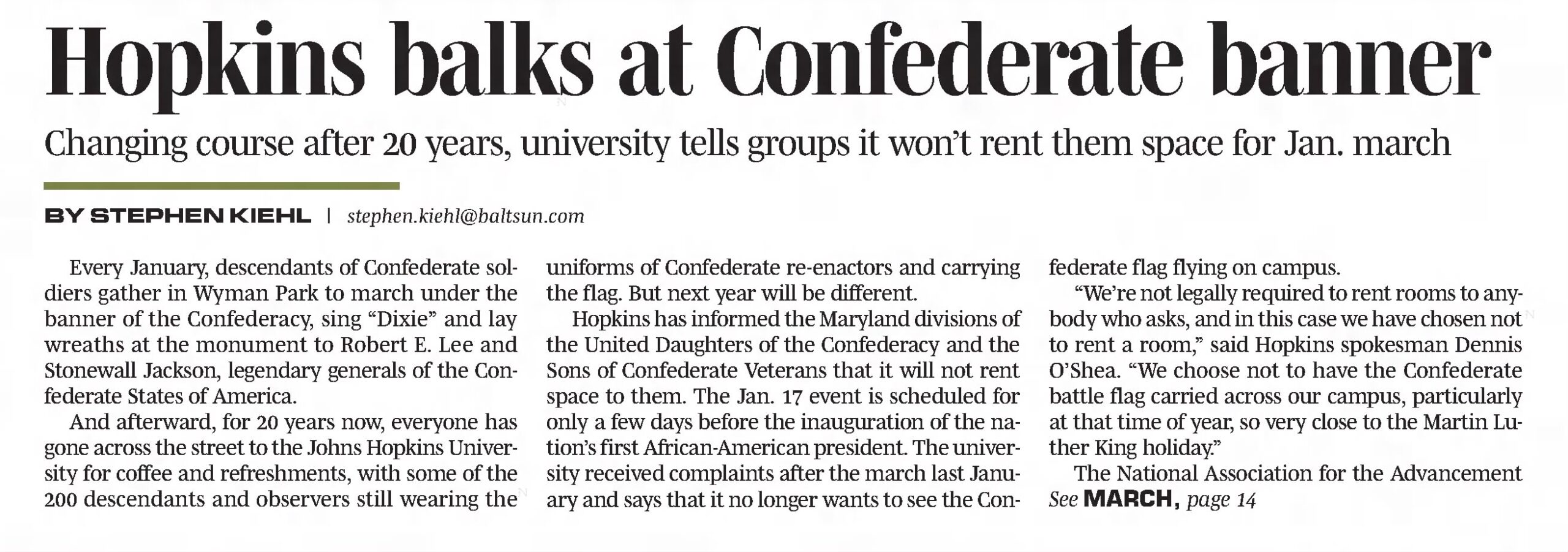
The Baltimore Sun · Nov 20, 2008
The Baltimore Sun · Jul 23, 2007
The Baltimore Sun · Dec 5, 2001
The Baltimore Sun · Aug 25, 2001
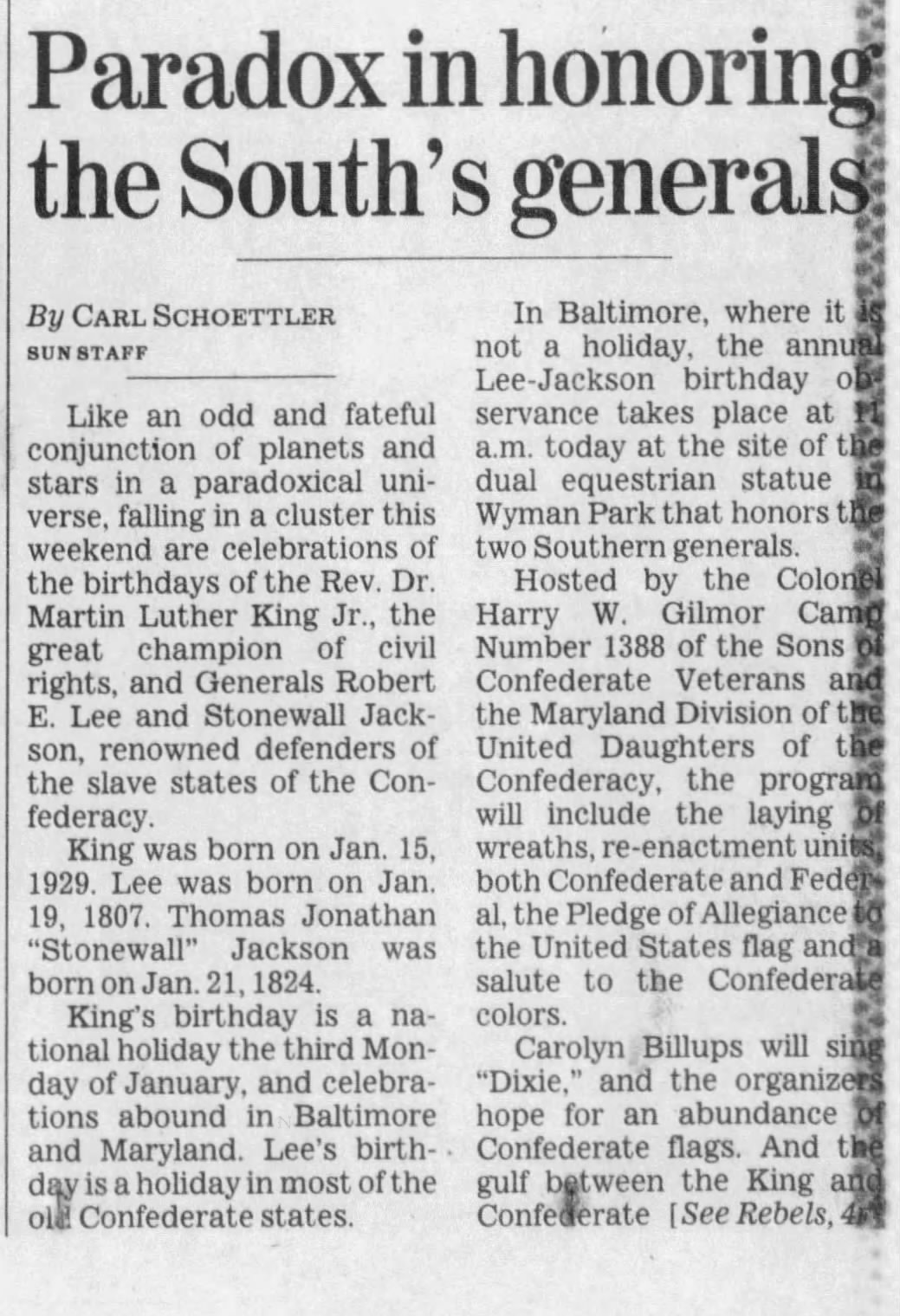
The Baltimore Sun · Jan 15, 2000
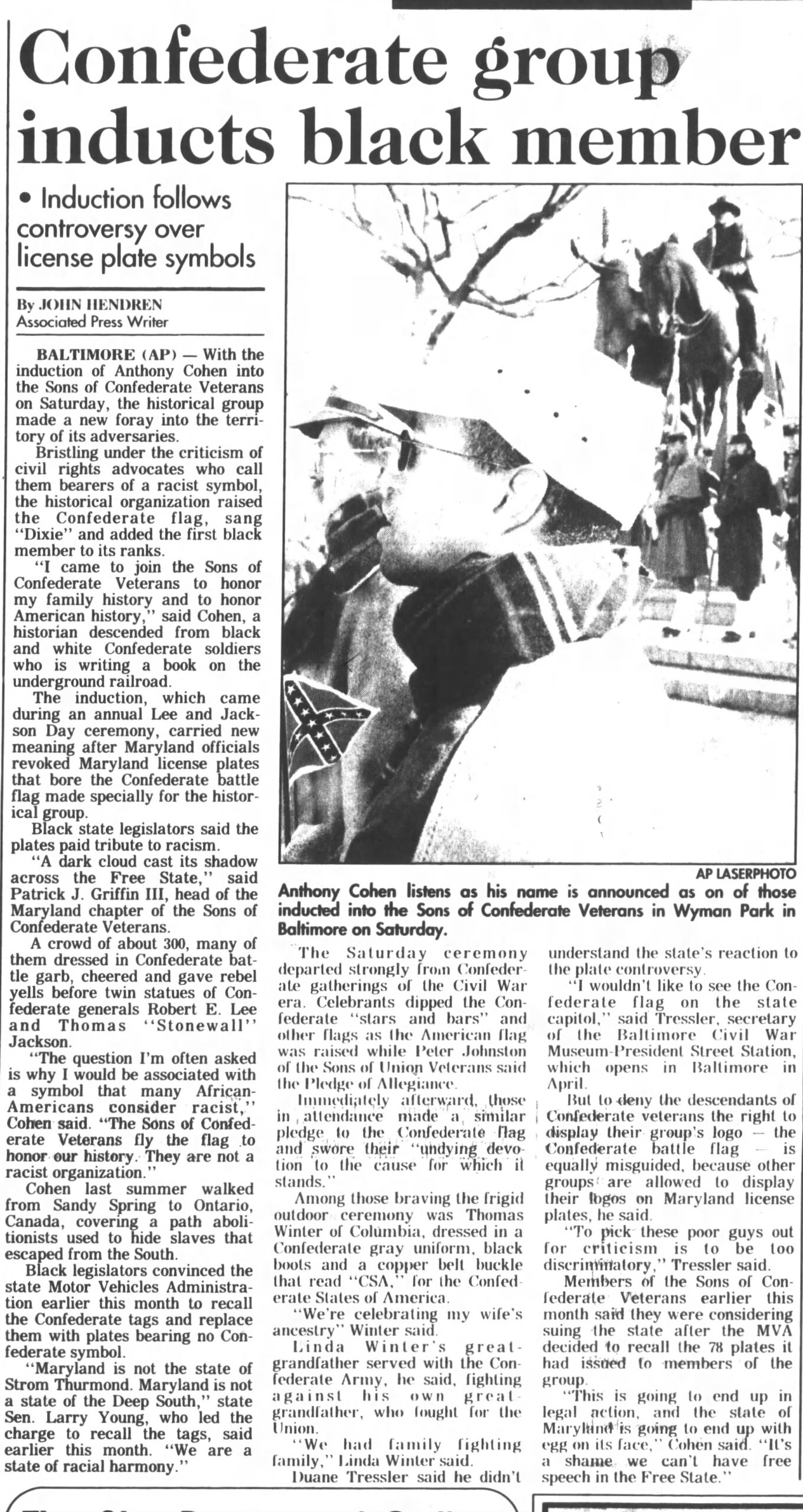
The Star-Democrat (Easton, MD) · Jan 19, 1997
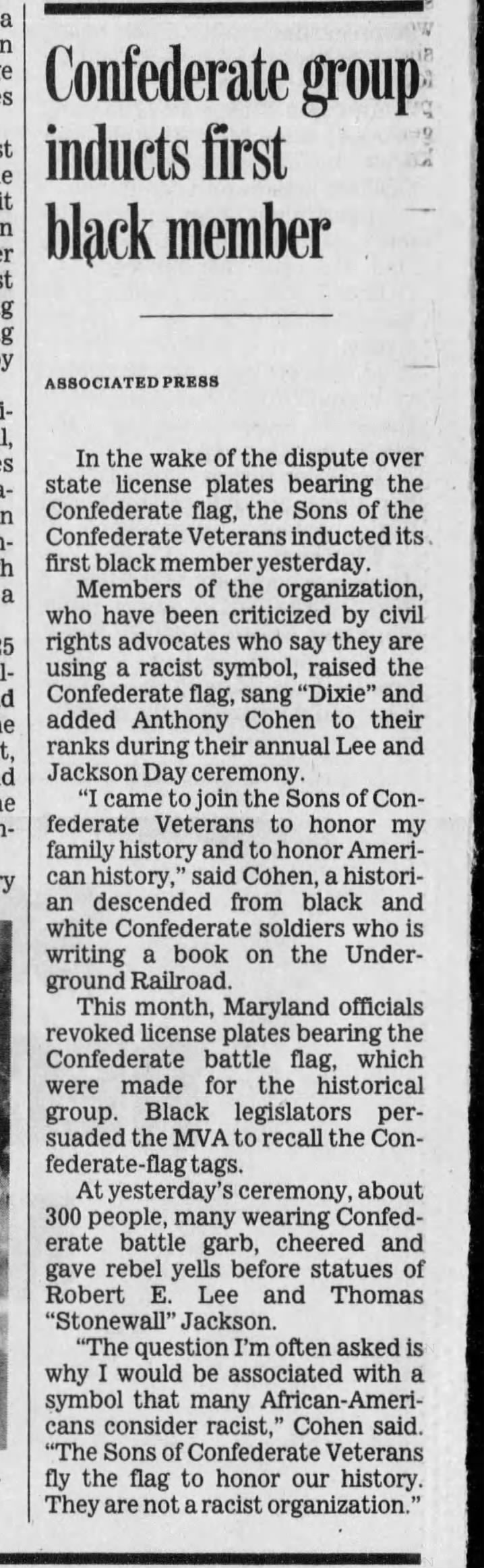
The Baltimore Sun · Jan 19, 1997
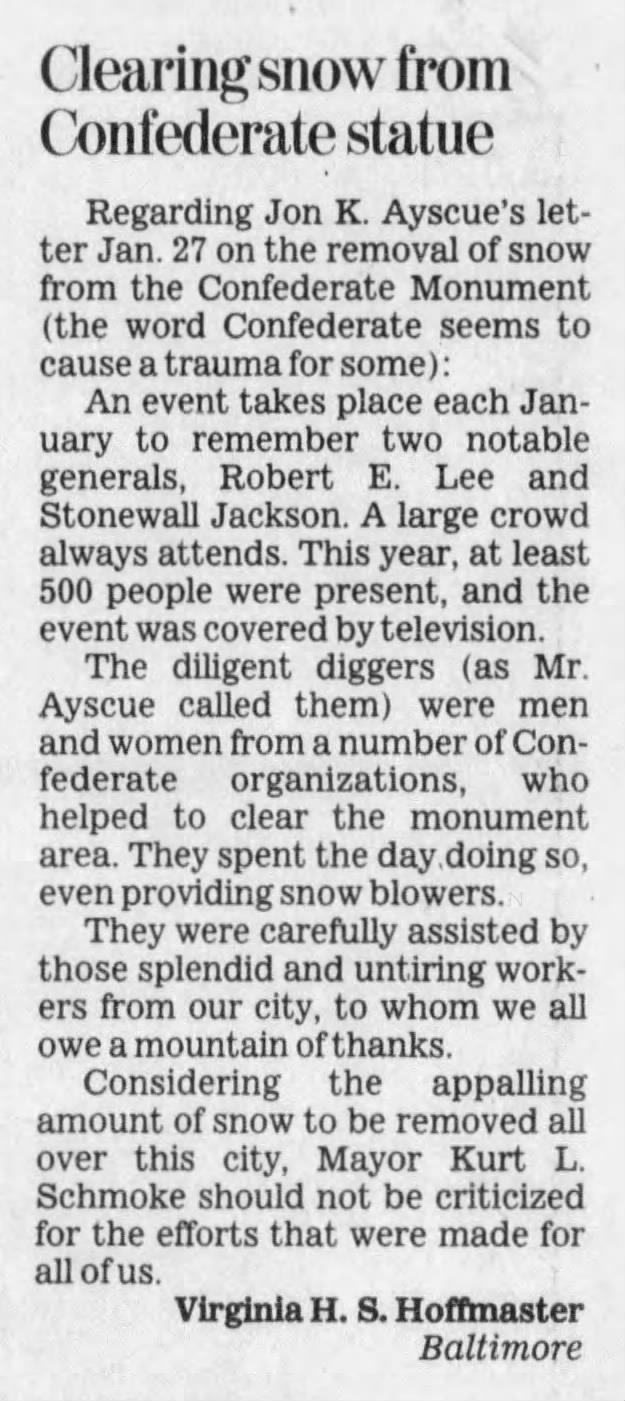
The Baltimore Sun · Feb 8, 1996
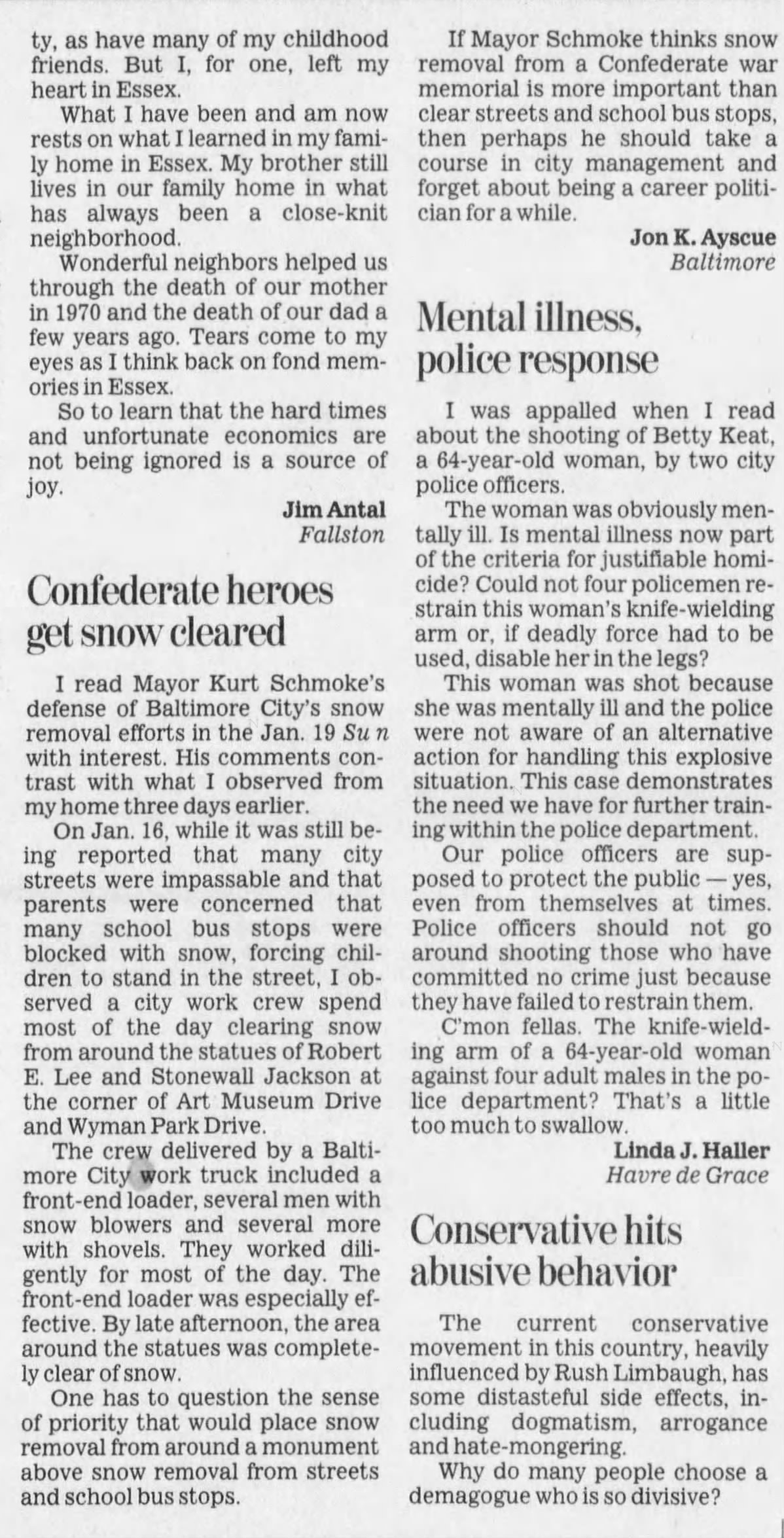
The Baltimore Sun · Jan 27, 1996
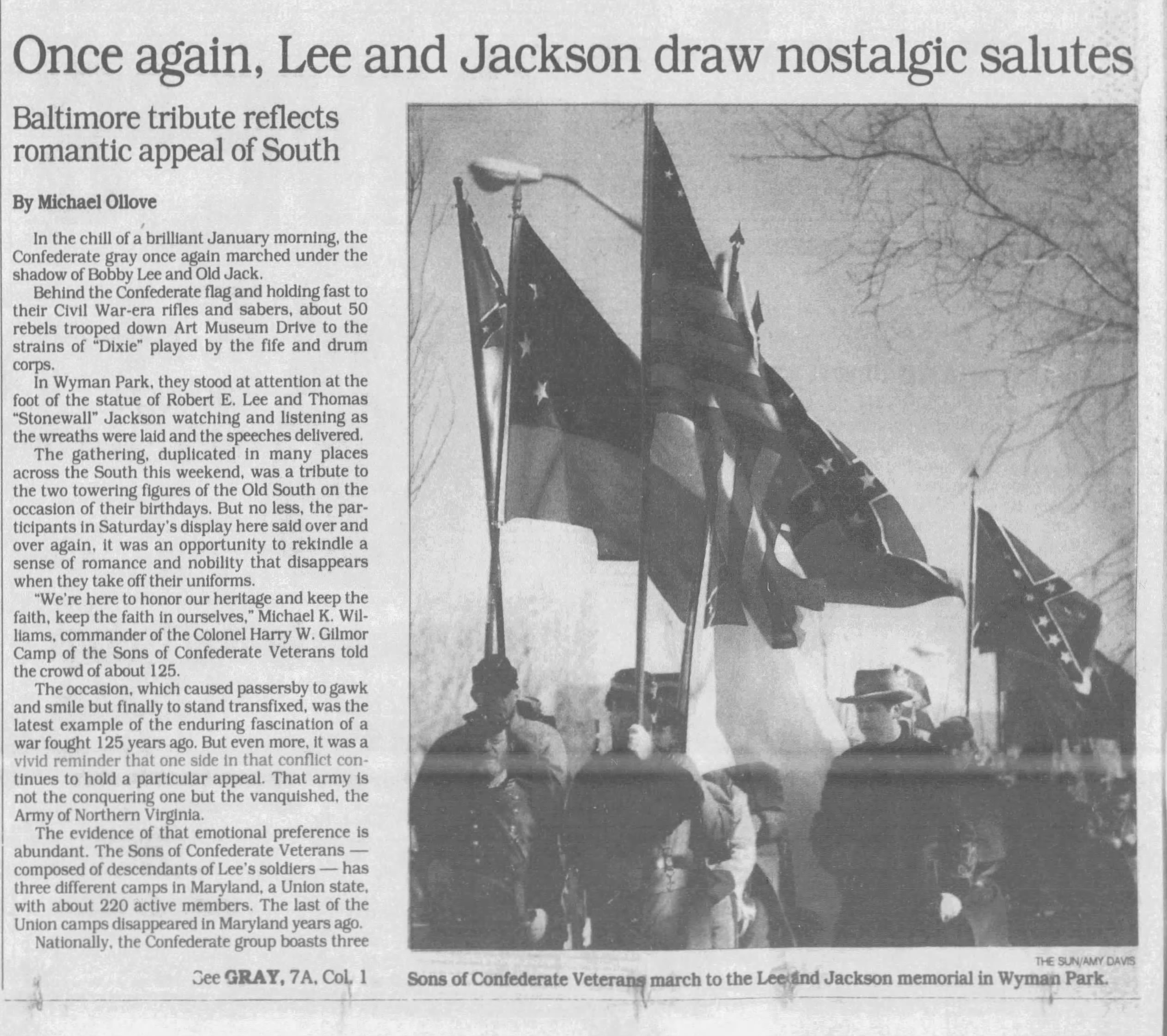
The Baltimore Sun · Jan 23, 1989
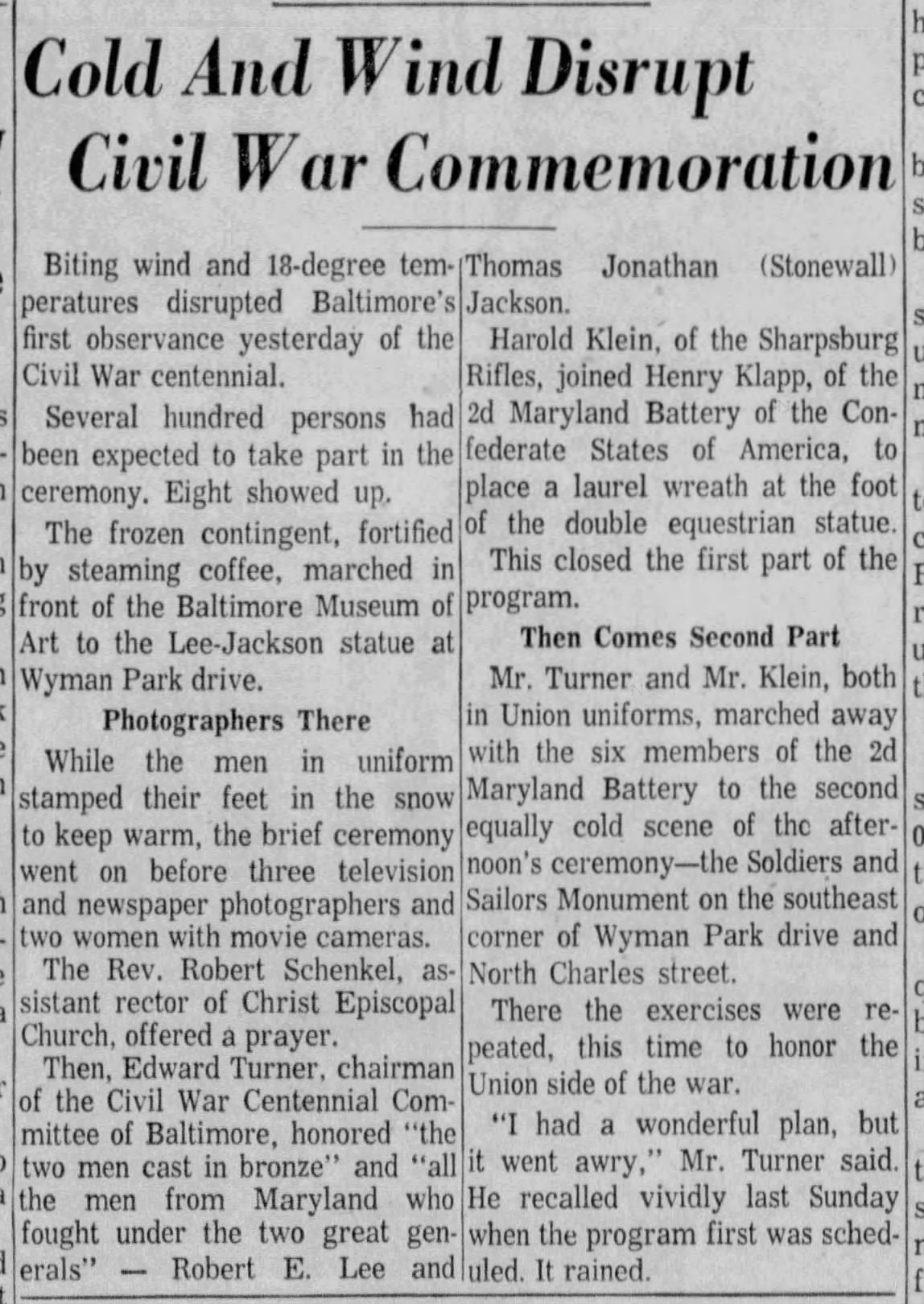
The Baltimore Sun · Jan 23, 1961
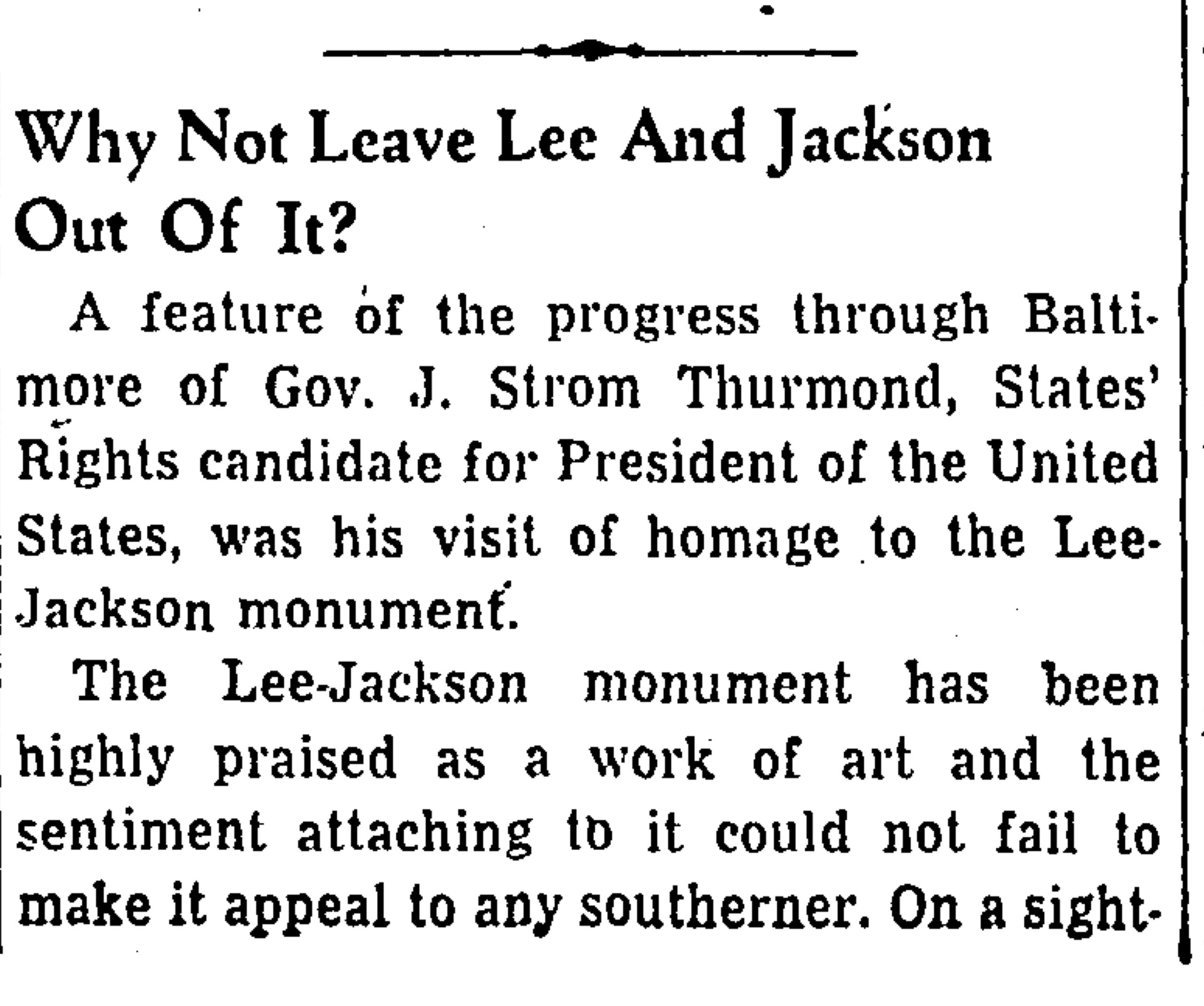
The Baltimore Sun · Oct 2, 1948
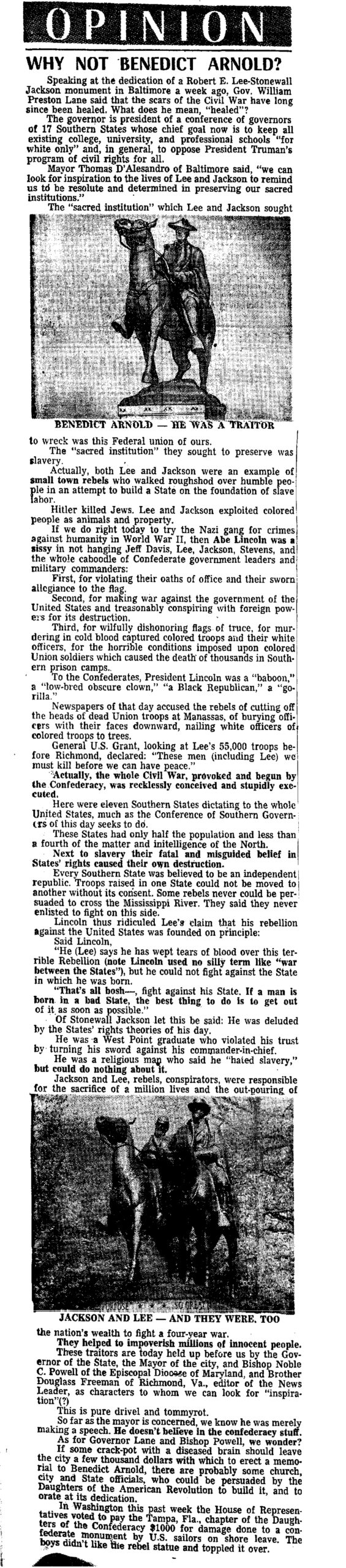
The Afro American · May 15, 1948
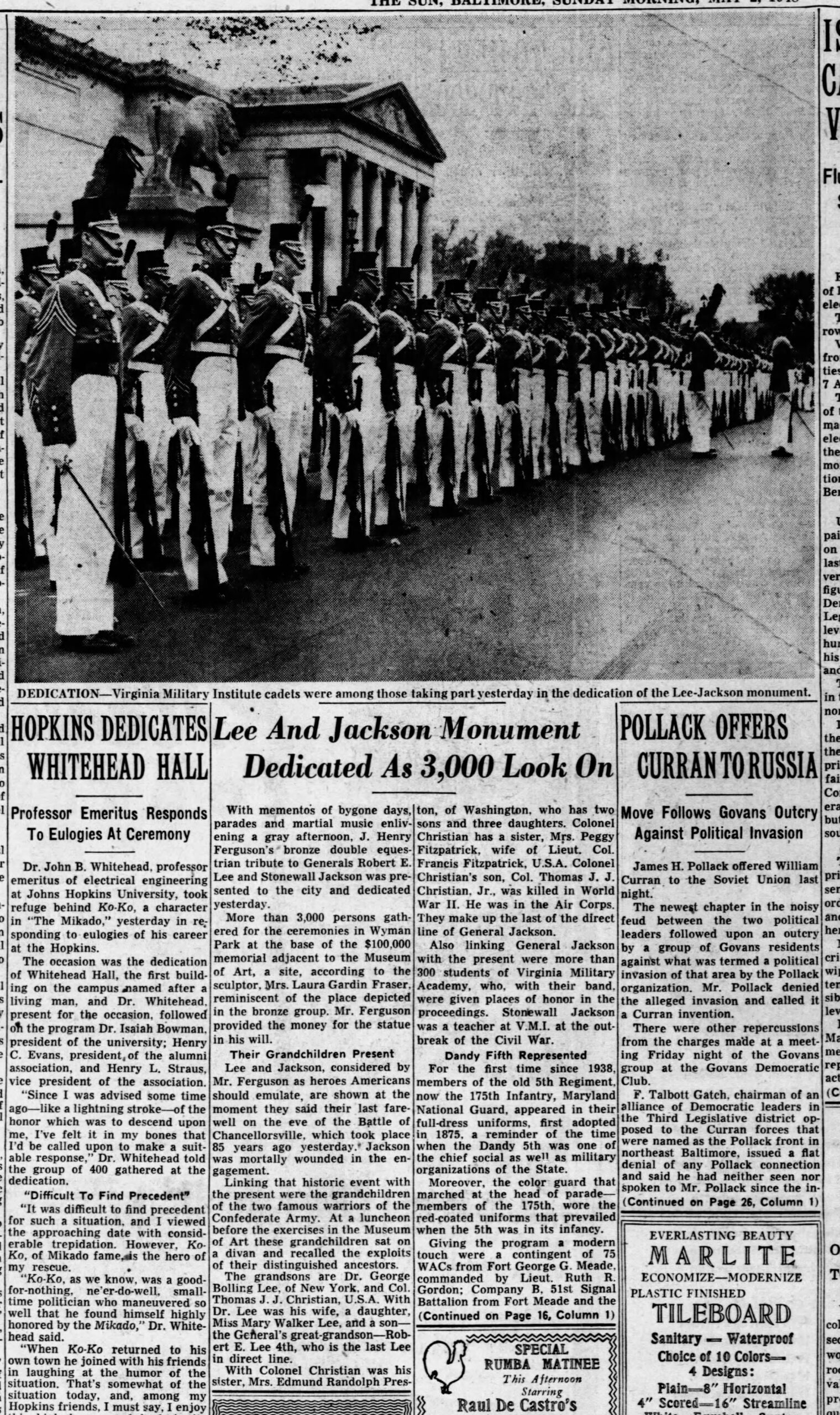
The Baltimore Sun · May 2, 1948
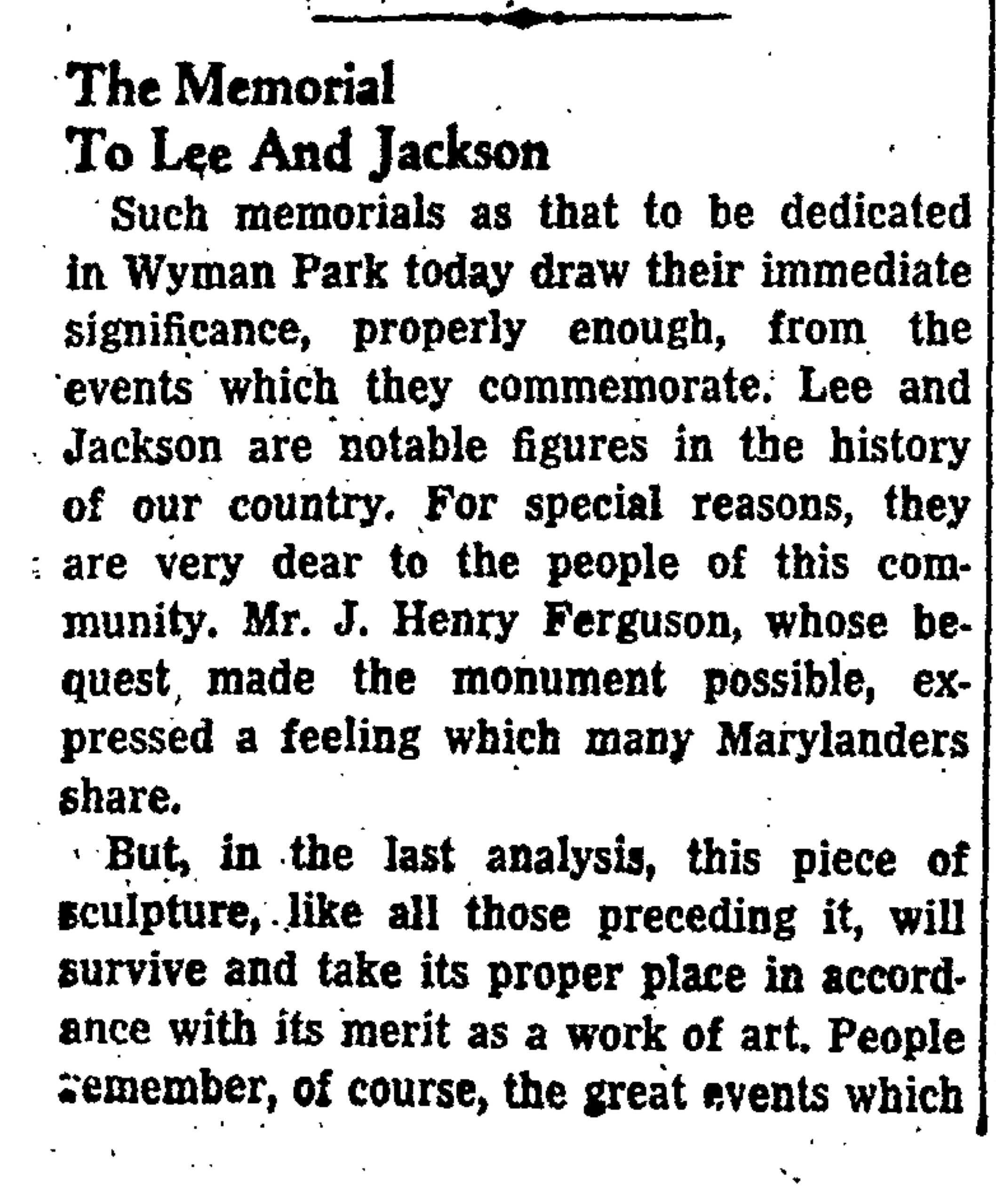
The Baltimore Sun · May 1, 1948
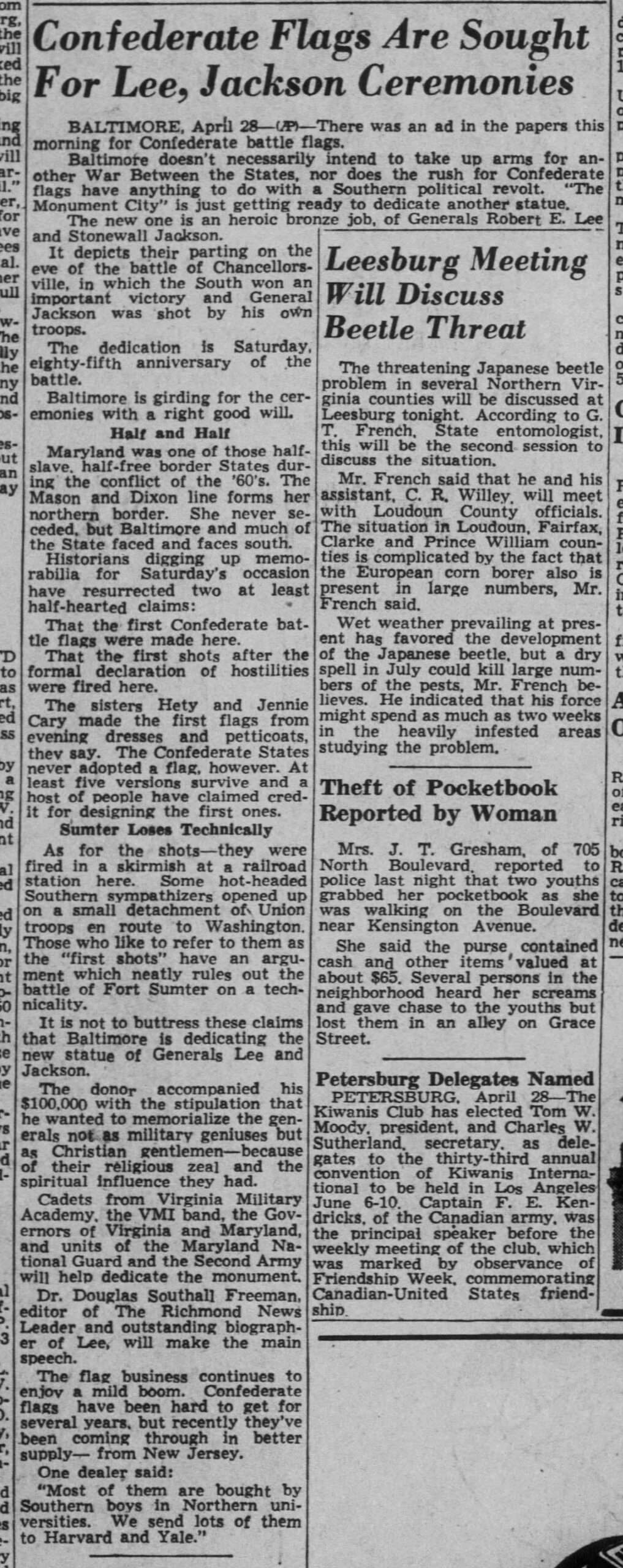
The Richmond Times-Dispatch · Apr 29, 1948
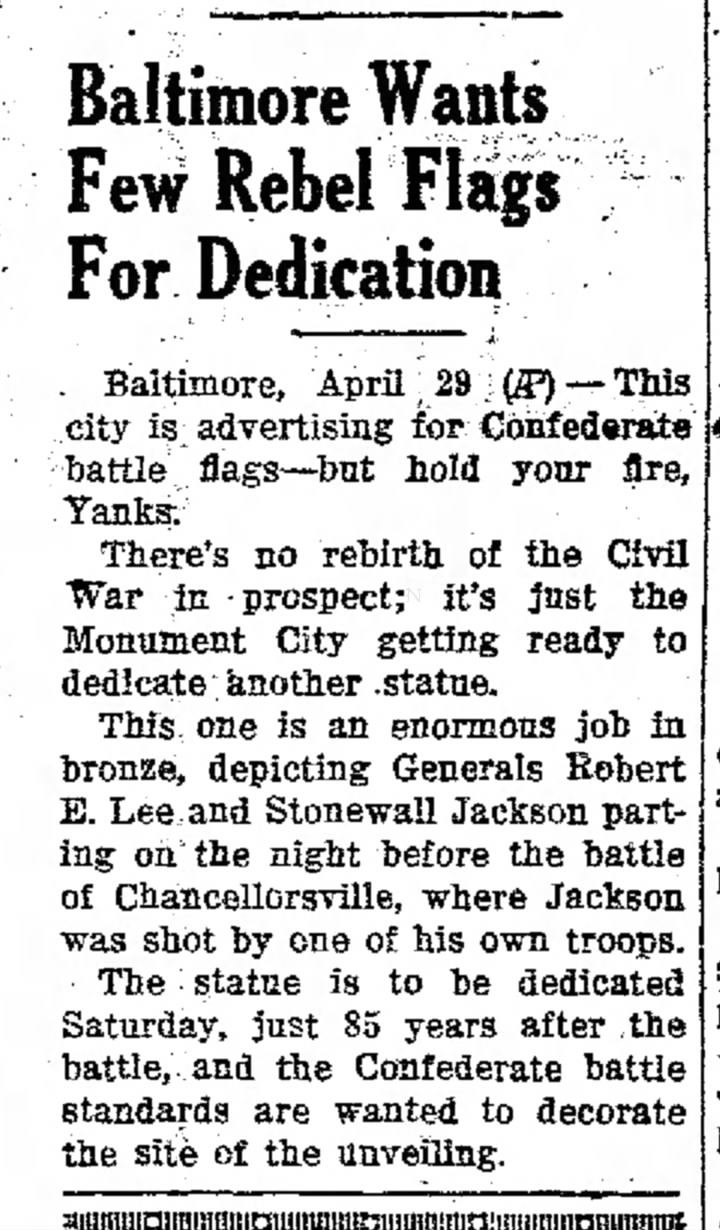
The Daily Mail (Hagerstown, MD) · Apr 29, 1948
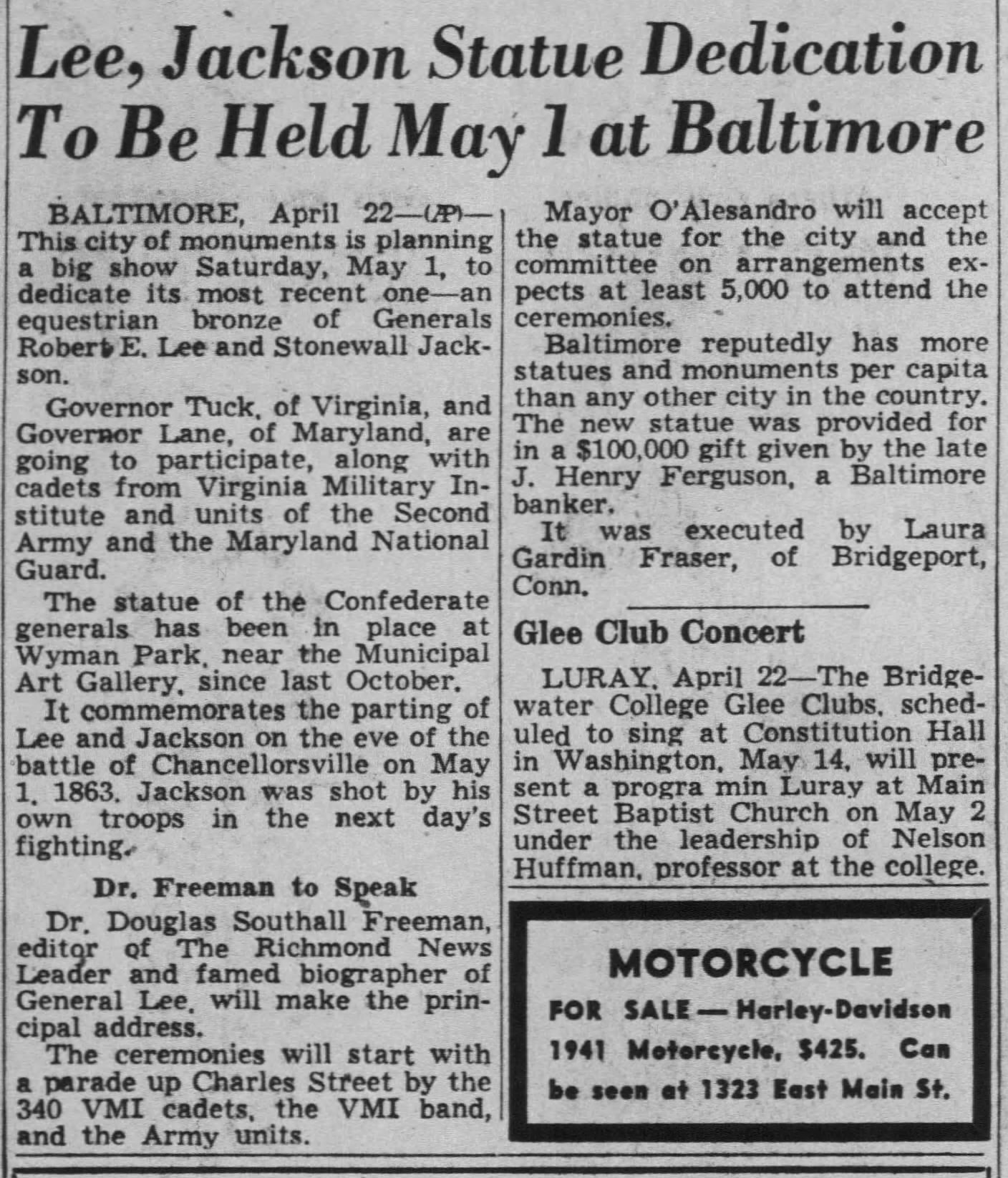
The Richmond Times-Dispatch · Apr 23, 1948
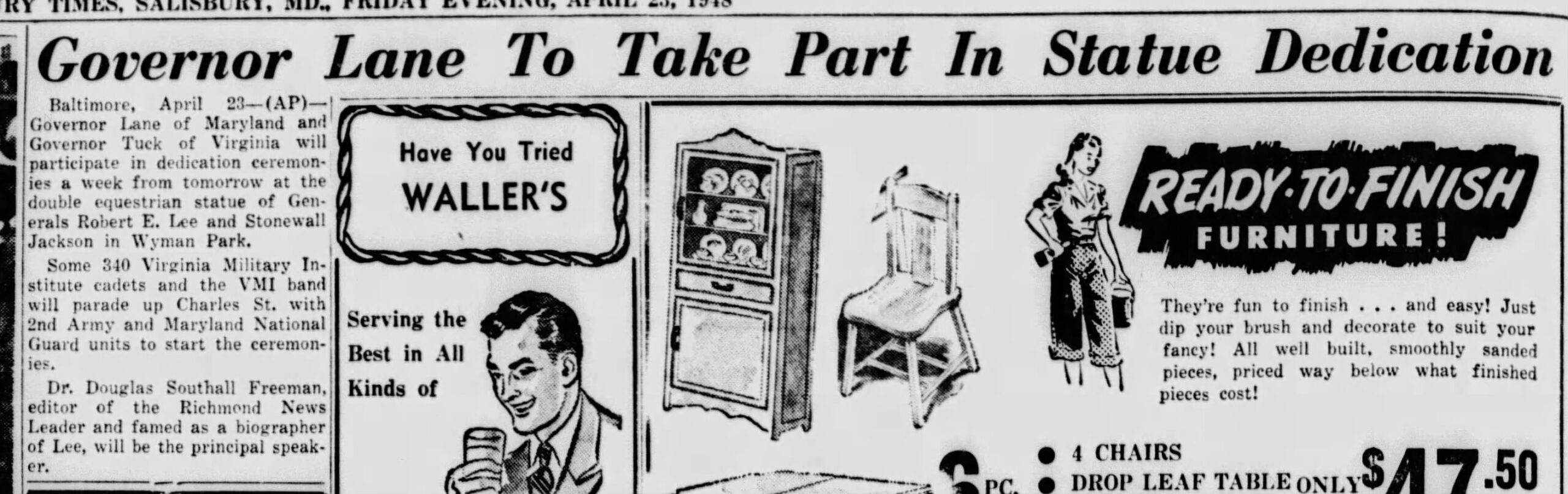
The Daily Times (Salisbury, MD) · Apr 23, 1948

The Baltimore Sun · Apr 18, 1948
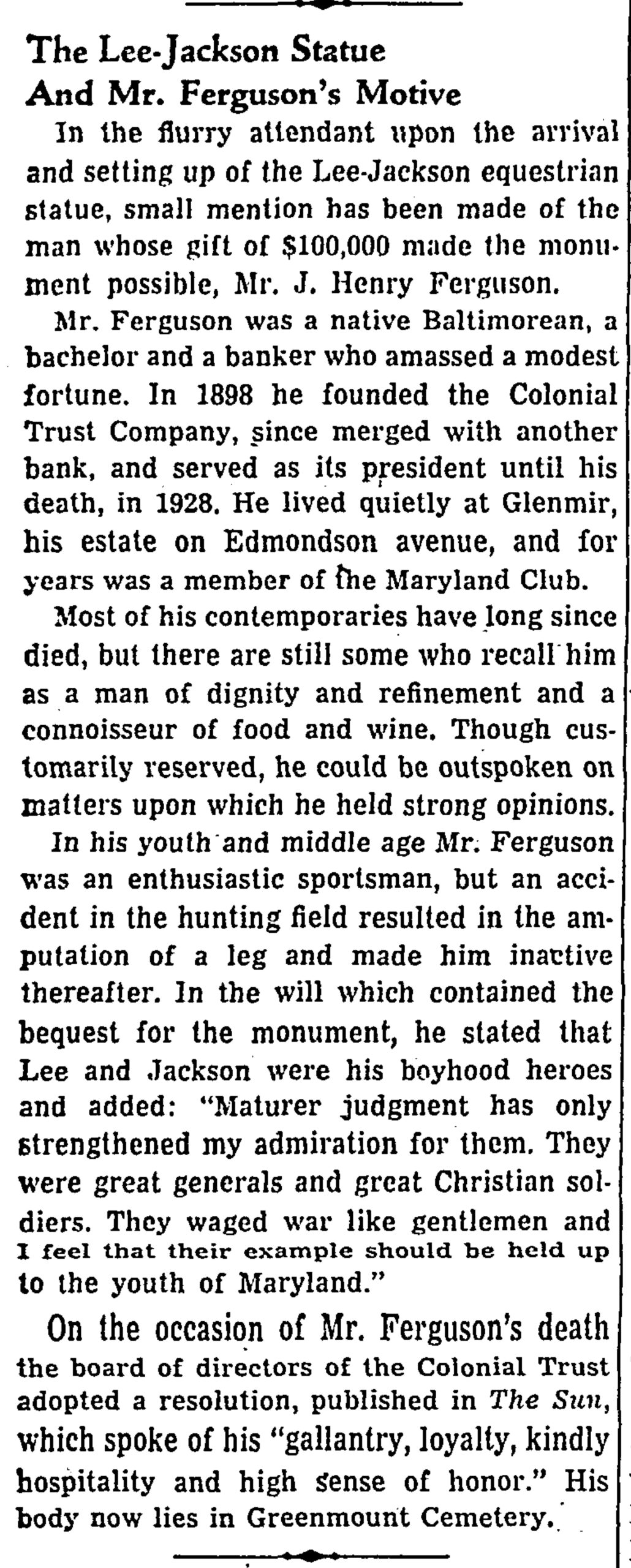
The Baltimore Sun · Oct 29, 1947

The Evening Sun · Oct 25, 1947
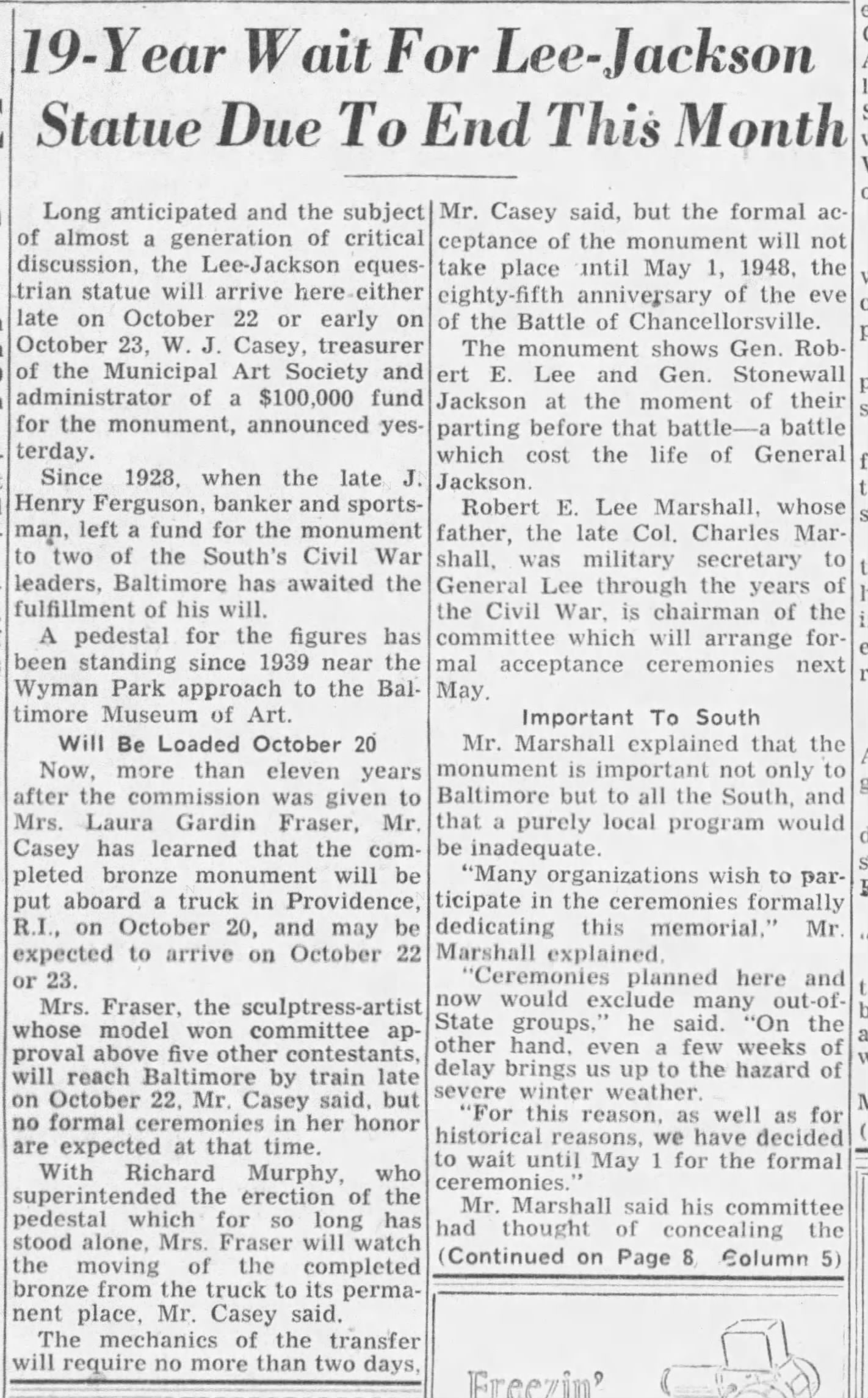
The Baltimore Sun · Oct 10, 1947
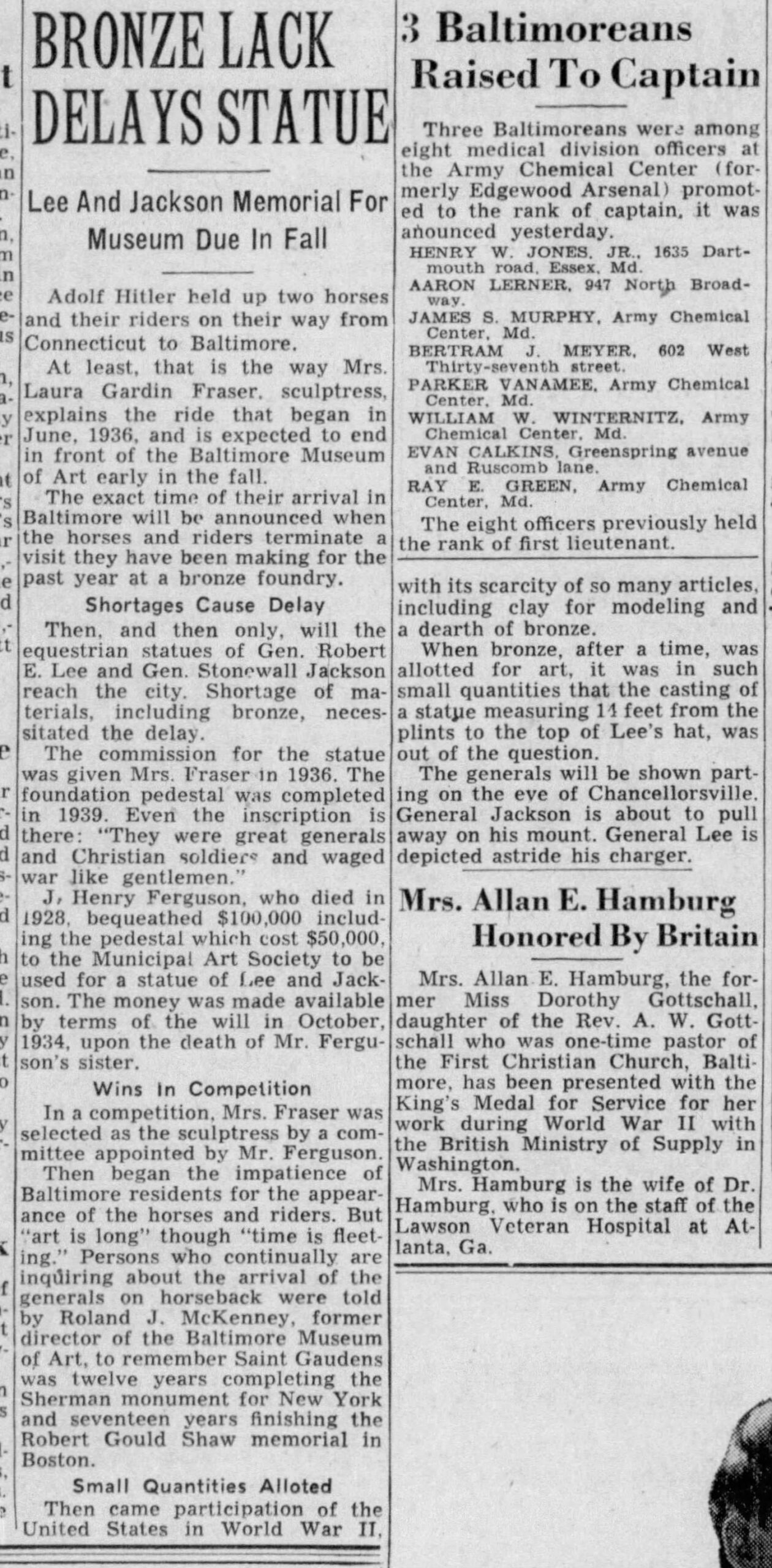
The Baltimore Sun · Jul 27, 1947
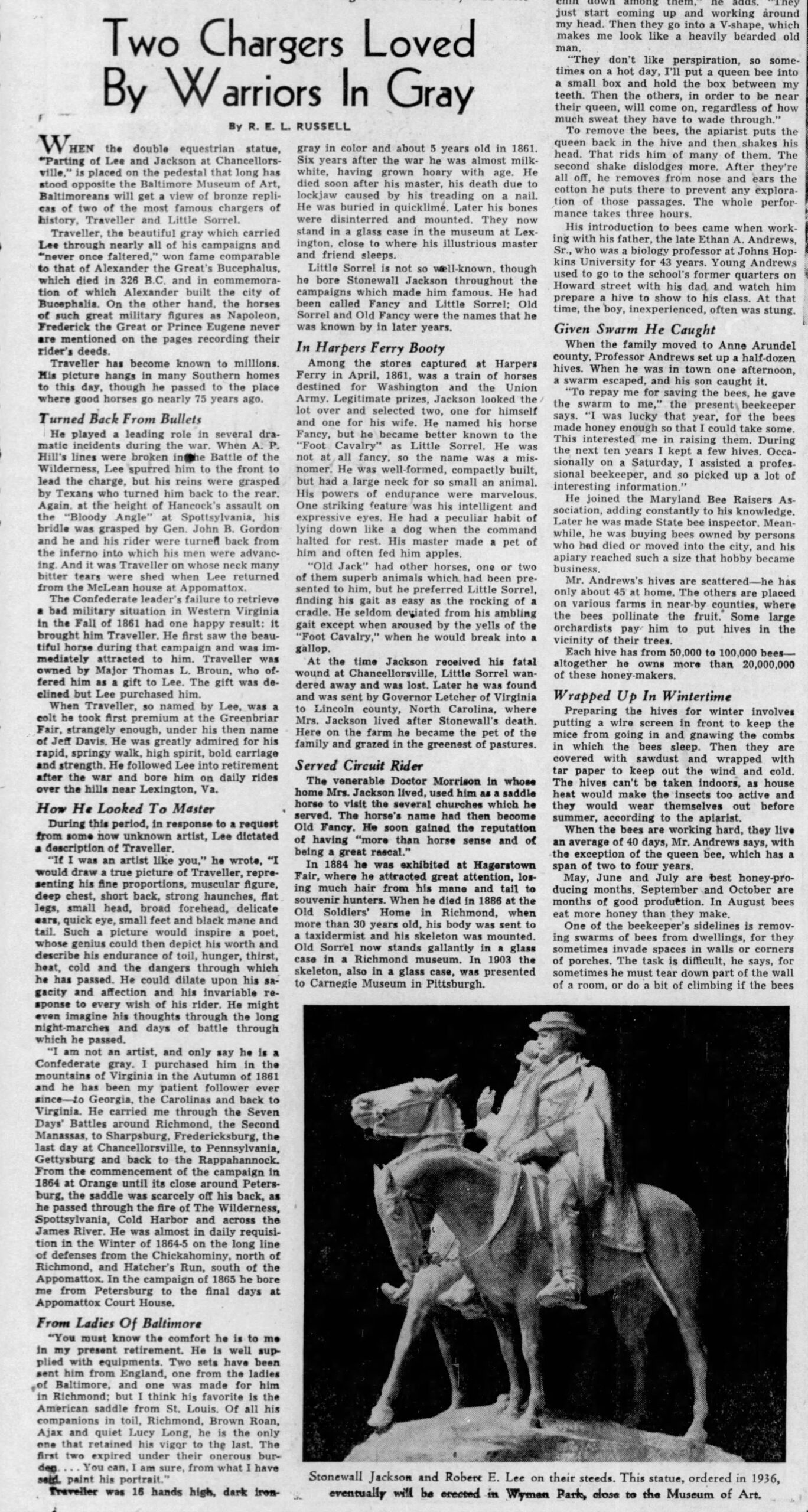
The Baltimore Sun · Jun 15, 1947
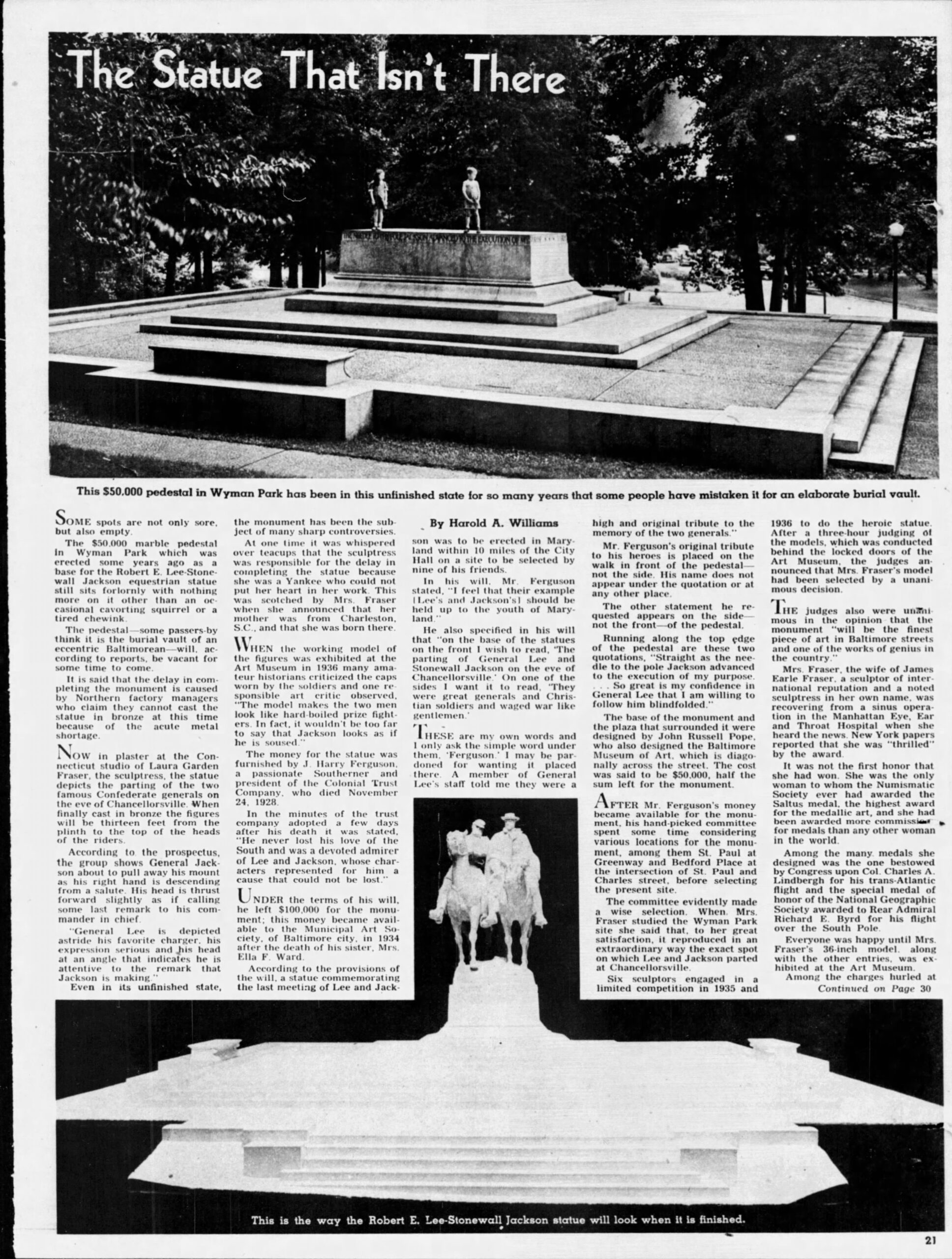
The Baltimore Sun · Oct 13, 1946
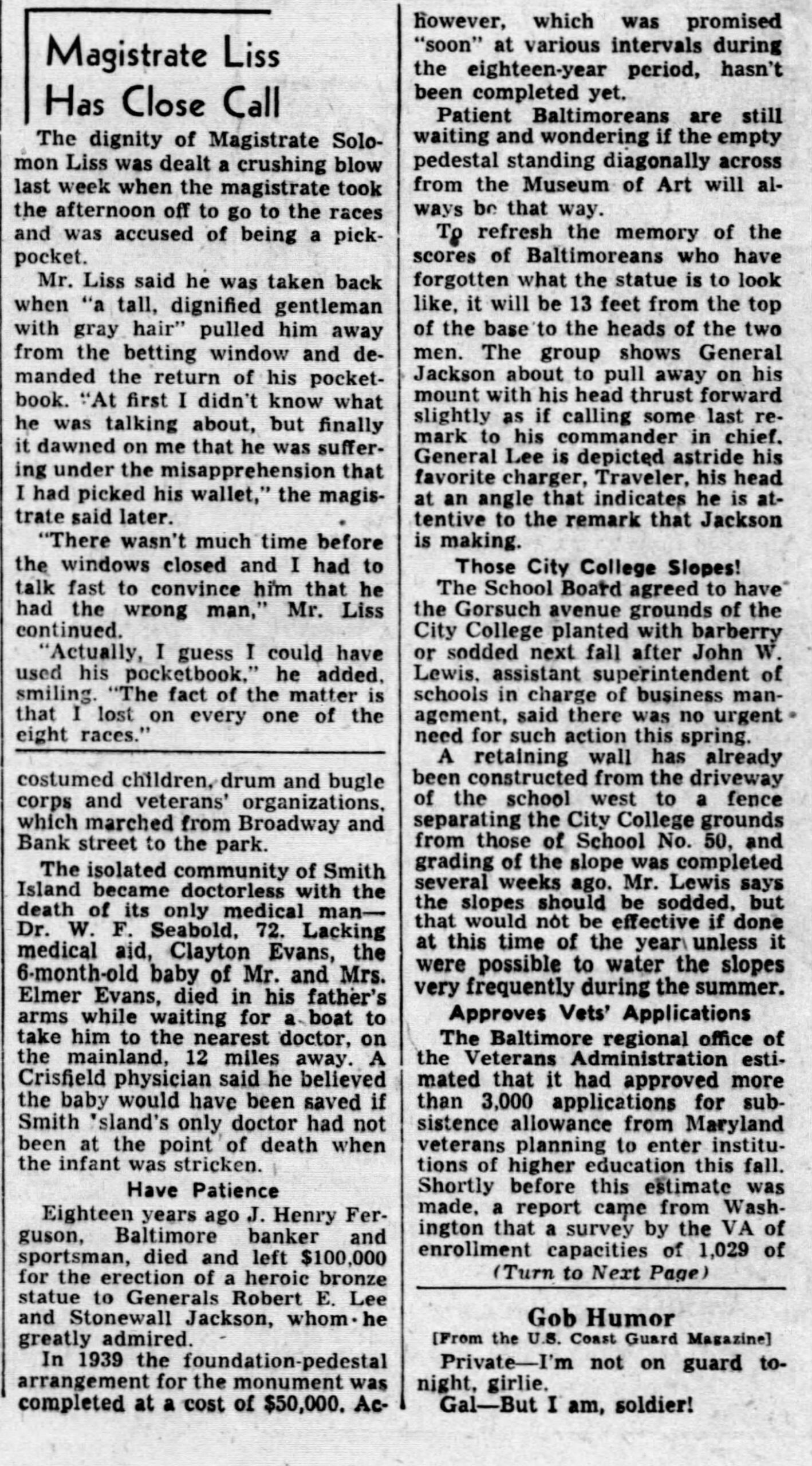
The Baltimore Sun · May 12, 1946
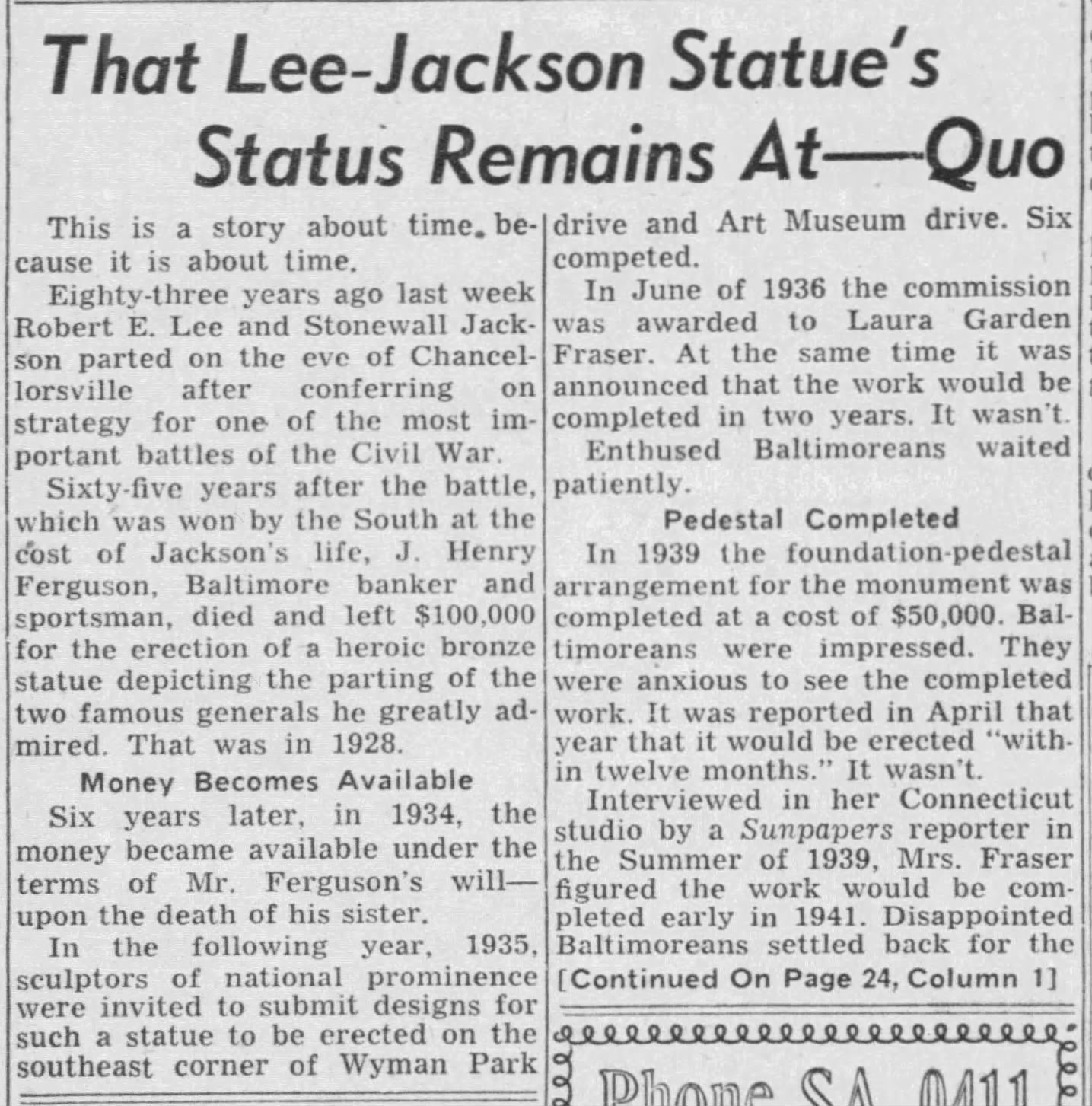
The Evening Sun · May 6, 1946
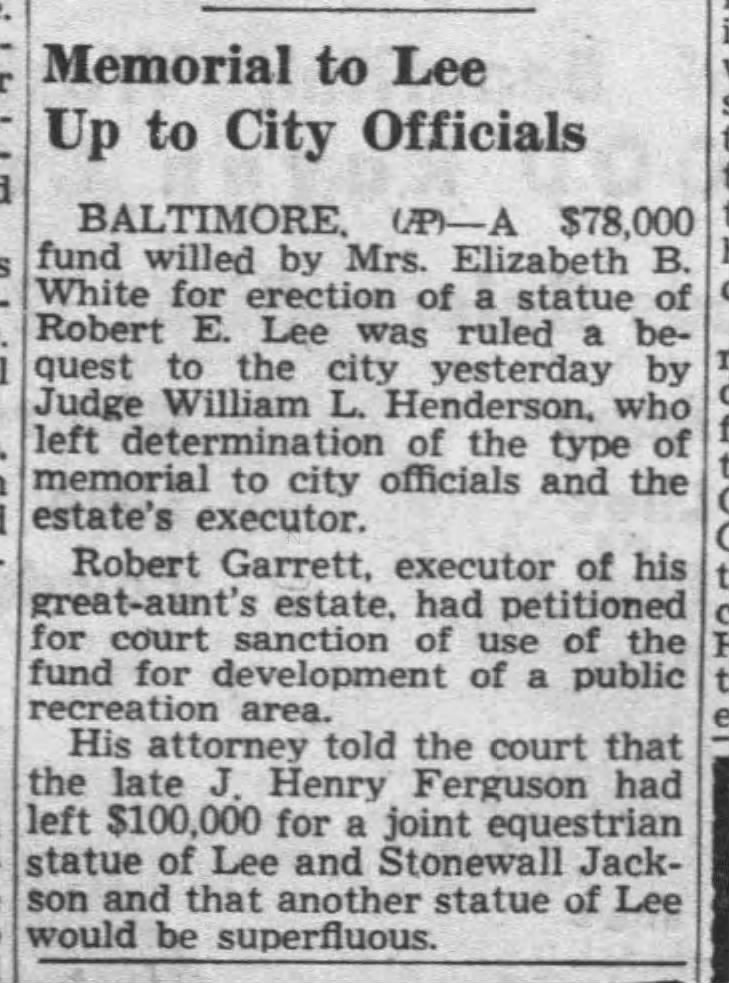
The Richmond Times-Dispatch · Jun 29, 1944
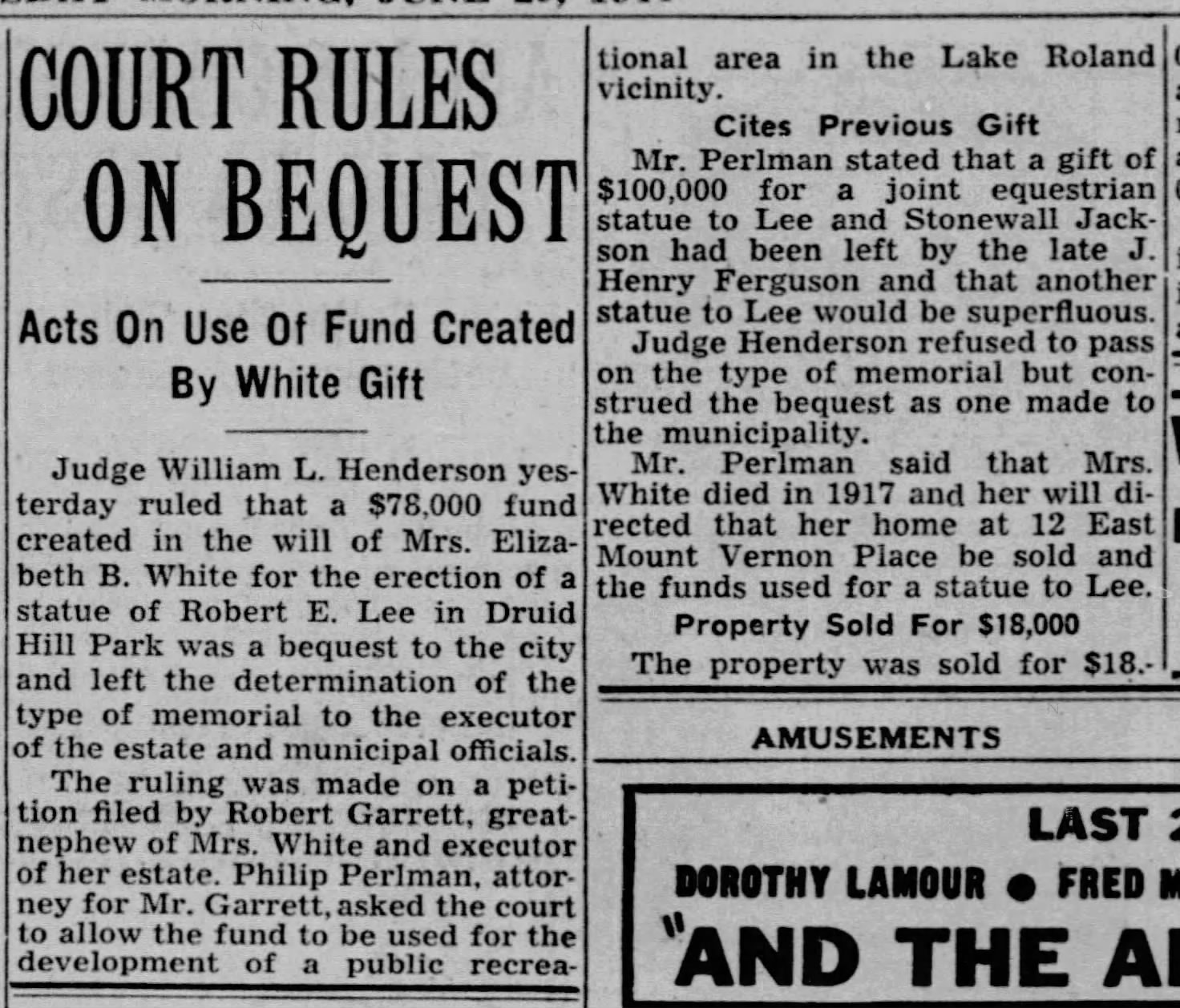
The Baltimore Sun · Jun 29, 1944
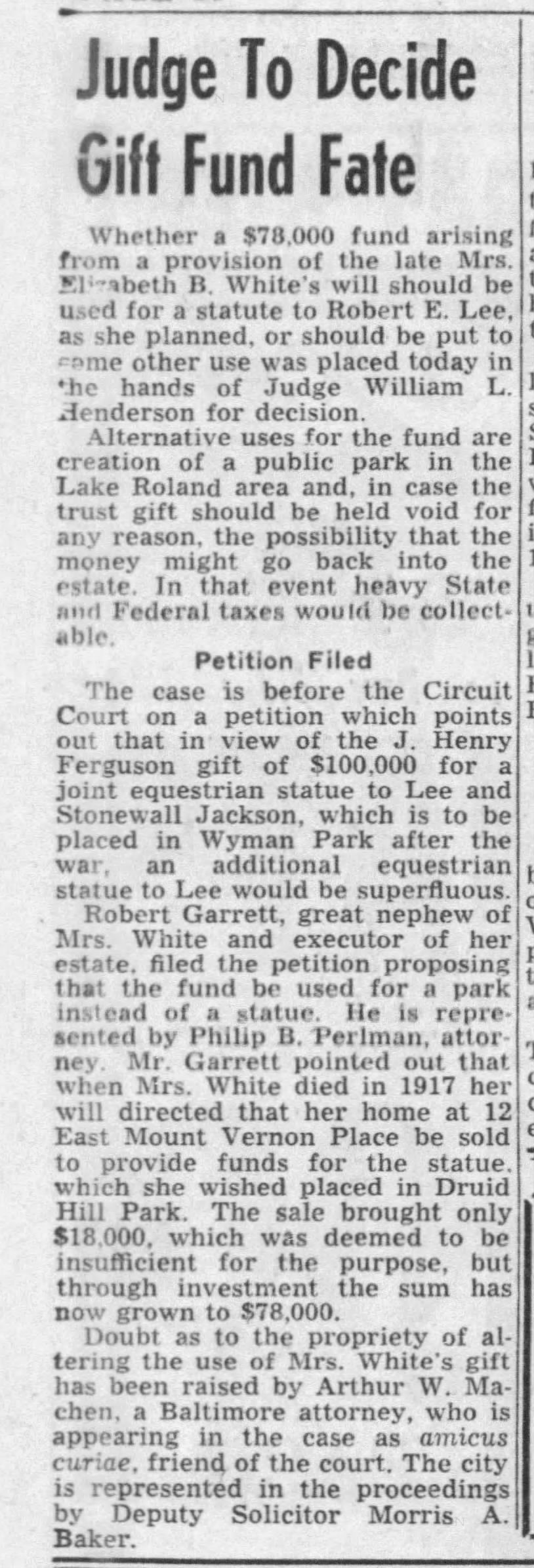
The Evening Sun · Jun 28, 1944
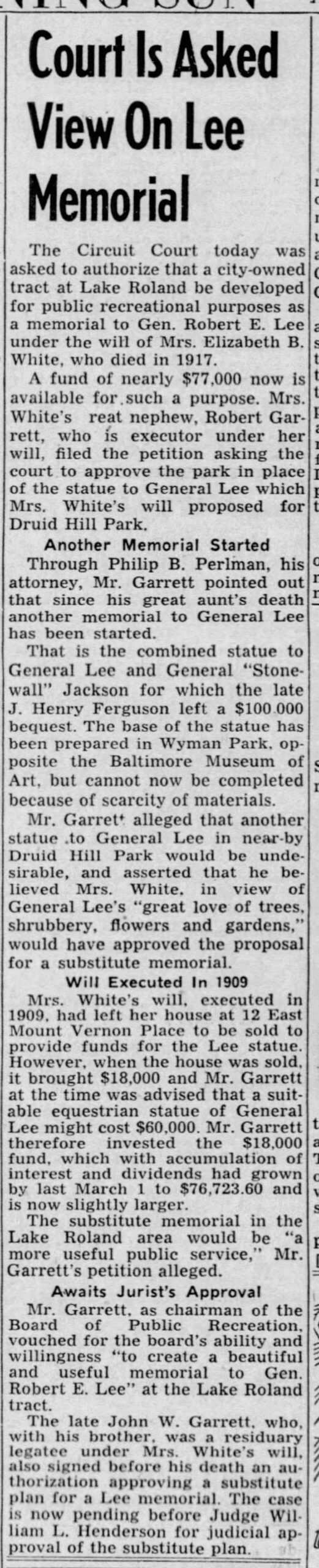
The Evening Sun · Apr 11, 1944
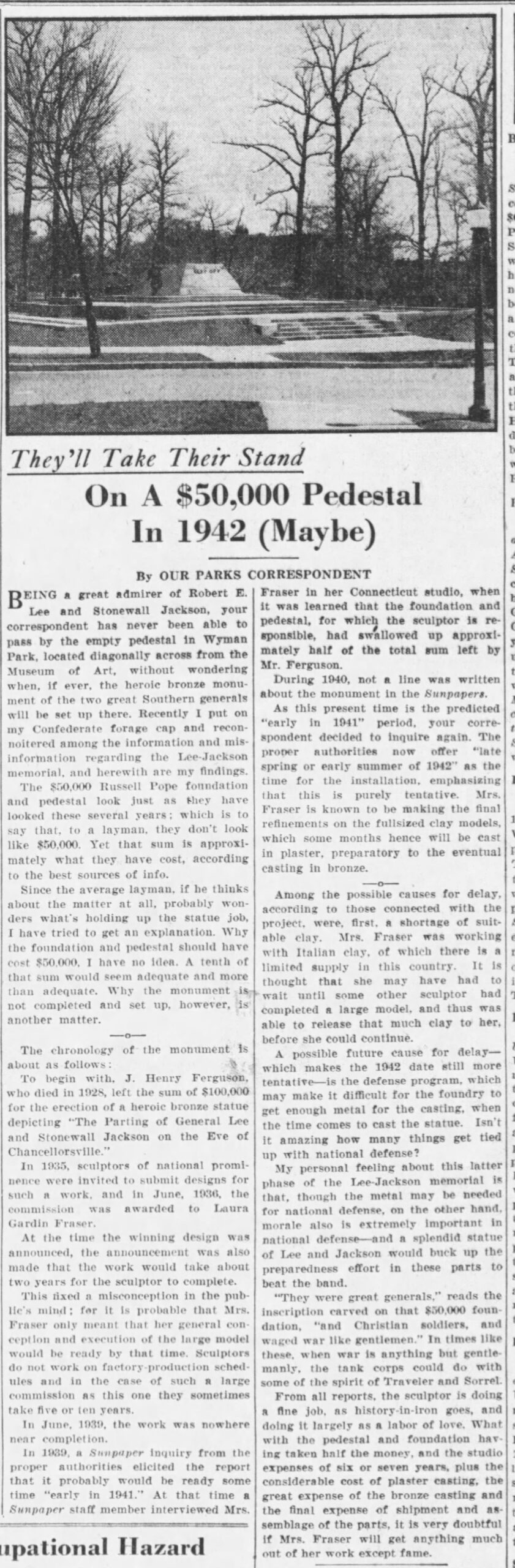
The Evening Sun · Mar 22, 1941
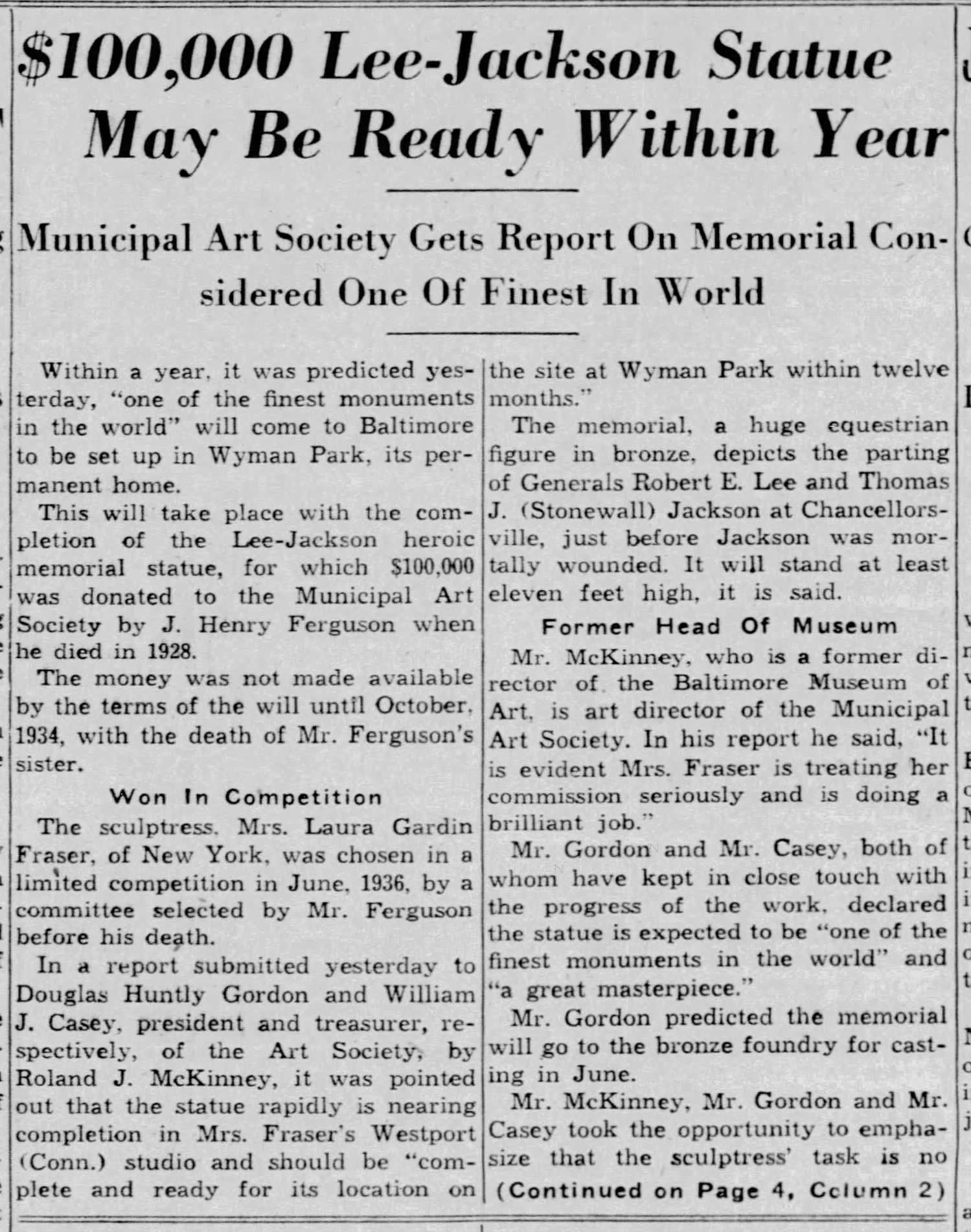
The Baltimore Sun · Apr 7, 1939
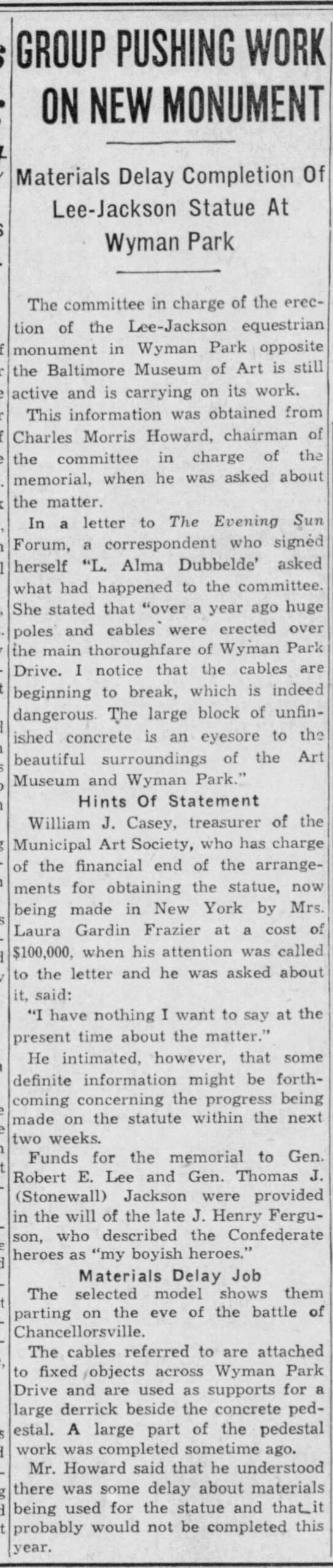
The Evening Sun · Mar 3, 1939
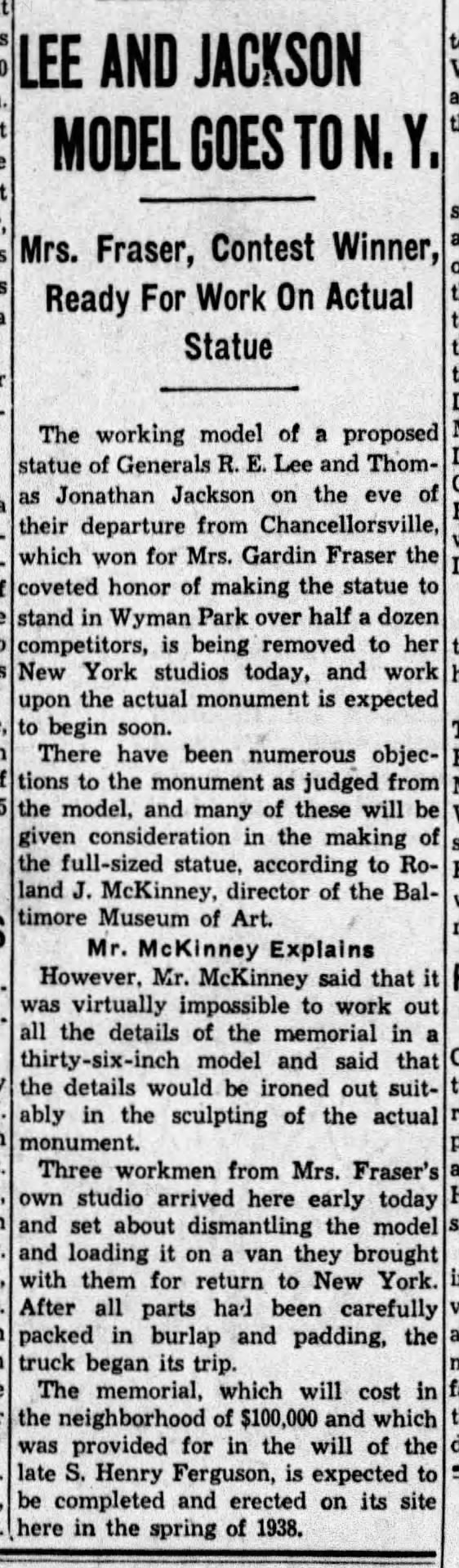
The Baltimore Sun · Jun 22, 1936
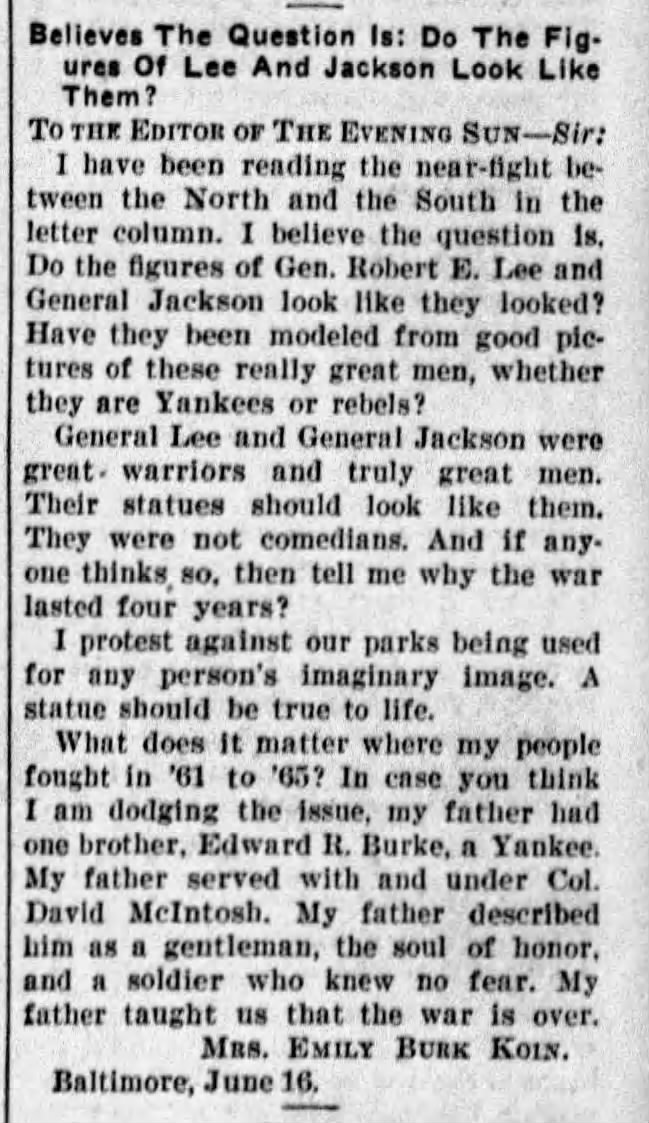
The Baltimore Sun · Jun 18, 1936
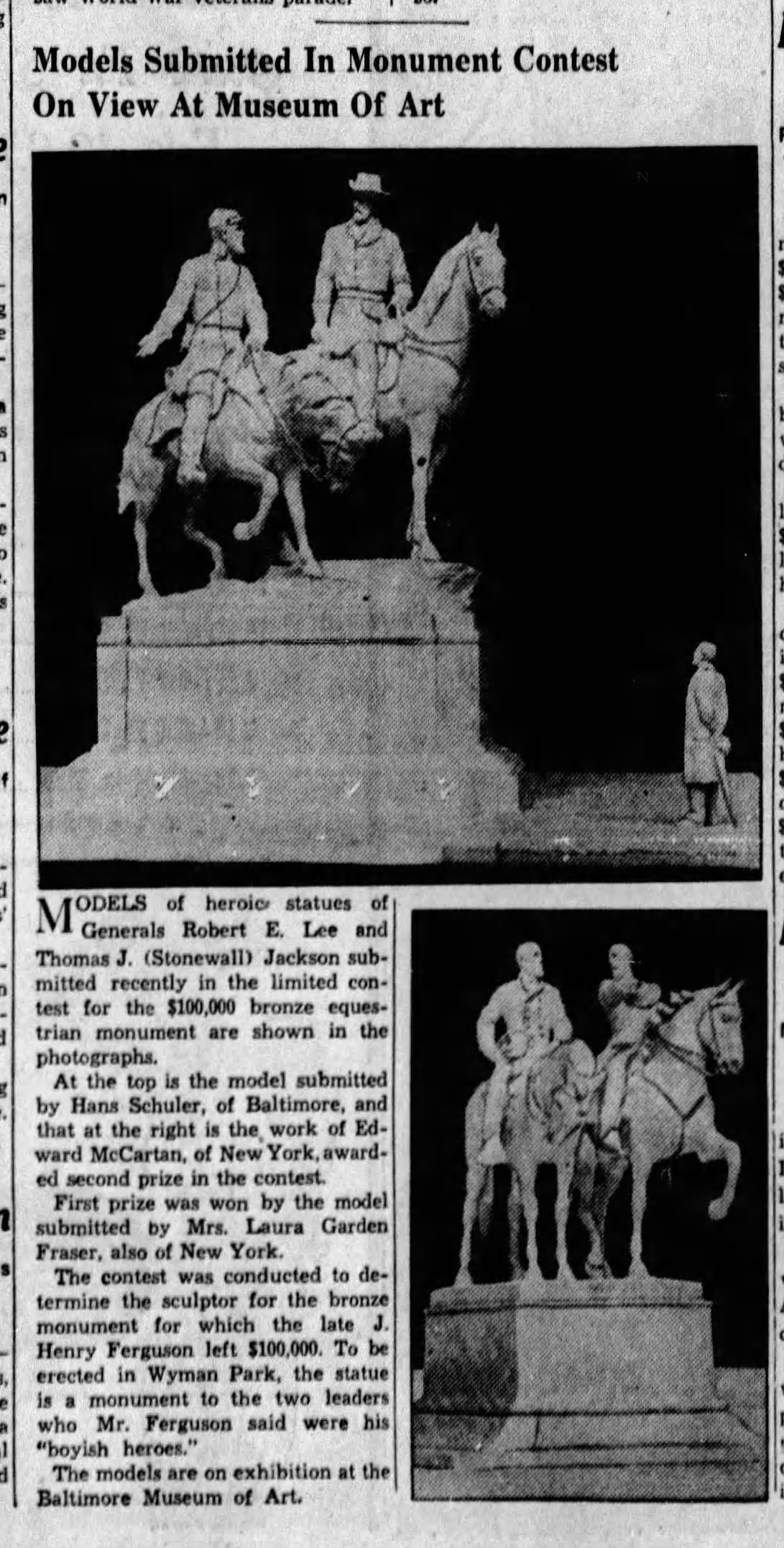
The Evening Sun · Jun 17, 1936
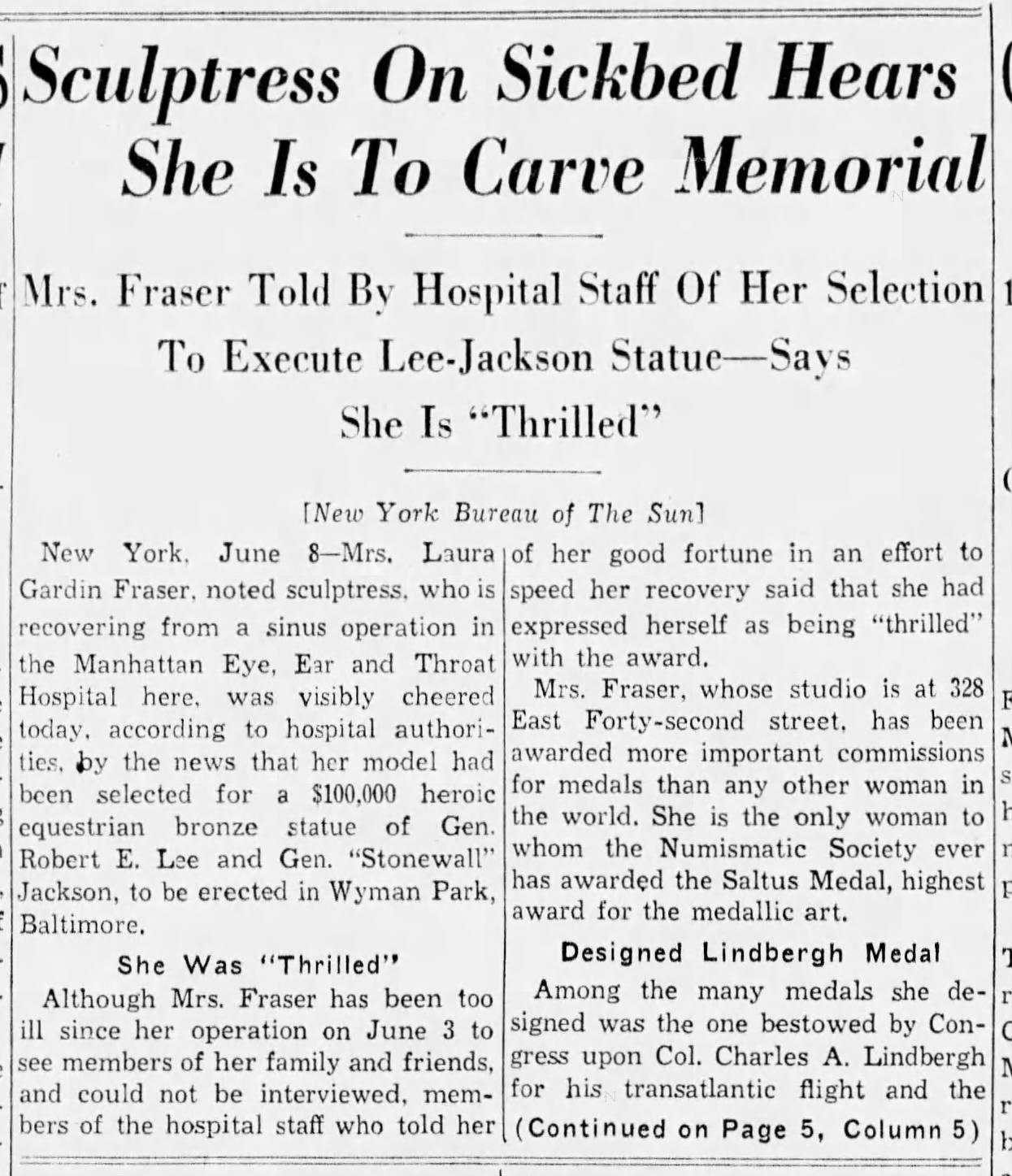
The Baltimore Sun · Jun 9, 1936
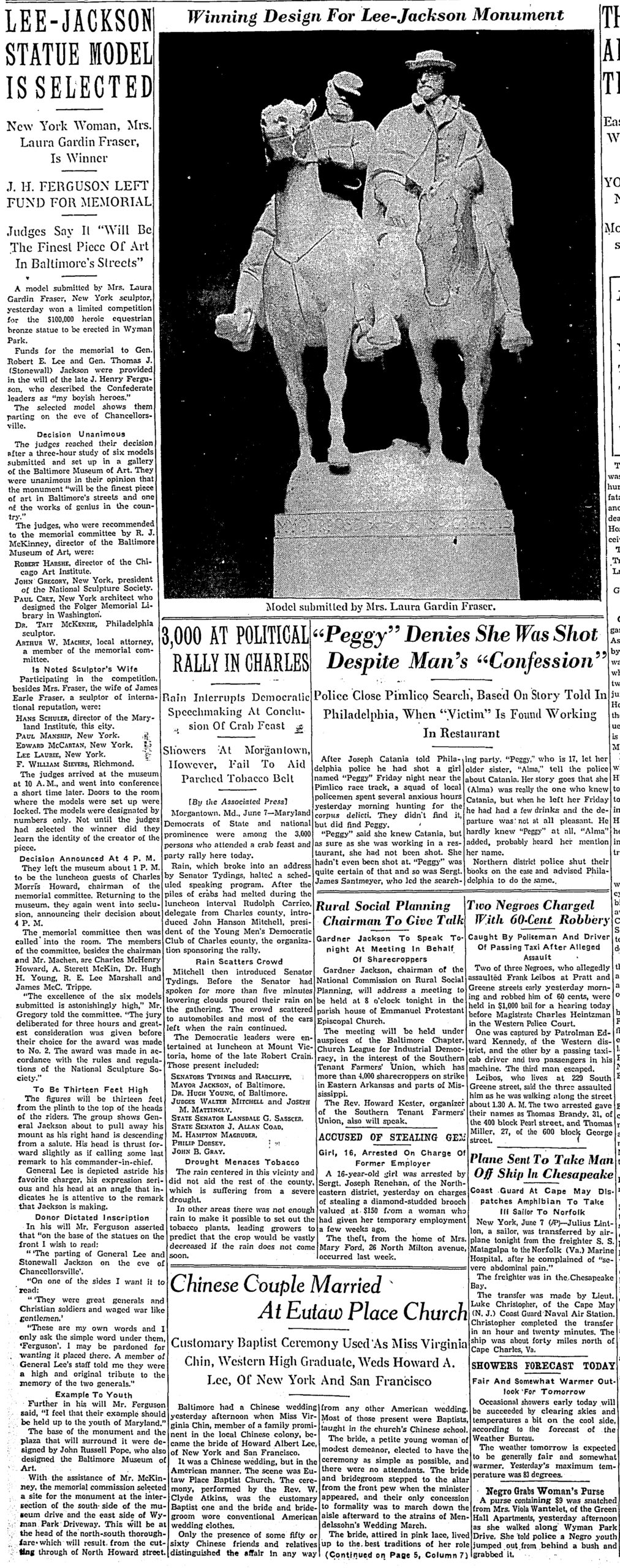
The Baltimore Sun · Jun 8, 1936
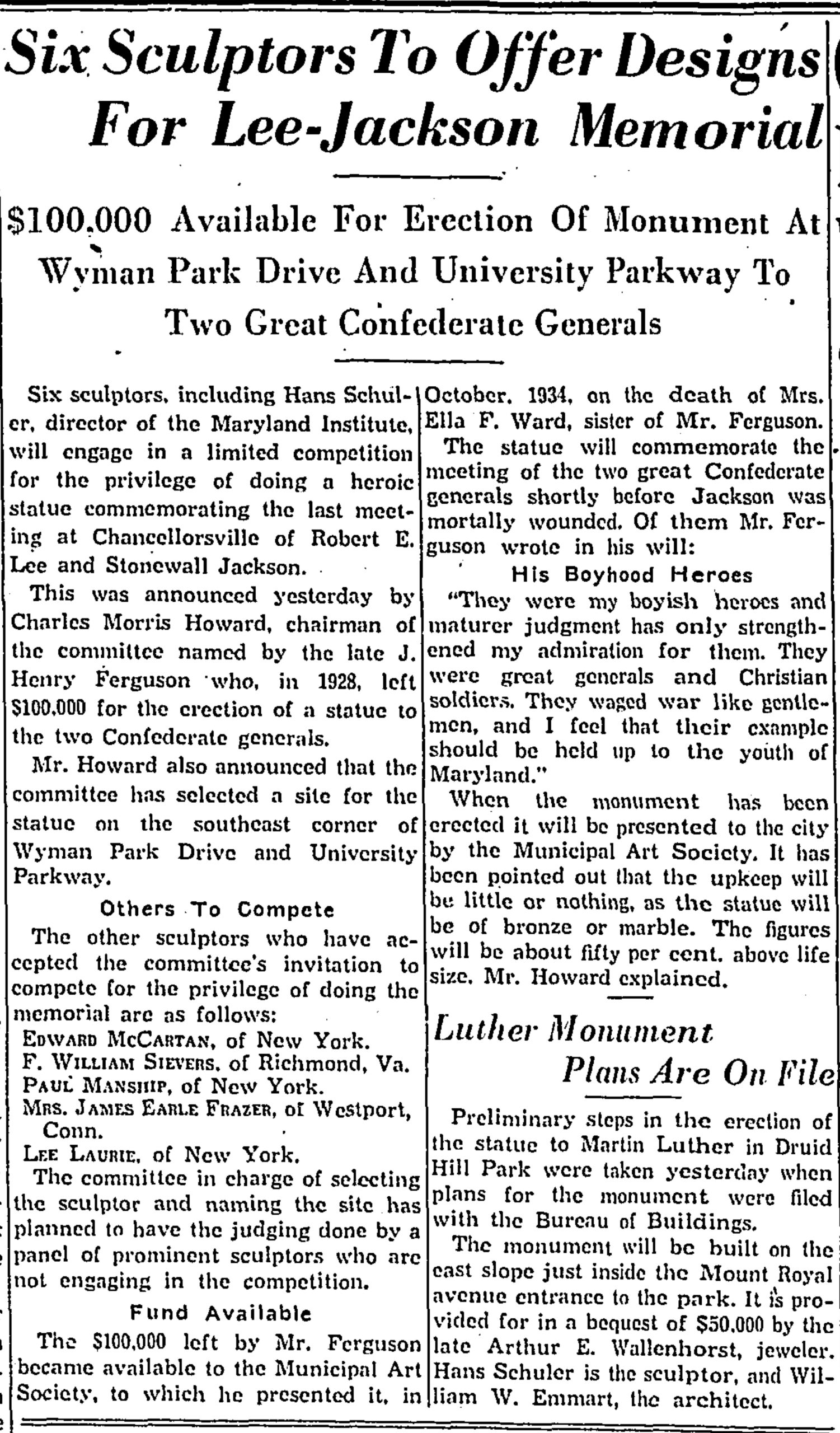
The Baltimore Sun · Oct 3, 1935
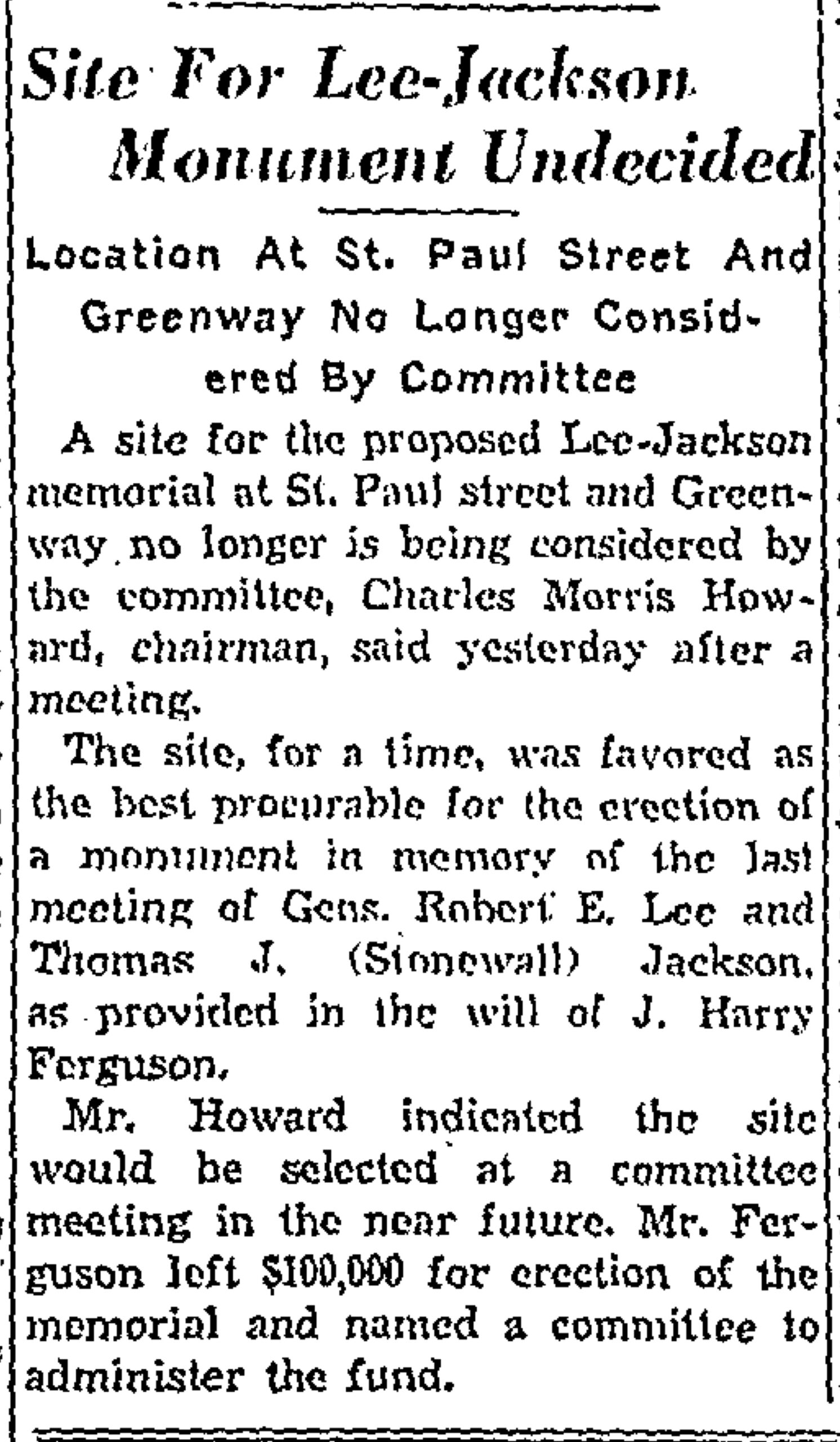
The Baltimore Sun · Jun 15, 1935
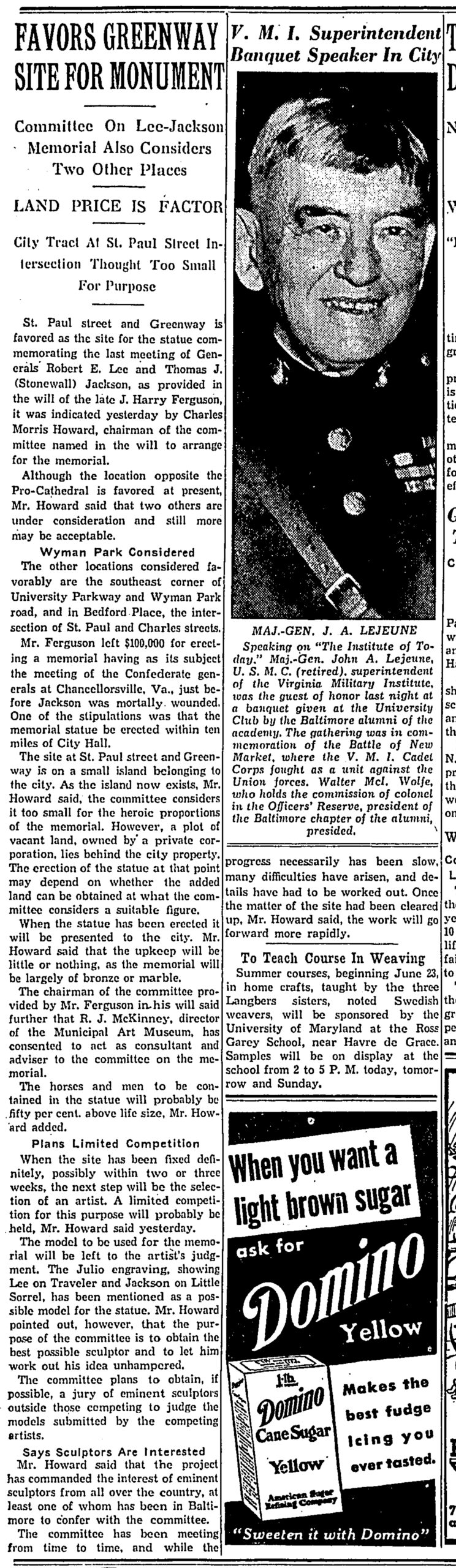
The Baltimore Sun · May 17, 1935
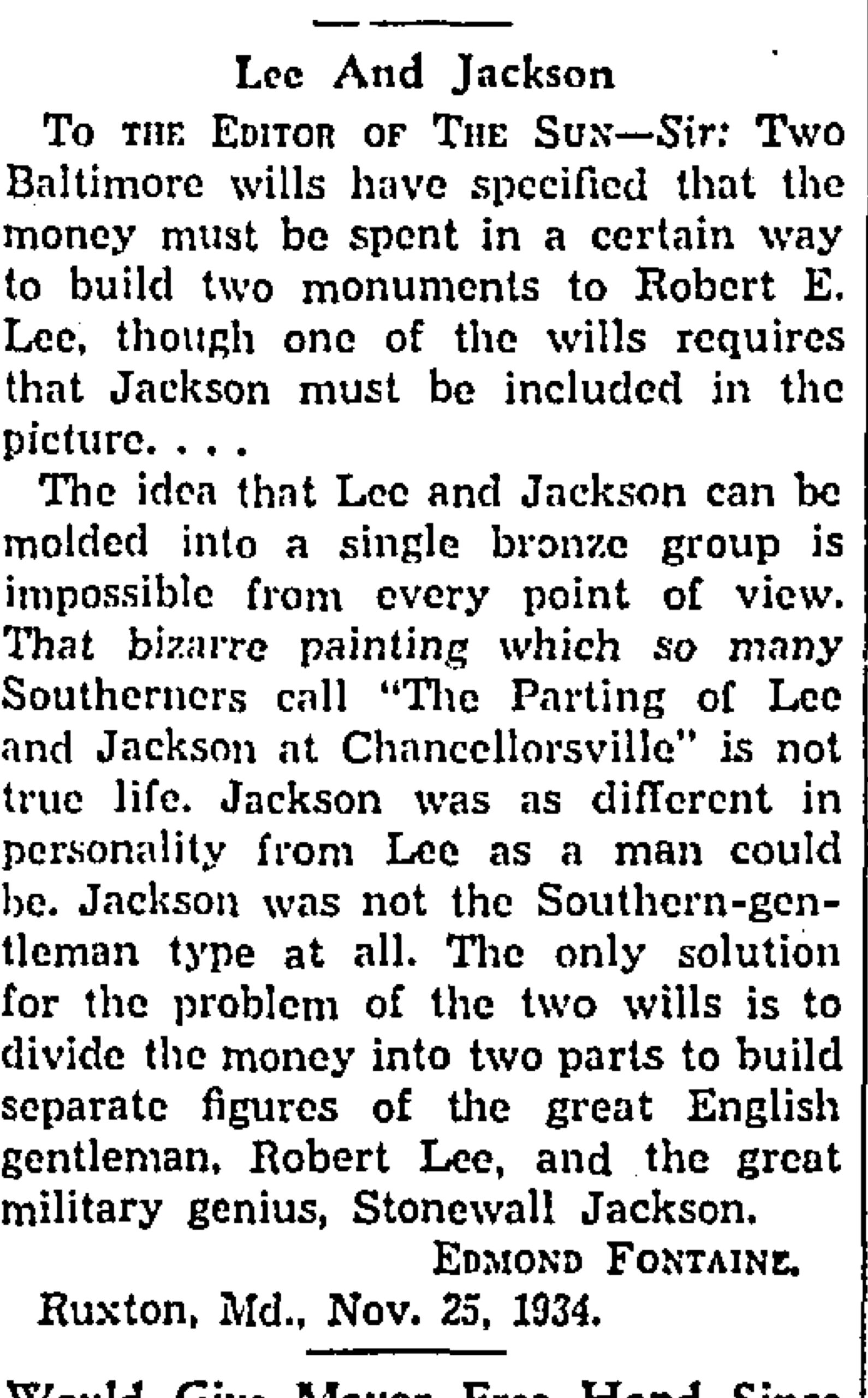
The Baltimore Sun · Nov 27, 1934
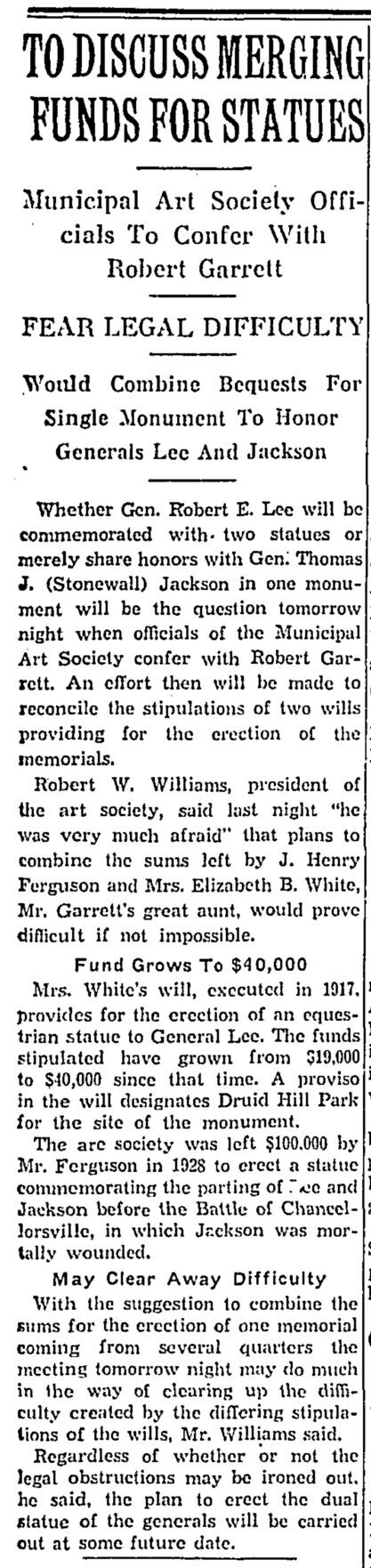
The Baltimore Sun · Nov 22, 1934

The Baltimore Sun · Nov 24, 1934

The Baltimore Sun · Nov 19, 1934

The Baltimore Sun · Nov 7, 1934

The Daily Item (Sumter, SC) · Dec 4, 1928

The Baltimore Sun · Dec 4, 1928

Daily Press (Newport News, VA) · Nov 17, 1917

Confederate Veteran Magazine · Mar 1902

The Evening Sun · Mar 21, 1977

The Baltimore Sun · Mar 24, 1963

The Evening Sun · Sep 27, 1960

The Baltimore Sun · May 14, 1933

The Evening Sun · Nov 28, 1932

The Baltimore Sun · Oct 21, 1923

The Evening Sun · Nov 29, 1918

The Baltimore Sun · Nov 3, 1918

The Evening Sun · Nov 2, 1918

The Baltimore Sun · Oct 29, 1918

The Baltimore Sun · Oct 28, 1918

The Baltimore Sun · Oct 26, 1918

The Baltimore Sun · Jan 17, 1917

The Baltimore Sun · Jul 21, 1914

The Baltimore Sun · Jun 20, 1914

The Baltimore Sun · Mar 10, 1914

The Baltimore Sun · Feb 11, 1914

The Evening Sun · Feb 10, 1914

The News (Frederick, MD) · Feb 6, 1914

The Baltimore Sun · Jan 29, 1914

The Baltimore Sun · Jan 25, 1914

The Baltimore Sun · Jun 20, 1912

The Baltimore Sun · Jan 19, 1912

The Baltimore Sun · Dec 8, 1911

The Baltimore Sun · Dec 6, 1910

The Baltimore Sun · Dec 5, 1910

The Baltimore Sun · Aug 20, 1910

The Baltimore Sun · May 4, 1910

The Baltimore Sun · May 2, 1910

The Baltimore Sun · Apr 27, 1910

The Baltimore Sun · Apr 19, 1910

The Baltimore Sun · Apr 14, 1910

The Baltimore Sun · Nov 6, 1907

The Baltimore Sun · Nov 28, 1902

The Baltimore Sun · Jun 23, 2015

The Baltimore Sun · Jul 23, 1999

The Baltimore Sun · Oct 17, 1953

The Baltimore Sun · Aug 10, 1912

The Baltimore Sun · Apr 16, 1906

The Baltimore Sun · Jul 9, 1906

The Afro-American · Jun 10, 1905

The Baltimore Sun · May 4, 1905

The Baltimore Sun · Nov 1, 1903

The Baltimore Sun · Jun 19, 1903

The Baltimore Sun · Jun 2, 1903

Charlotte Daily Observer · May 4, 1903

The Baltimore Sun · May 3, 1903

The Sun (New York) · May 3, 1903

The Baltimore Sun · May 2, 1903

The Brooklyn Citizen · May 2, 1903

Richmond Times-Dispatch · May 2, 1903

The Baltimore Sun · May 1, 1903

The Nashville American · May 1, 1903

The Baltimore Sun · Apr 30, 1903

The New York Times · Apr 29, 1903

The Baltimore Sun · Apr 24, 1903

The Baltimore Sun · Apr 16, 1903

The Baltimore Sun · Mar 3, 1903

The Baltimore Sun · Jan 30, 1903

The Baltimore Sun · Jan 20, 1903

The Baltimore Sun · Dec 13, 1902

The Baltimore Sun · Oct 24, 1902

The Baltimore Sun · Jul 22, 1902

The Baltimore Sun ·Jun 10, 1902

The Baltimore Sun ·Jun 10, 1902

The Baltimore Sun · May 24, 1902

The Baltimore Sun · Jan 28, 1902

The Baltimore Sun · Jan 21, 1902

The Baltimore Sun · Jan 7, 1902

The Baltimore Sun · Dec 13, 1901

The Baltimore Sun · Dec 11, 1901

The Baltimore Sun · Dec 7, 1901

The Baltimore Sun · Dec 2, 1901

The Baltimore Sun · Nov 29, 1901

The Baltimore Sun · Nov 28, 1901

The Baltimore Sun · May 2, 1901

The Baltimore Sun · May 1, 1901

The Baltimore Sun · May 21, 1900

The Baltimore Sun · Sep 6, 1899

The Baltimore Sun · Aug 8, 1899

The Baltimore Sun · Jul 1, 1899

The Baltimore Sun · Apr 15, 1899

The Baltimore Sun · Apr 5, 1899

The Baltimore Sun · Apr 3, 1899

The Baltimore Sun · Jan 24, 1899

The Baltimore Sun · Jan 23, 1899

The Baltimore Sun · Jan 21, 1899

The Baltimore Sun · Jan 12, 1899

The Baltimore Sun · Dec 15, 1898

The Baltimore Sun · Jan 20, 1881

The Baltimore Sun · April 7, 1880

The Baltimore Sun · April 6, 1880

The Baltimore Sun · April 5, 1880

The Baltimore Sun · April 3, 1880

The Baltimore Sun · April 2, 1880

The Baltimore Sun · April 1, 1880

The Baltimore Sun· Sep 26, 2019

The Baltimore Sun· Sep 26, 2019

The Baltimore Sun· Aug 16, 2018

The Baltimore Sun· Oct 16, 2017

The Baltimore Sun· Aug 31, 2017

The Baltimore Sun· Aug 18, 2017

The Baltimore Sun· Aug 17, 2017

The Baltimore Sun· Aug 15, 2017

The Baltimore Sun· Aug 14, 2017

The Baltimore Sun· Aug 14, 2017

The Baltimore Sun· May 29, 2017

The Baltimore Sun· May 25, 2017

The Baltimore Sun· Sep 15, 2016

The Baltimore Sun· Feb 27, 2016

The Baltimore Sun· Feb 20, 2016

The Baltimore Sun· Feb 1, 2016

The Baltimore Sun· Jan 25, 2016

The Baltimore Sun· Jan 21, 2016

The Baltimore Sun· Jan 20, 2016

The Baltimore Sun· Jan 20, 2016

The Baltimore Sun· Jan 18, 2016

The Baltimore Sun· Jan 15, 2016

The Baltimore Sun· Sep 18, 2015

The Baltimore Sun· Jul 10, 2015

The Baltimore Sun· Jan 29, 2000

The Baltimore Sun· Jan 27, 2000

The Baltimore Sun· Jan 20, 2000

The Baltimore Sun· Mar 18, 1993

The Baltimore Sun· Oct 9, 1931

The Star-Democrat· Mar 7, 1993

The Evening Sun· Feb 4, 1992

The Baltimore Sun· Aug 25, 1970

The Evening Sun· Oct 20, 1960

The Evening Sun· Jul 9, 1960

The Evening Sun· May 18, 1945

The Evening Sun · Oct 30, 1939

The Baltimore Sun· Nov 15, 1887

The Baltimore Sun · Nov 14, 1887

The Baltimore Sun· Nov 12, 1887

The Baltimore Sun· Nov 11, 1887

The Raleigh News· Jan 8, 1873

The Missouri Republican · Dec 1, 1872

The Baltimore Sun· Aug 7, 1872

The Baltimore Sun· Aug 25, 1869

Knoxville Weekly Whig· Aug 8, 1865

The Baltimore Sun· Feb 24, 1865

Cleveland Daily Leader· Feb 17, 1865

Western Reserve Chronicle· Sep 9, 1857

The National Era· Jun 18, 1857

Belmont Chronicle· Jan 31, 1857

The Democratic Pioneer· March 10, 1857

The Montgomery Advertiser· Dec 12, 2021

The Montgomery Advertiser· Dec 9, 2021

The Montgomery Advertiser· Oct 27, 2021

The Montgomery Advertiser· Oct 7, 2021

The Montgomery Advertiser· Dec 9, 2020

The Montgomery Advertiser· Dec 3, 2020

The Montgomery Advertiser· May 27, 2018

The Montgomery Advertiser· May 30, 1986

The Montgomery Advertiser· May 2, 1986

The Montgomery Advertiser· May 1, 1986

The Montgomery Advertiser· Apr 17, 1986

The Montgomery Advertiser· Apr 16, 1986

Alabama Journal· Apr 16, 1986

Alabama Journal · Mar 24, 1986

The Montgomery Advertiser· Jan 7, 1890

The Montgomery Advertiser· Jan 7, 1890

Ingots from Robert E. Lee Monument, Charlottesville, Virginia
Swords Into Plowshares
2023
Bronze
Jefferson School African American Heritage Center, Charlottesville, Virginia

Josephus Daniels
János Farkas
1985
Bronze
Daniels Family Charitable Foundation, Raleigh, North Carolina

Roger B. Taney
William Henry Rinehart
1887
Bronze
City of Baltimore, Maryland

Robert E. Lee & Stonewall Jackson
Laura Gardin Fraser
1948
Bronze
City of Baltimore, Maryland

Matthew Fontaine Maury
Frederick William Sievers
1929
Bronze
Black History Museum and Cultural Center of Virginia, Richmond, Virginia

Jefferson Davis & Vindicatrix
Edward V. Valentine
1907
Bronze
The Valentine Museum, Richmond, Virginia
Black History Museum and Cultural Center of Virginia, Richmond, Virginia

Fragments from Robert E. Lee monument base
Paul Pujol
1890
Granite
Black History Museum and Cultural Center of Virginia, Richmond, Virginia

W. Jeff Davis Ave. & Rosa L. Parks Ave. & Fred Gray Ave.
Aluminum
City of Montgomery, Alabama

Unmanned Drone
Kara Walker
2023
Bronze statue made from Chales Keck's 1921 statue of Stonewall Jackson, which stood in Charlottesville Virginia and was decomissioned in 2021
Commissioned by The Brick
The Museum of Contemporary Art, Los Angeles
Gift of Beth Swofford by exchange

HOMEGOING
Davóne Tines & Julie Dash
2025
Two channel video projection (color, sound)
Commissioned by MOCA & The Brick
Courtesy of the artists

Tabernacle
Martin Puryear
2019
Steel, red cedar, American cypress, pine, makore veneer, canvas, printed cotton fabric, glass, stainless steel
Glenstone Museum

Studio Portraits
Hugh Mangum
Untitled, ca. 1897-1922
Courtesy of the Rubenstein Rare Book and Manuscript Library at Duke University, Durham, North Carolina

Rate of Transformation, Distance
Torkwase Dyson
2018/2025
Wood and acrylic
Courtesy of the artist and Pace Gallery

An American Reflection
Monument Lab
2025
Digital video (black and white; sound)
Commissioned by MOCA & The Brick
Courtesy of the artist

The Warden
Cauleen Smith
2025
CCTV camera, single-channel live feed video
Commissioned by MOCA & The Brick
Courtesy of the artist and Morán Morán

White Shoes series
Nona Faustine
Ye Are My Witness, Brooklyn, NY, 2018
Pigment Print
Courtesy of the Estate of Nona Faustine and Higher Pictures

Practice, Practice, Practice
Kevin Jerome Everson
2024
Single channel video projection transferred from 16 mm film (black and white; sound)
Commissioned by MOCA & The Brick
Courtesy of the artist

New Nation (States) Battle of Manassas - 2014
Kahlil Robert Irving
2024-2025
Cast bronze
Commissioned by MOCA & The Brick
Courtesy of the artist

Cadence Series
Walter Price
Evidence of progression, 2023
Acrylic and gesso on canvas
Commissioned by MOCA & The Brick
Private collection

Confederate Soldiers & Sailors
Frederick W. Ruckstuhl
1903
Bronze
City of Baltimore, Maryland

Birth of a Nation
Stan Douglas
2025
Five-channel video installation (color; silent)
Commissioned by the Hartwig Art Foundation with The Brick
Courtesy of the artist, Victoria Miro, and David Zwirner

Deo Vindice
(Orion's Cabinet)
Abigail DeVille
2025
China cabinets, charcoal, rusted steel scaffolding, pig blood, salt, mud, lights, and natural fiber
Commissioned by MOCA & The Brick
Courtesy of the artist

Descendant
Karon Davis
2025
Plywood, MDF, latex paint, metal hardware, steel, aluminum, fiberglass
Commissioned by MOCA & The Brick
Courtesy of the artist and Salon 94

Love is dangerous
Bethany Collins
2024-2025
Pink granite
Commissioned by MOCA & The Brick
Courtesy of the artist; Alexander Gray Associates, New York; and PATRON Gallery, Chicago

The Baltimore Sun · Oct 21, 1923

A Suspension of Hostilities
Hank Willis Thomas
2019
1969 Dodge Charger
Courtesy of the artist and Pace Gallery

The Klan Series
Andres Serrano
Klansman, Grand Dragon, 1990
Pigment print
Courtesy of the artist and Galerie Nathalie Obadia

The Montgomery Times (Montgomery, Alabama)
Sat, Apr 22, 1905
Confederate Women of Maryland
J. Maxwell Miller
1917
Bronze
City of Baltimore, Maryland

Number 363
Leonardo Drew
2023
Cotton and matte medium
Collection of the Jordan Schnitzer Family Foundation

Stranger Fruit Series
Jon Henry
Untitled #31, 2017
Digital archival print on matte paper
Courtesy of the artist

The Baltimore Sun · Oct 26, 1918

The Baltimore Sun · May 14, 1933
The Montgomery Times (Montgomery, Alabama) Sat, Apr 22, 1905