

Studio Portraits
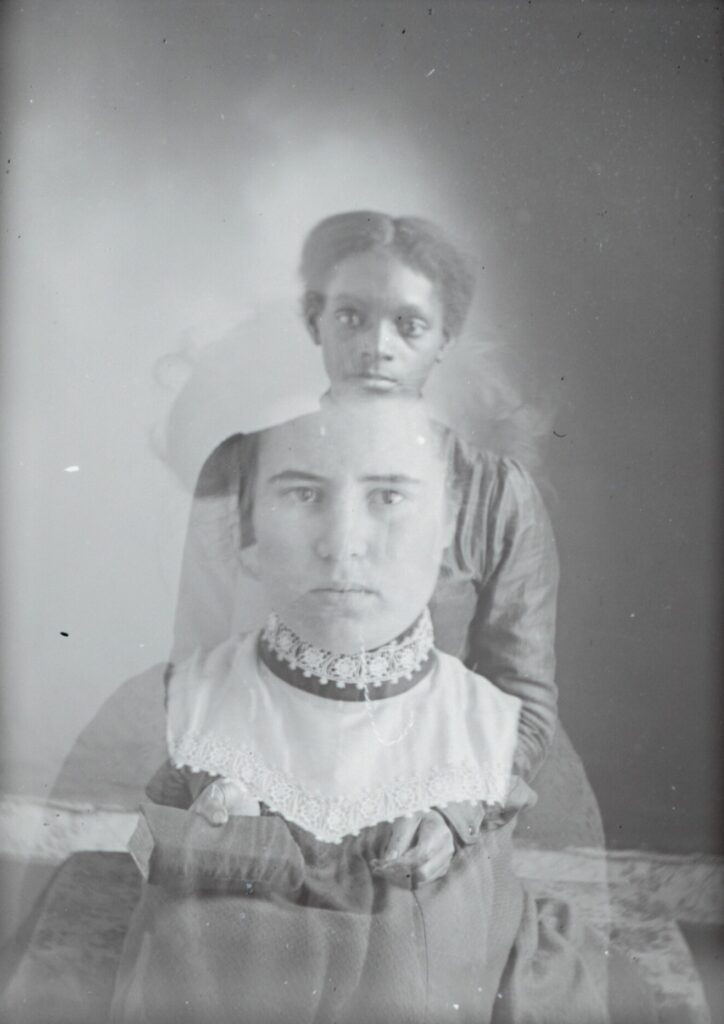
Untitled, ca. 1897-1922
Glass plate negative
24 x 20 in. (61 x 50.8 cm.)
Courtesy of the Rubestein Rare Book and Manuscript Library at Duke University, Durham, North Carolina
Filed Under:
Hugh Mangum
(b. 1877, Durham, North Carolina; d. 1922, Roanoke, Virginia)
Hugh Mangum was a traveling photographer working in North Carolina and Virginia at the turn of the twentieth century, offering portraits for pennies from temporary studios in Durham, Roanoke, Charlottesville, and other towns. Mangum kept busy, visiting eight to ten different towns a year, frequenting women’s colleges and military universities and setting up shop near train depots and circuses. He would return to Durham to work at his Cottage Studio for months between his forays into more rural areas. Mangum’s work was largely unknown until the late 1970s, when a cache of glass-plate negatives was discovered in a family barn fifty years after the photographer’s death.
The revelation of Mangum’s photographs is startling and poignant. Only thirty-five years after the Civil War, as monuments to Confederate leaders and soldiers were proliferating across the South and Jim Crow segregation began to mark every aspect of American commercial and civic life, Mangum, who was white, photographed white and Black sitters equally. His contact sheets separate white and Black patrons by the slightest of margins, bringing together people who were otherwise kept apart in public spaces, a radical departure from the legalized discrimination of the period. Mangum also reused his glass plates, resulting in double exposures with ghostly figures, sometimes combining Black and white sitters on the same plate. The degradation of the negatives over time lends a further haunting abstraction to this social reality.
While it cannot be said whether the studio was fully integrated or served white and Black patrons on separate days, what is clear is Mangum’s ability to put his customers at ease, regardless of their race. In some cases, he took multiple pictures during a session, asking his sitter to change their pose or adding props, occasionally capturing an errant smile or even mid-laugh. Whether depicting a single person, a family unit, or a group of friends, each of Mangum’s portraits are wholly individual. Their subjects’ choice of clothing, which ranges from simple and worn to finely tailored and fanciful, indicates personal style as well as socioeconomic status. Props including paintbrushes, guitars, and parasols offer a glimpse into the deeper lives of these Southerners more than a hundred years later.
Incidentally, the subjects of these photographs would have been the first generation of Americans to witness and live with many of the Confederate monuments featured in MONUMENTS.
Hugh Mangum
Hugh Leonard Mangum was born June 3,1877 on Main Street in Durham where the Alexander Ford Building stands today. His father, Presley J. Mangum, an early Durham postmaster, was a skilled craftsman and furniture maker who owned a sash, blind, and door factory in downtown Durham. His mother, Sally Mangum, was a remarkable cook and gardener. Hugh was the oldest child of a talented and creative family.
As the city of Durham grew, the family turned toward the country, cherishing country ways, quiet, and space. In 1891, they bought the McCown House (built by John Cabe Mc-Cown in the 1840’s) at ‘West Point on the Eno” and used it as their summer home for two years. The family moved out to the Eno permanently in 1893, when Hugh was sixteen years old.
From this time on he led a rambling life through the cities and countryside of the Southeast, photographing blacks and whites, children at play, workers in the field, and scenes around home by the Eno. He traveled by train on these picture-taking trips, returning often to Durham, perhaps when his money ran out.Along the way he set up many temporary studios, as well as three permanent ones in the Virginia towns of Roanoke, Pulaski, and East Radford
At the age of 16 Hugh Mangum was already a self-taught photographer. He had also achieved some mastery with oils and water-colors. He was musical, like others in the family, and could play the mandolin, accordion, and piano. It is said that he was accepted at Trinity College, later Duke, but it is uncertain whether he ever attended there. Instead he went to Winston-Salem to study art at Salem College.
Mangum was a singular and talented person with a sense of humor and design, and a fascination for the eccentric and bizarre, for gypsies and the burlesque, for photographic props and extraordinary hats. He took a degree in hypnotism and made a point of following vaudeville troops to photograph their extravagances. Above all, as his camera records, he had an eye for pretty women. Although his nude pictures are gone, hundreds of photographs are left to us displaying handsome women dressed in the lavish costumes of the time.
In 1906 he married Annie Carden, who was said to be the most beautiful girl in East Radford, Virginia. He took delight in photographing her striking features and beautifully coiffured hair. As a family man he delighted also in photographing his daughter in pinafore and ribbons. When the entire family fell prey to influenza in the epidemic of 1922, he ordered the doctor to administer whiskey, the only remedy available, to his wife and child. He himself refused the remedy on principle. He died of pneumonia on March 12, 1922, at the age of 44.
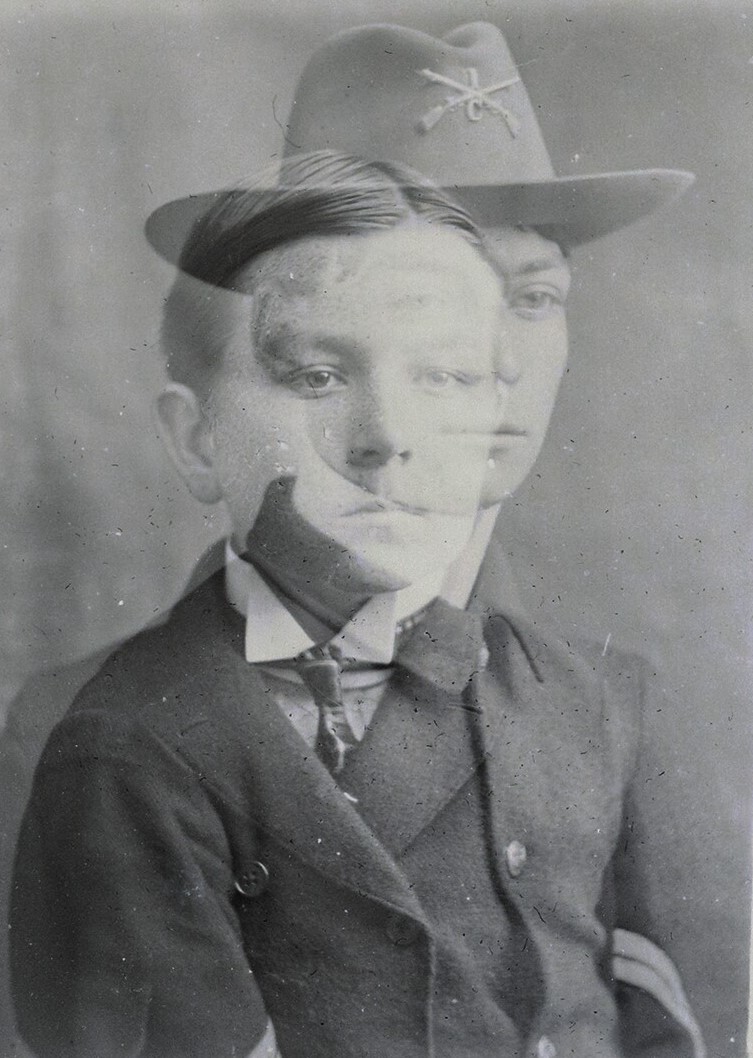
Untitled, ca. 1897-1922
Glass plate negative
24 x 20 in. (61 x 50.8 cm.)
Courtesy of the Rubestein Rare Book and Manuscript Library at Duke University, Durham, North Carolina
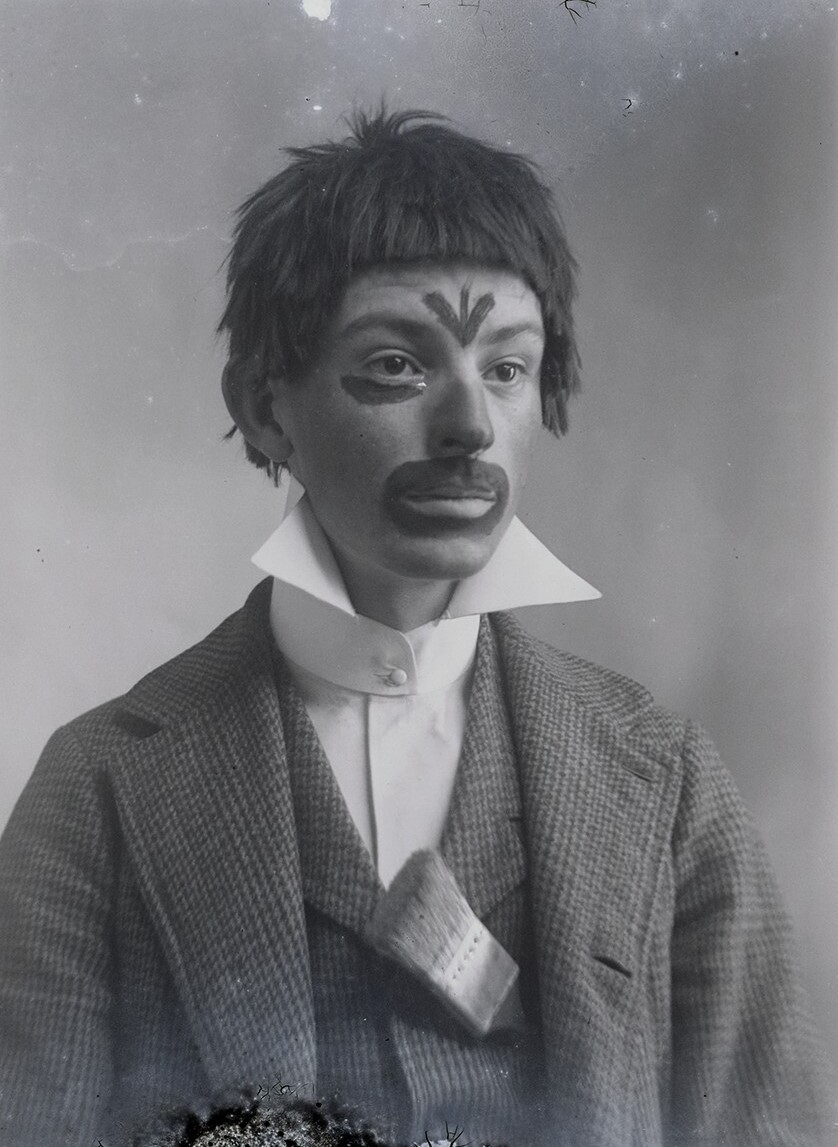
Untitled, ca. 1897-1922
Glass plate negative
24 x 20 in. (61 x 50.8 cm.)
Courtesy of the Rubestein Rare Book and Manuscript Library at Duke University, Durham, North Carolina
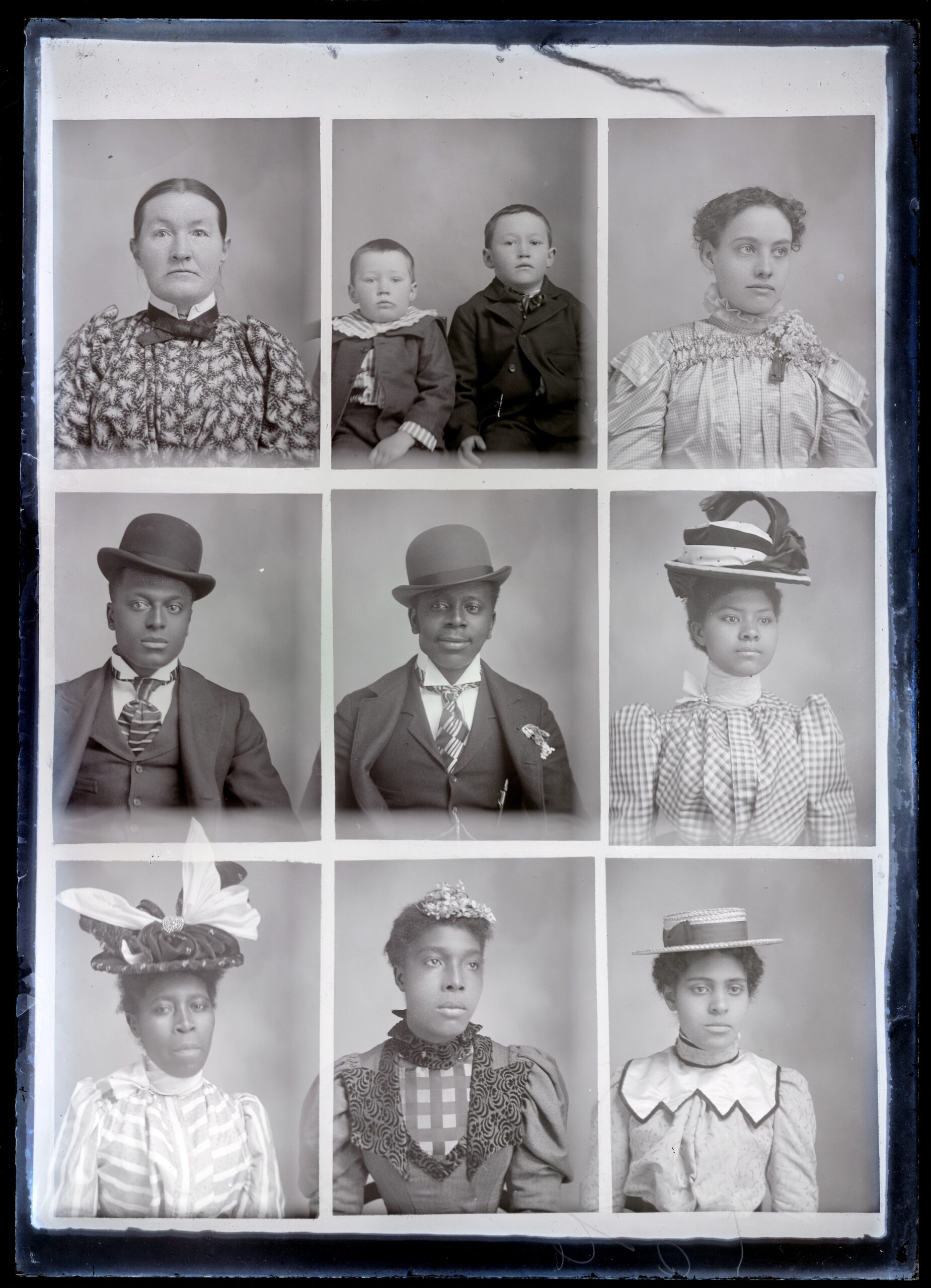
Untitled, ca. 1897-1922
Glass plate negative
24 x 20 in. (61 x 50.8 cm.)
Courtesy of the Rubestein Rare Book and Manuscript Library at Duke University, Durham, North Carolina
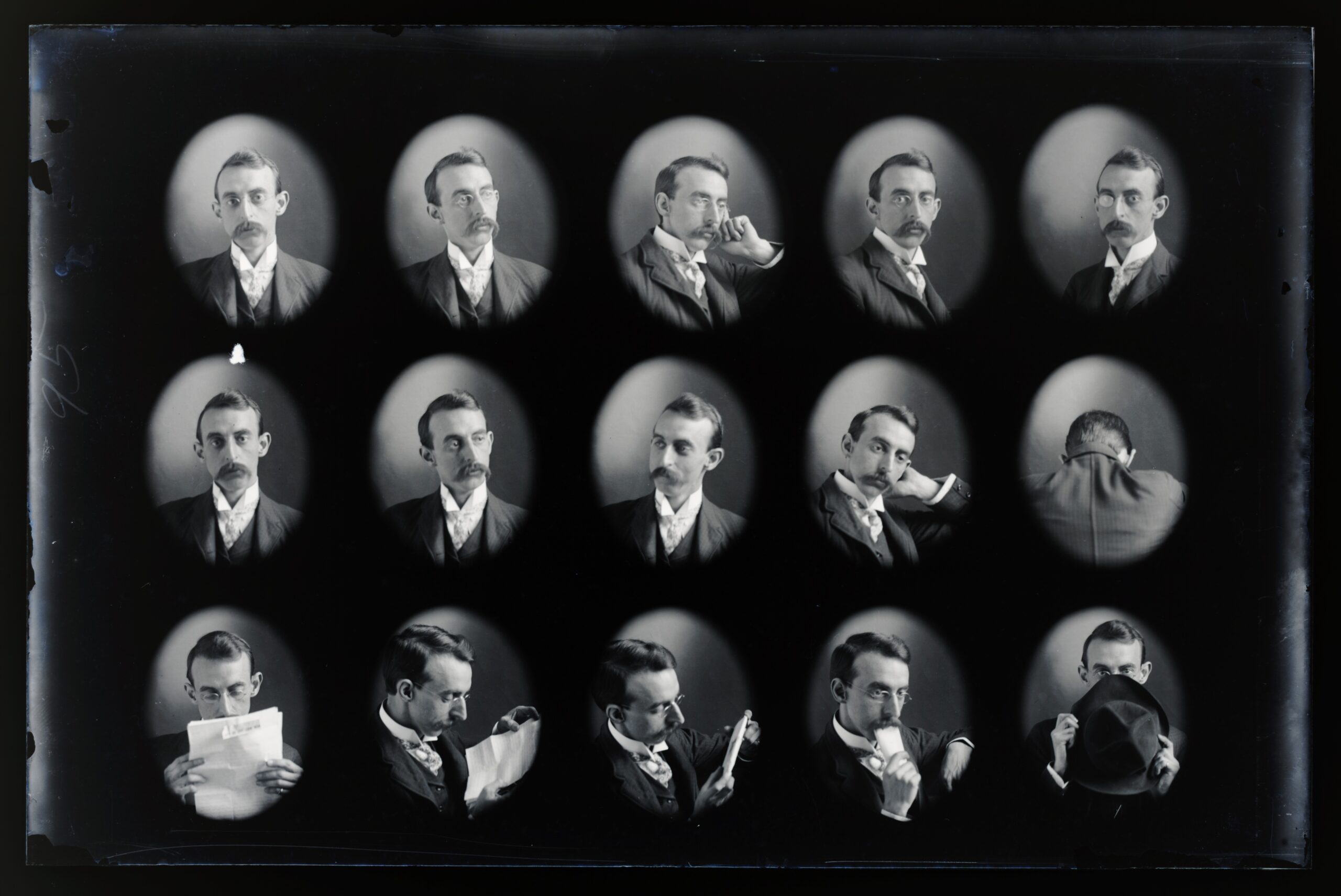
Untitled, ca. 1897-1922
Glass plate negative
24 x 20 in. (61 x 50.8 cm.)
Courtesy of the Rubestein Rare Book and Manuscript Library at Duke University, Durham, North Carolina

Untitled, ca. 1897-1922
Glass plate negative
24 x 20 in. (61 x 50.8 cm.)
Courtesy of the Rubestein Rare Book and Manuscript Library at Duke University, Durham, North Carolina
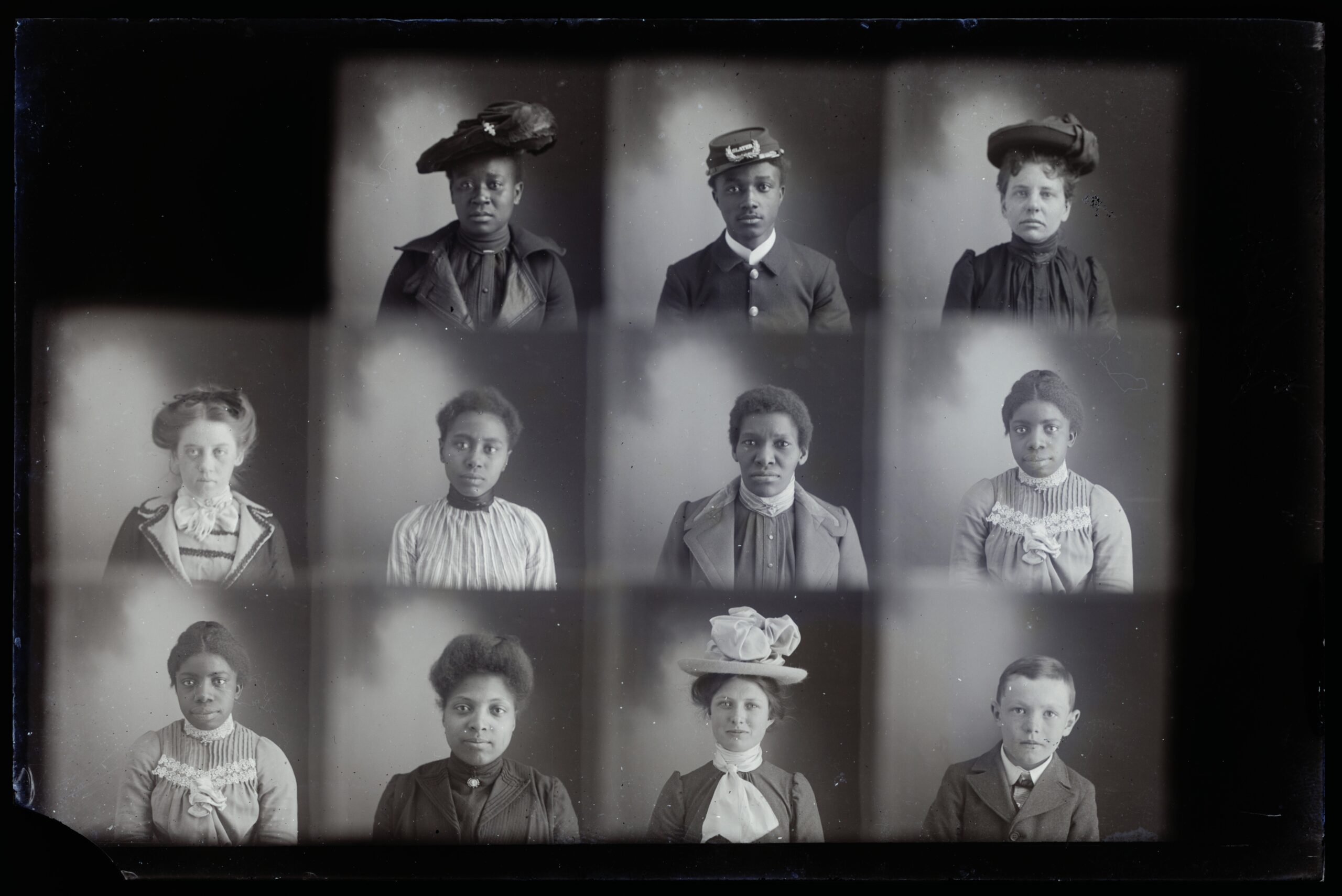
Untitled, ca. 1897-1922
Glass plate negative
24 x 20 in. (61 x 50.8 cm.)
Courtesy of the Rubestein Rare Book and Manuscript Library at Duke University, Durham, North Carolina
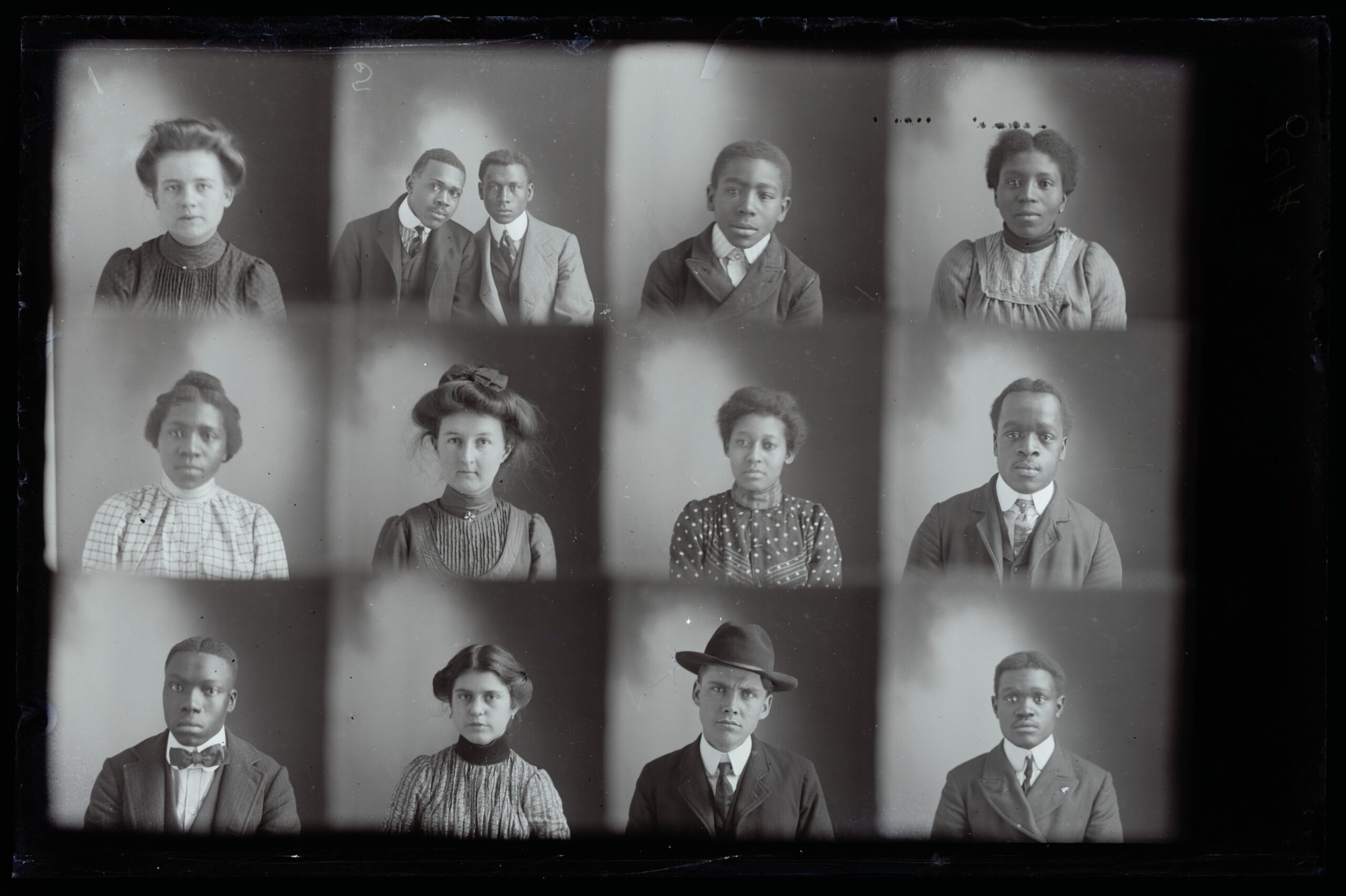
Untitled, ca. 1897-1922
Glass plate negative
24 x 20 in. (61 x 50.8 cm.)
Courtesy of the Rubestein Rare Book and Manuscript Library at Duke University, Durham, North Carolina
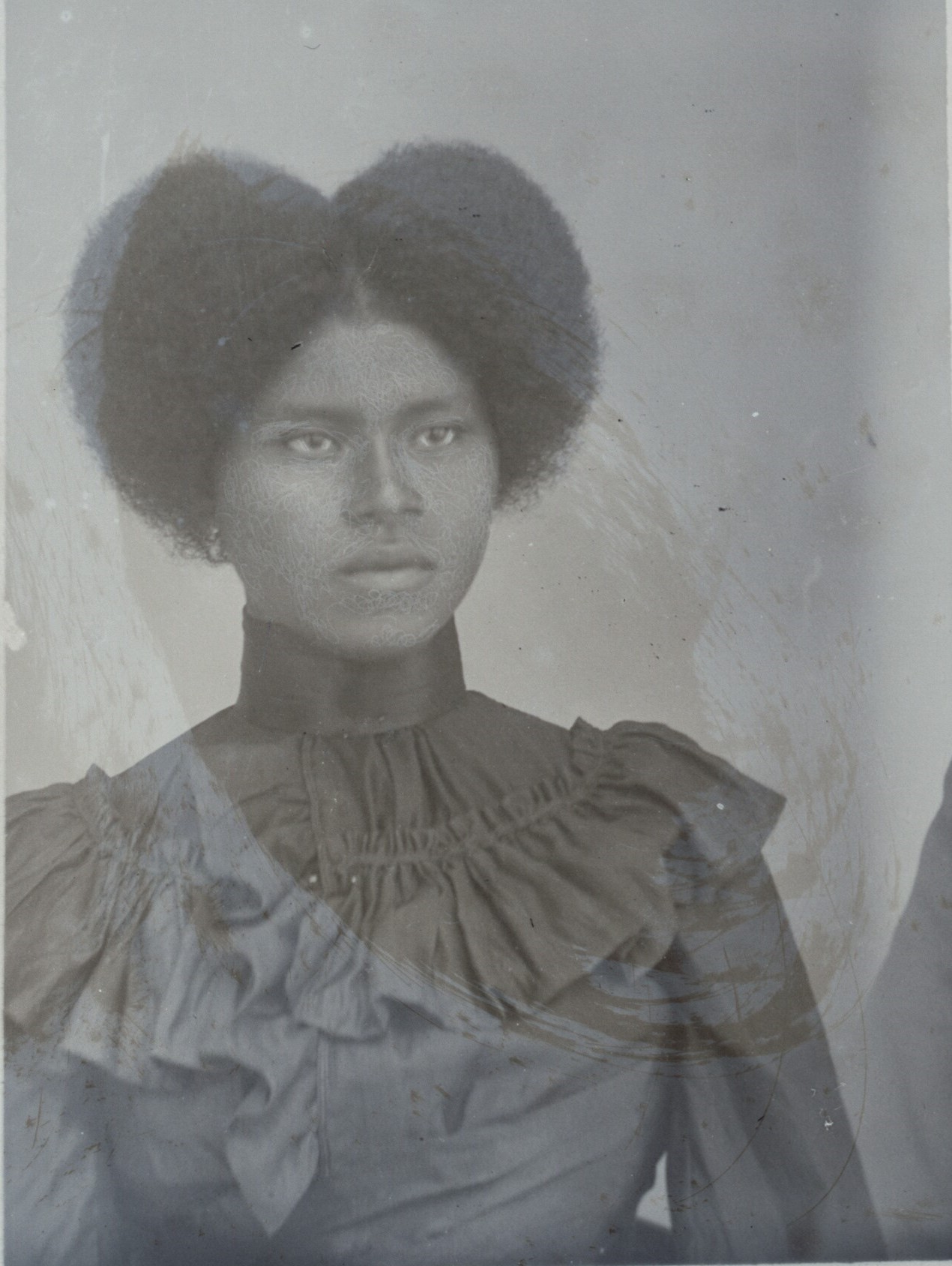
Untitled, ca. 1897-1922
Glass plate negative
24 x 20 in. (61 x 50.8 cm.)
Courtesy of the Rubestein Rare Book and Manuscript Library at Duke University, Durham, North Carolina
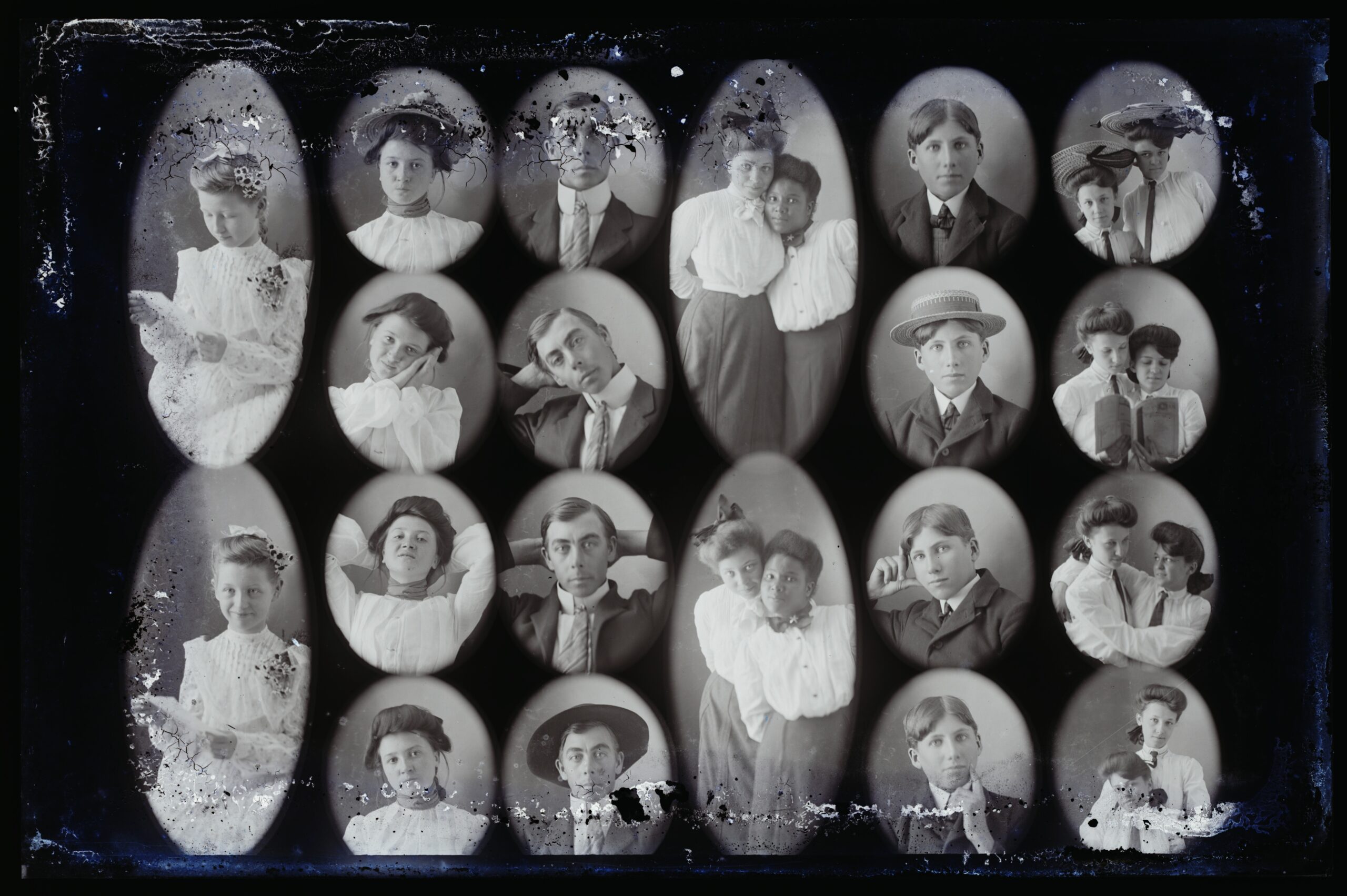
Untitled, ca. 1897-1922
Glass plate negative
24 x 20 in. (61 x 50.8 cm.)
Courtesy of the Rubestein Rare Book and Manuscript Library at Duke University, Durham, North Carolina
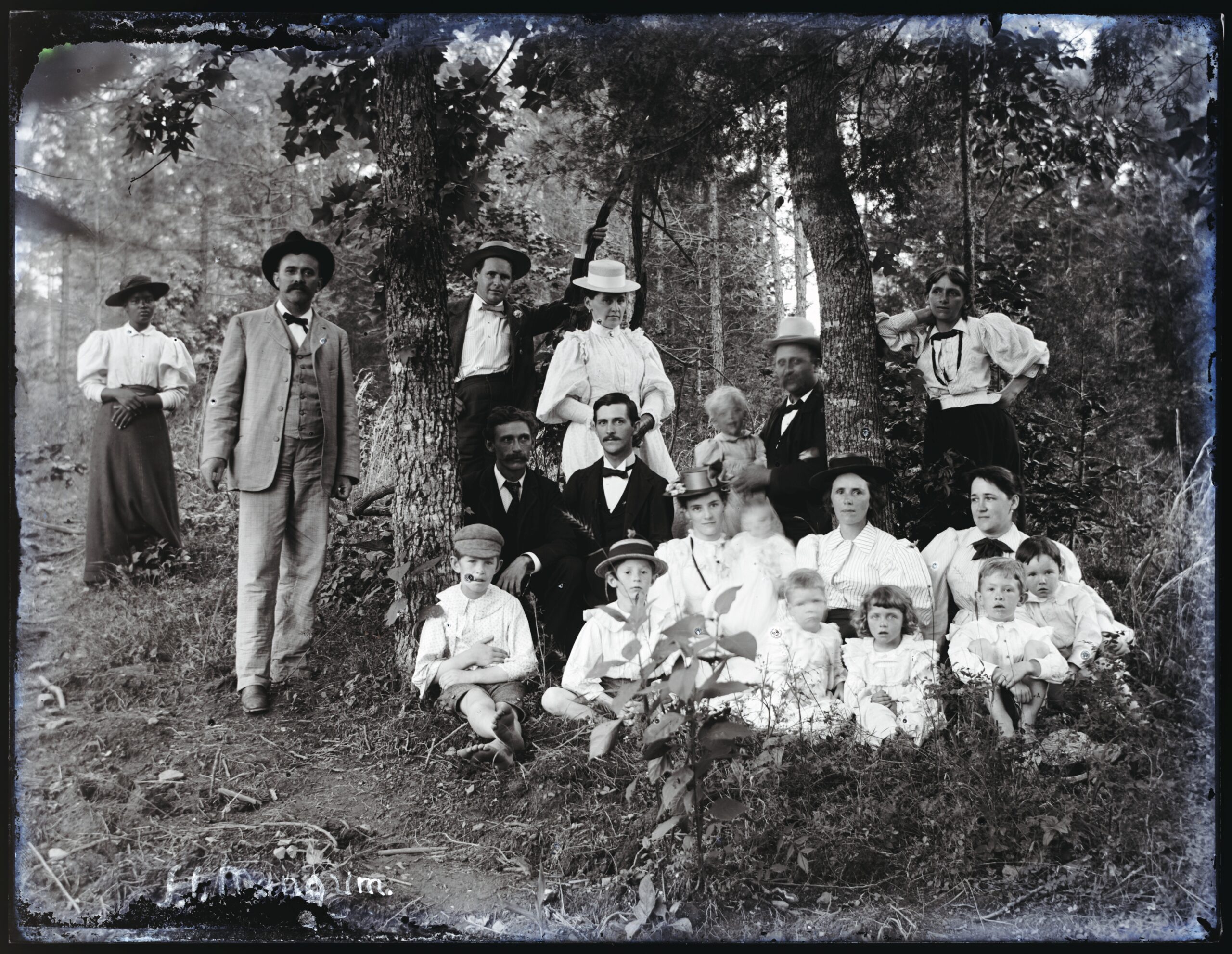
Untitled, ca. 1897-1922
Glass plate negative
24 x 20 in. (61 x 50.8 cm.)
Courtesy of the Rubestein Rare Book and Manuscript Library at Duke University, Durham, North Carolina
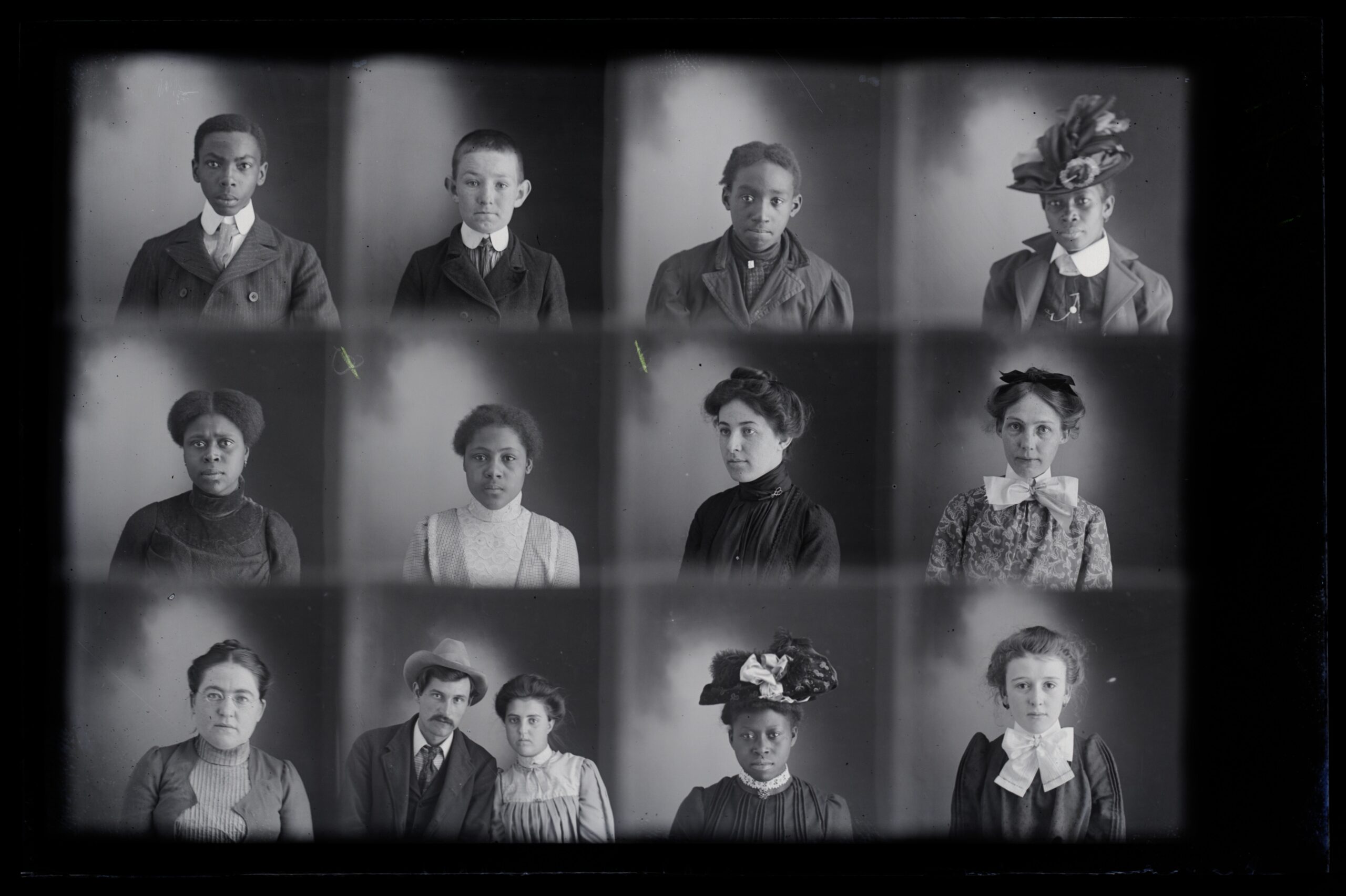
Untitled, ca. 1897-1922
Glass plate negative
24 x 20 in. (61 x 50.8 cm.)
Courtesy of the Rubestein Rare Book and Manuscript Library at Duke University, Durham, North Carolina
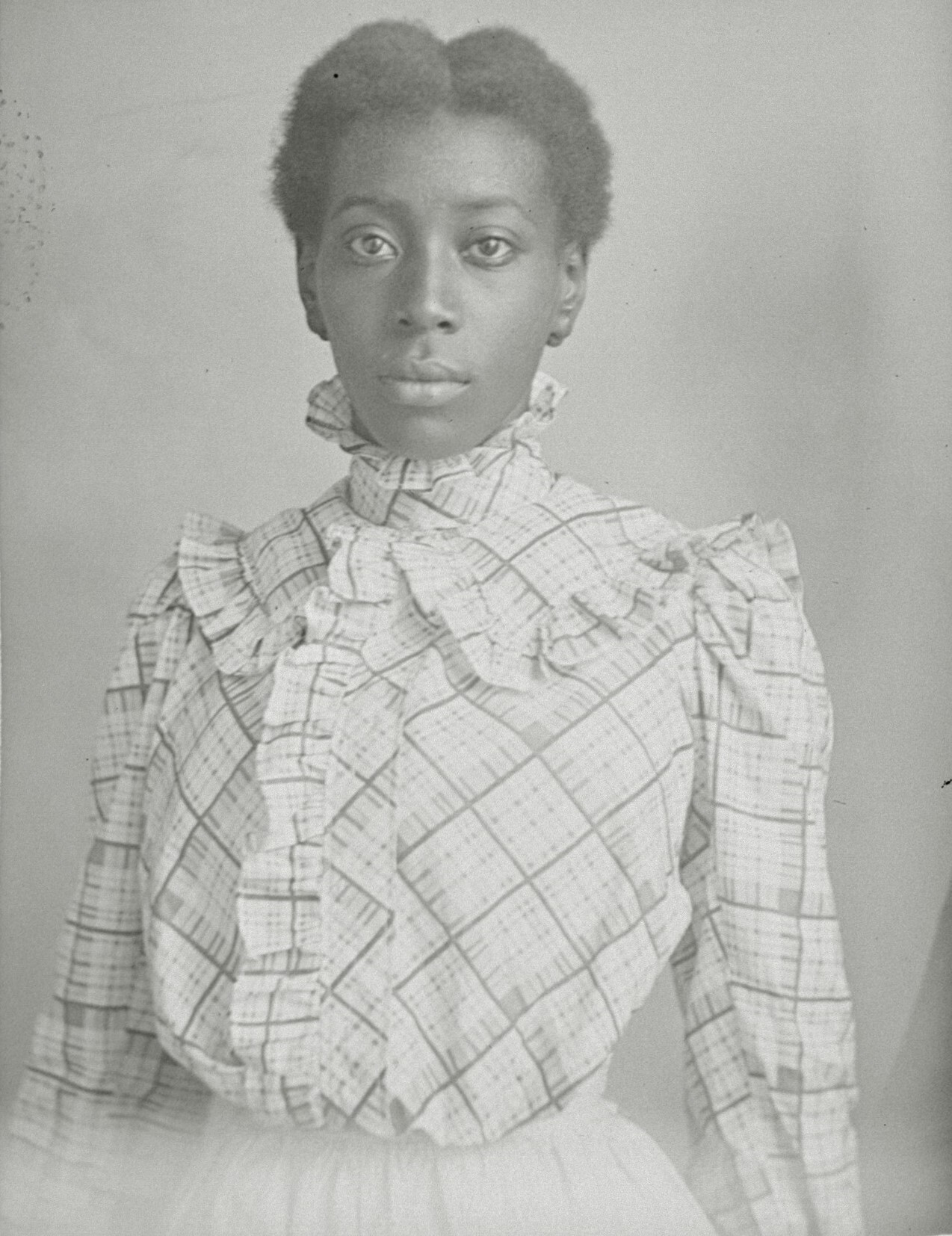
Untitled, ca. 1897-1922
Glass plate negative
24 x 20 in. (61 x 50.8 cm.)
Courtesy of the Rubestein Rare Book and Manuscript Library at Duke University, Durham, North Carolina
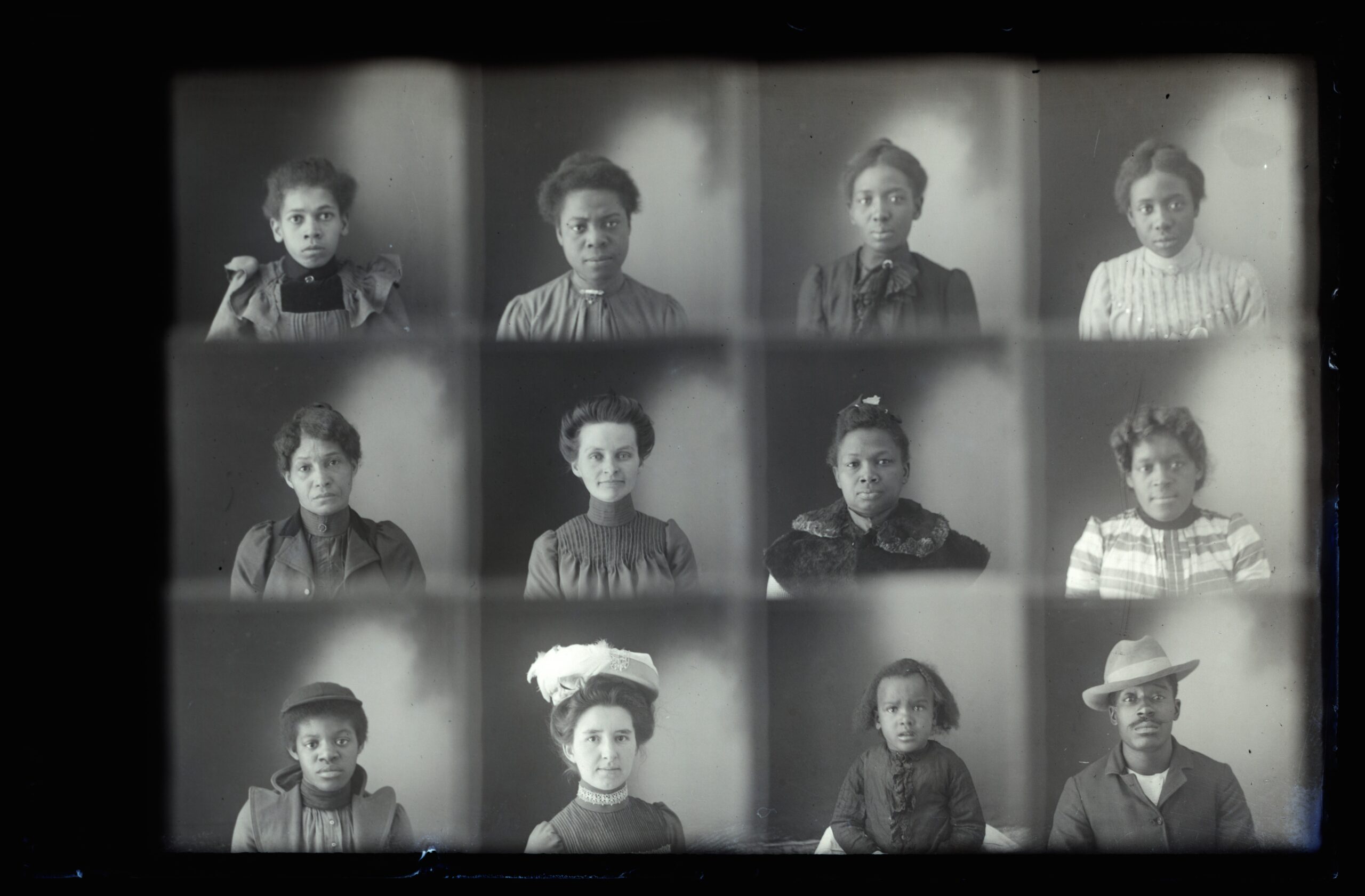
Untitled, ca. 1897-1922
Glass plate negative
24 x 20 in. (61 x 50.8 cm.)
Courtesy of the Rubestein Rare Book and Manuscript Library at Duke University, Durham, North Carolina
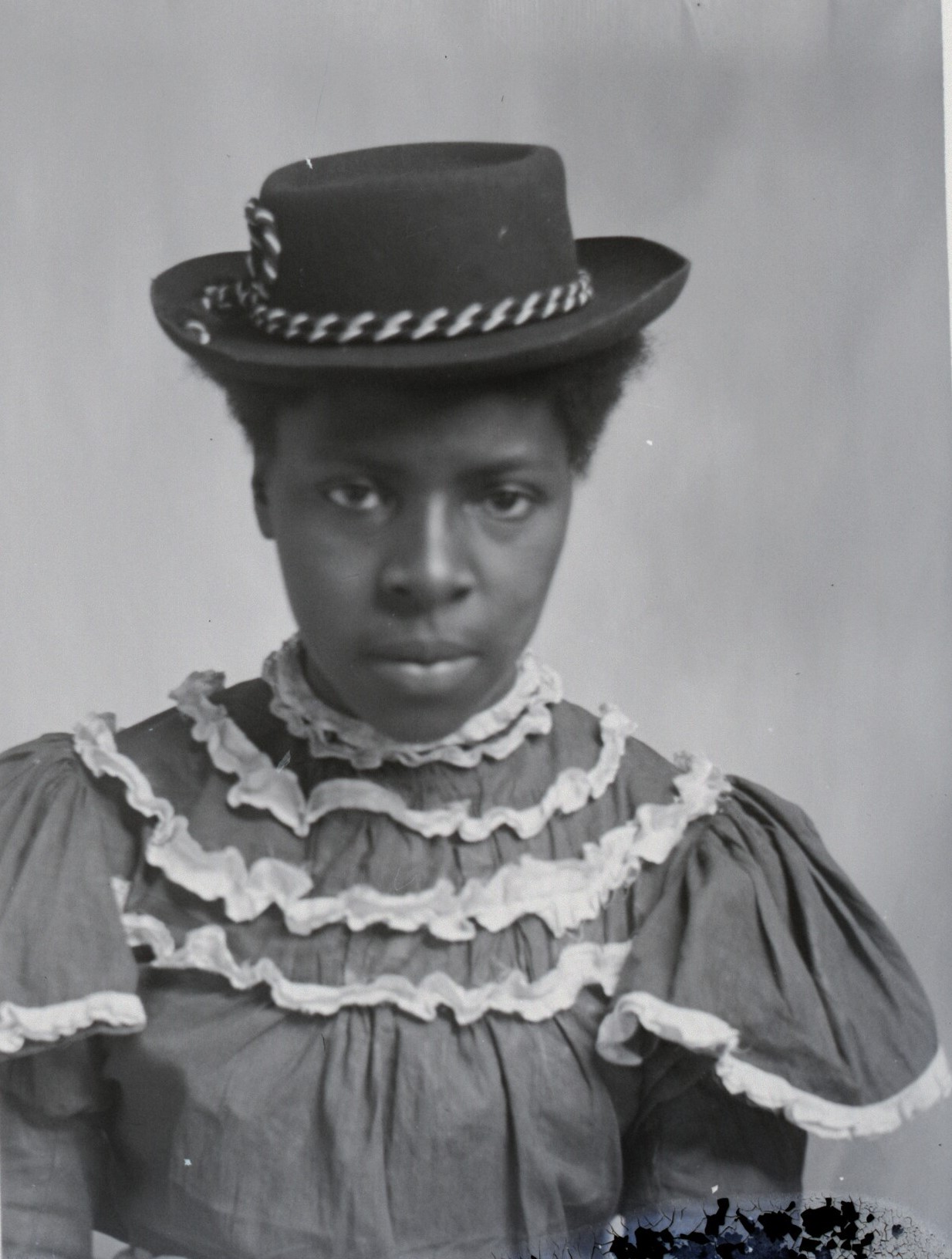
Untitled, ca. 1897-1922
Glass plate negative
24 x 20 in. (61 x 50.8 cm.)
Courtesy of the Rubestein Rare Book and Manuscript Library at Duke University, Durham, North Carolina
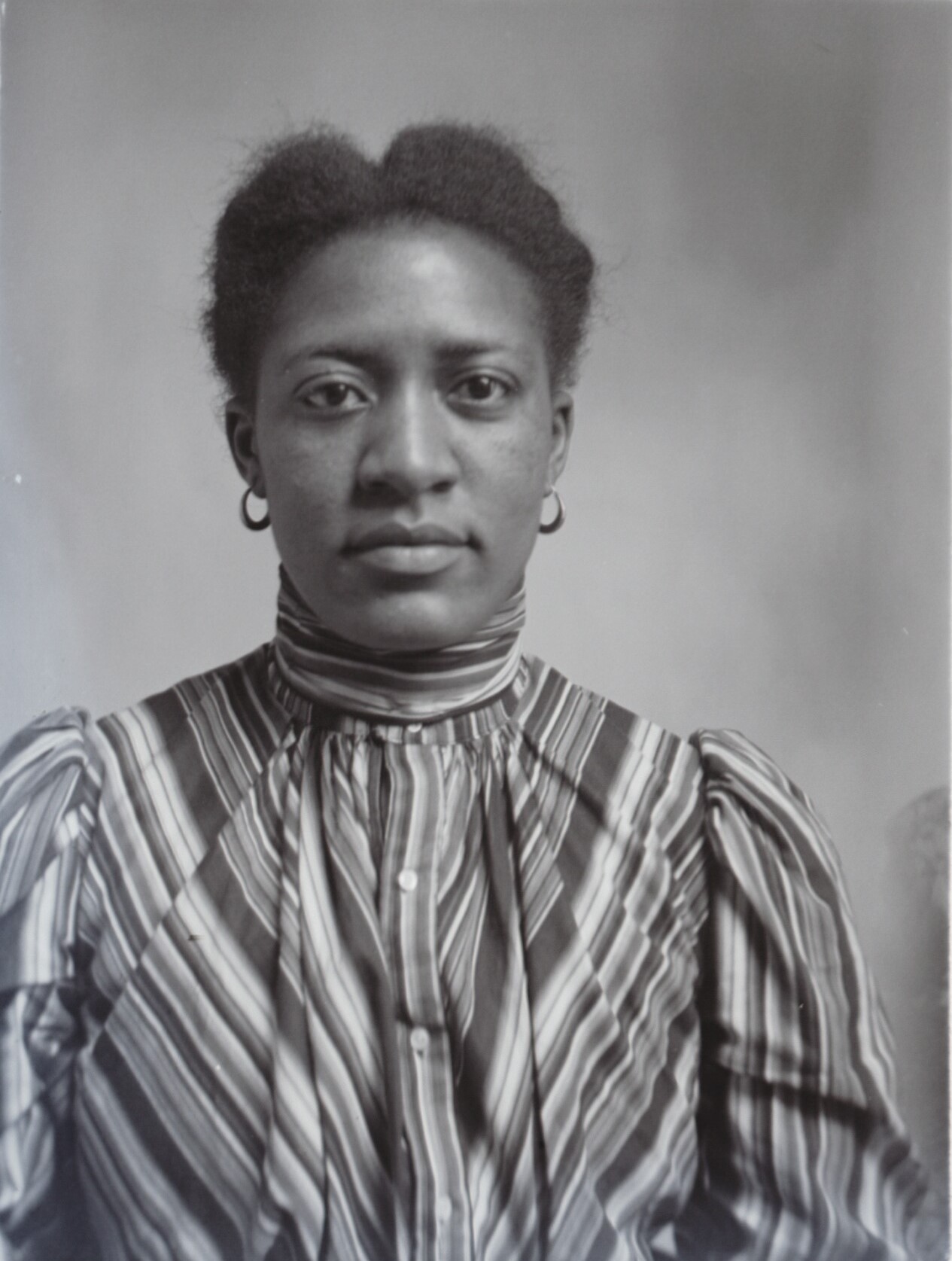
Untitled, ca. 1897-1922
Glass plate negative
24 x 20 in. (61 x 50.8 cm.)
Courtesy of the Rubestein Rare Book and Manuscript Library at Duke University, Durham, North Carolina
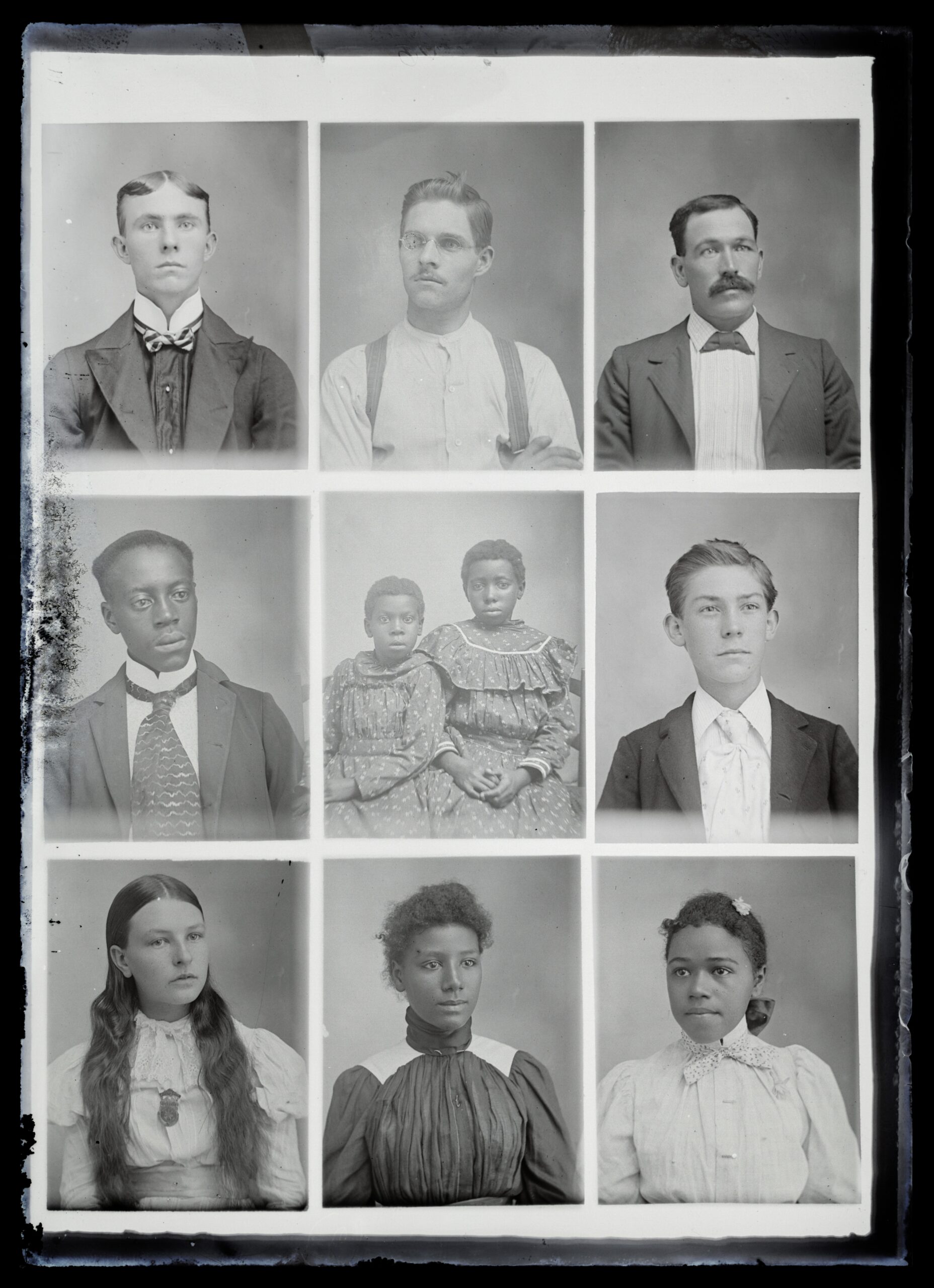
Untitled, ca. 1897-1922
Glass plate negative
24 x 20 in. (61 x 50.8 cm.)
Courtesy of the Rubestein Rare Book and Manuscript Library at Duke University, Durham, North Carolina
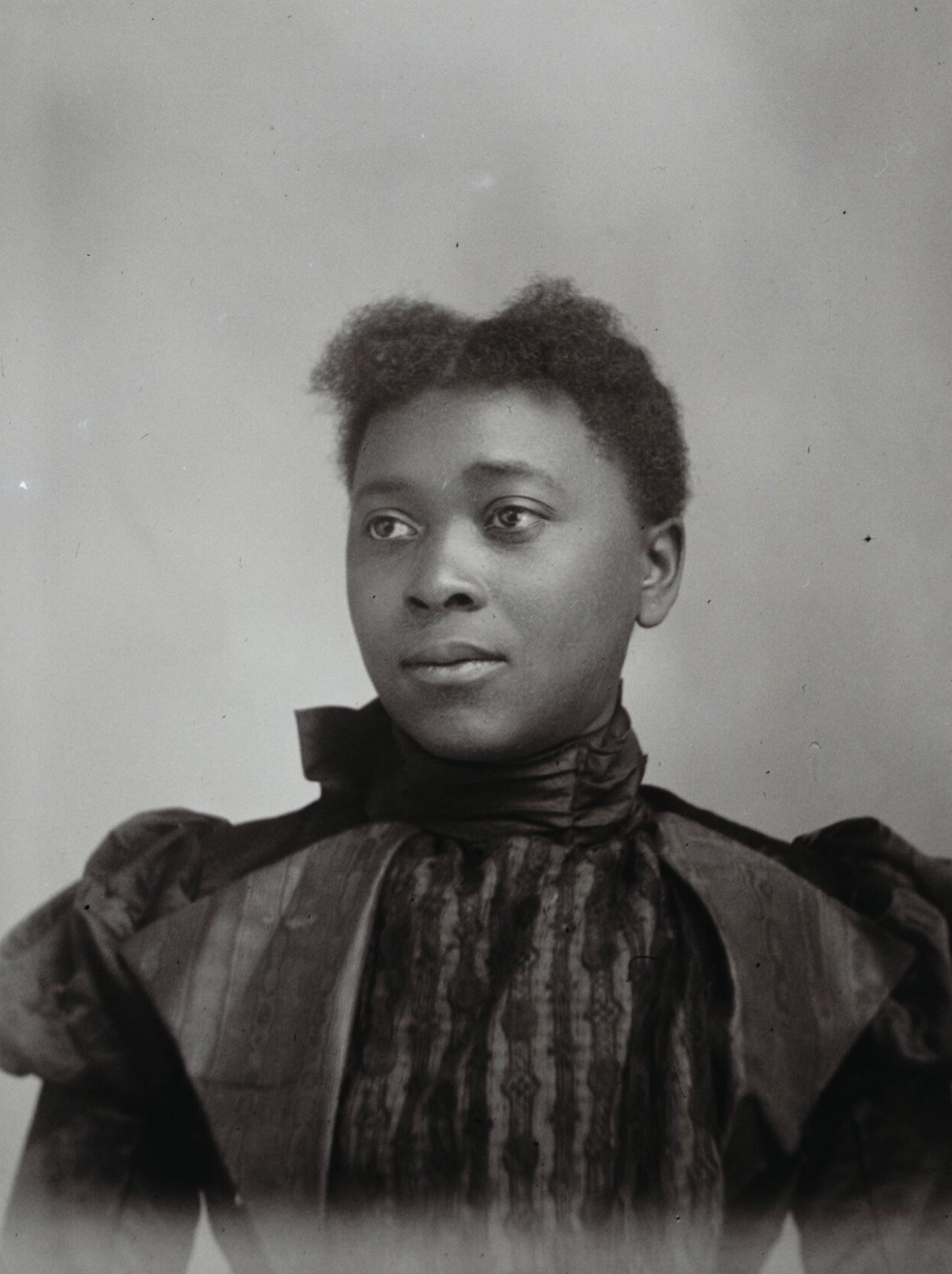
Untitled, ca. 1897-1922
Glass plate negative
24 x 20 in. (61 x 50.8 cm.)
Courtesy of the Rubestein Rare Book and Manuscript Library at Duke University, Durham, North Carolina
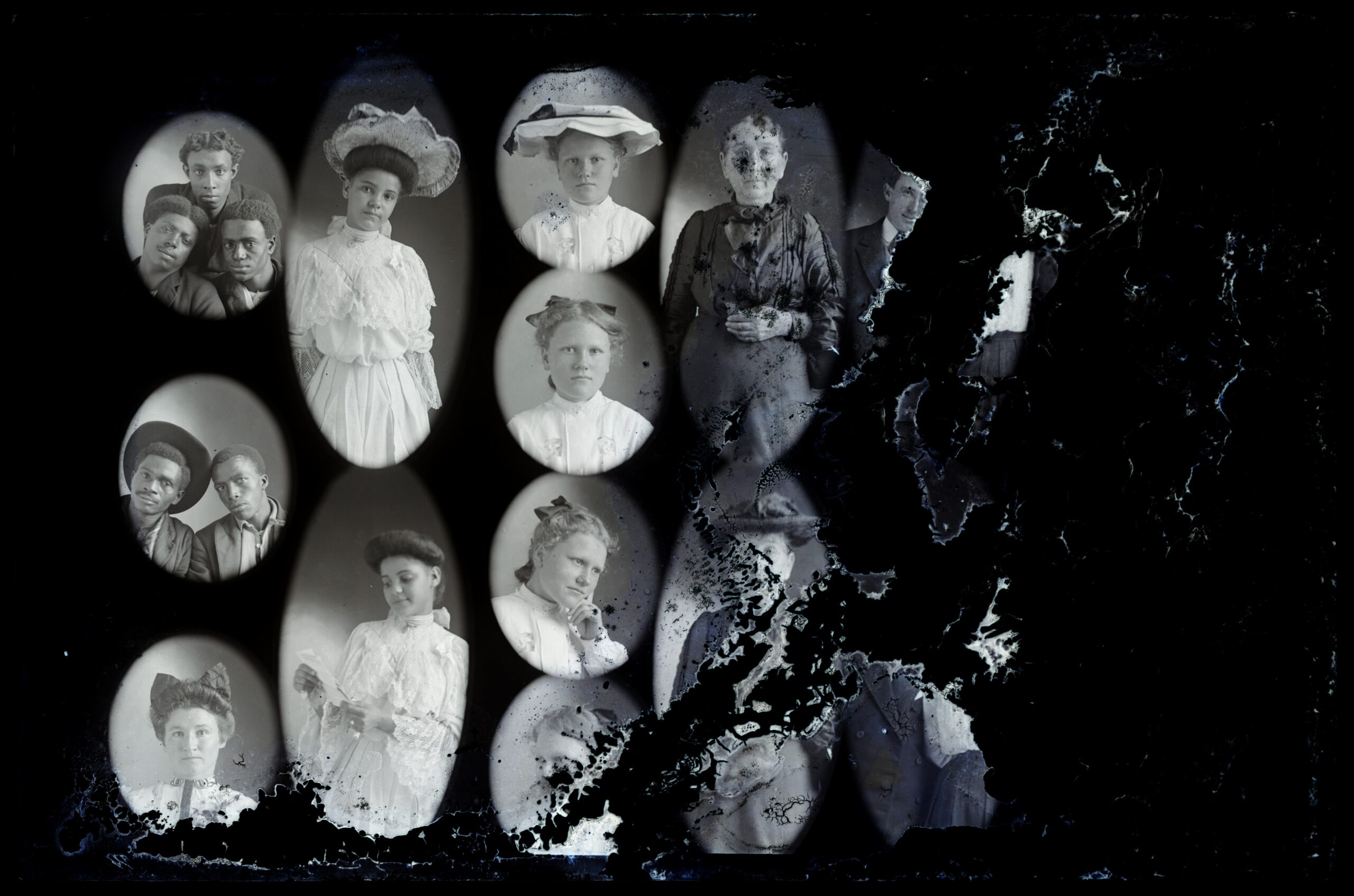
Untitled, ca. 1897-1922
Glass plate negative
24 x 20 in. (61 x 50.8 cm.)
Courtesy of the Rubestein Rare Book and Manuscript Library at Duke University, Durham, North Carolina
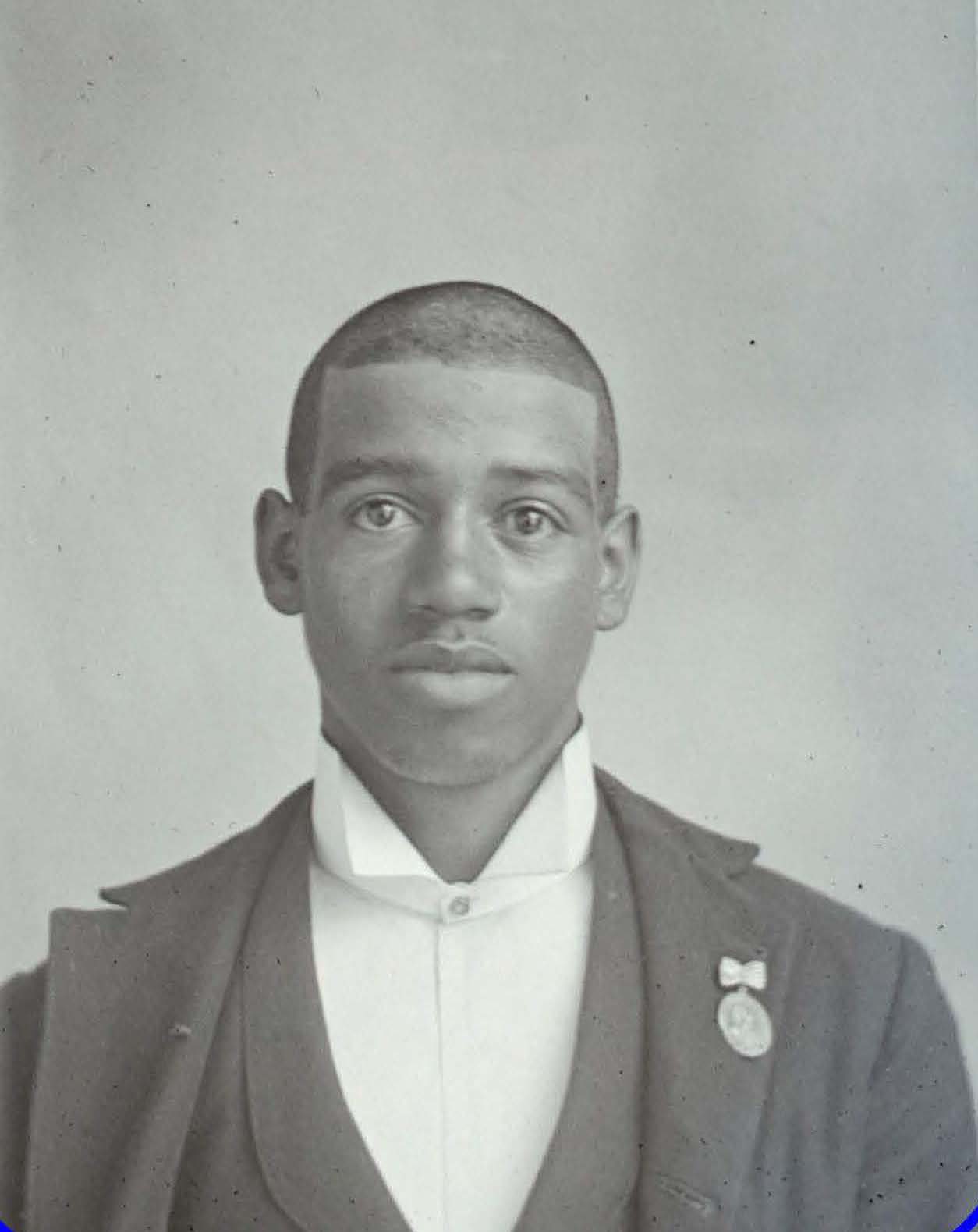
Untitled, ca. 1897-1922
Glass plate negative
24 x 20 in. (61 x 50.8 cm.)
Courtesy of the Rubestein Rare Book and Manuscript Library at Duke University, Durham, North Carolina
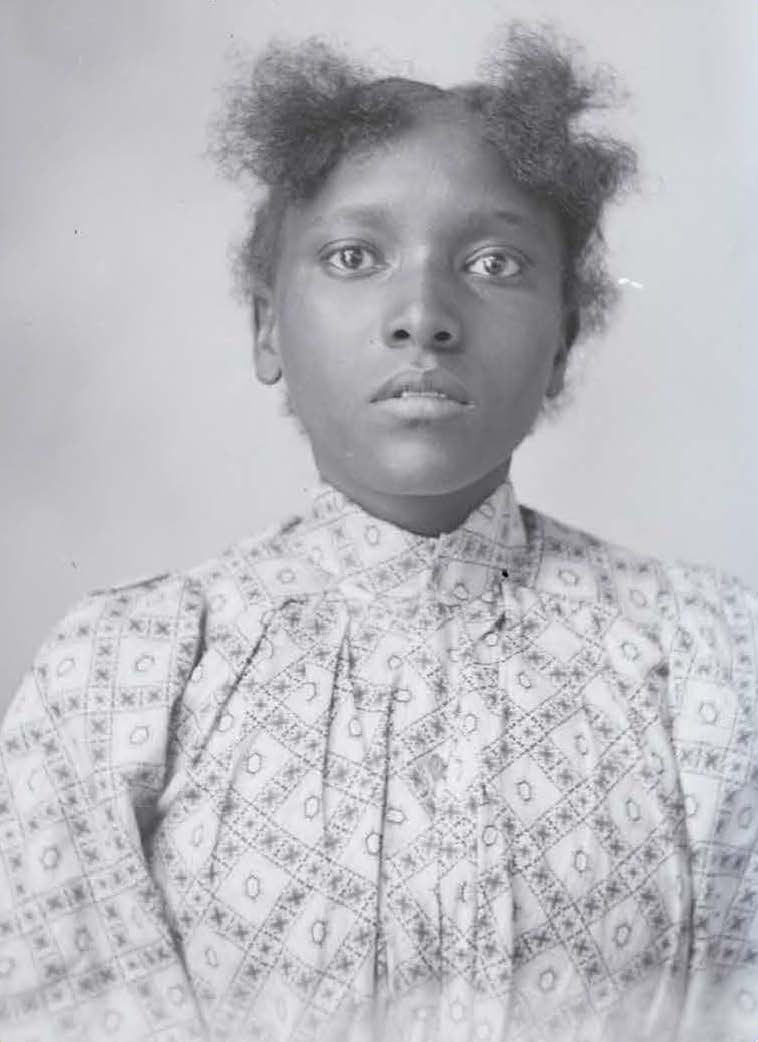
Untitled, ca. 1897-1922
Glass plate negative
24 x 20 in. (61 x 50.8 cm.)
Courtesy of the Rubestein Rare Book and Manuscript Library at Duke University, Durham, North Carolina
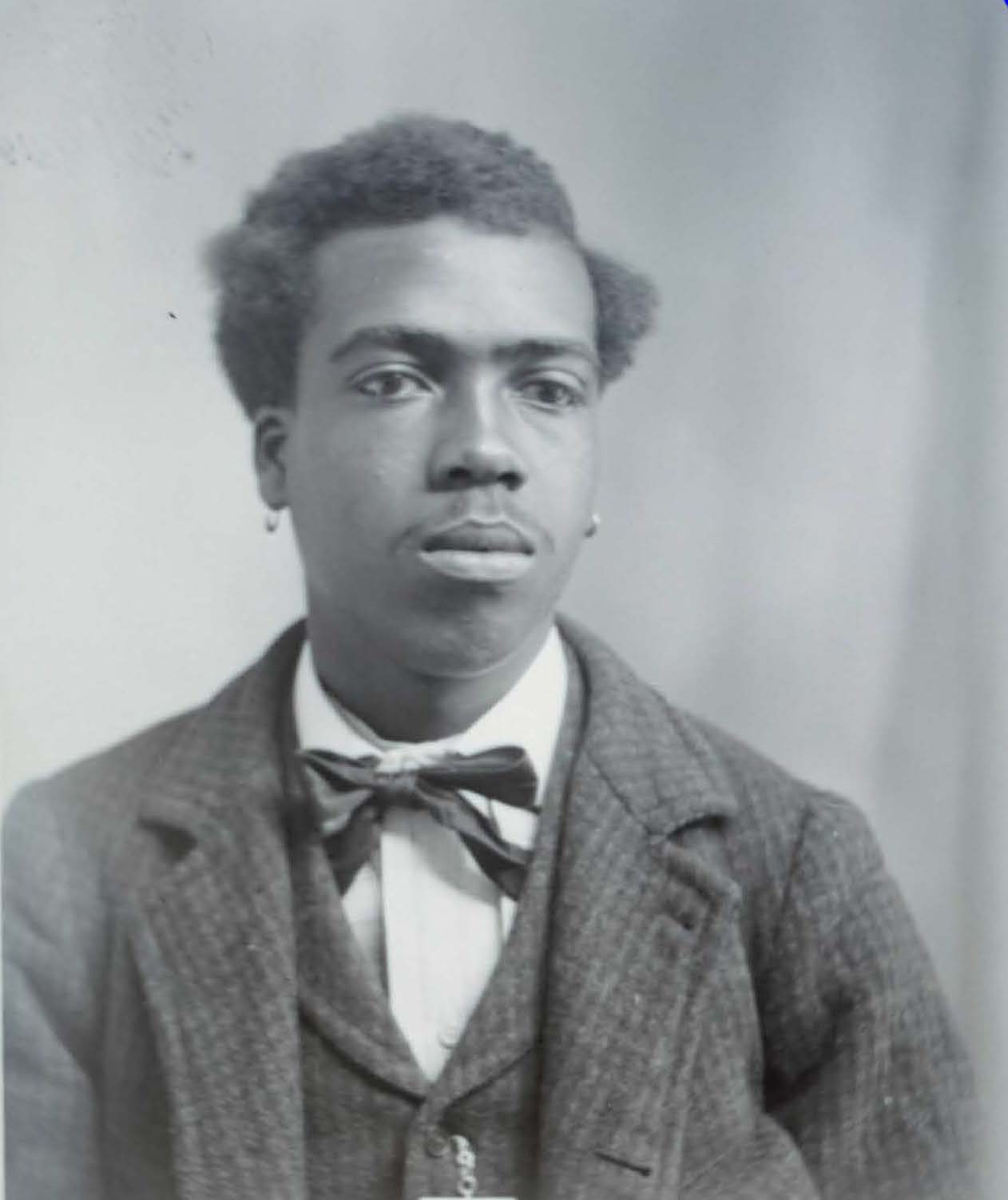
Untitled, ca. 1897-1922
Glass plate negative
24 x 20 in. (61 x 50.8 cm.)
Courtesy of the Rubestein Rare Book and Manuscript Library at Duke University, Durham, North Carolina
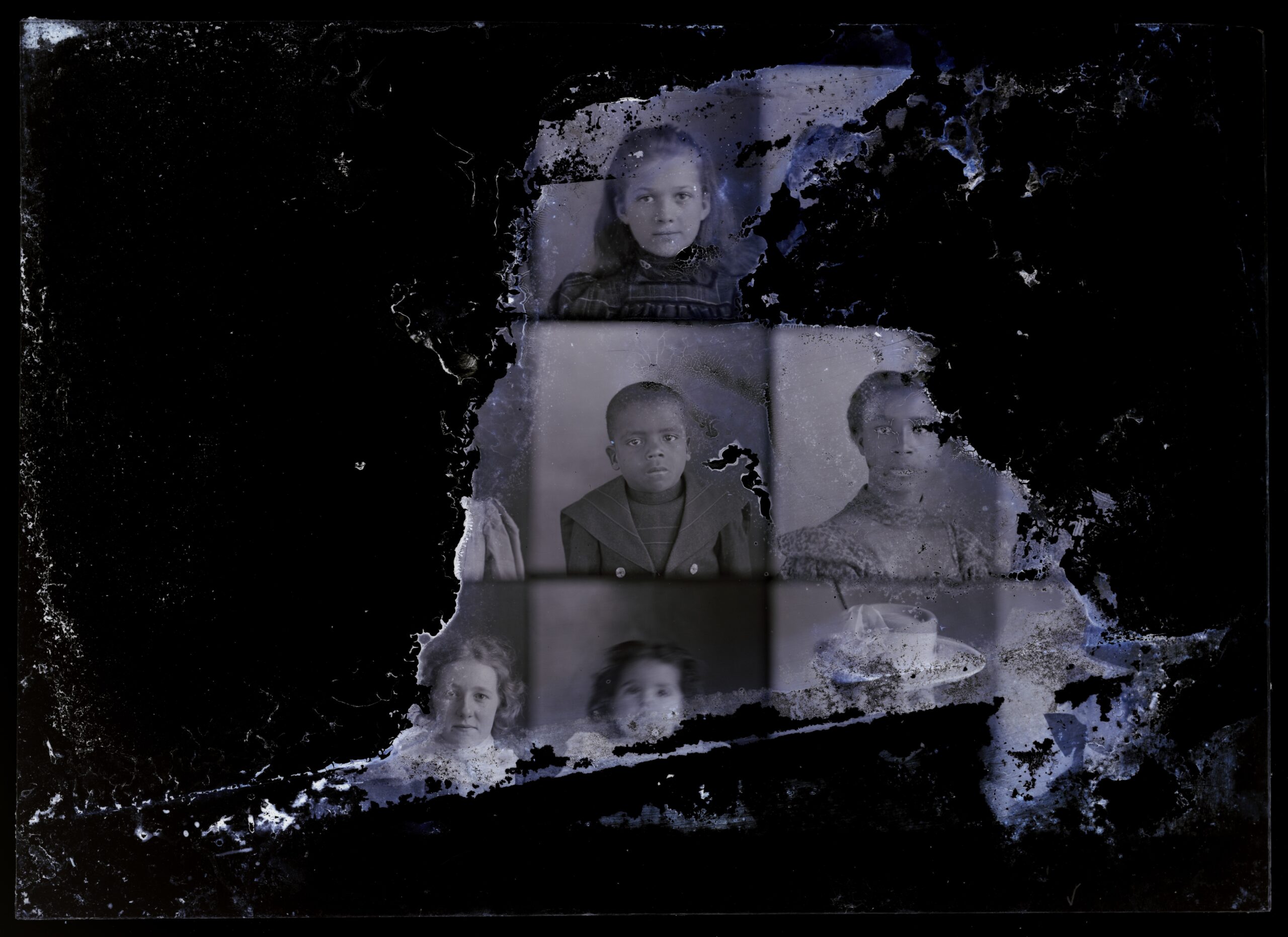
Untitled, ca. 1897-1922
Glass plate negative
24 x 20 in. (61 x 50.8 cm.)
Courtesy of the Rubestein Rare Book and Manuscript Library at Duke University, Durham, North Carolina
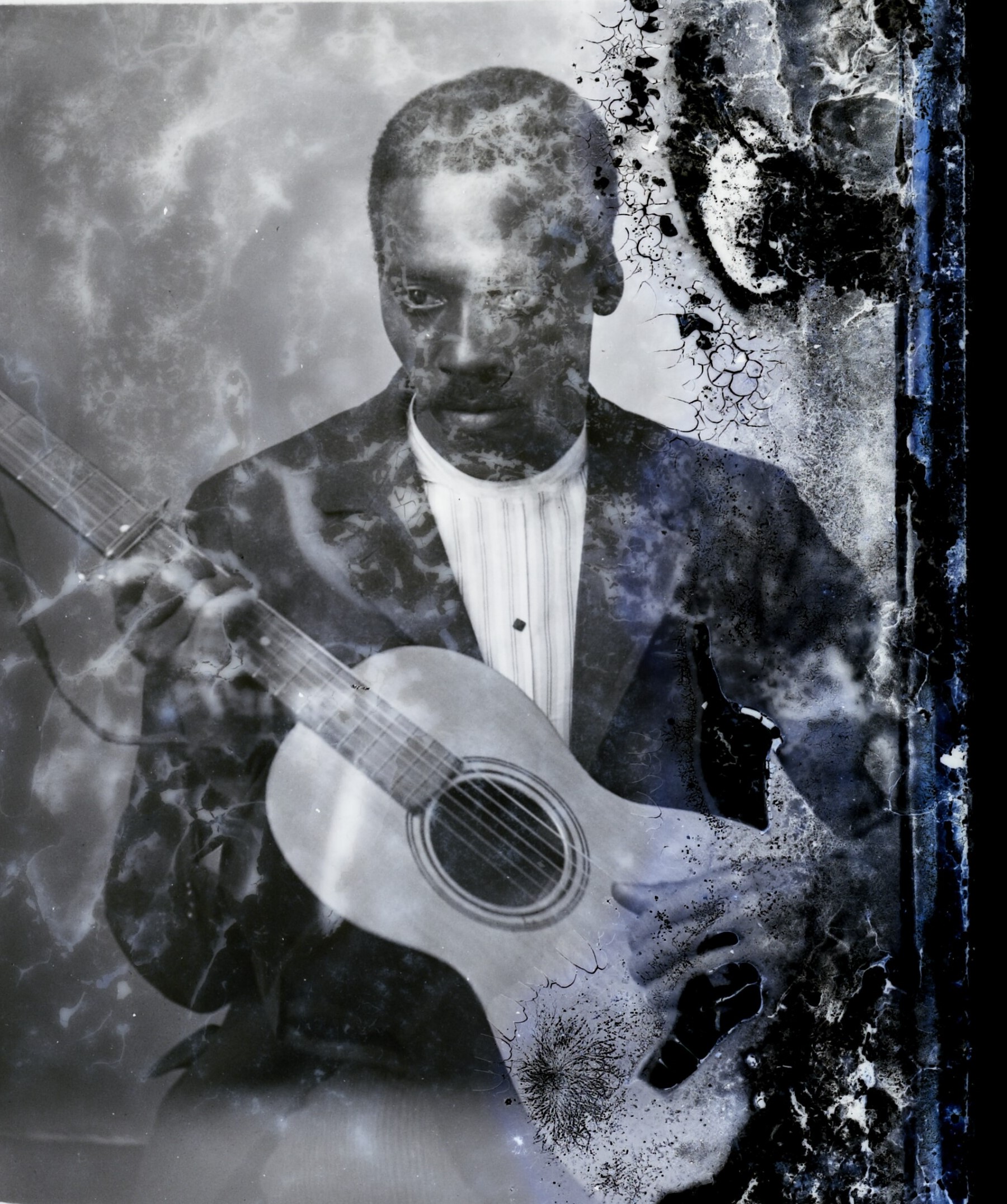
Untitled, ca. 1897-1922
Glass plate negative
24 x 20 in. (61 x 50.8 cm.)
Courtesy of the Rubestein Rare Book and Manuscript Library at Duke University, Durham, North Carolina
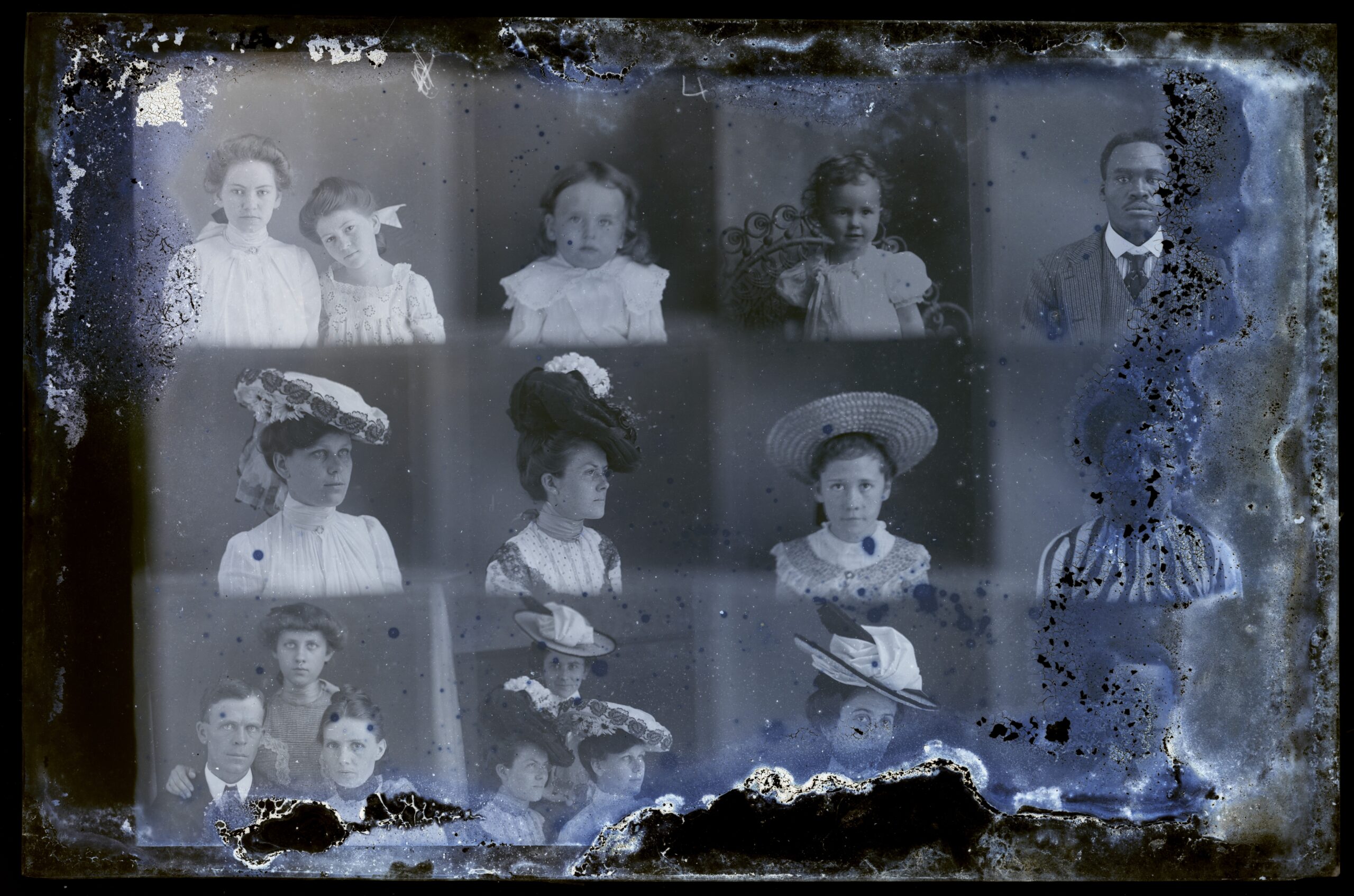
Untitled, ca. 1897-1922
Glass plate negative
24 x 20 in. (61 x 50.8 cm.)
Courtesy of the Rubestein Rare Book and Manuscript Library at Duke University, Durham, North Carolina
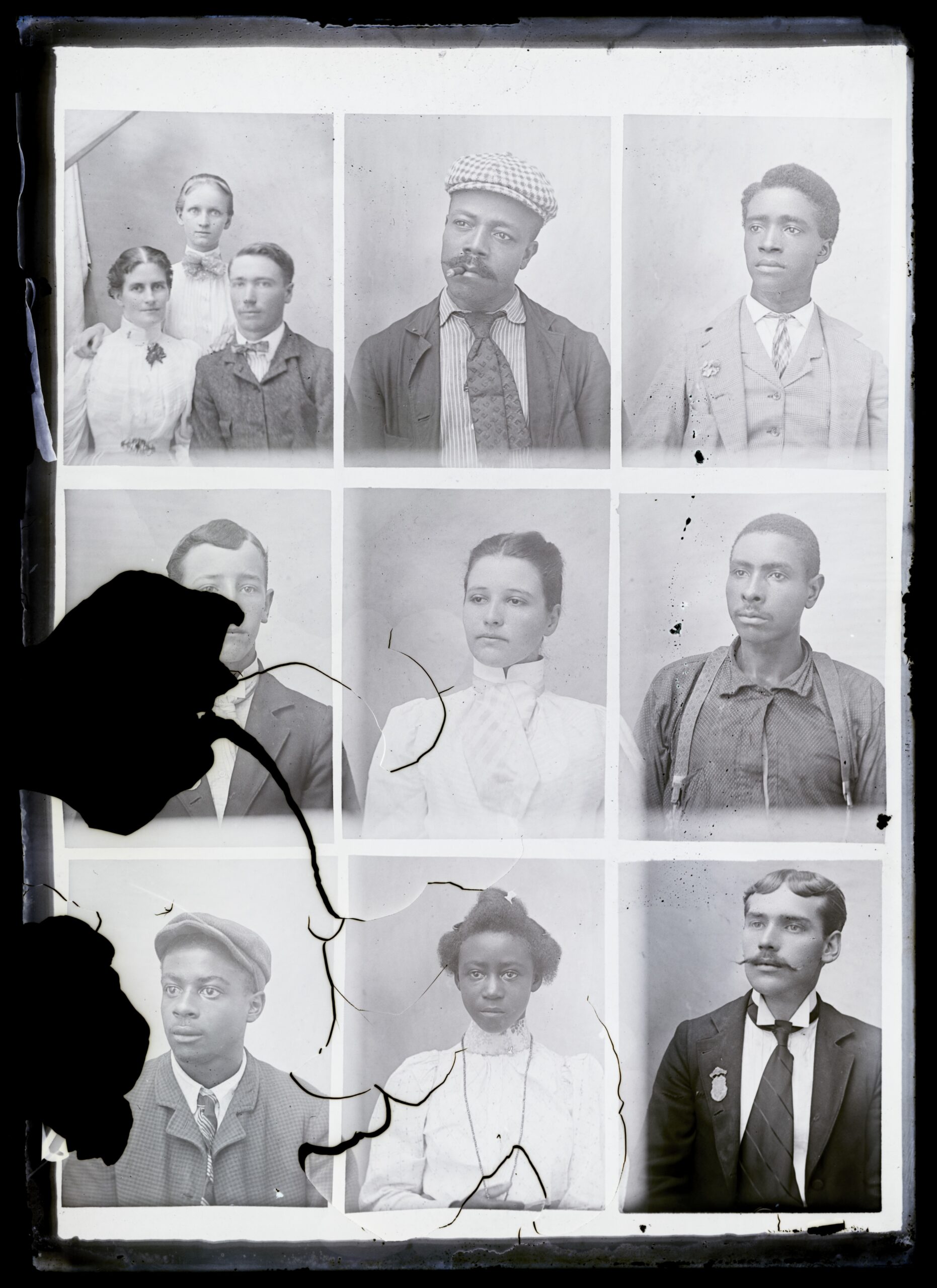
Untitled, ca. 1897-1922
Glass plate negative
24 x 20 in. (61 x 50.8 cm.)
Courtesy of the Rubestein Rare Book and Manuscript Library at Duke University, Durham, North Carolina
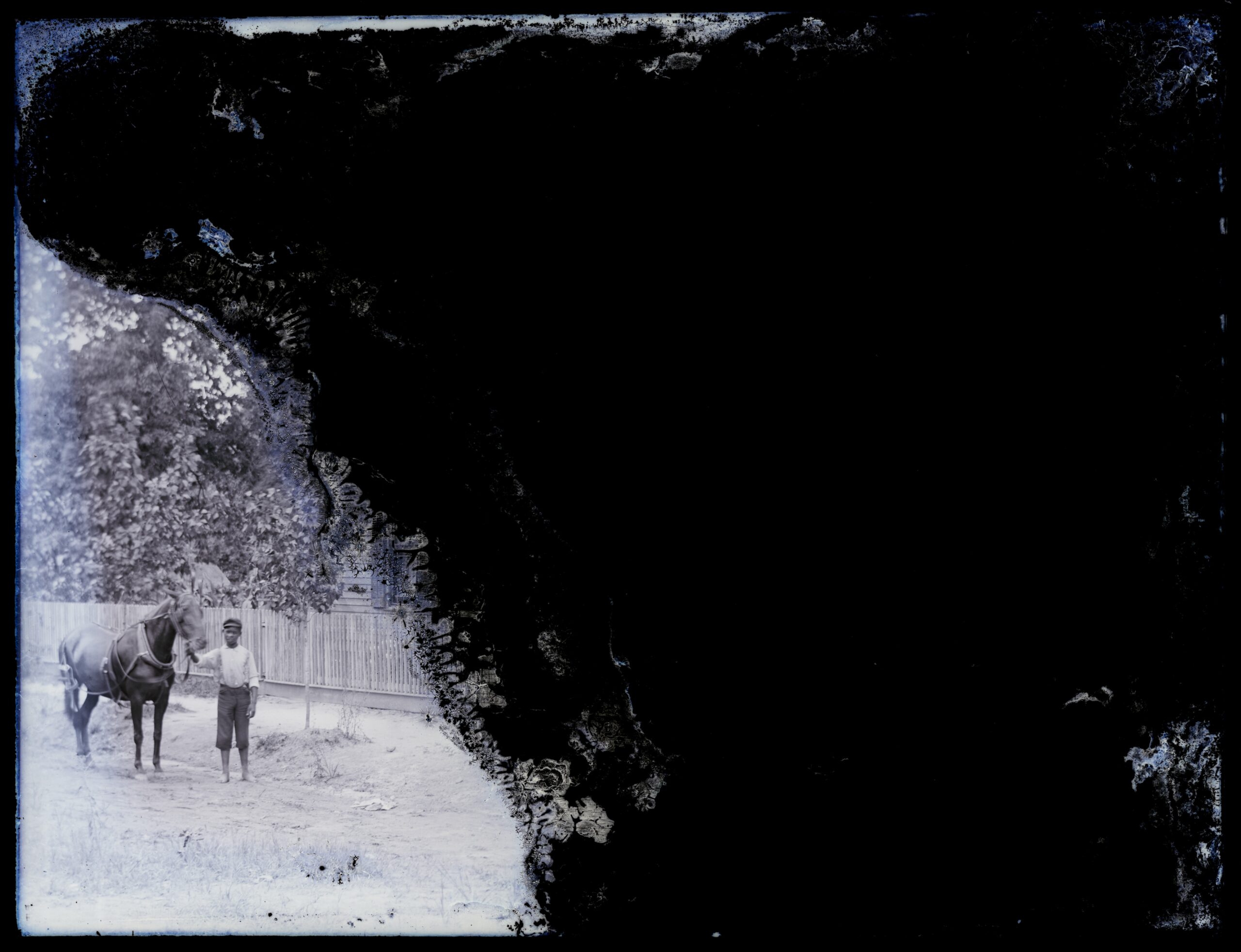
Untitled, ca. 1897-1922
Glass plate negative
24 x 20 in. (61 x 50.8 cm.)
Courtesy of the Rubestein Rare Book and Manuscript Library at Duke University, Durham, North Carolina