

Ingots from Robert E. Lee Monument
Charlottesville, Virginia
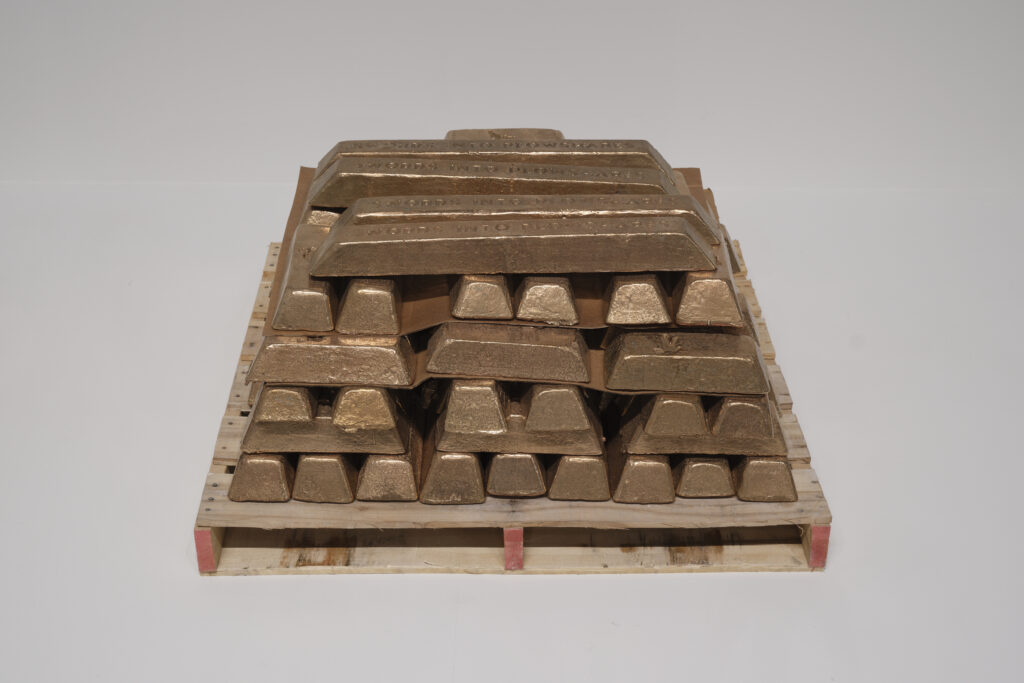
Ingots from the Robert E. Lee Monument, Charlottesville, Virginia, 2024
Bronze ingots
Small ingots: 3 x 11 x 3 in. (7.6 x 28 x 7.6 cm)
Large ingots: 4 x 28 x 3 in. (10.2 x 71.1 x 7.6 cm)
Installation dimensions variable
Jefferson School African American Heritage Center, Charlottesville, Virginia
Filed Under:
Ingots from Robert E. Lee Monument
Monument Sponsor: Paul Goodloe McIntire (1860-1952)
Dedicated: 1924
Removed: 2021
Ingot Sponsor: Swords Into Plowshares
Melted 2023
Demands for removal of Confederate memorials escalated after the 2015 shooting at Emanuel AME Church in Charleston. Several months later, in Charlottesville, a petition circulated by high school student Zyahna Bryant prompted the city council to take up the issue. The council convened the Blue Ribbon Commission on Race, Monuments, and Public Spaces (BRC). In its final report, the BRC recommended the removal of two equestrian statues, one of Robert E. Lee, the other of Stonewall Jackson, which the city council approved in February 2017. In response, a coalition of pro-monument groups filed a lawsuit, and a judge issued an injunction against removal. Throughout the summer of 2017, white-supremacist groups organized public marches and other events, culminating in the Unite the Right rally. On August 11, 2017, hundreds of white supremacists marched through the streets of Charlottesville and onto the University of Virginia campus with tiki torches, chanting “Jews will not replace us,” “you will not replace us,” “blood and soil,” and “white lives matter.” The following day, the scheduled rally organized by prominent white-supremacist and neo-Nazi groups faced significant counter-protests, leading to violence. Heather Heyer, a counter-protester, was killed when a self-proclaimed neo-Nazi drove his car into the crowd.
In the aftermath, neo-Confederate groups continued to “protect” the monuments with armed patrols in public parks. Despite the trauma these events caused city residents, the injunction remained in place. Following an April 2021 state supreme court ruling that concluded removal would not violate state law, the injunction was lifted, and five monuments across the city were dismantled in July of that year. In December 2021, the city gave ownership of the Lee monument to the Black-led Jefferson School African American Heritage Center for its Swords Into Plowshares (SIP) project. Through SIP, the bronze portions of the Lee monument have been melted down, and this material will be used to create a new work of public art informed by an extensive community engagement process with local residents.
By 1924, when the statue of Robert E. Lee was unveiled in Lee Park (now Market Street Park), the Confederate general had been thoroughly lionized. Within twenty-five years of the Civil War, Lee had gone from being pardoned as a traitor to a paragon of the civic ideals embodied in a military figure—bravery, heroism, and sacrifice. Though Lee was a competent tactician, his reputation was inflated in the years following the Civil War thanks to the efforts of men who served under him in the Army of Northern Virginia. Organizations like the Southern Historical Society and the United Confederate Veterans published recollections of the war that glorified Lee’s actions and repudiated any criticism of him as biased and unfair.
The memory of Lee was further whitewashed when it came to his views on chattel slavery. A staple of Lost Cause dogma is the denial that preserving slavery drove the Confederate cause. Accordingly, defenders of Lee argue that he hated slavery but had fought for the Confederacy because his home state of Virginia had seceded. In fact, Lee believed that white men bore the brunt of slavery’s “moral & political evil,” that “the blacks are immeasurably better off here than in Africa, morally, socially & physically. The painful discipline they are undergoing, is necessary for their instruction as a race . . .” As an enslaver, Lee broke up families and called for or personally oversaw the brutal beating of an enslaved man who had tried to escape. Lost Cause advocates point to Lee’s emancipation of enslaved people that worked on his plantation, omitting the fact that he did so only because his father-in-law, from whom he had inherited them, had stipulated in his will that they be manumitted after five years. Lee’s attempt to keep them enslaved beyond this period culminated in a court-mandated emancipation.
This mythical version of Lee—the righteous Christian warrior who despised slavery—crystallized into key iconography of the Lost Cause, based on which countless monuments were erected throughout the South. The most substantial of these memorials were built in New Orleans (1884) and Richmond (1890).
Paul Goodloe McIntire commissioned and financed several monuments in Charlottesville, including the one of Lee. McIntire was a proponent of the City Beautiful movement, a late nineteenth-century effort in which elite white philanthropists responded to urbanization, industrialization, and immigration by developing parks and museums in order to inscribe civic values in public space. He was also an archetypal Confederate monument patron. Born in 1860, he experienced the war and Reconstruction as a child. His family had owned both land and enslaved people in the antebellum period but by 1870 had lost two-thirds of their wealth. After leaving the South and amassing his own fortune in the North, McIntire returned to his hometown, donating land for green space like Lee and Jackson Parks, which were de facto segregated, and Rose Hill Park, “a public park and playground for the colored people.” This gesture exemplifies the entrenchment of Jim Crow practices, even in the white progressive movement that would build a park for Black city residents.
The Lee statue was sculpted by Henry Merwin Shrady, a self-taught member of the National Sculpture Society who had been recommended for the commission to McIntire by the preeminent artist Daniel Chester French. Ironically, Shrady is chiefly remembered for his monument to Ulysses S. Grant at the U.S. Capitol. He died before completing the Lee statue, and the project was taken up by Leo Lentelli, an Italian sculptor working in New York and San Francisco. Because Shrady’s clay model was unusable, Lentelli started from scratch, endowing Lee and his horse with a stern and solemn appearance that was not universally well received. Judge R. T. W. Duke, master of ceremonies at the unveiling, wrote in his diary: “In afternoon walked with Mary to look at the Lee Statue, which has just been set up. I do not like it.”
The 2.5 tons of ingots on view in MONUMENTS represent an interim stage of this object between its original form and its future transformation. Also on view is a slab from the monument’s base that was spray-painted in anticipation of its removal: “When white supremacy crumbles.”
Ingots from the Robert E. Lee Monument, Charlottesville, Virginia, 2024 Ingots from the Robert E. Lee Monument, Charlottesville, Virginia (detail) Granite fragment from the base of Robert E. Lee Monument, Charlottesville, Virginia, 1924
Bronze ingots
Small ingots: 3 x 11 x 3 in. (7.6 x 28 x 7.6 cm)
Large ingots: 4 x 28 x 3 in. (10.2 x 71.1 x 7.6 cm)
Installation dimensions variable
Jefferson School African American Heritage Center, Charlottesville, Virginia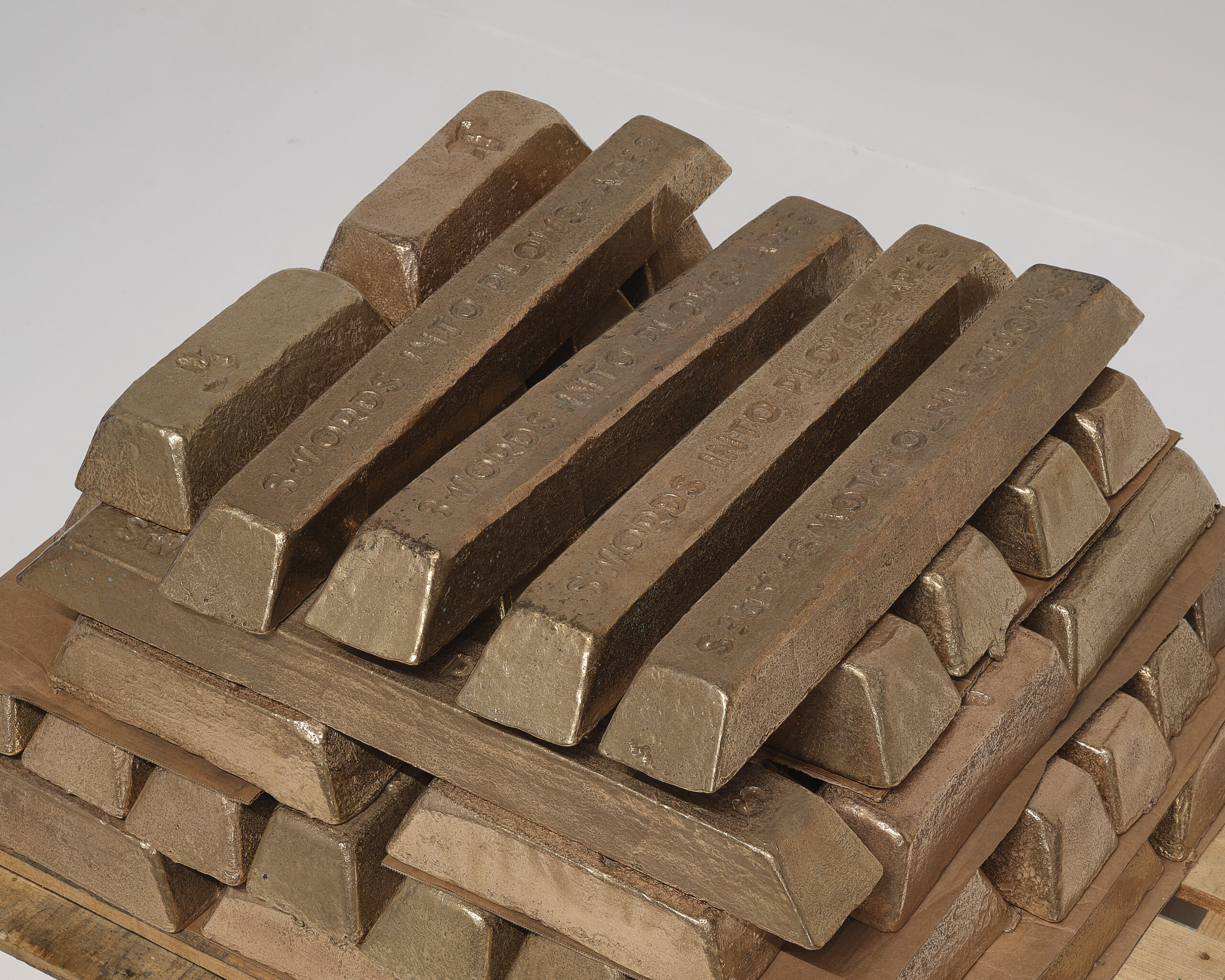
Photo by Frederik Nilsen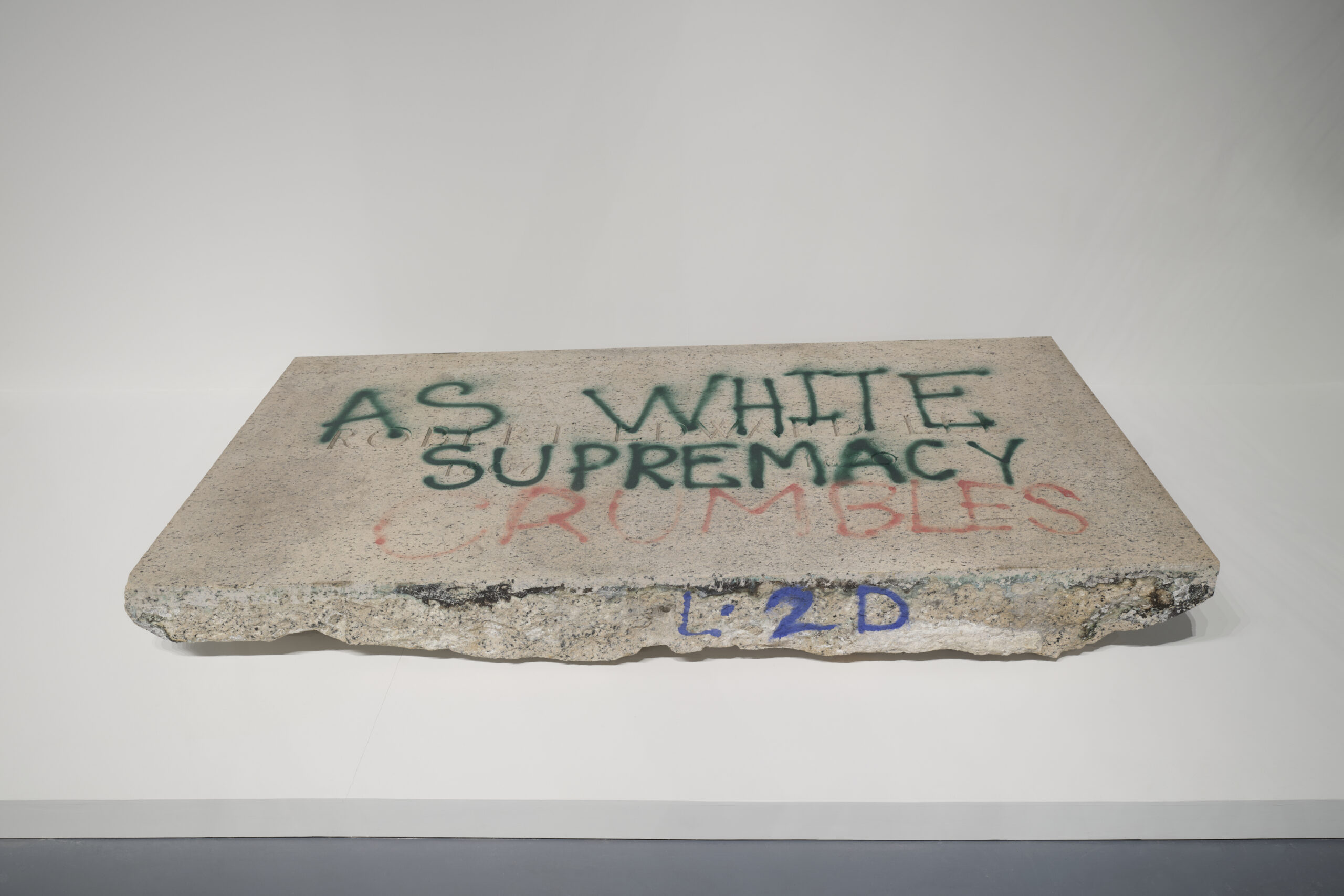
Granite
106 x 55 x 13 in. (269.2 x 139.7 x 38.1 cm)
Jefferson School African American Heritage Center, Charlottesville, Virginia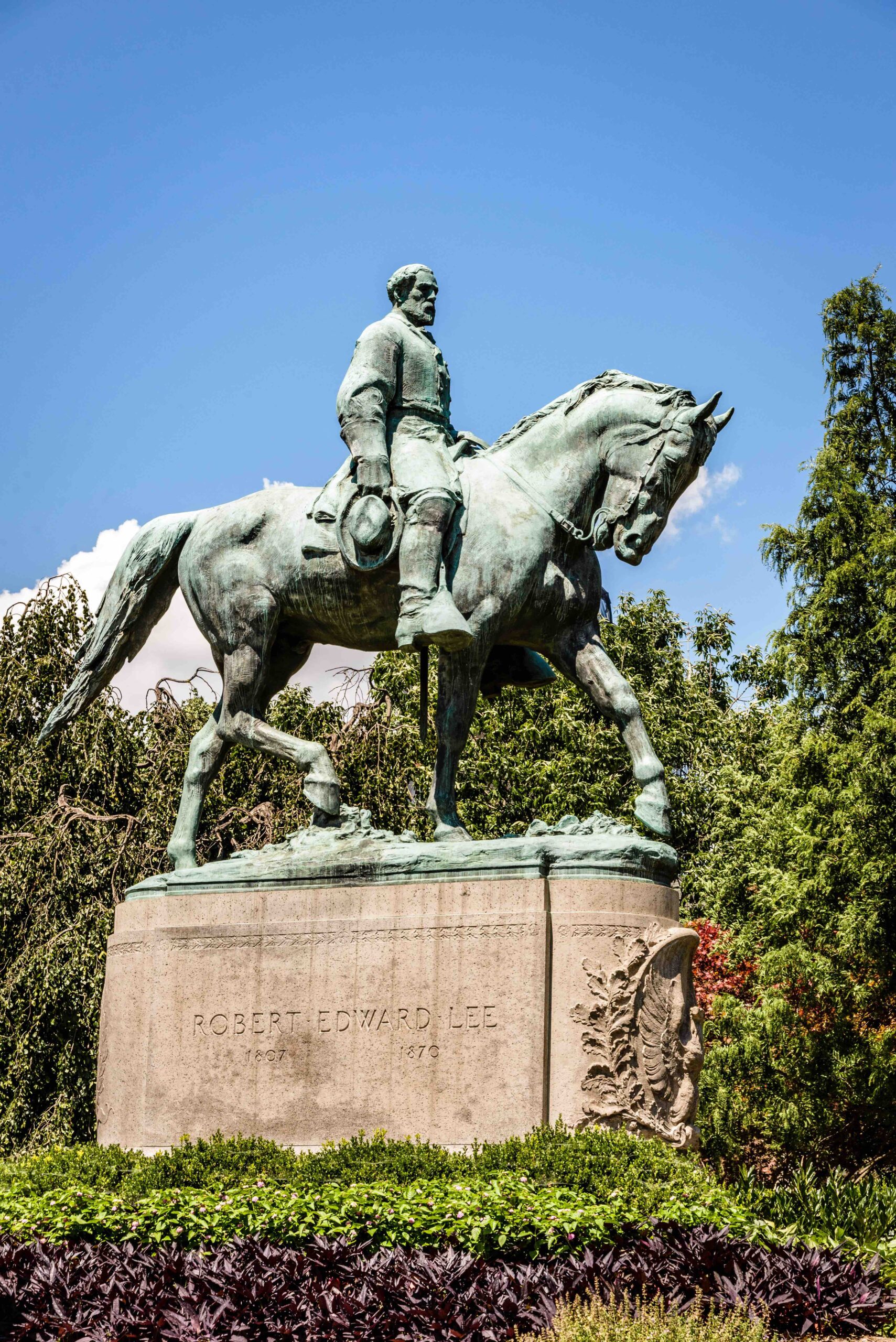
Robert E. Lee monument, Charlottesville, Virginia, 1924
Henry Merwin Shrady, sculptor
Leo Lentelli, artist
Roman Bronze Works, fabricator
Walter Dabney Blair, architect
Bronze statue on granite base
Photo by Mark Summerfield
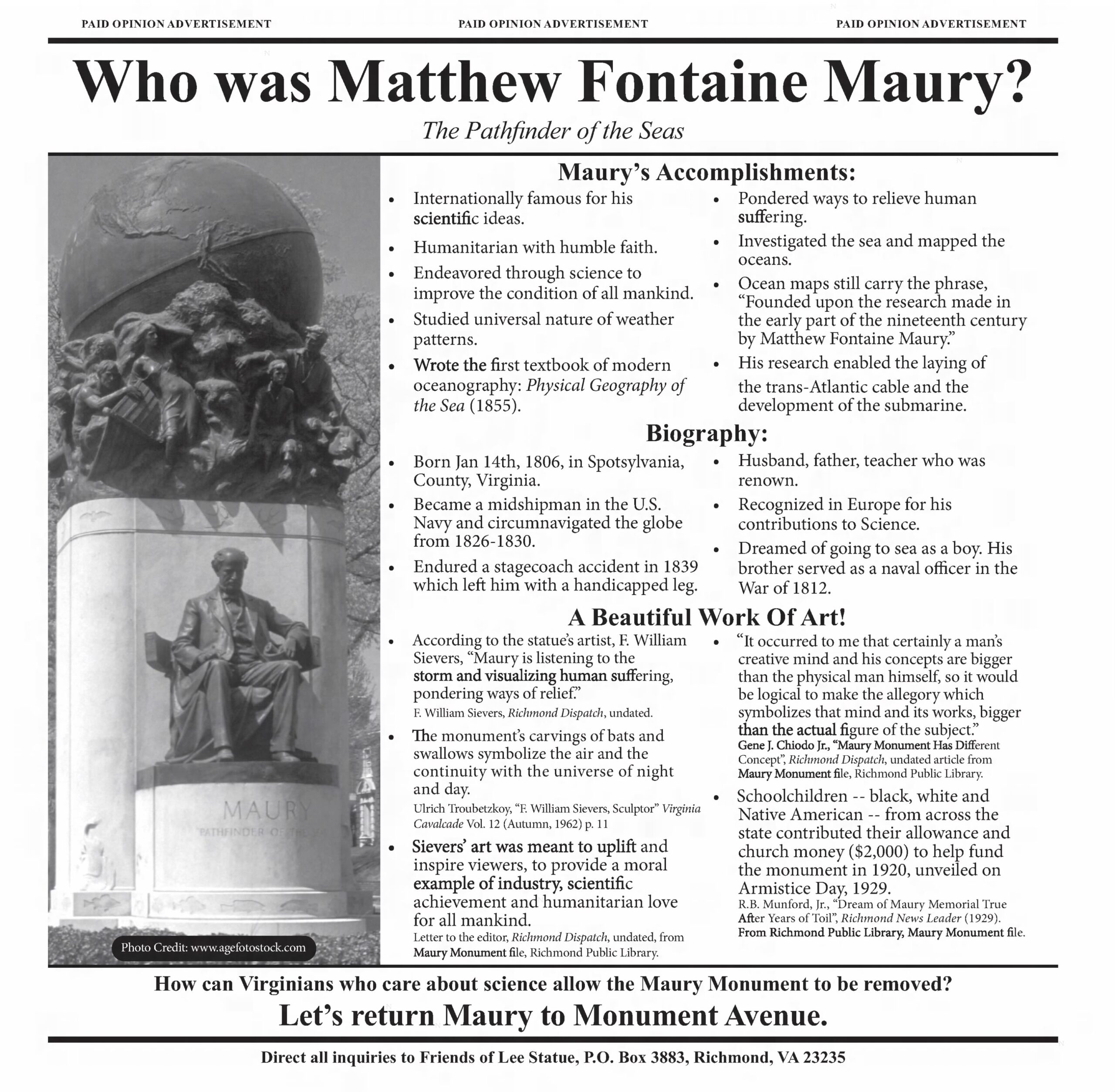
Richmond Times-Dispatch · Oct 18, 2020
Richmond Times-Dispatch · Jul 14, 2020
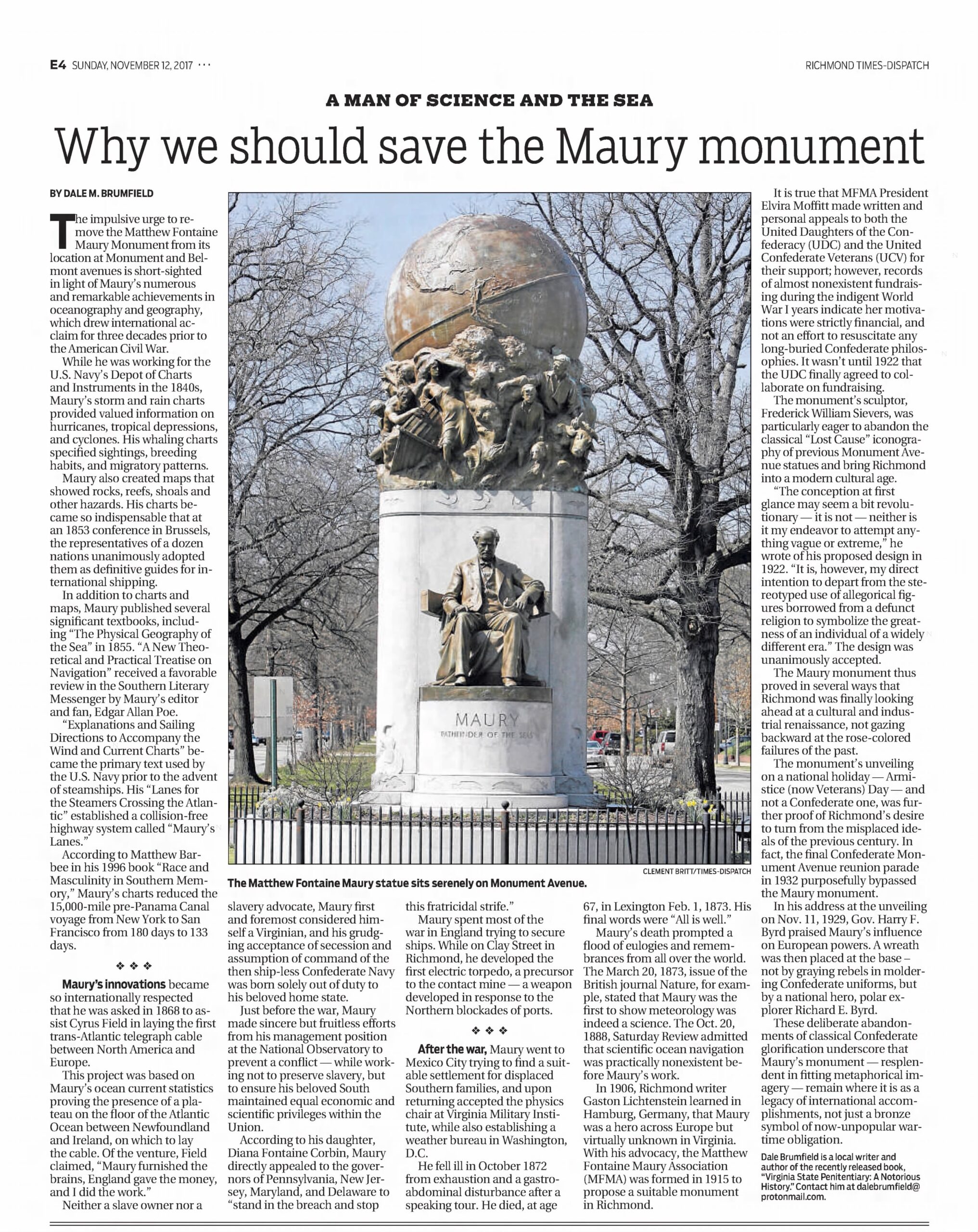
Richmond Times-Dispatch · Nov 12, 2017
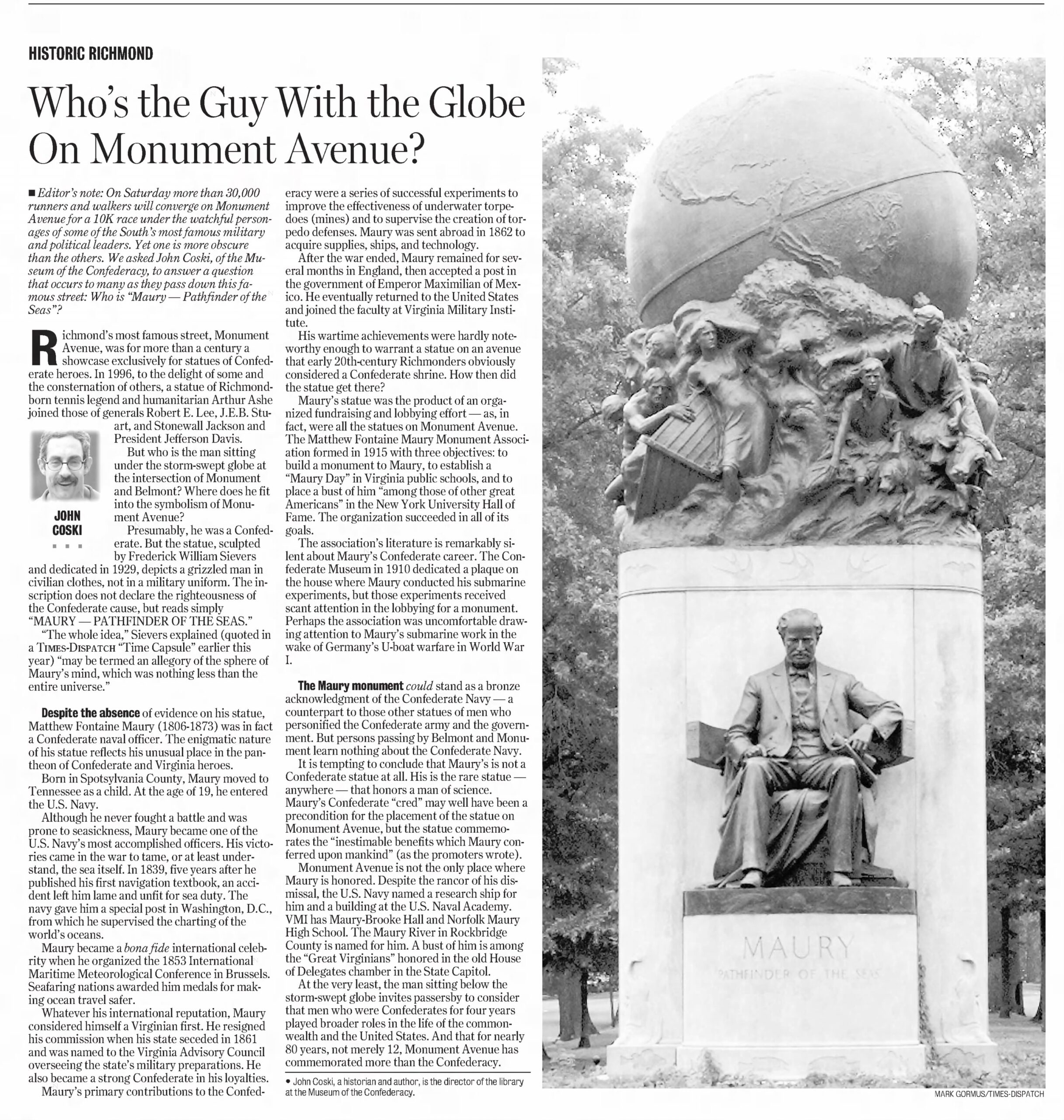
Richmond Times-Dispatch · Mar 30, 2008
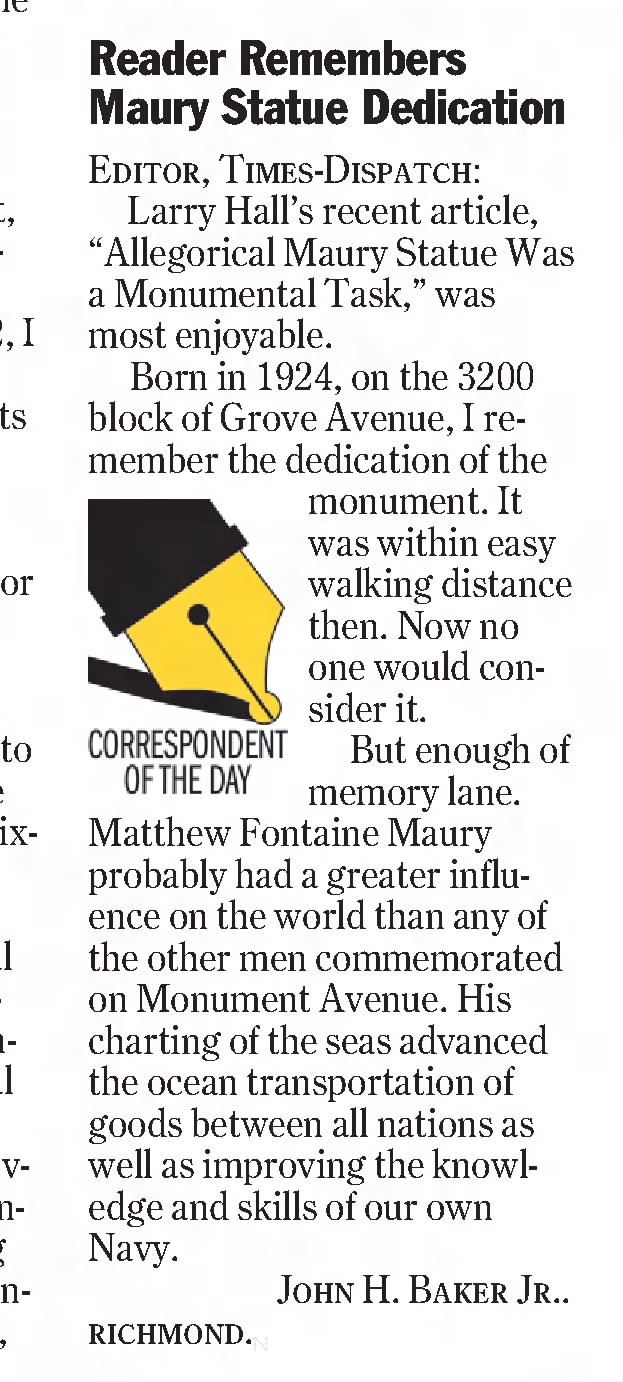
Richmond Times-Dispatch · Aug 26, 2006
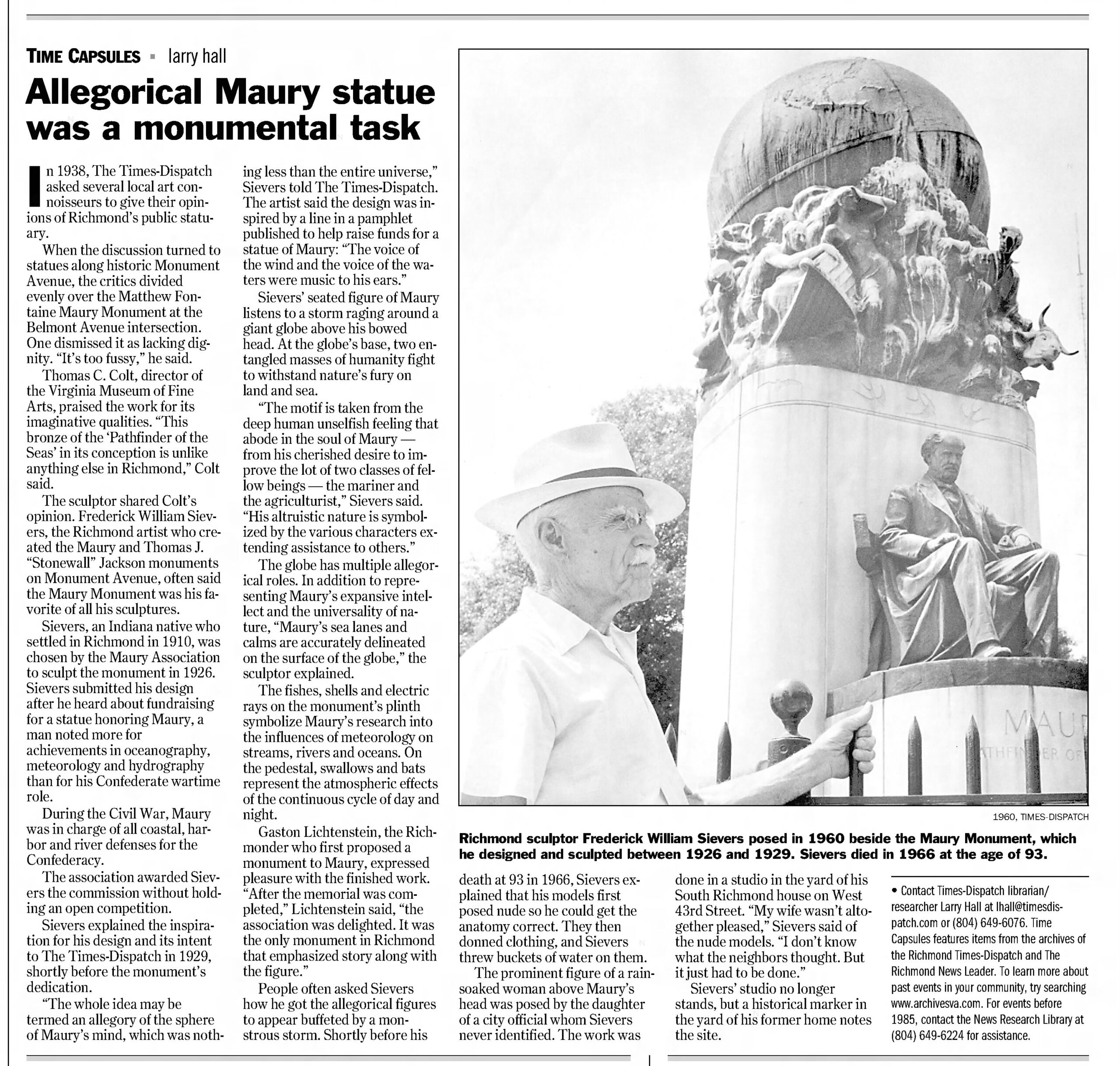
Richmond Times-Dispatch · Aug 16, 2006
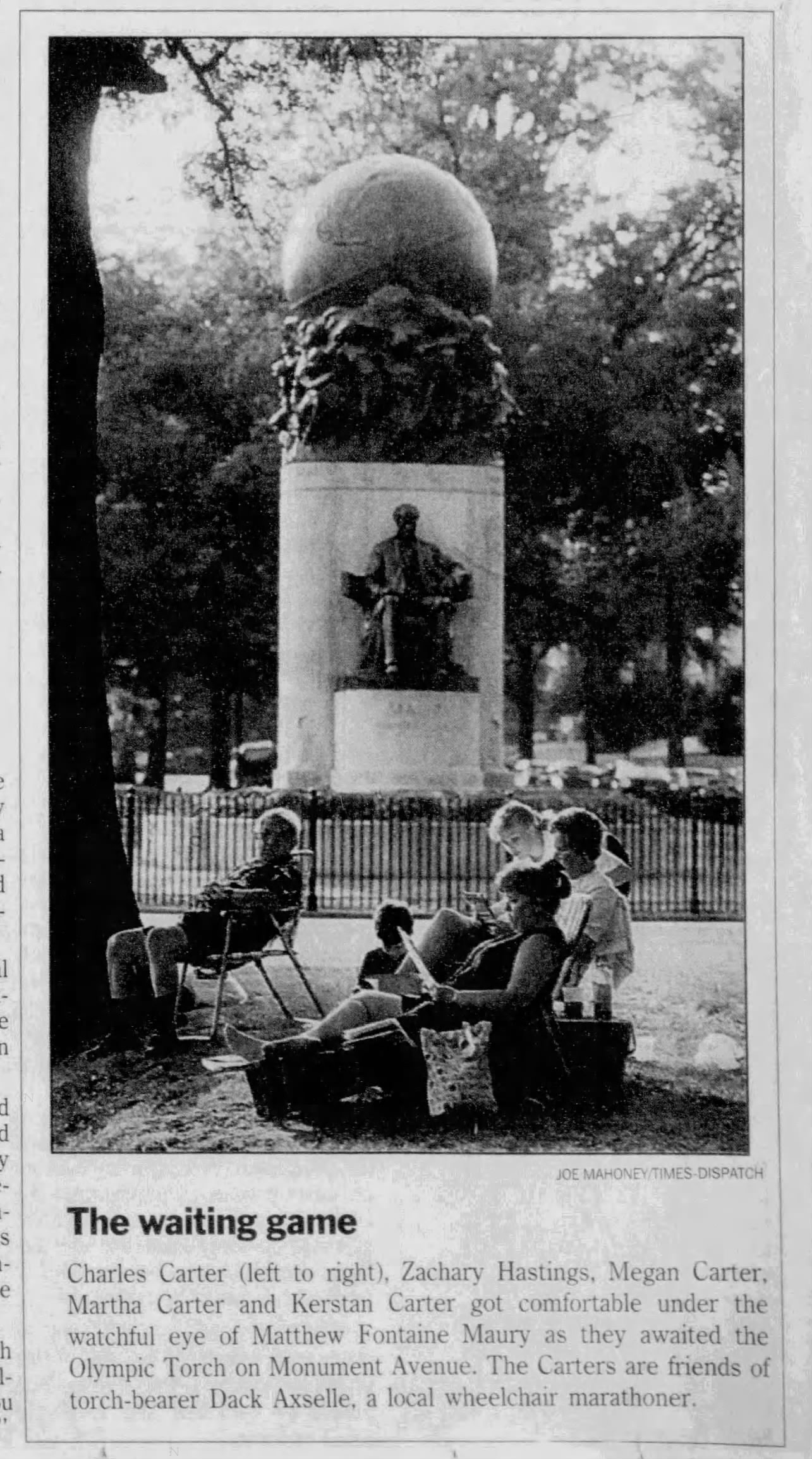
Richmond Times-Dispatch · Jun 22, 1996
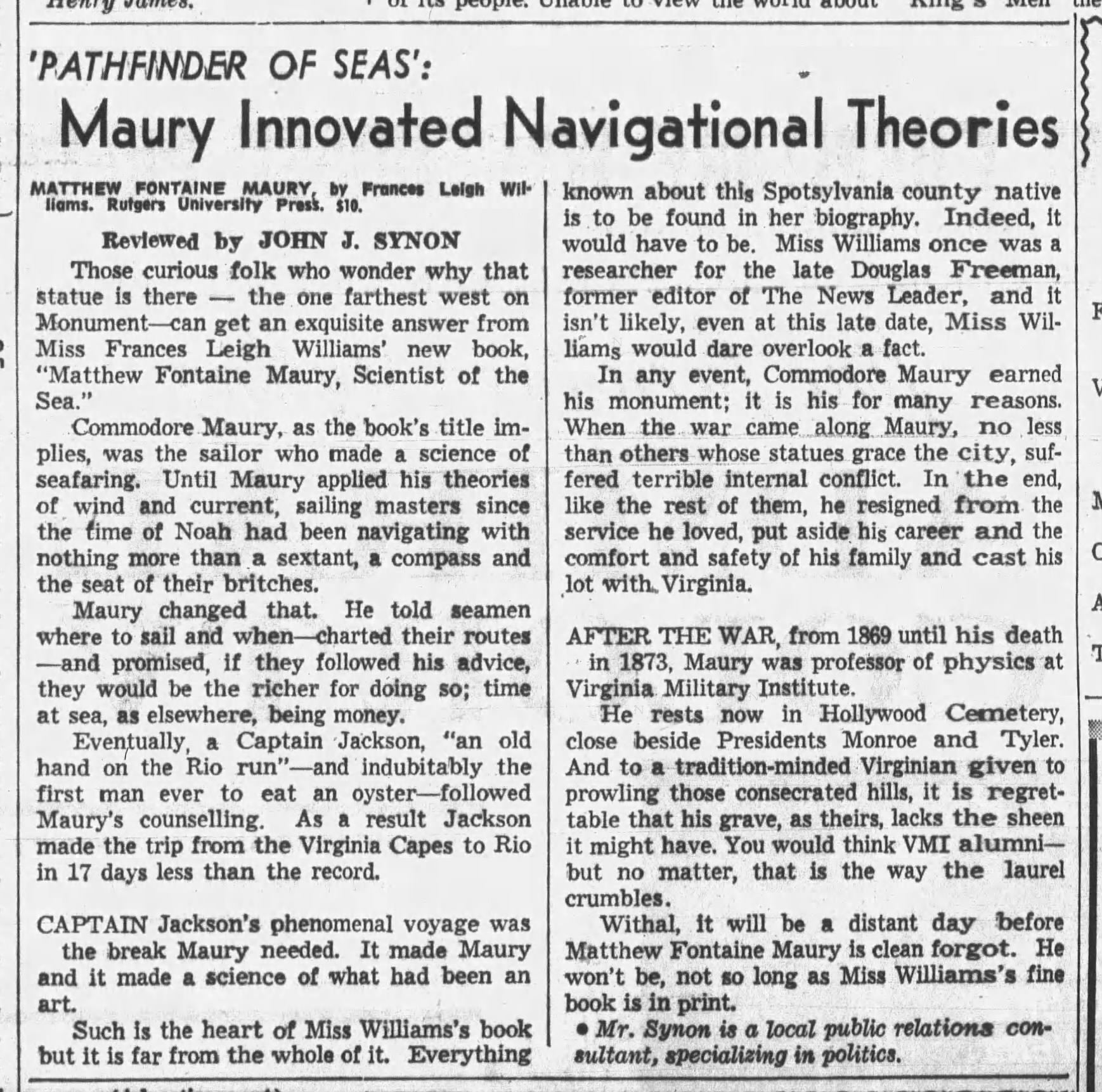
Richmond News Leader · Nov 20, 1963
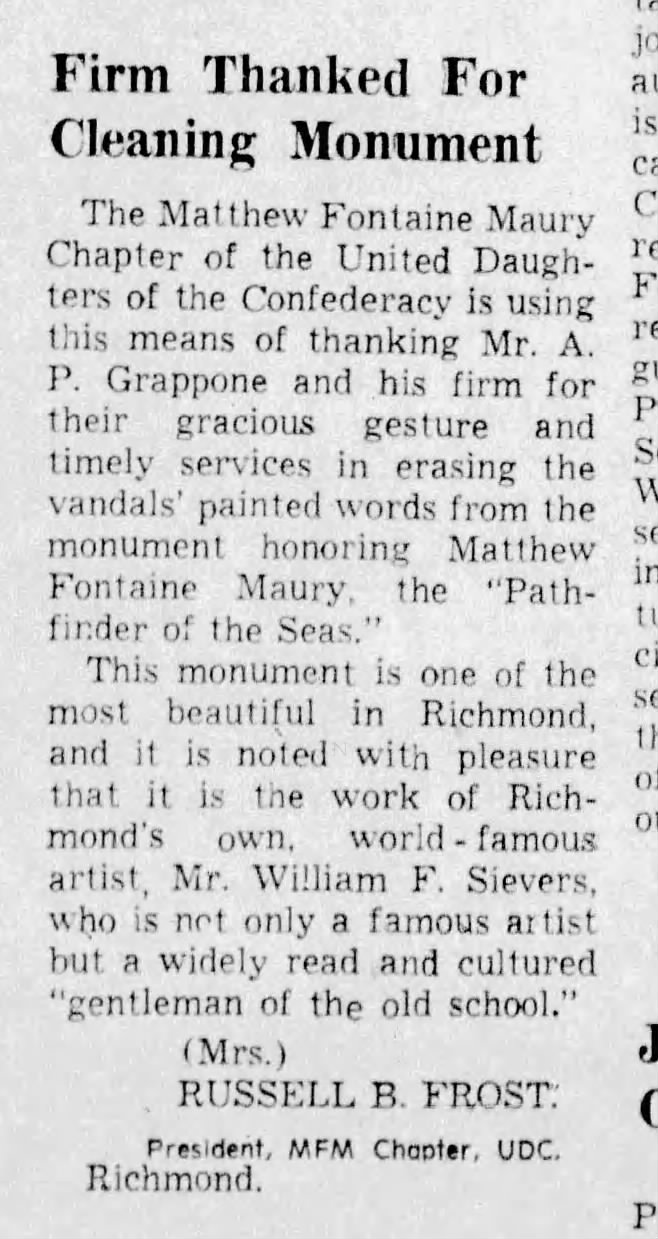
Richmond Times-Dispatch · Sep 18, 1962
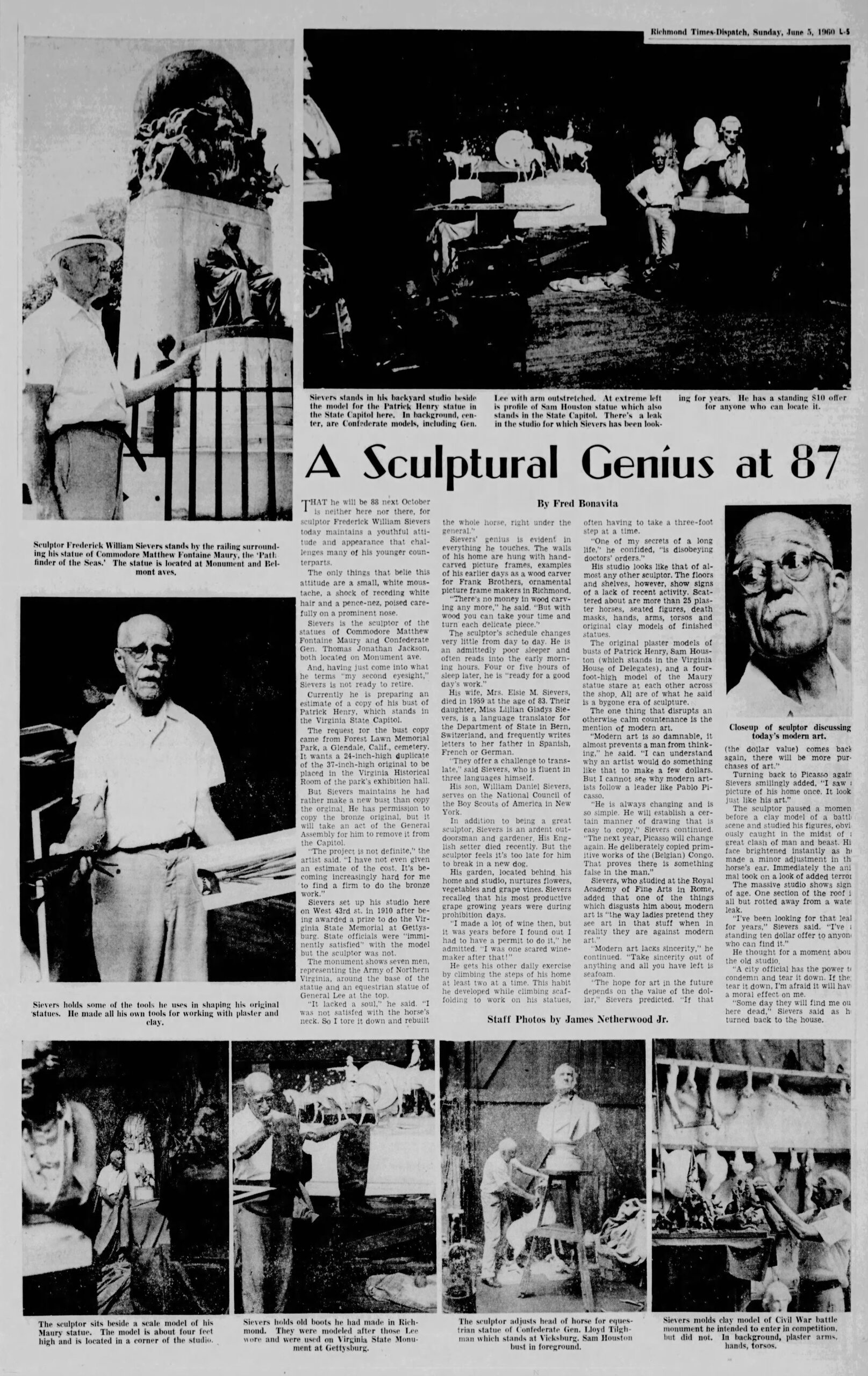
Richmond Times-Dispatch · Jun 5, 1960
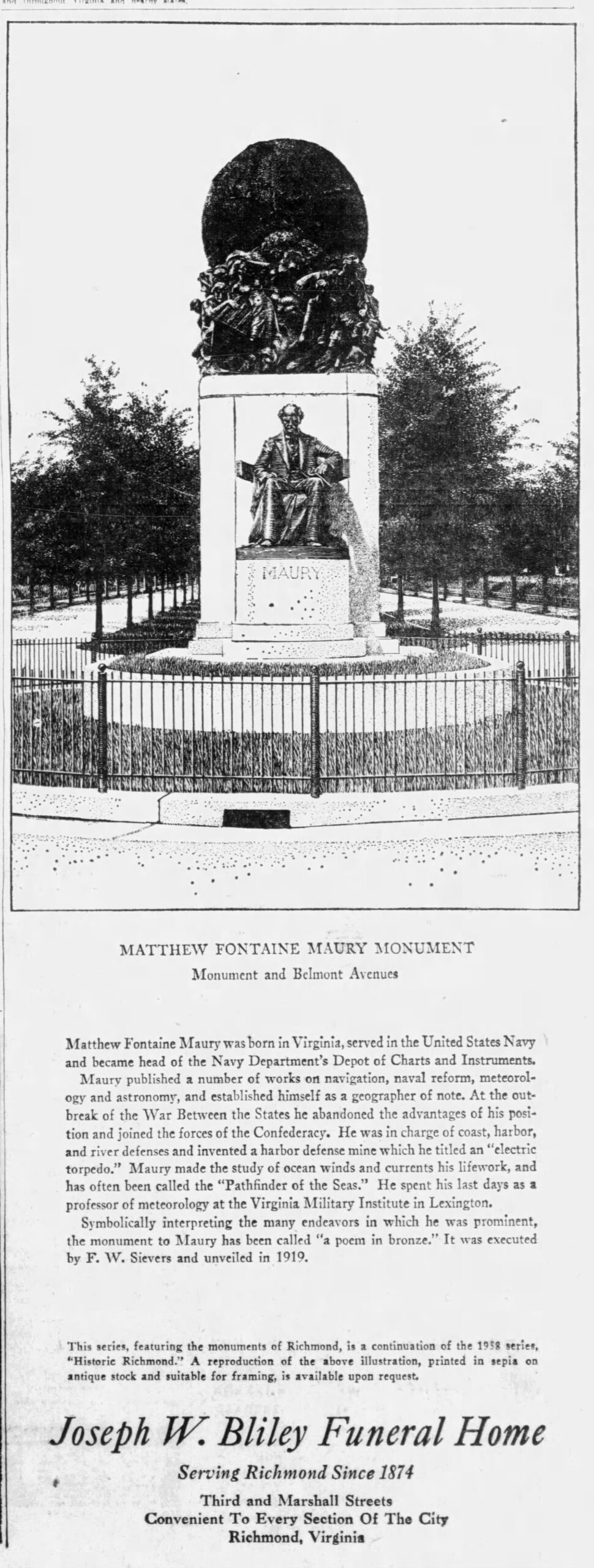
Richmond Times-Dispatch · Mar 10, 1959
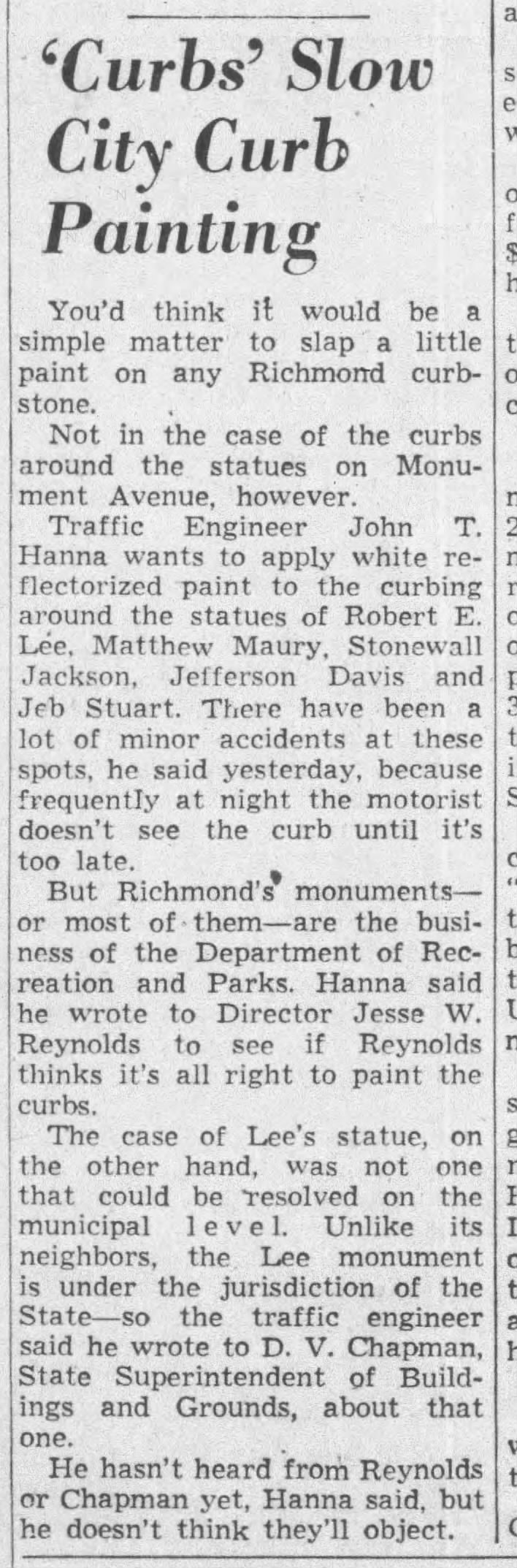
Richmond Times-Dispatch · Jan 17, 1954
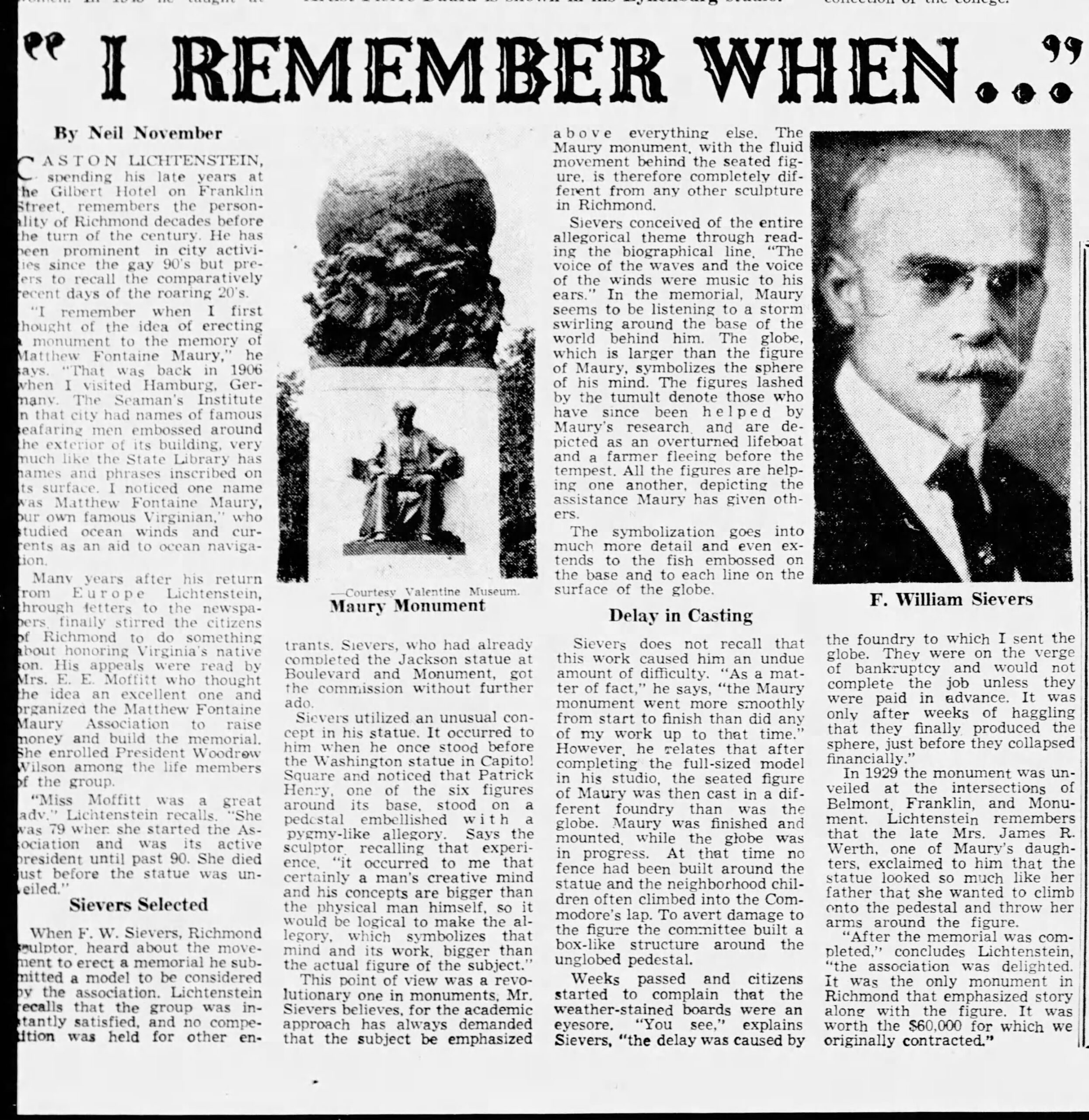
Richmond Times-Dispatch · Feb 6, 1949
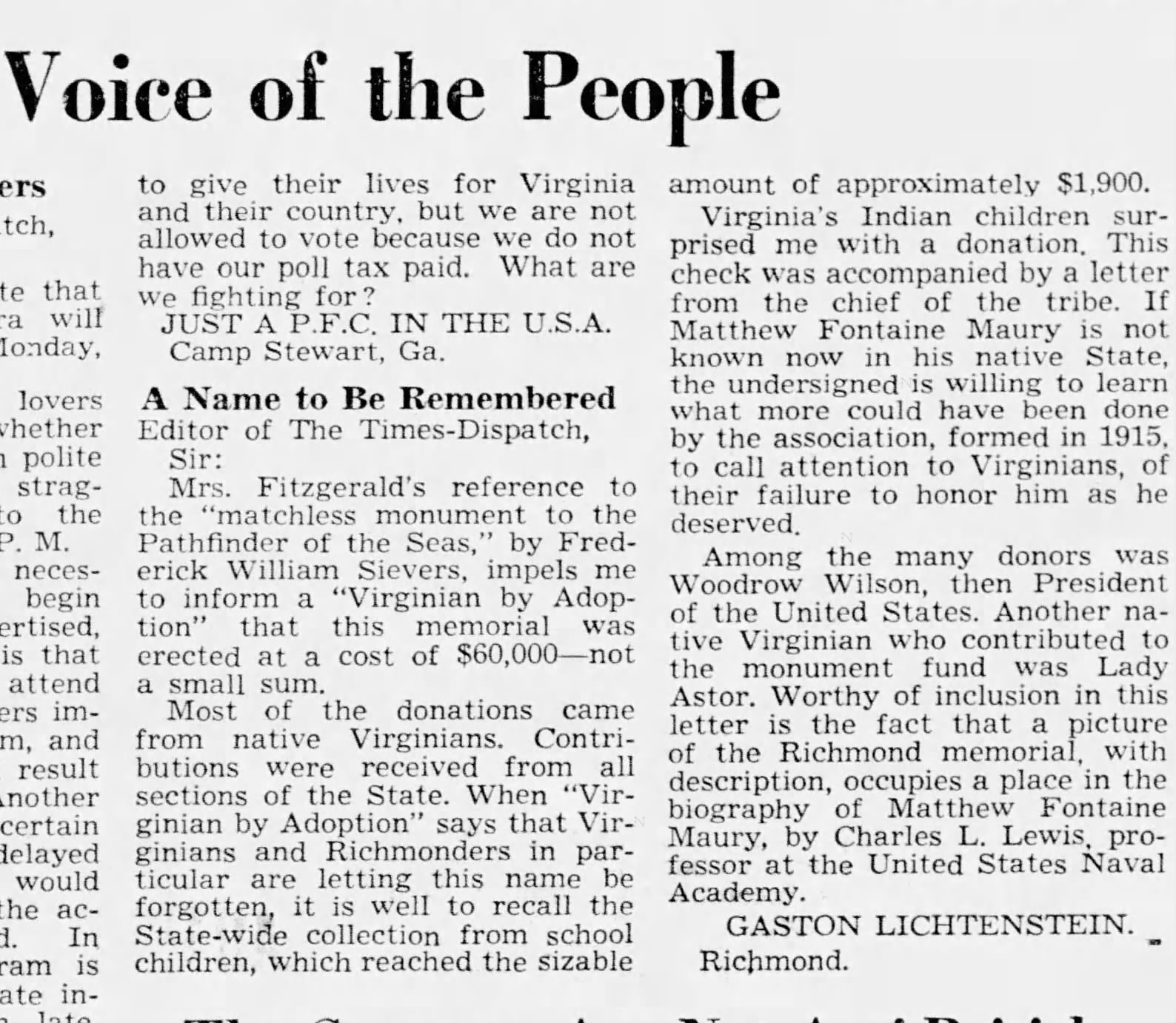
Richmond Times-Dispatch · Oct 12, 1943
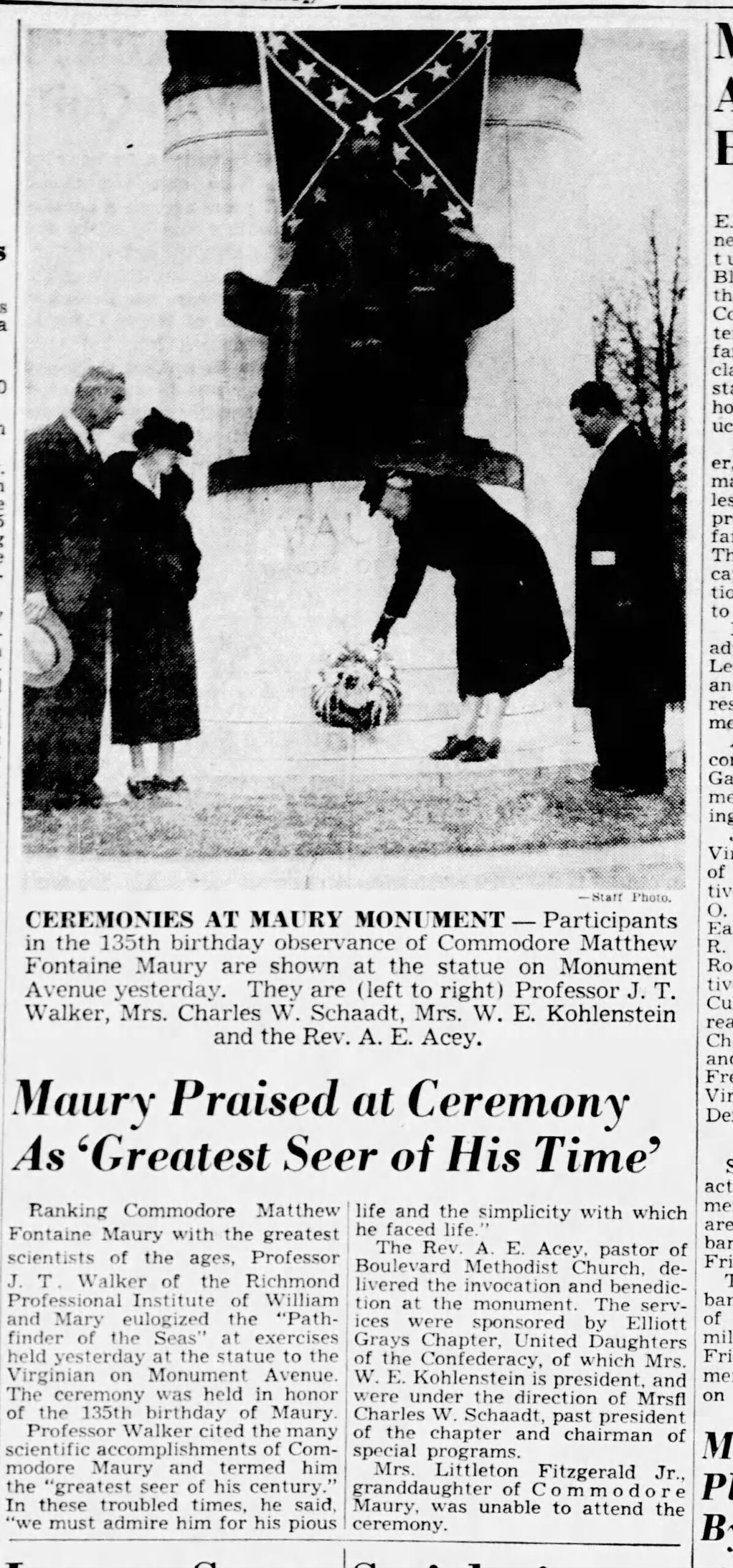
Richmond Times-Dispatch · Jan 15, 1941
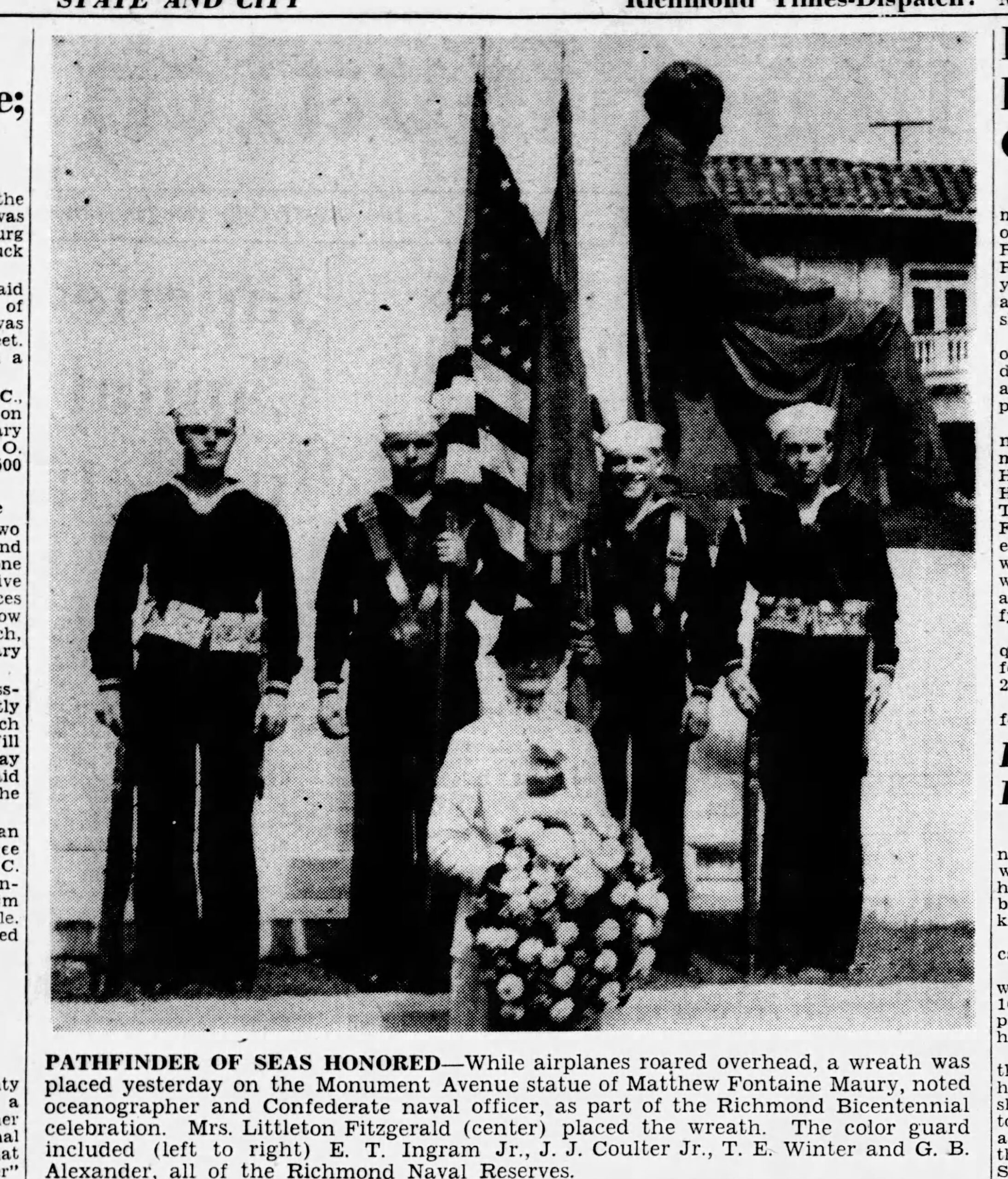
Richmond Times-Dispatch · Sep 20, 1937
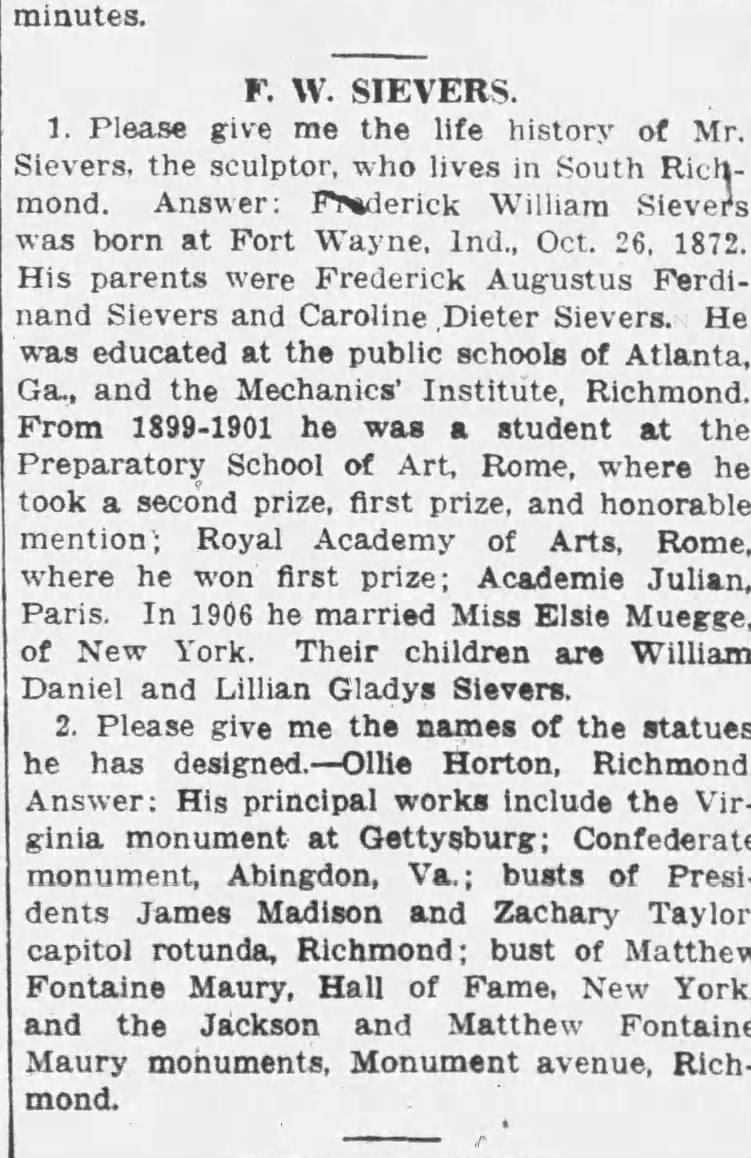
Richmond News Leader · Oct 6, 1933
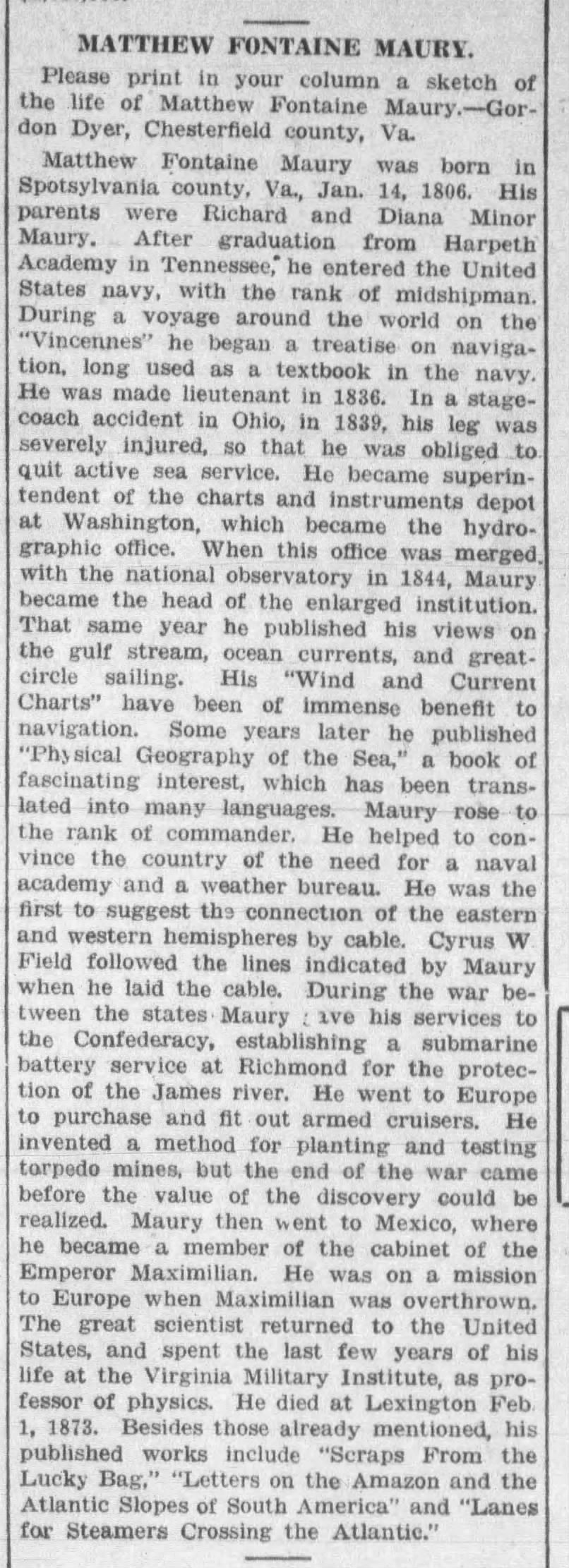
Richmond News Leader · Mar 20, 1933
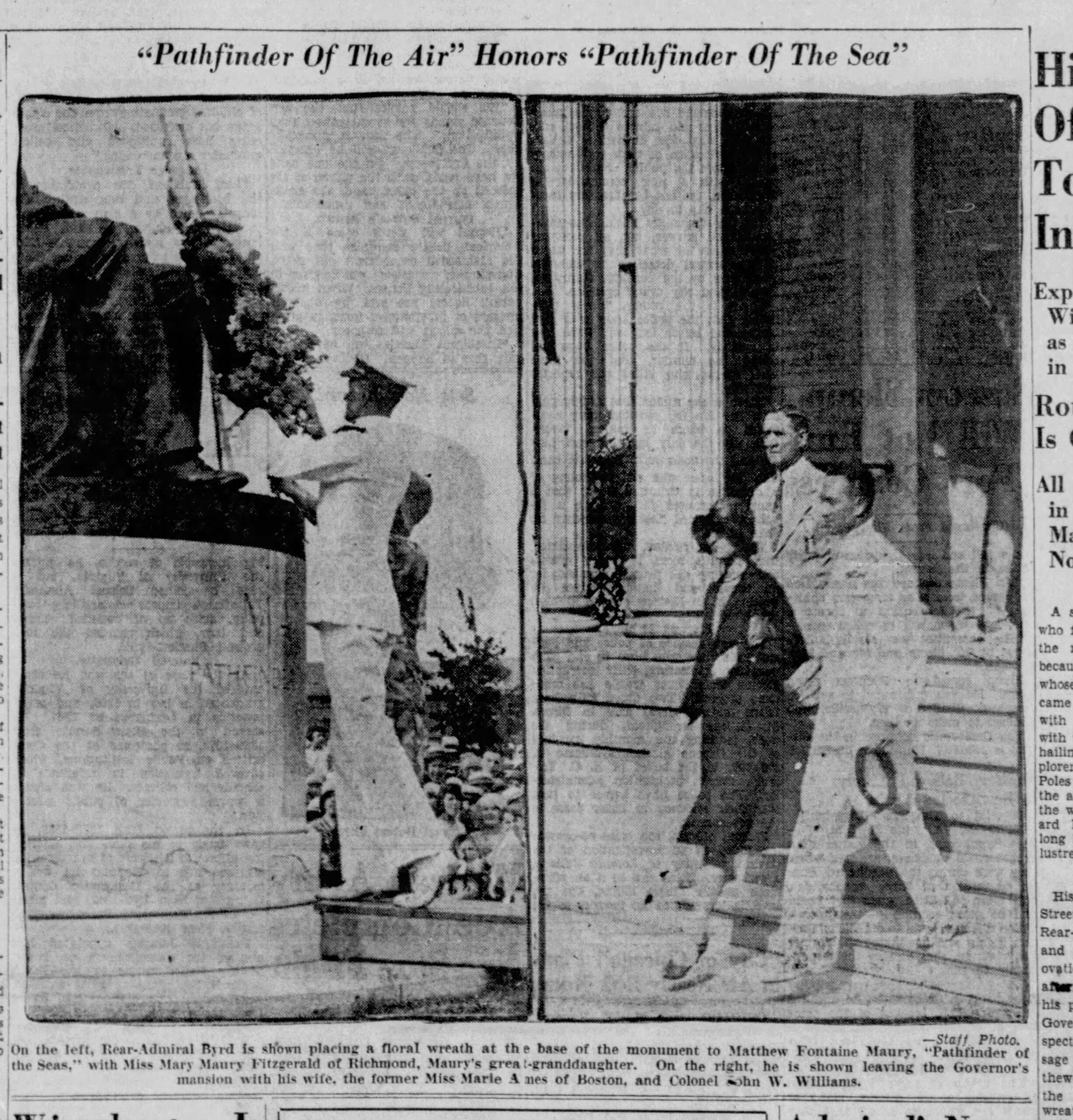
Richmond Times-Dispatch · Jun 22, 1930
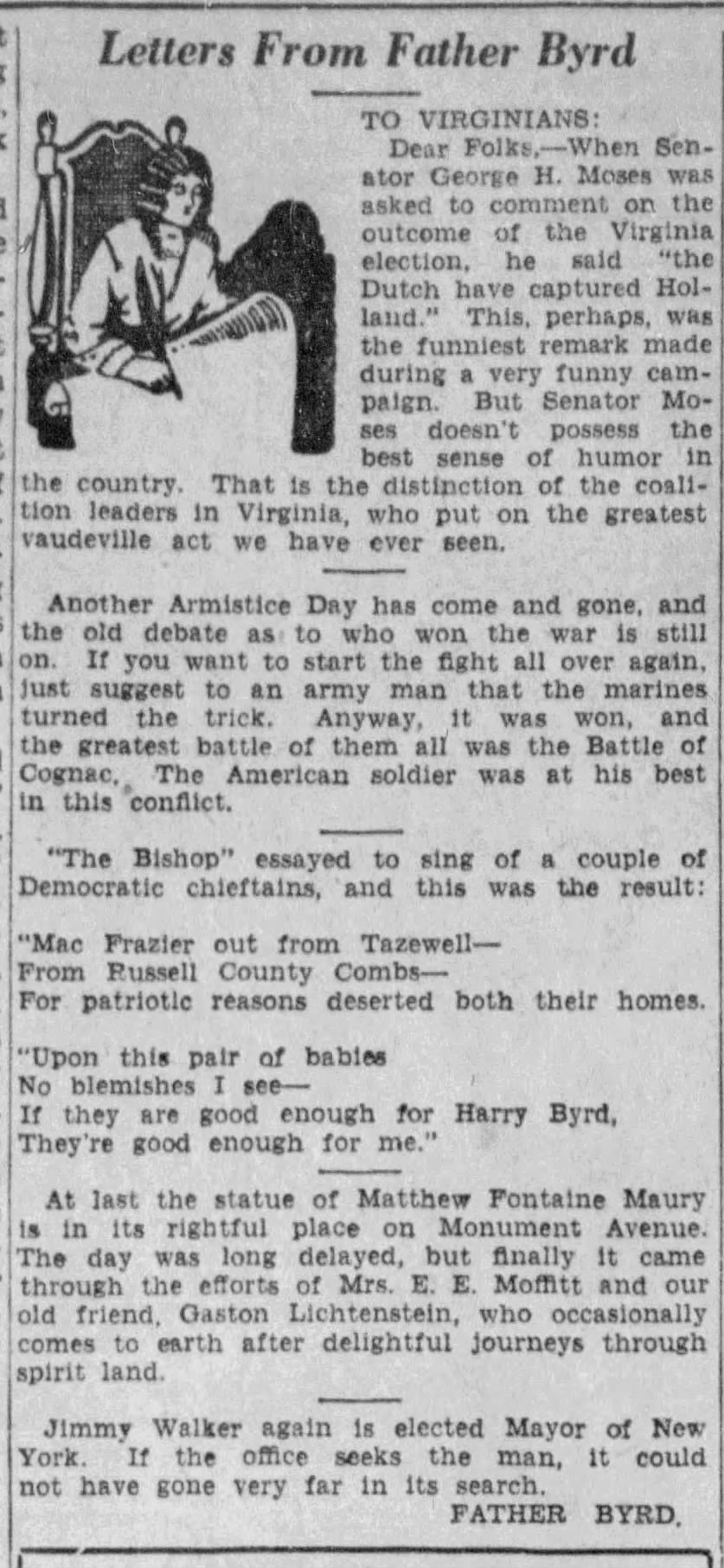
Richmond Times-Dispatch · Nov 12, 1929
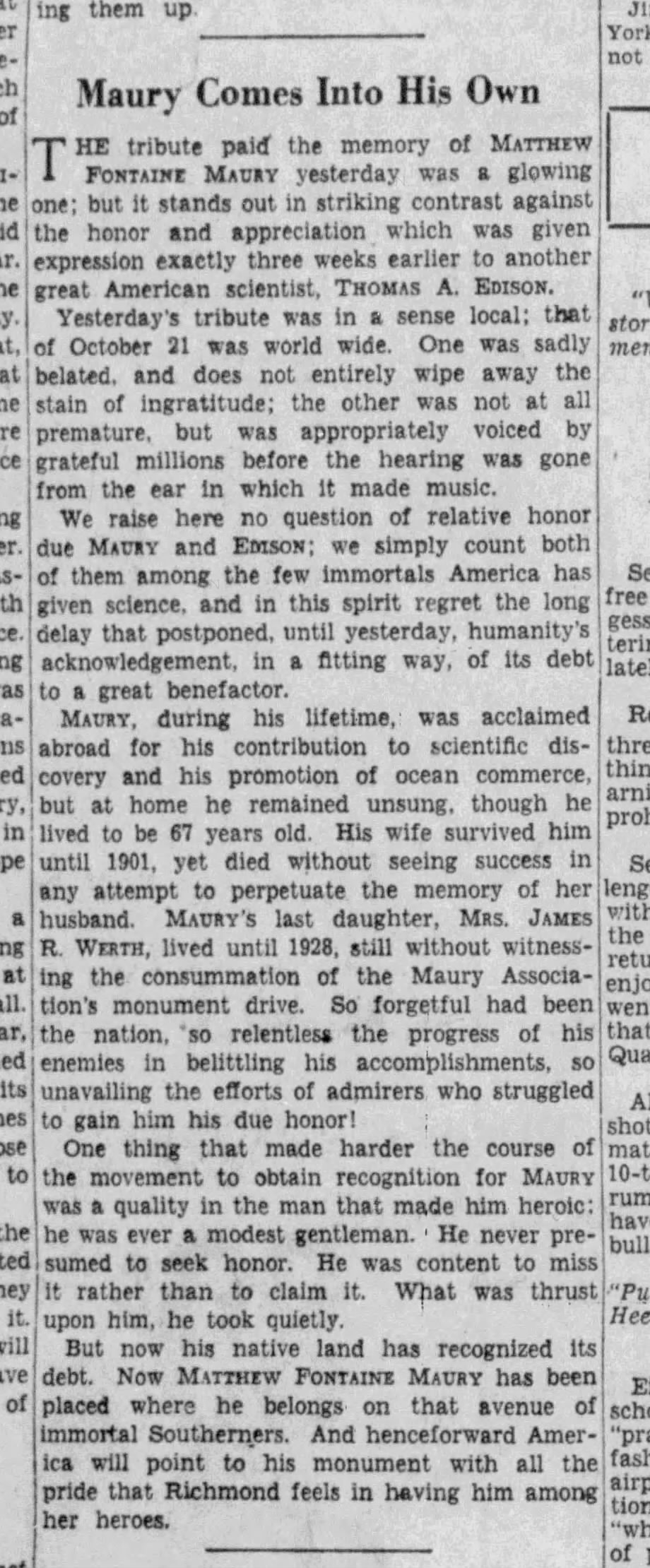
Richmond Times-Dispatch · Nov 12, 1929
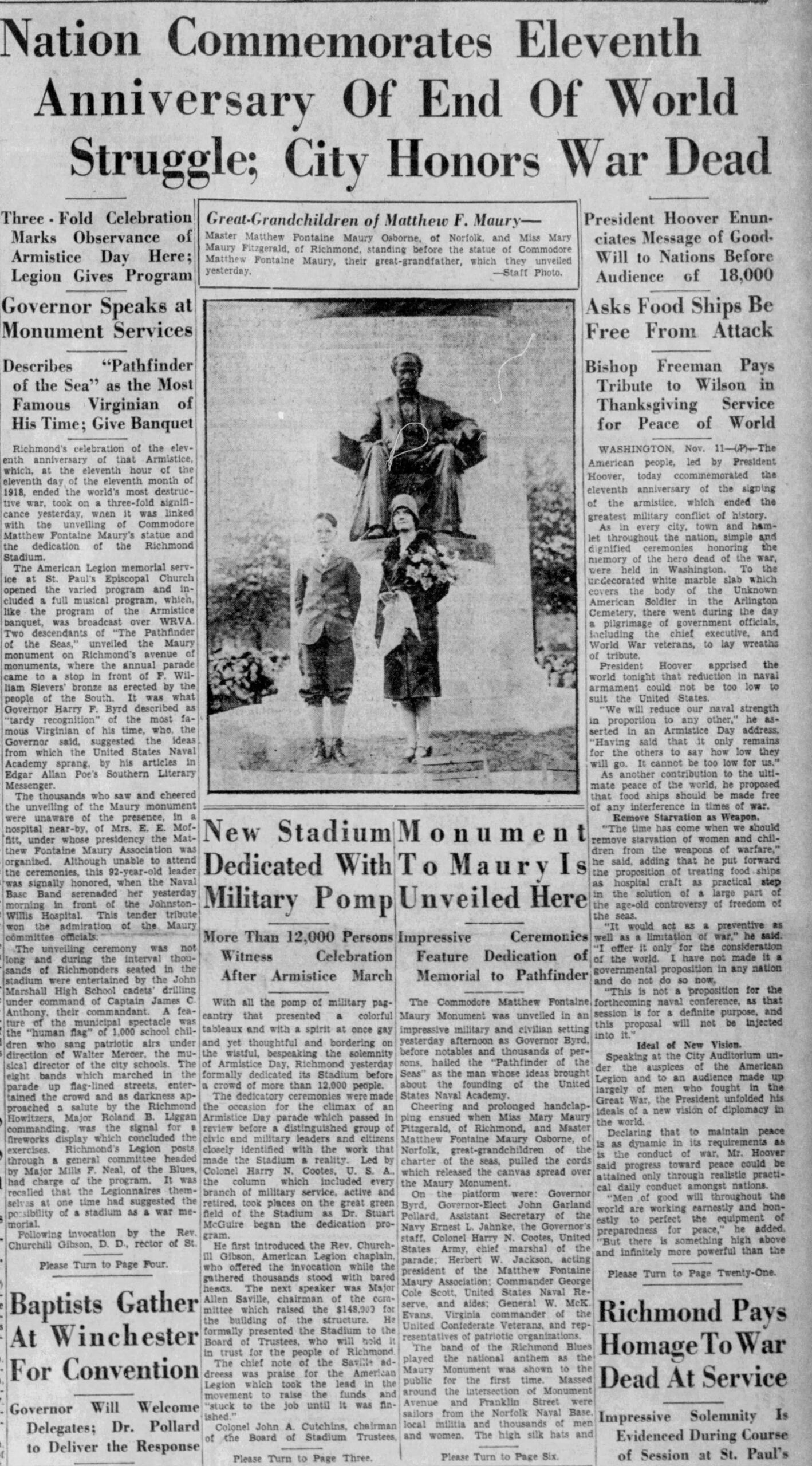
Richmond Times-Dispatch · Nov 12, 1929
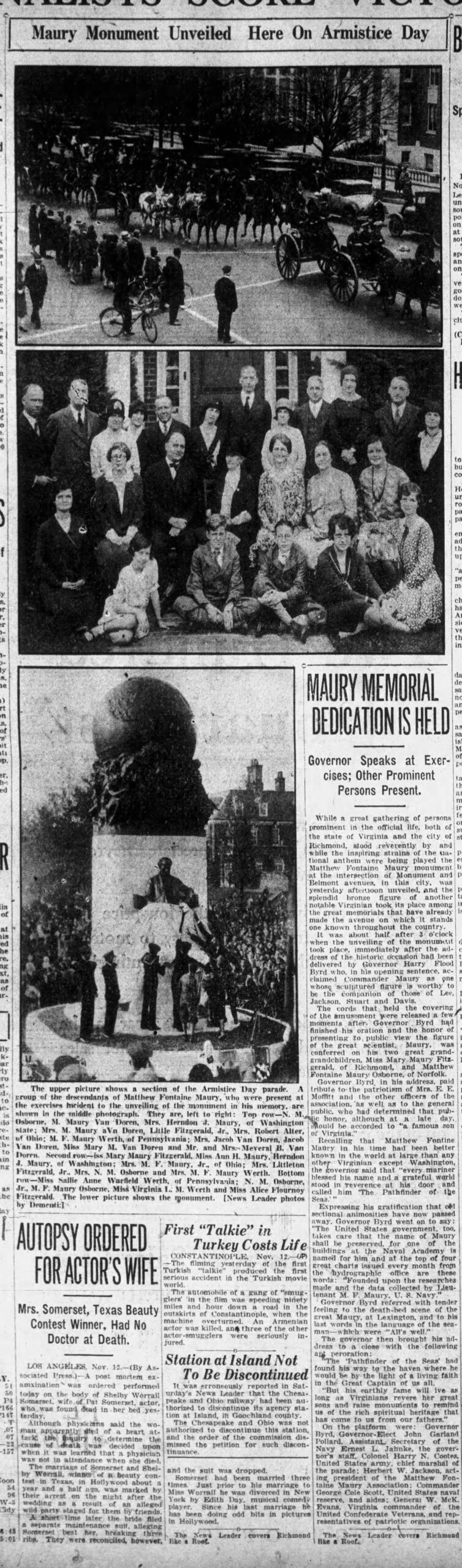
Richmond News Leader · Nov 12, 1929
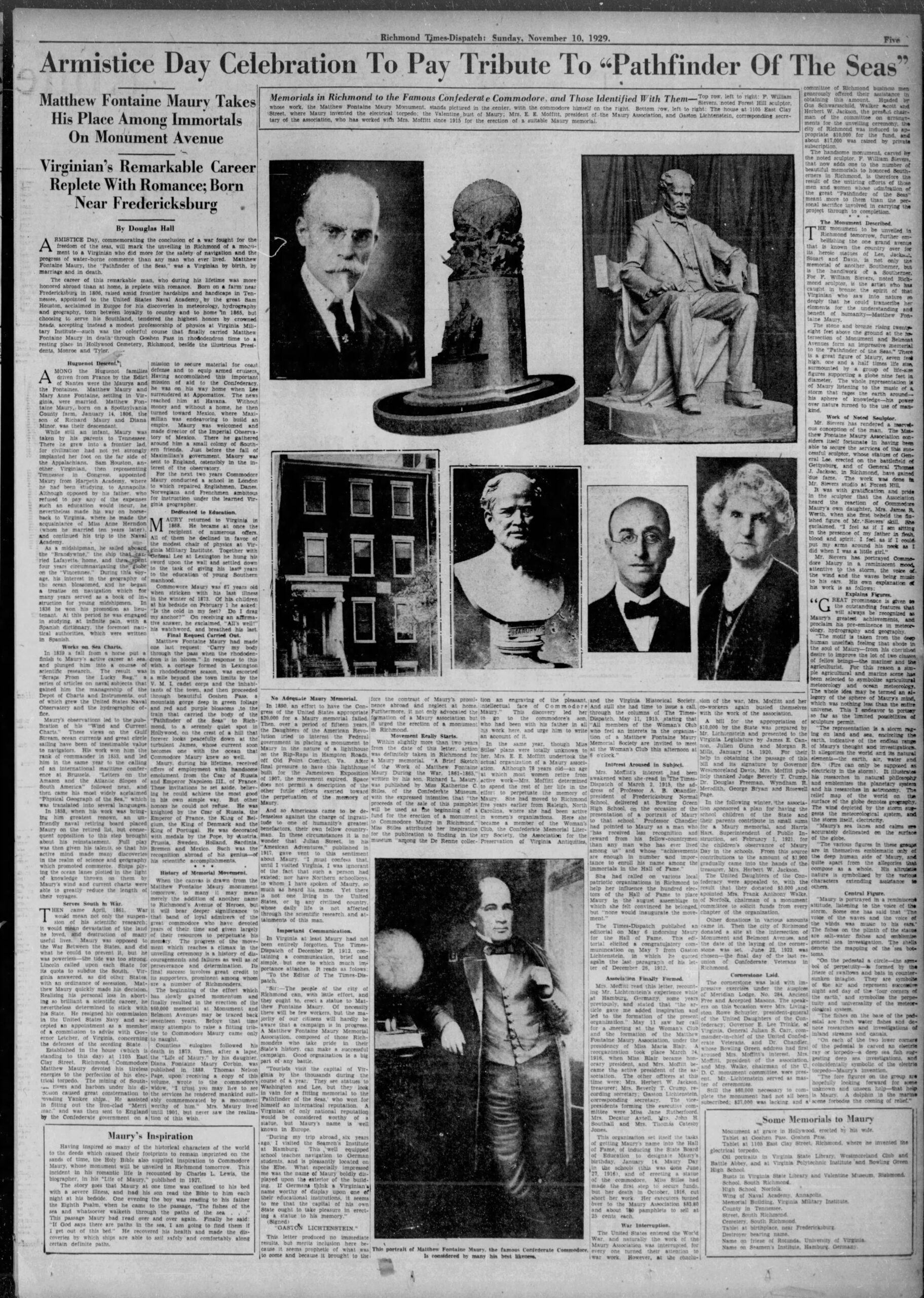
Richmond Times-Dispatch · Nov 10, 1929
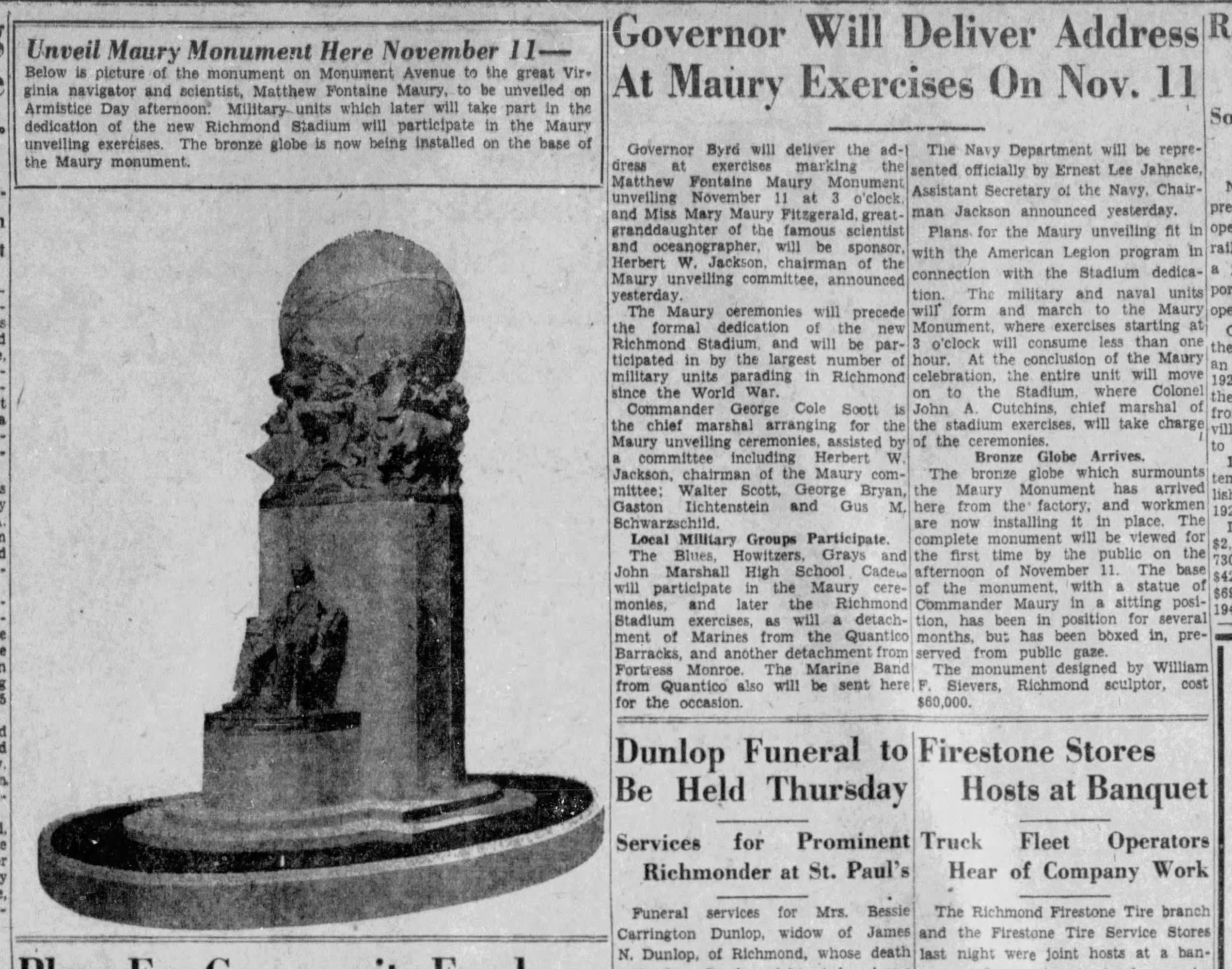
Richmond Times-Dispatch · Oct 29, 1929
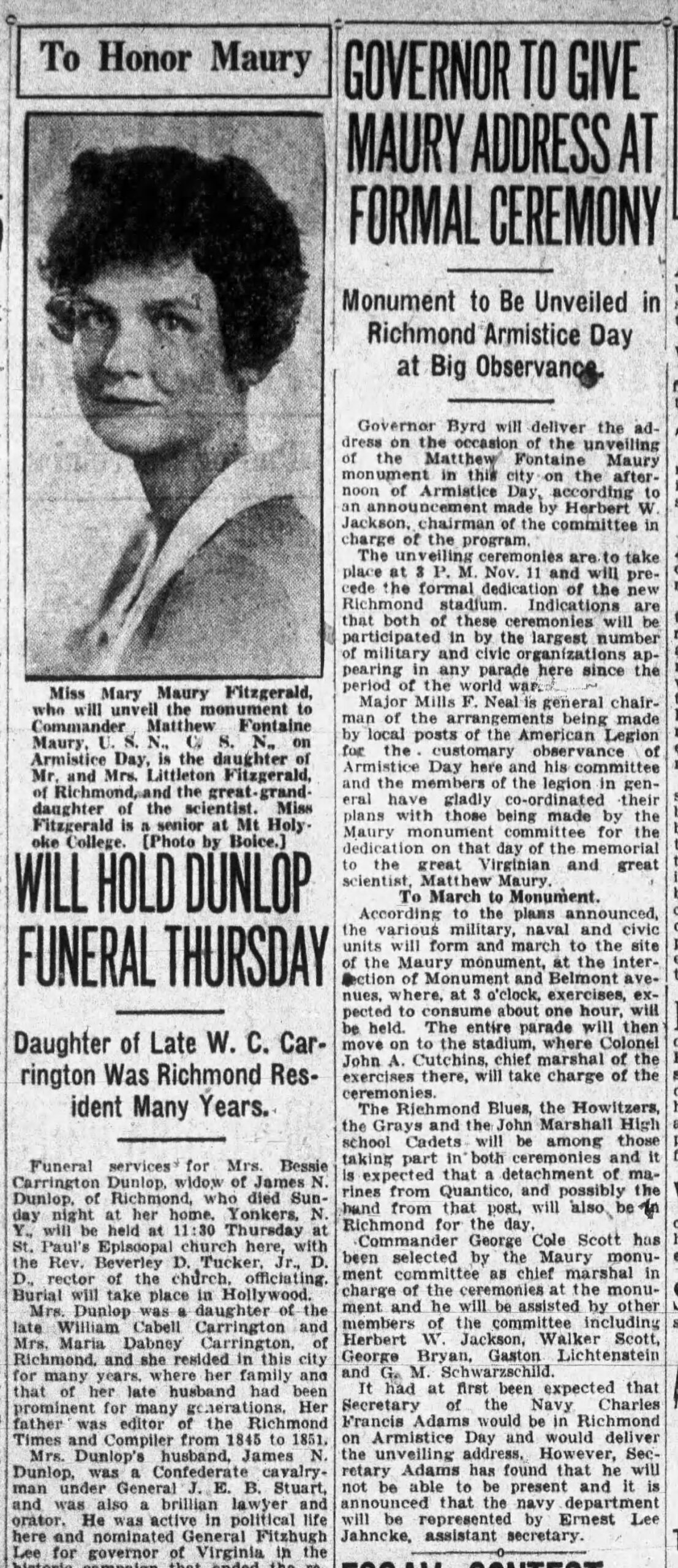
Richmond News Leader · Oct 29, 1929
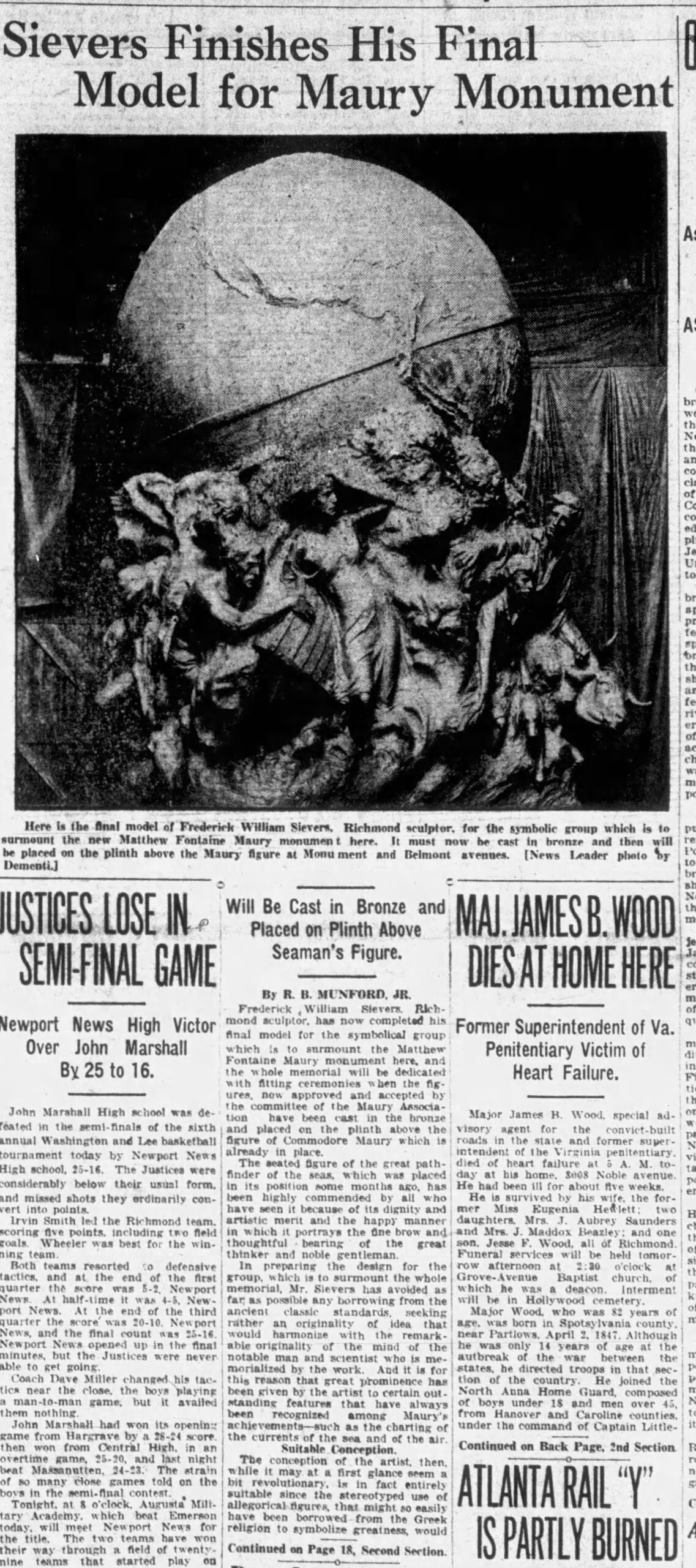
Richmond News Leader · Mar 9, 1929
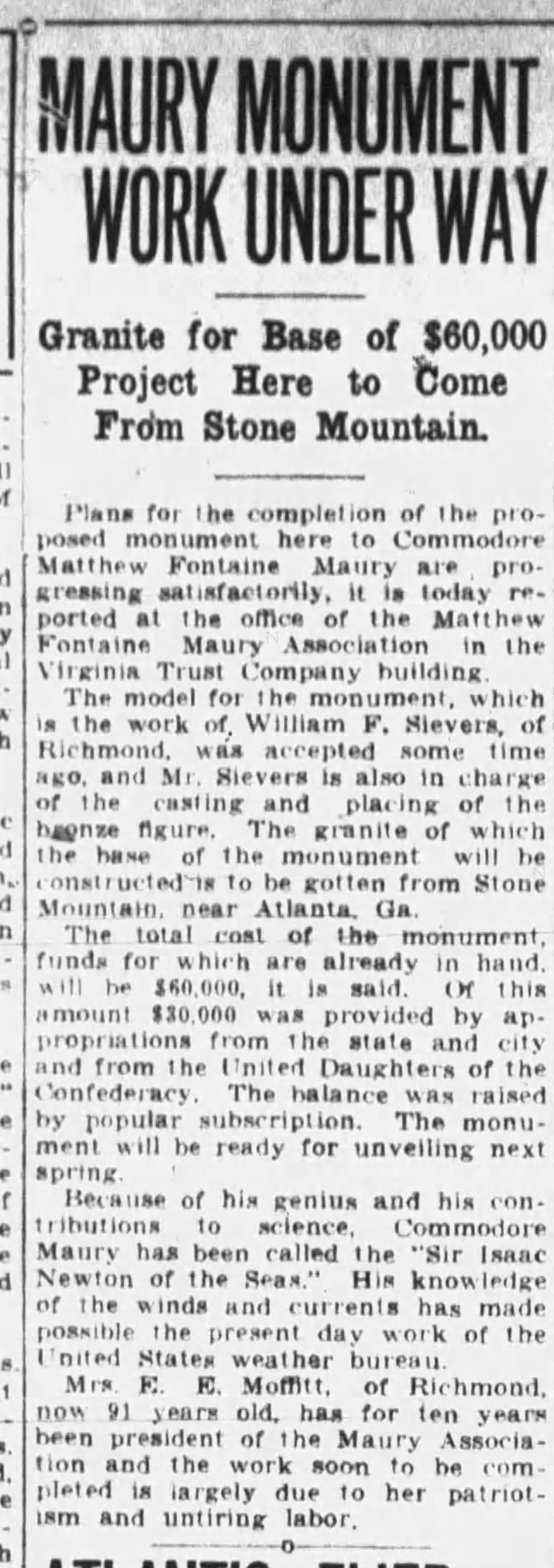
Richmond News Leader · Jun 22, 1928
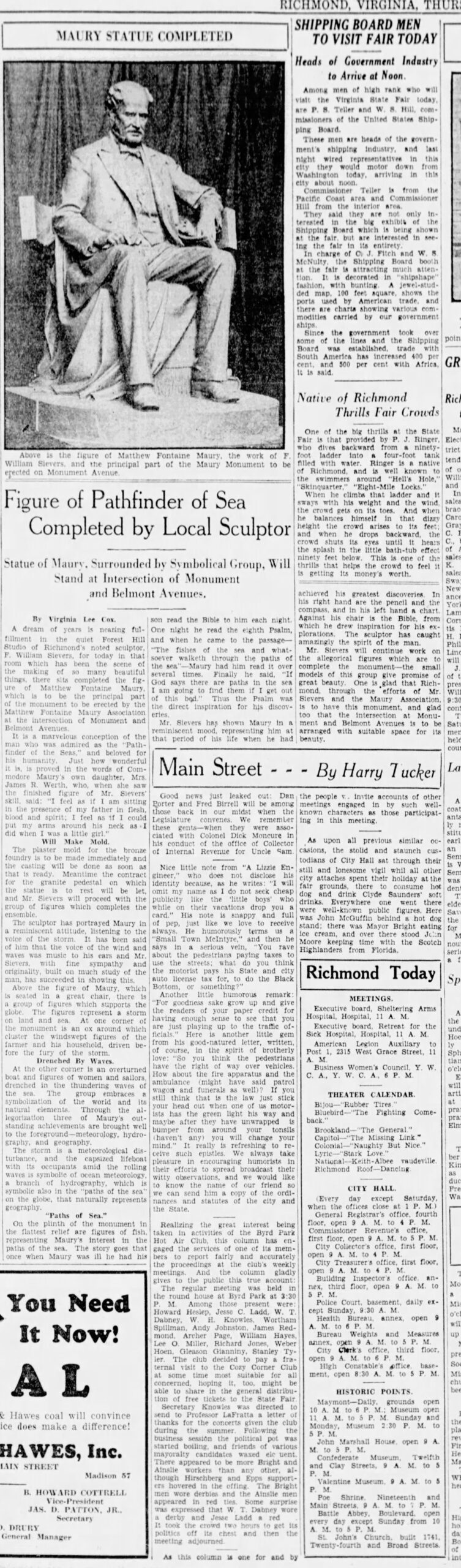
Richmond Times-Dispatch · Oct 6, 1927
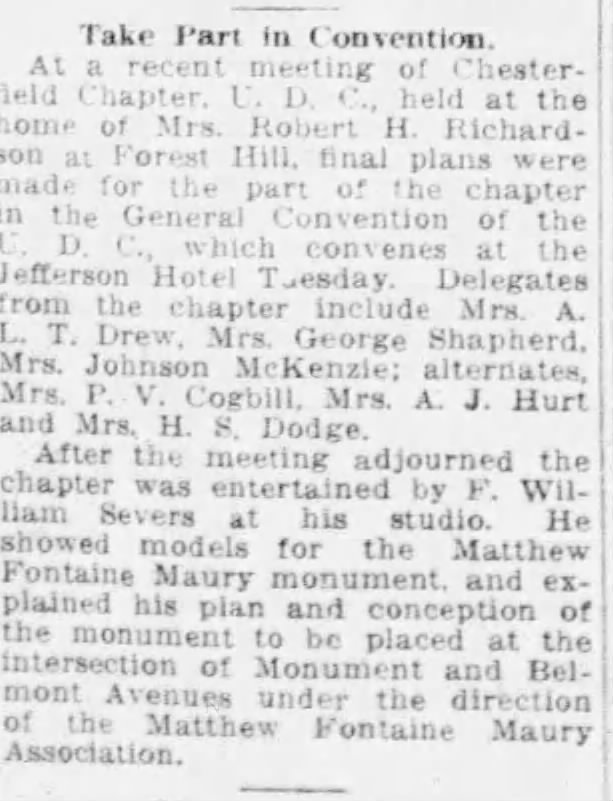
Richmond Times-Dispatch · Nov 13, 1926
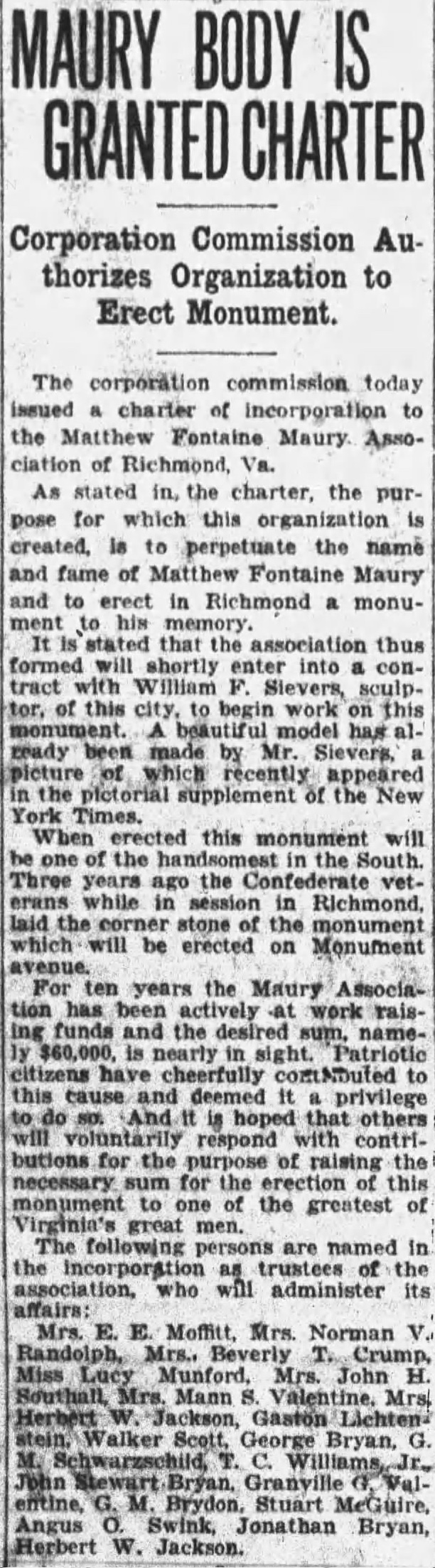
Richmond News Leader · Apr 2, 1926
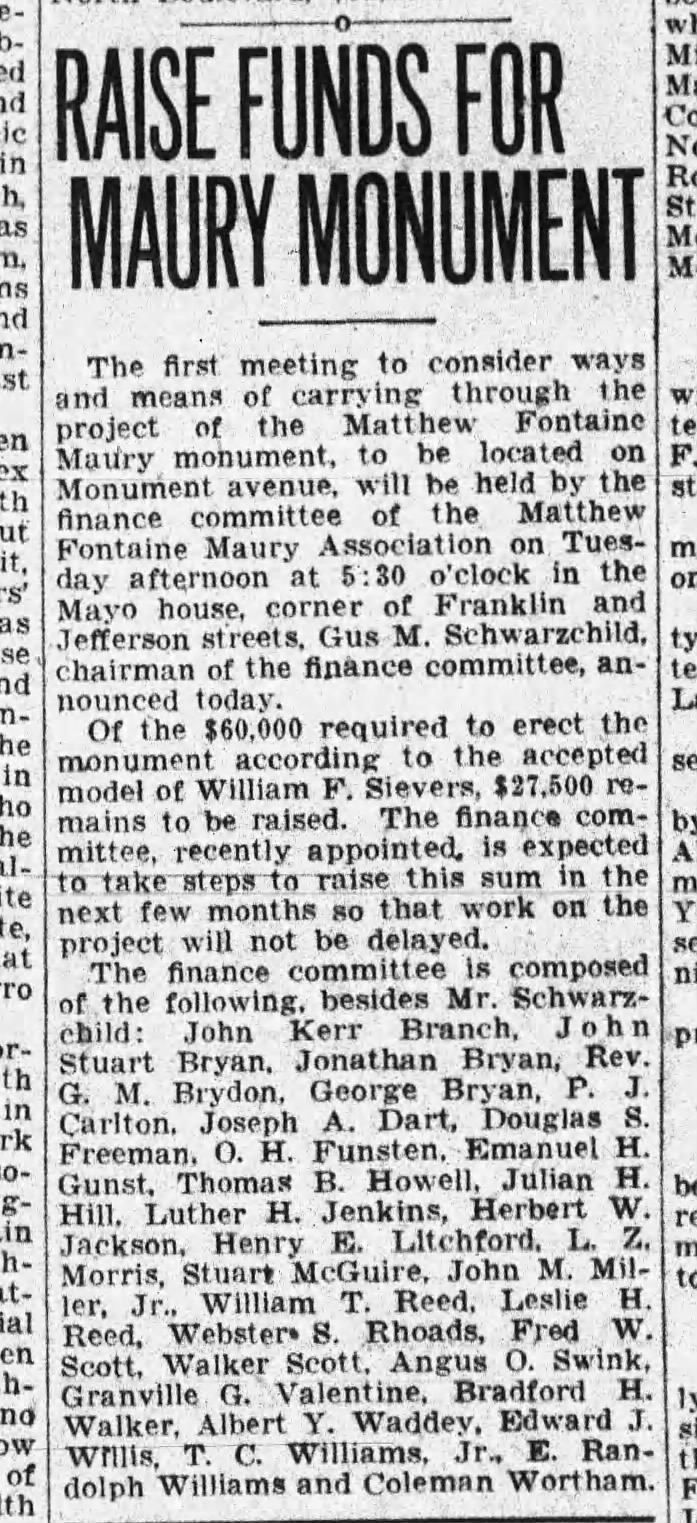
Richmond News Leader· Feb 20, 1926
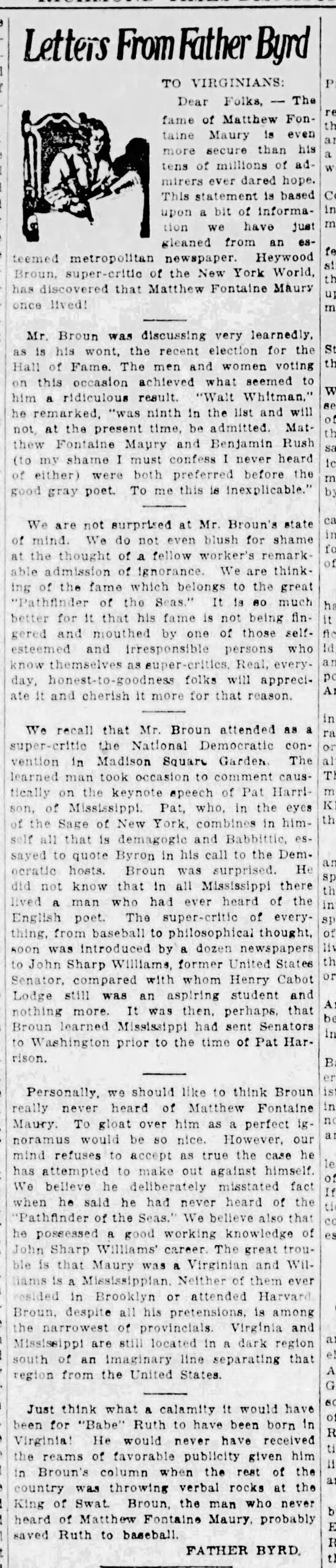
Richmond Times-Dispatch · Oct 29, 1925
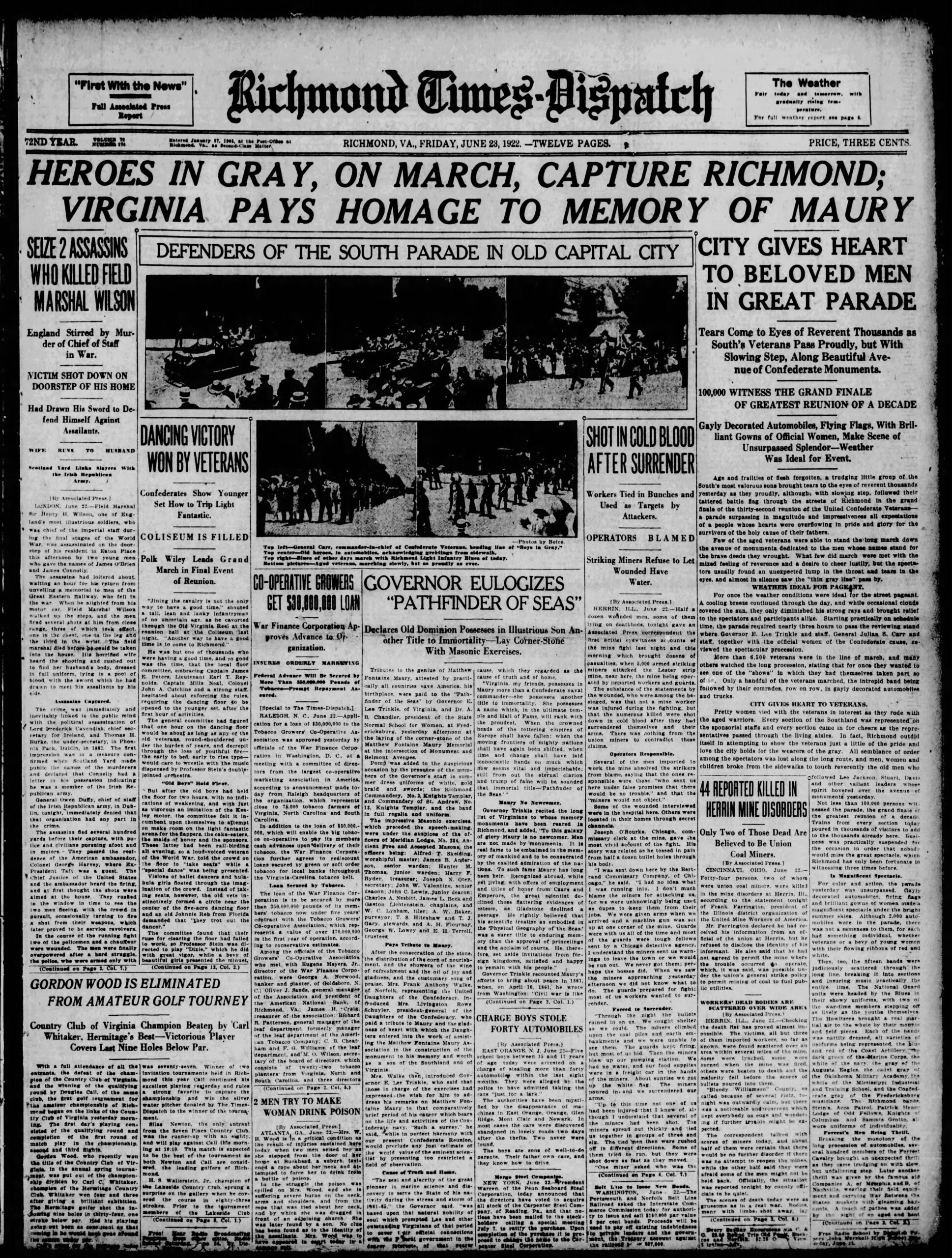
Richmond Times-Dispatch · Jun 23, 1922
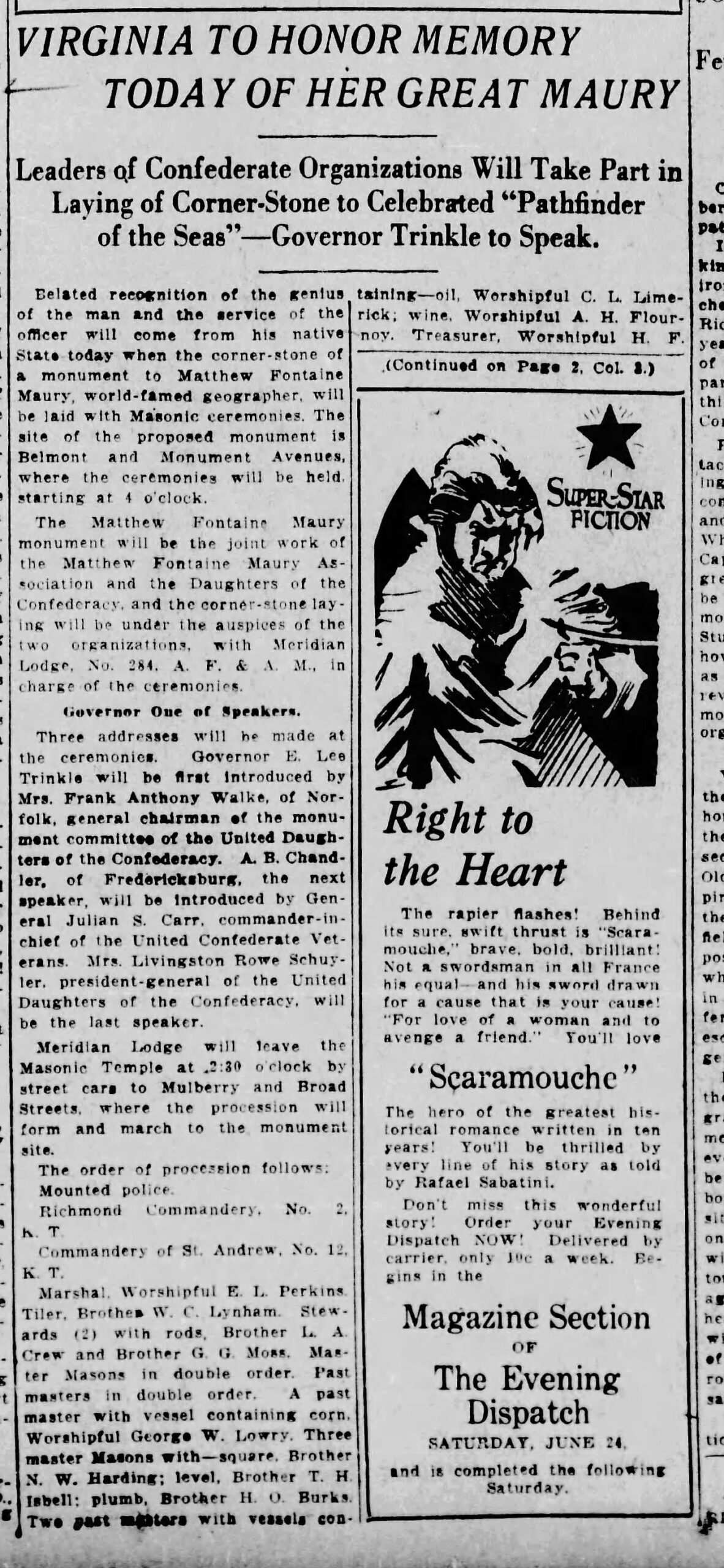
Richmond Times-Dispatch · Jun 22, 1922
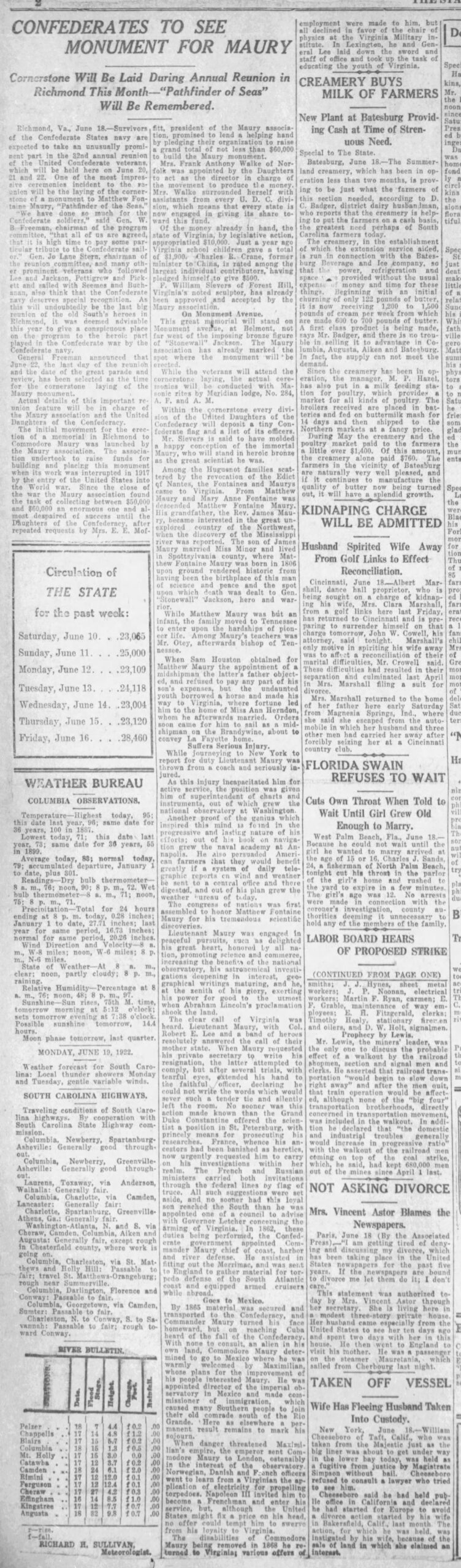
The State (Columbia, SC) · Jun 19, 1922
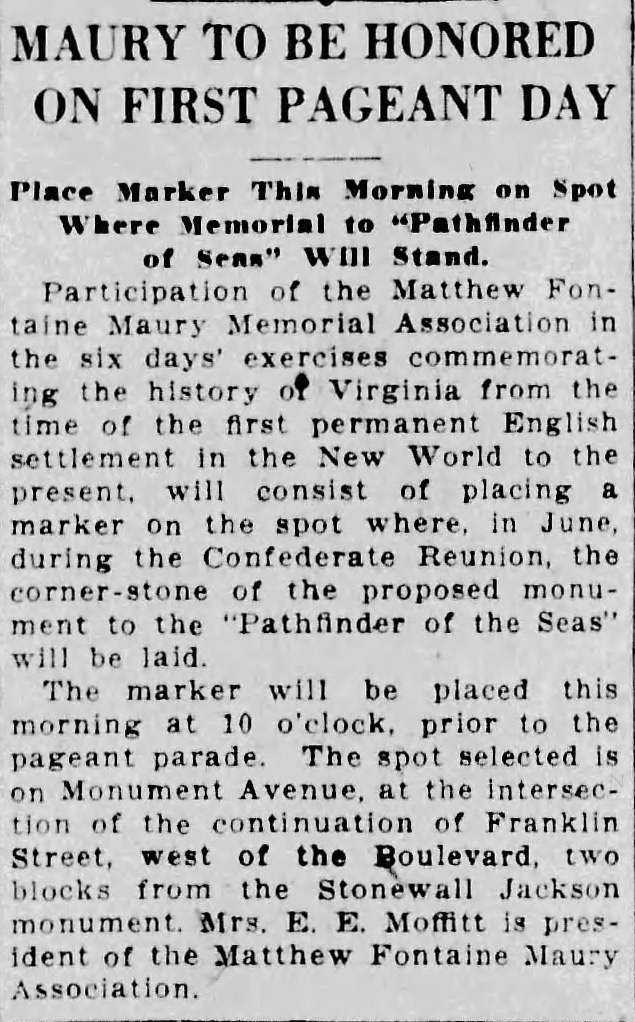
Richmond Times-Dispatch · May 22, 1922
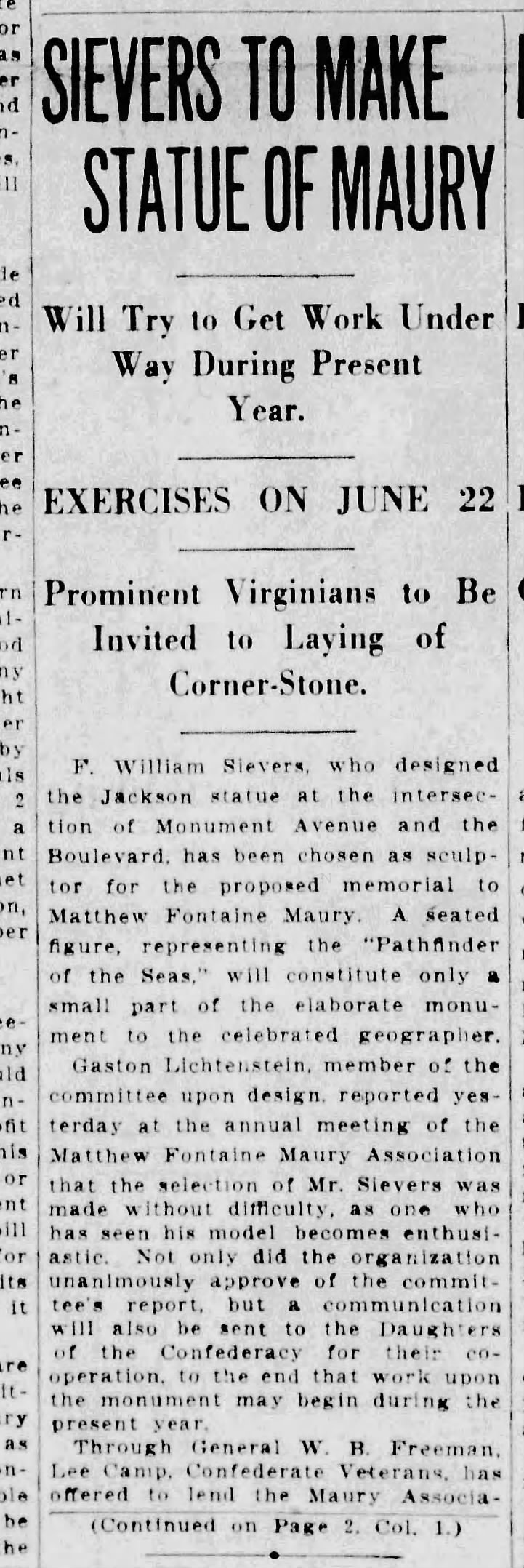
Richmond Times-Dispatch · May 12, 1922
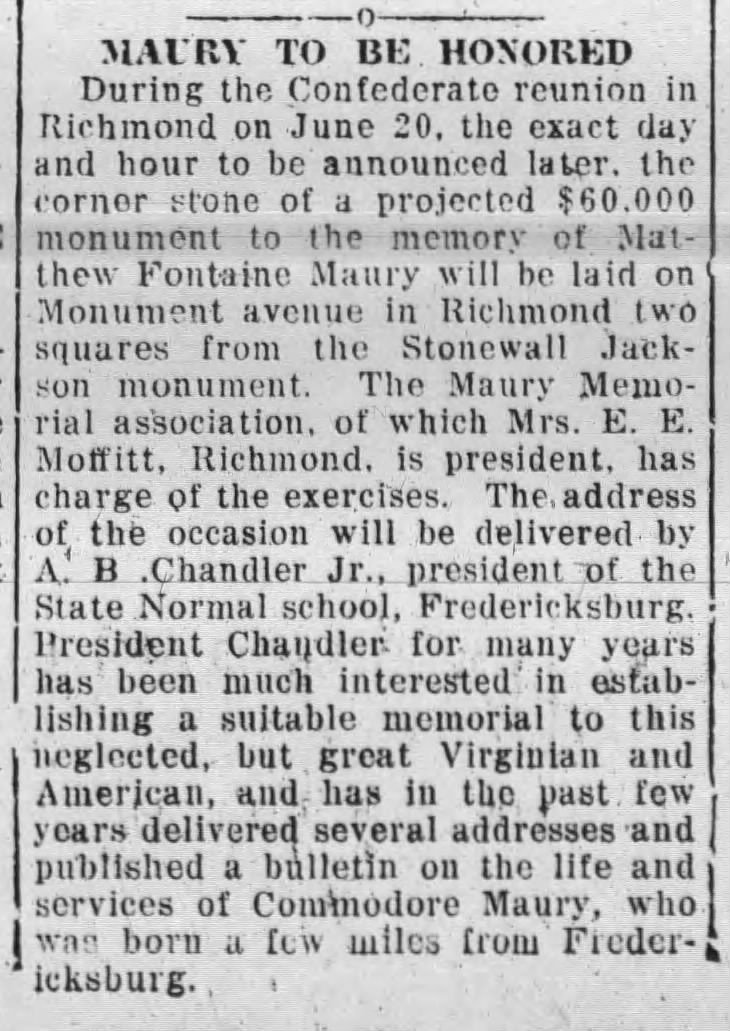
The Daily News Leader (Staunton, VA) · Apr 14, 1922
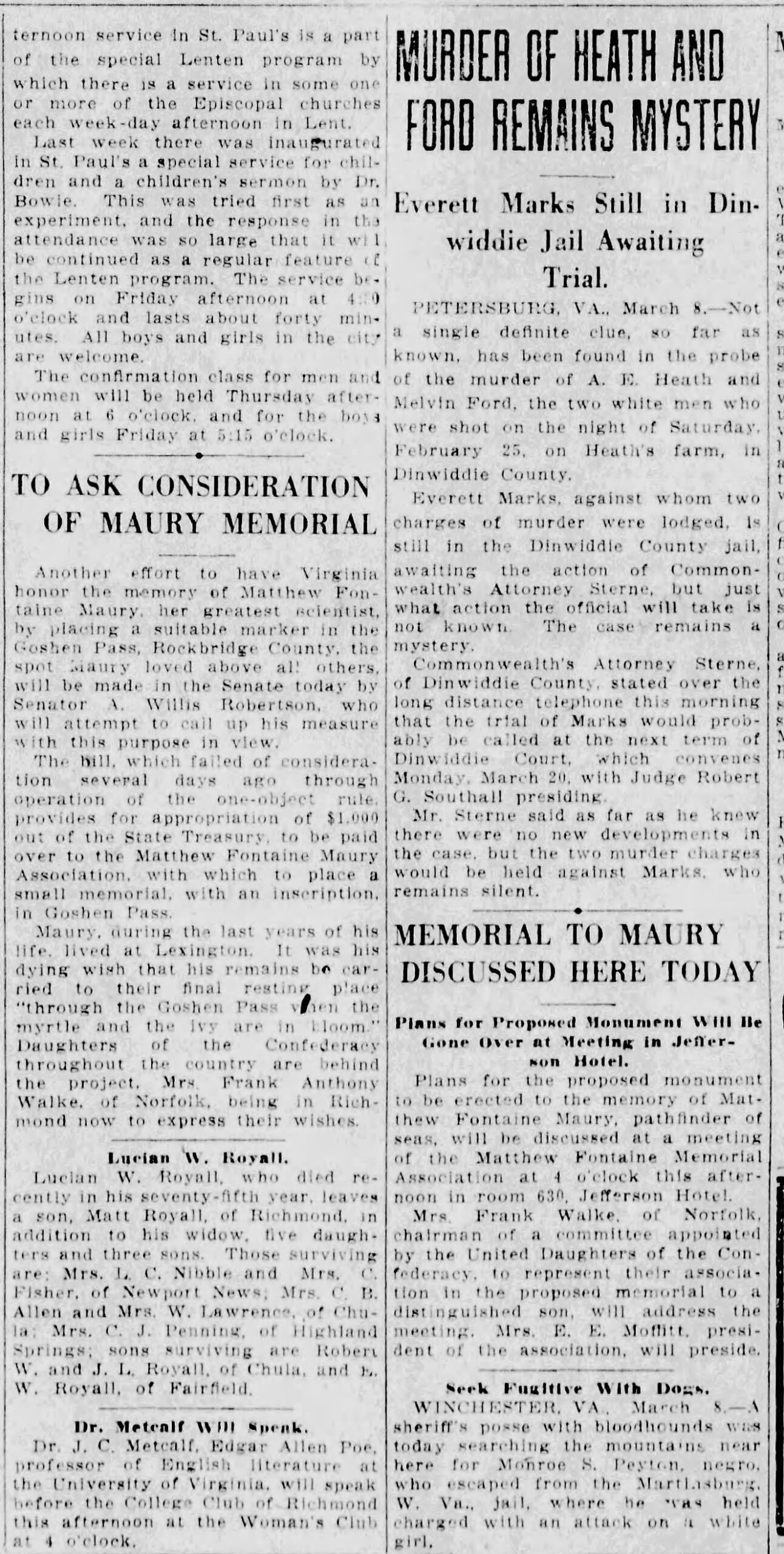
Richmond Times-Dispatch · Mar 9, 1922
Richmond Times-Dispatch · Oct 21, 1921
Richmond Times-Dispatch · Sep 4, 1921
Richmond Times-Dispatch · May 9, 1921
Richmond Times-Dispatch · Jan 29, 1921
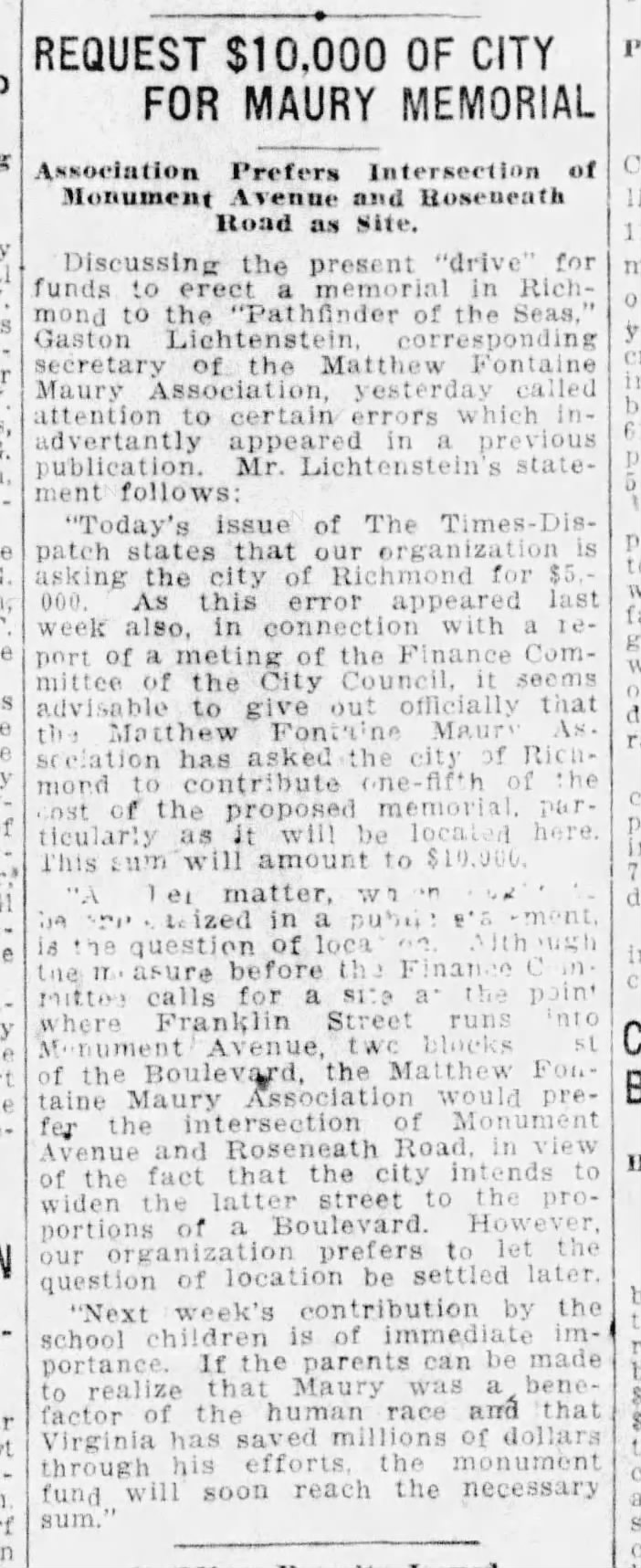
Richmond Times-Dispatch · Jan 28, 1921
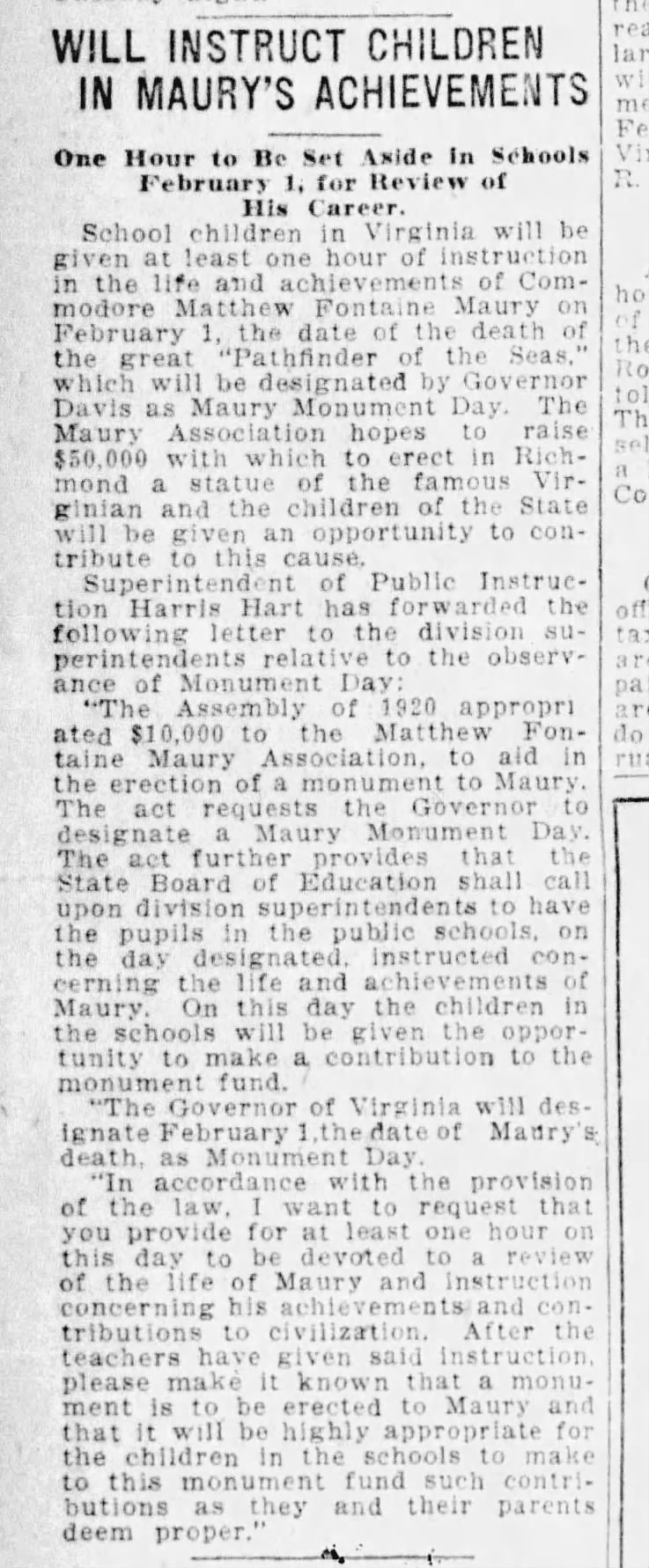
Richmond Times-Dispatch · Jan 8, 1921
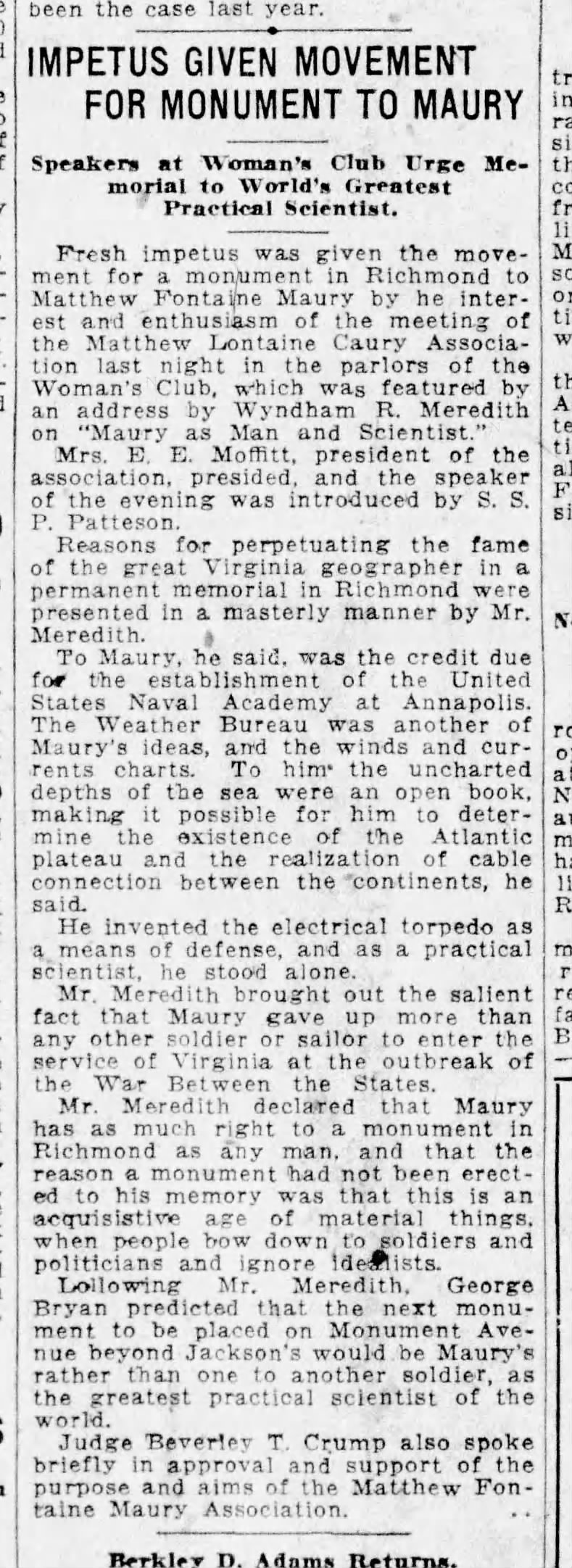
Richmond Times-Dispatch · Oct 2, 1919
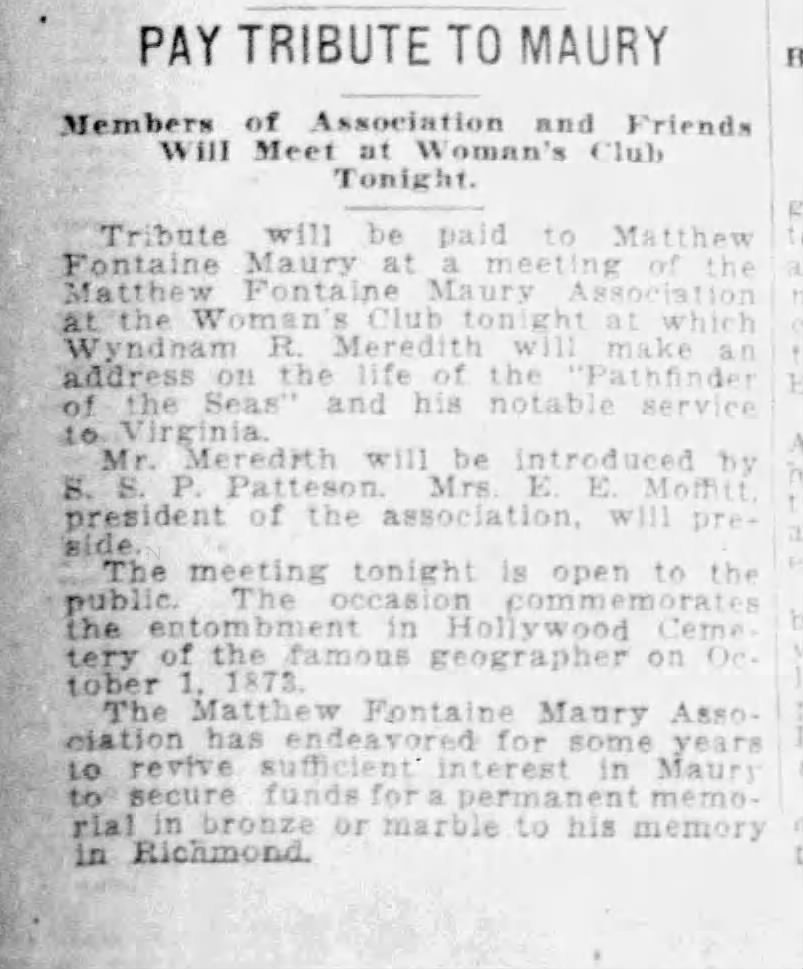
Richmond Times-Dispatch · Oct 1, 1919
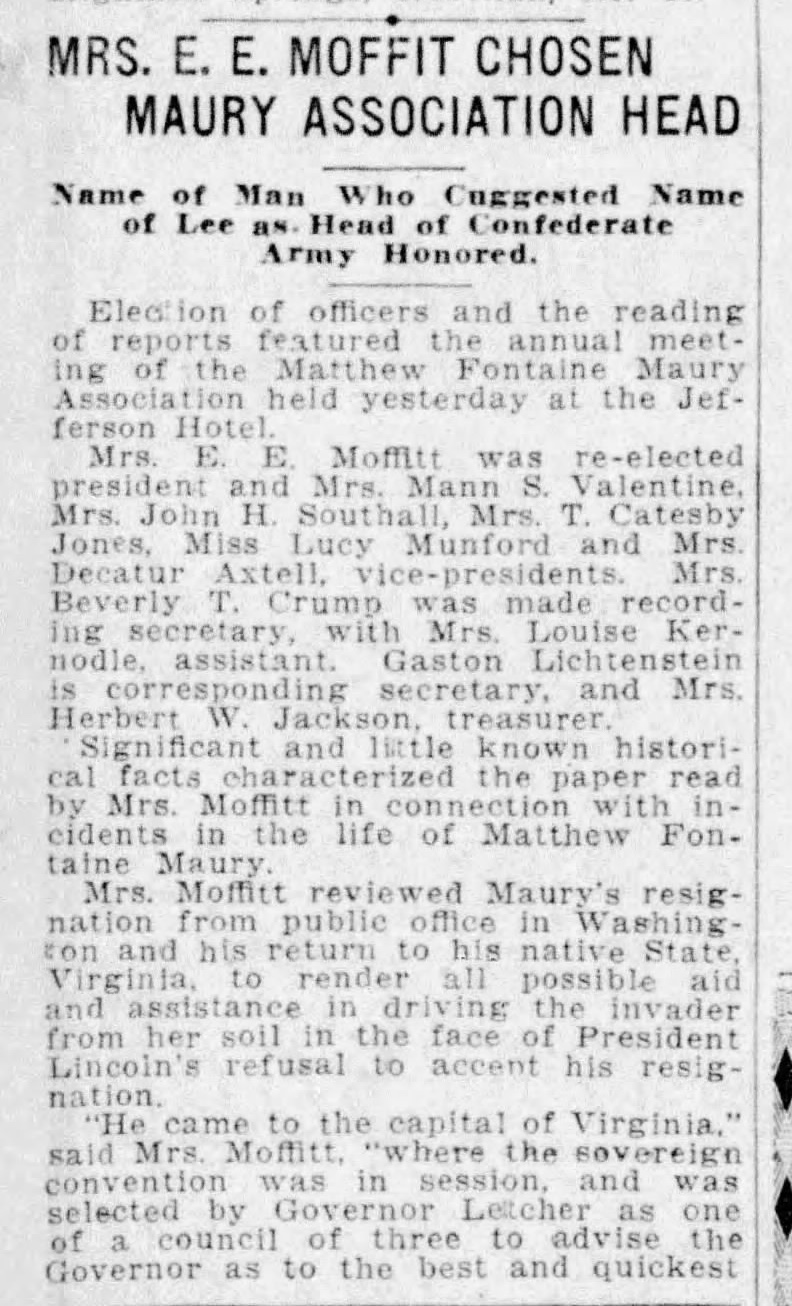
Richmond Times-Dispatch · May 11, 1919
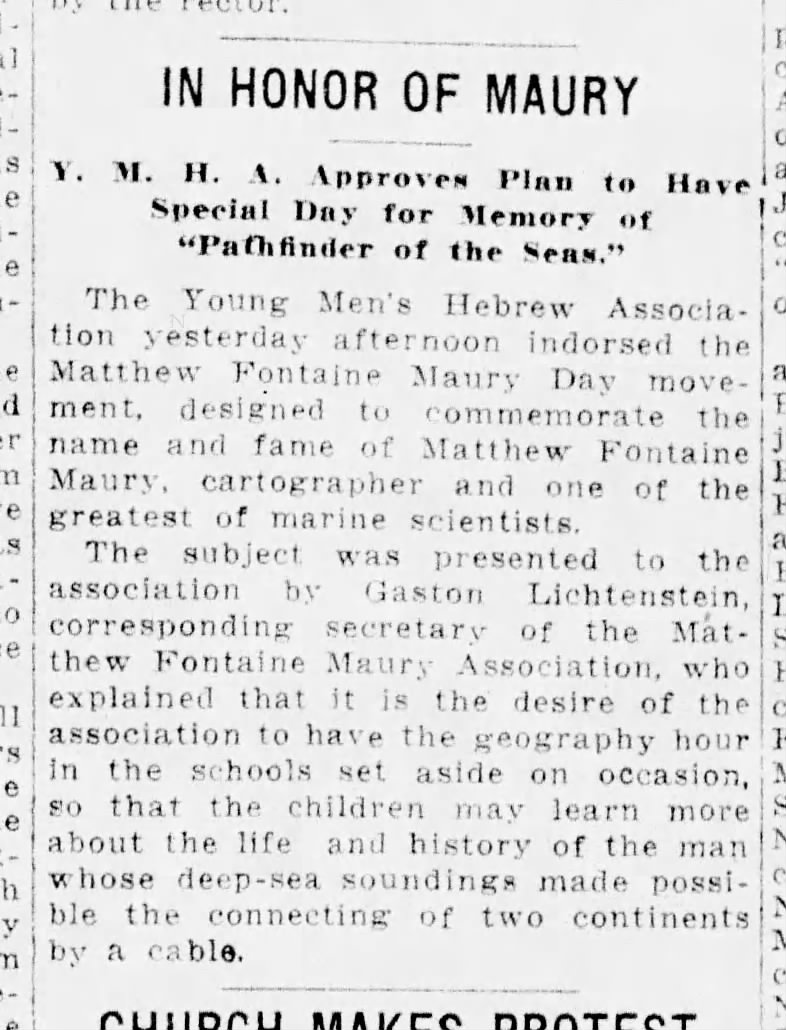
Richmond Times-Dispatch · Apr 17, 1916
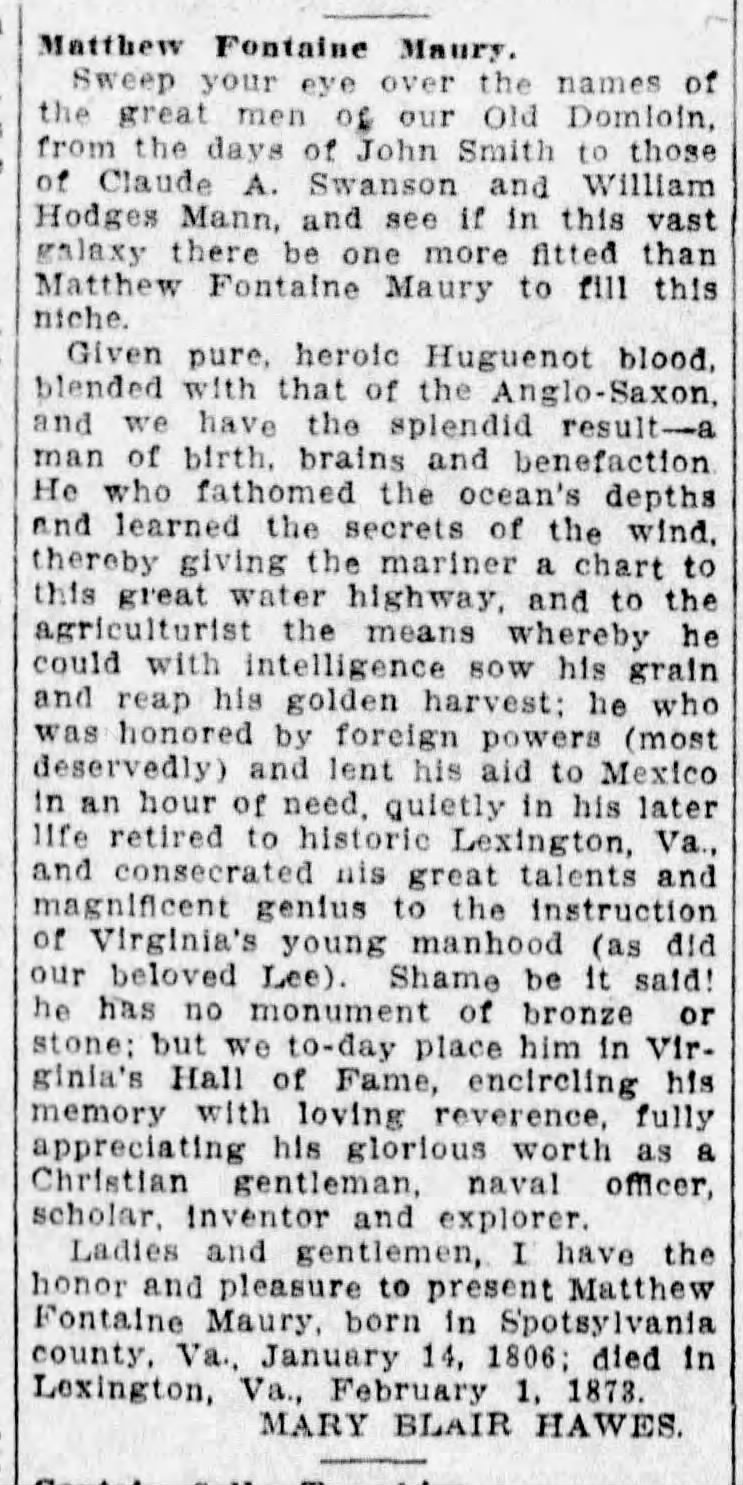
Richmond Times-Dispatch · Jan 23, 1910
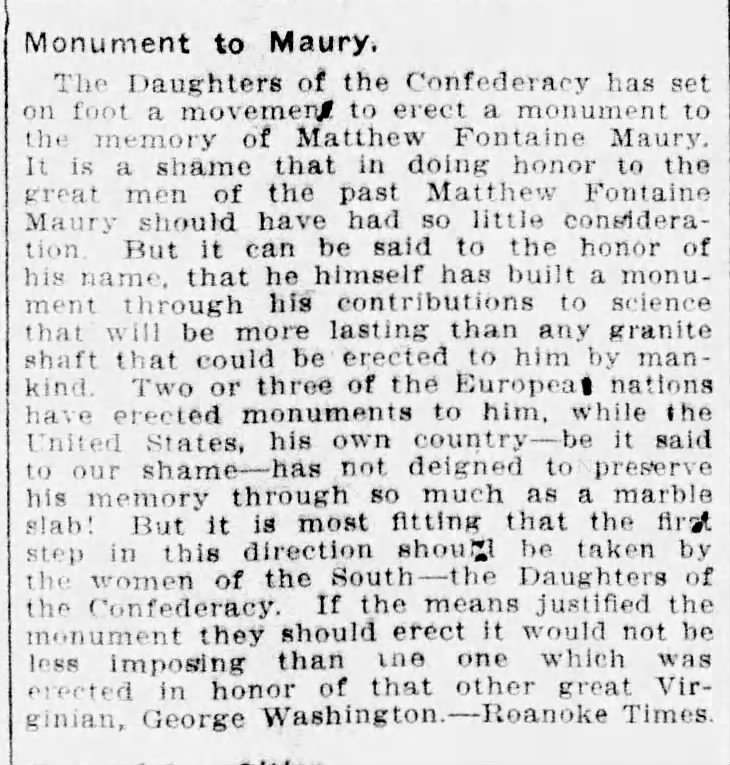
Richmond Times-Dispatch · Mar 14, 1907
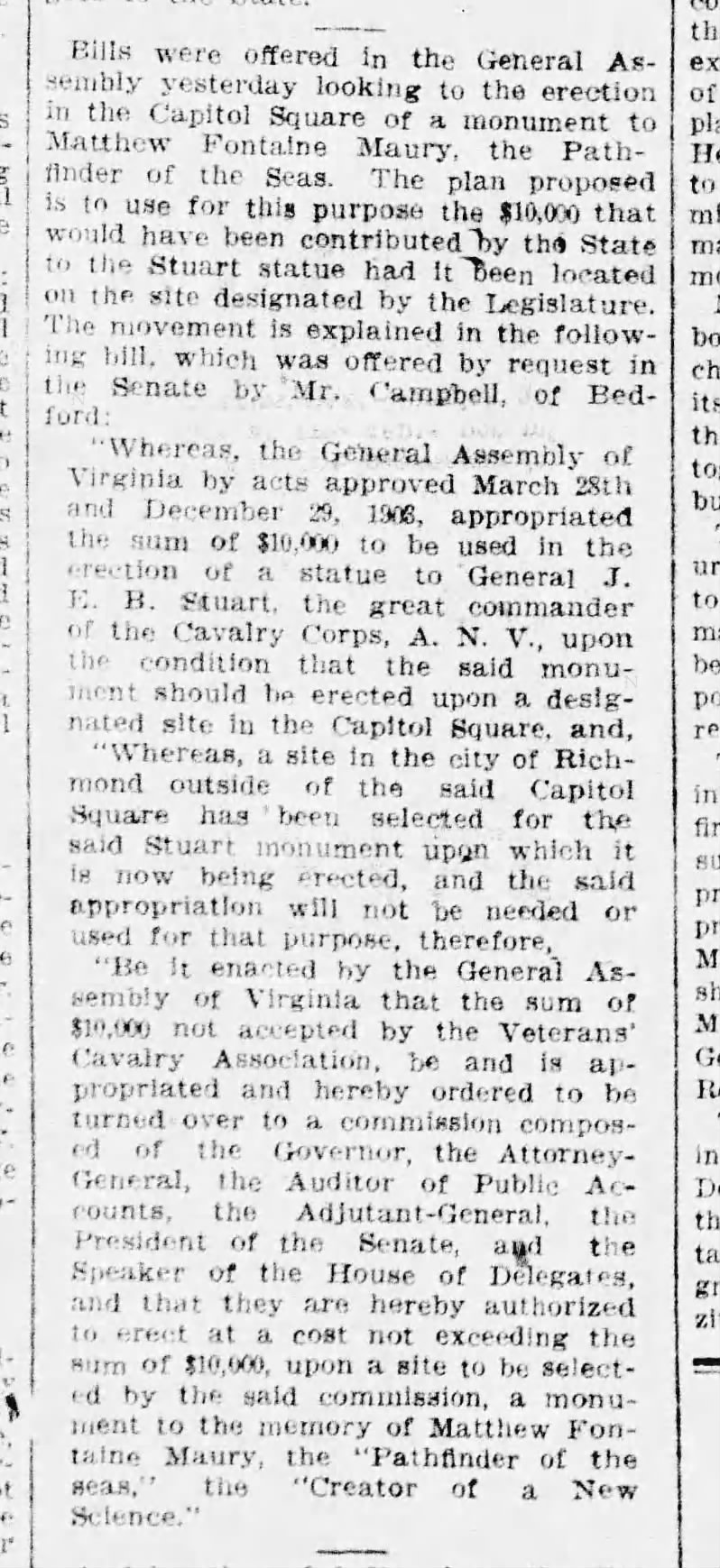
Richmond Times-Dispatch · Feb 3, 1906
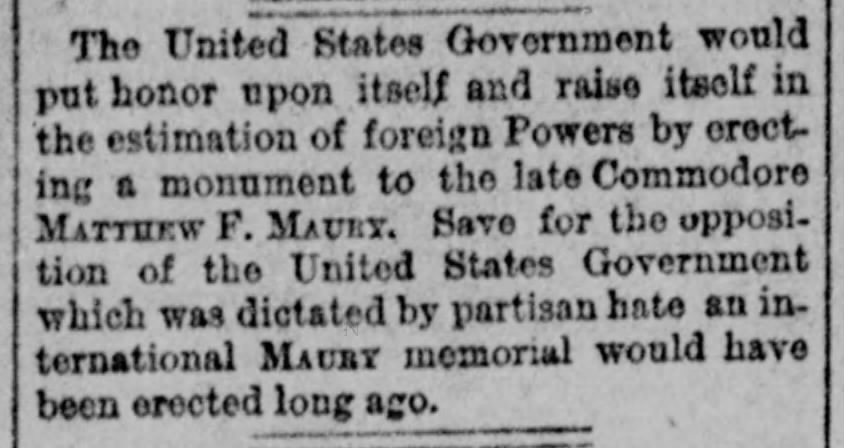
Richmond Dispatch · Feb 9, 1890
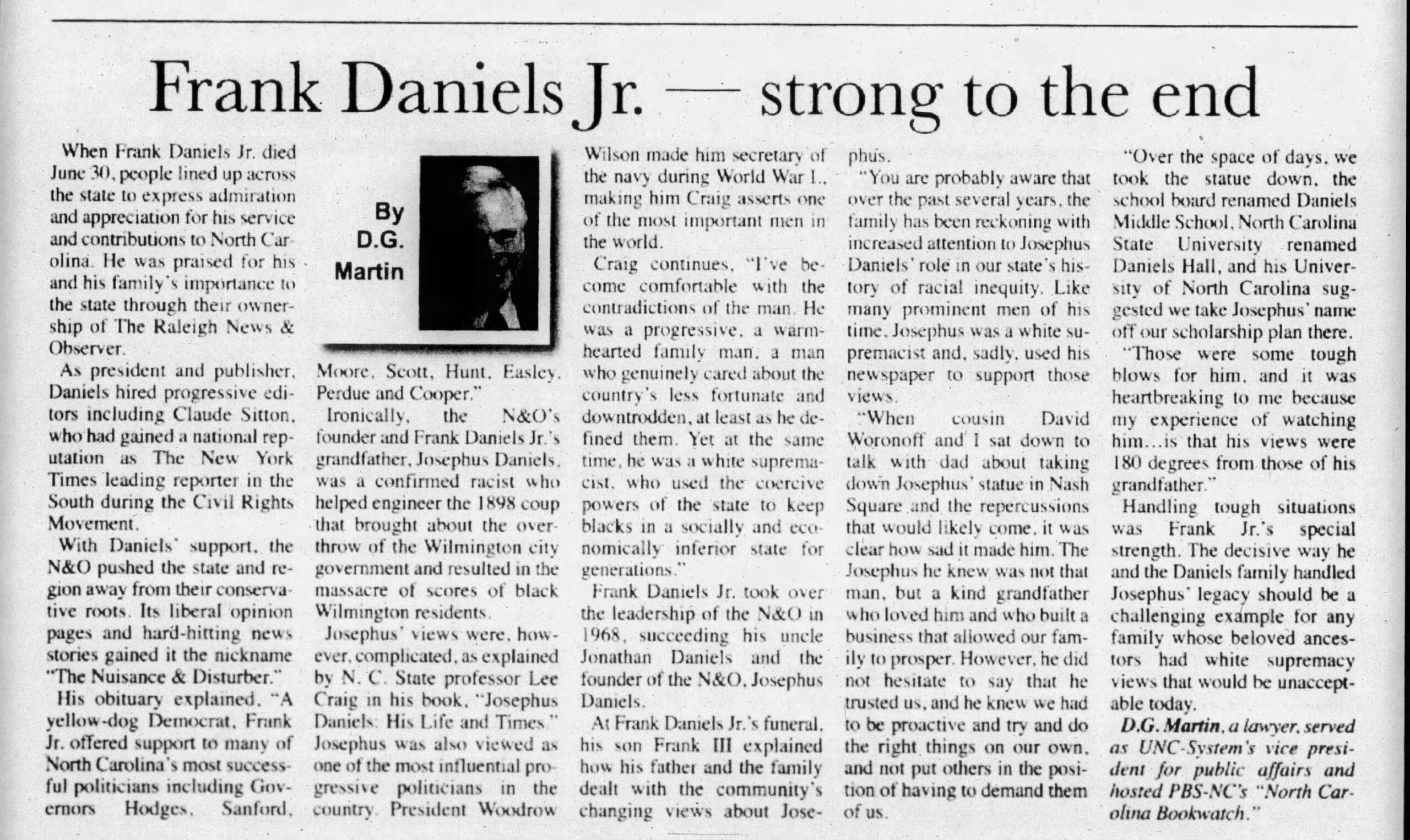
Stanly News and Press (Albemarle, NC) · Jul 26, 2022
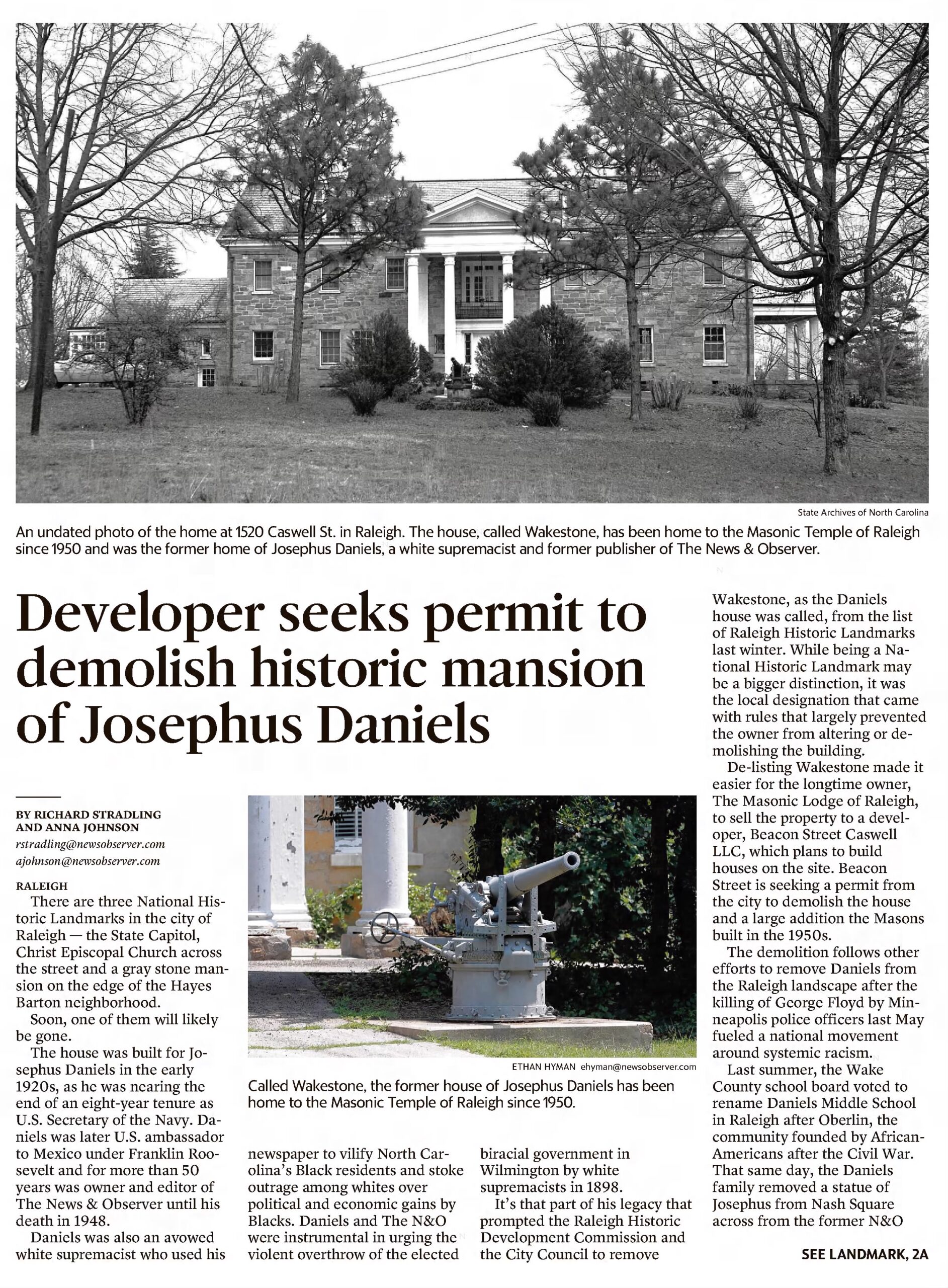
The Raleigh News & Observer · Aug 2, 2021
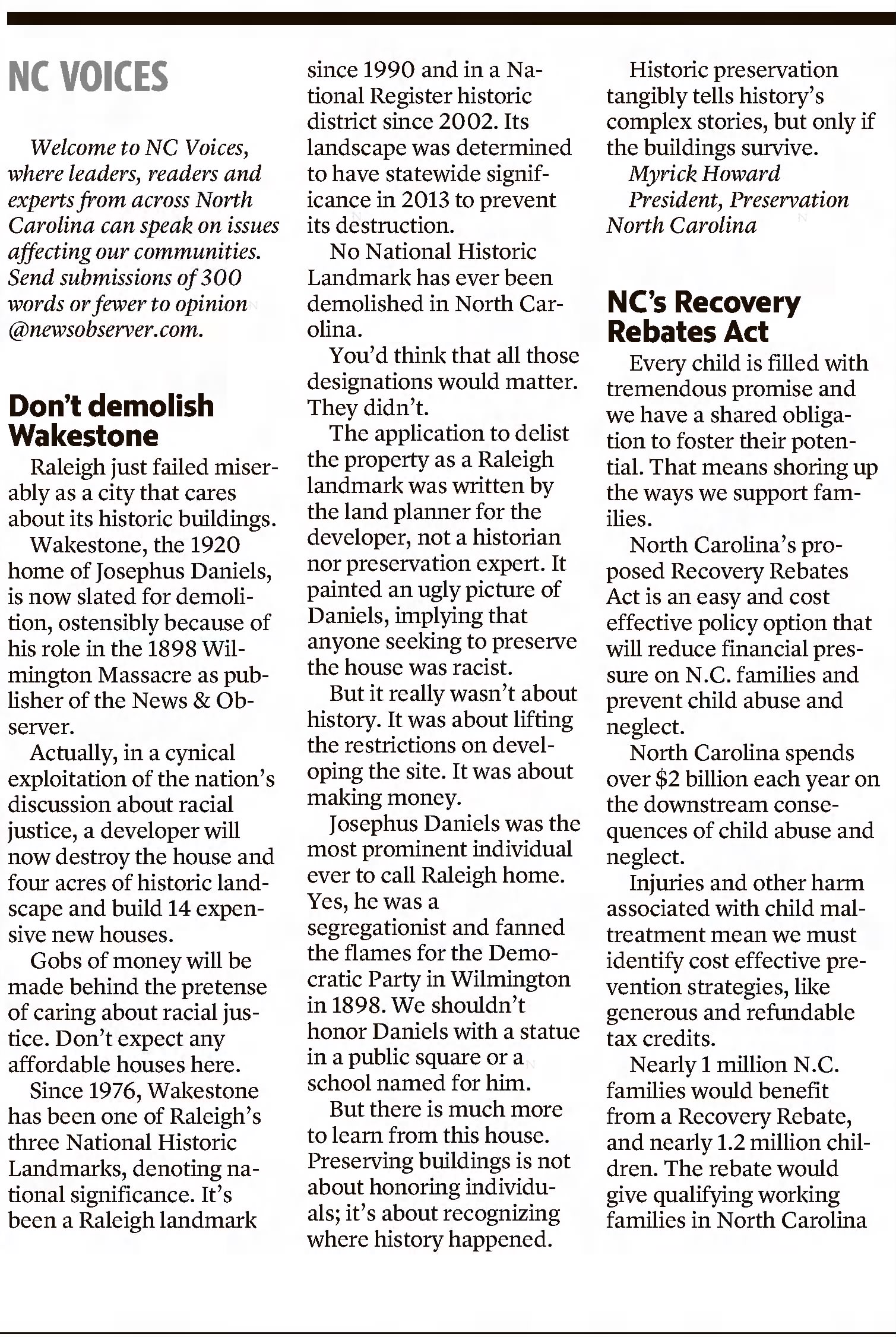
The Herald-Sun (Durham, NC) · May 19, 2021
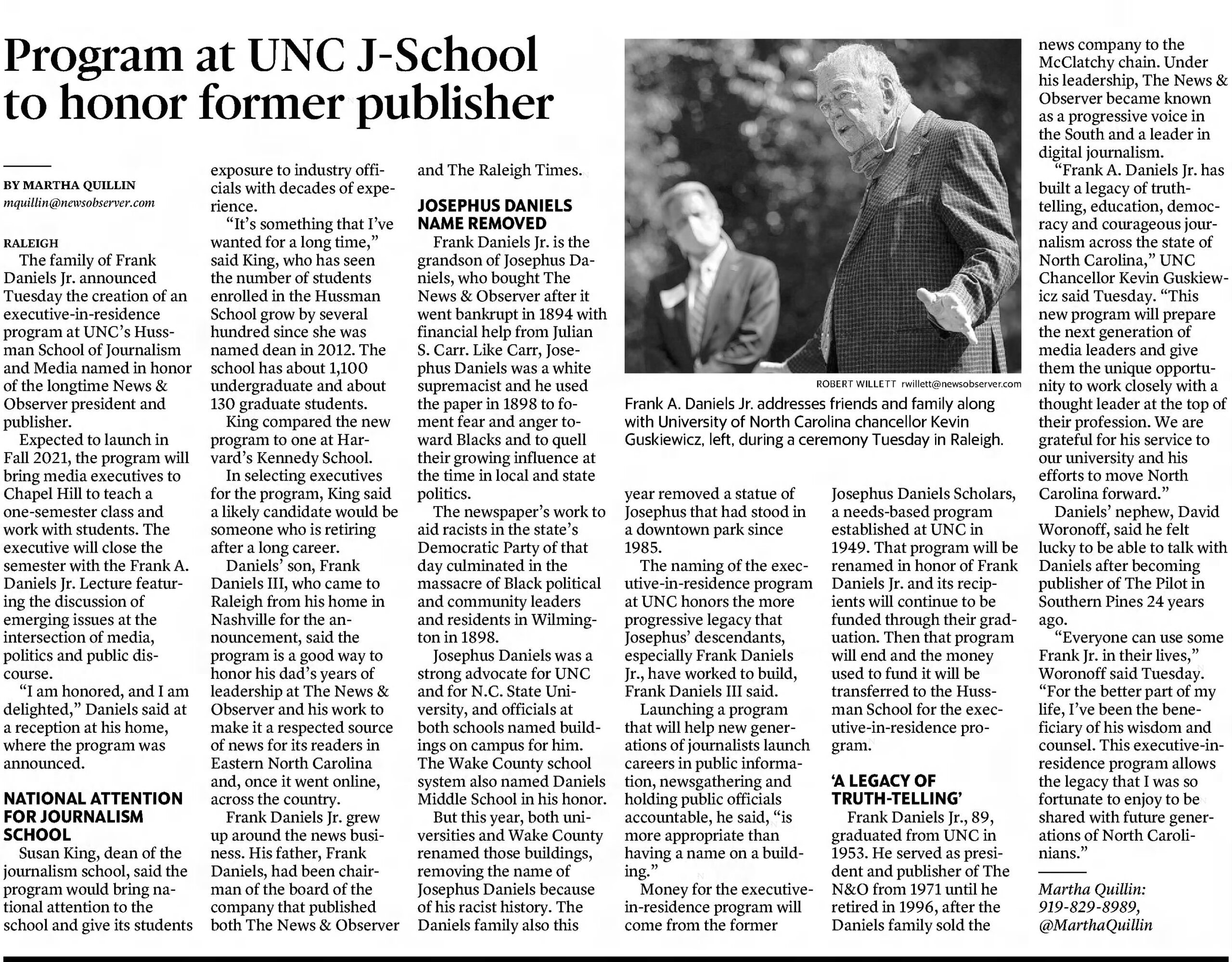
The Raleigh News & Observer · Sep 24, 2020
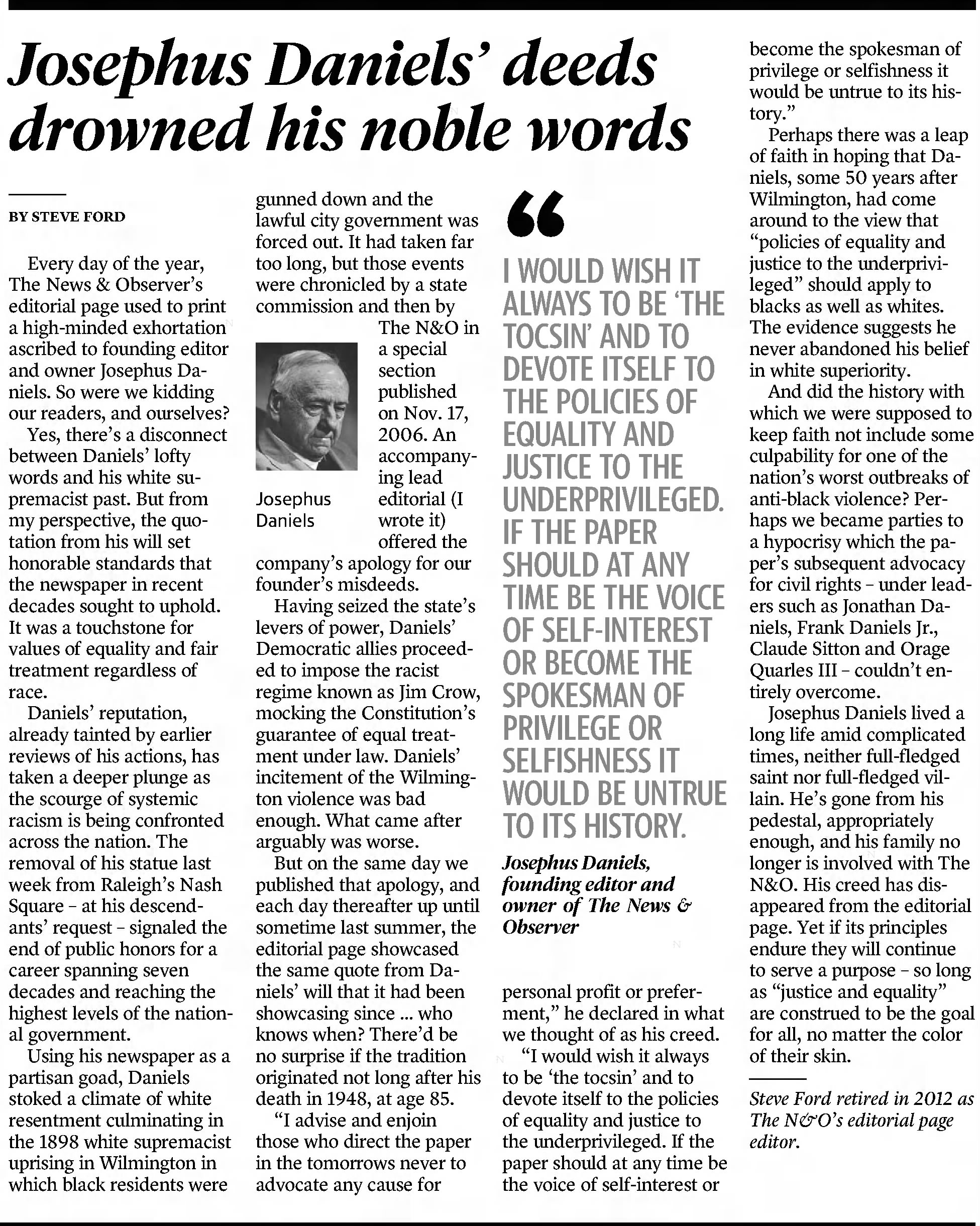
The Raleigh News & Observer · Jun 25, 2020
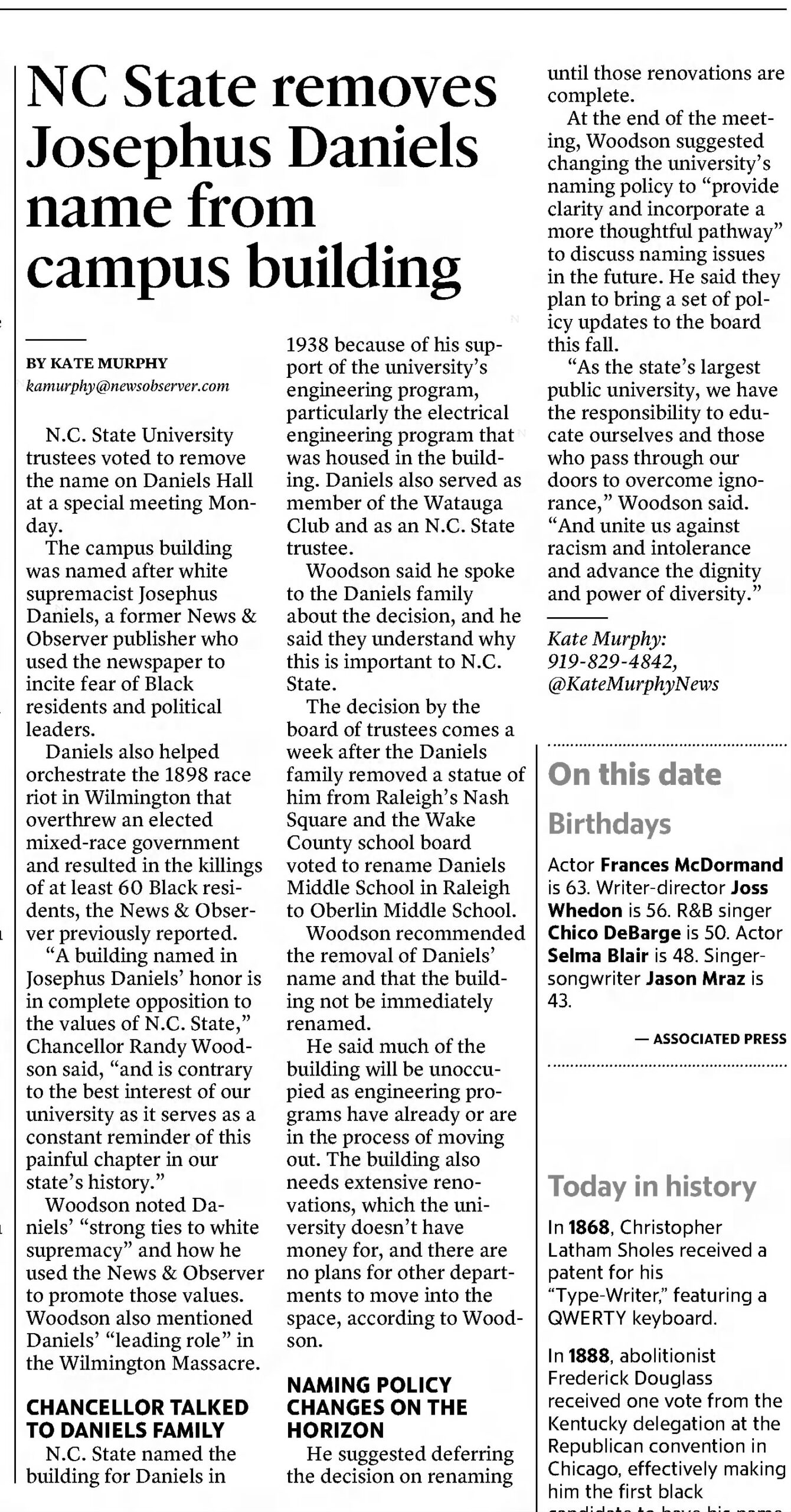
The Raleigh News & Observer · Jun 23, 2020
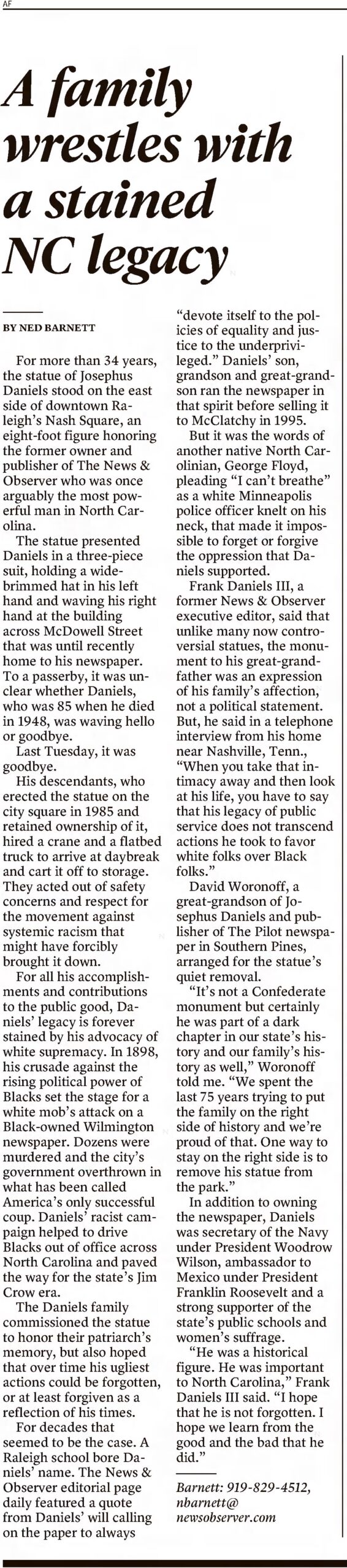
The Raleigh News & Observer · Jun 21, 2020
The Raleigh News & Observer · Jun 19, 2020
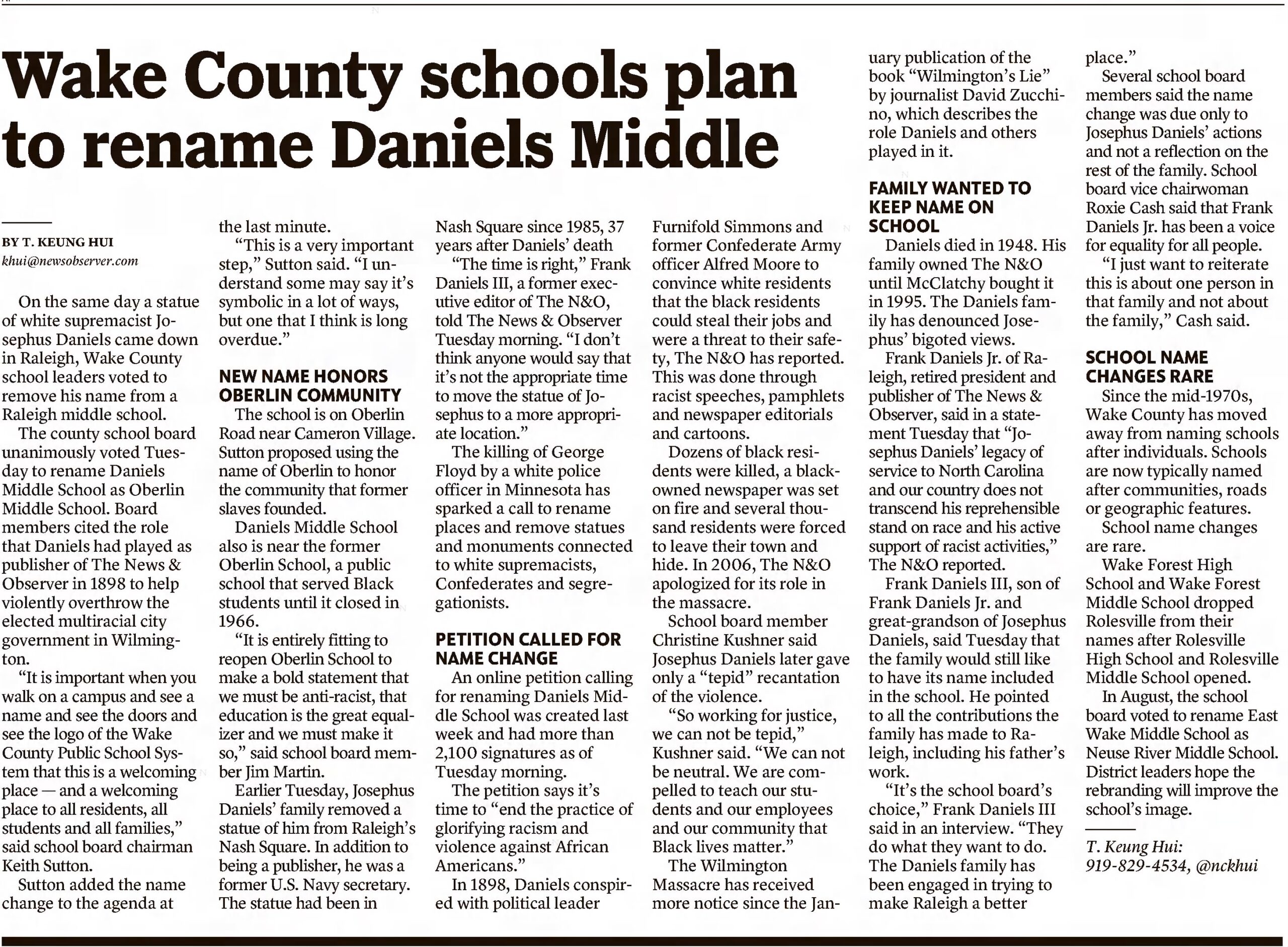
The Raleigh News & Observer · Jun 18, 2020
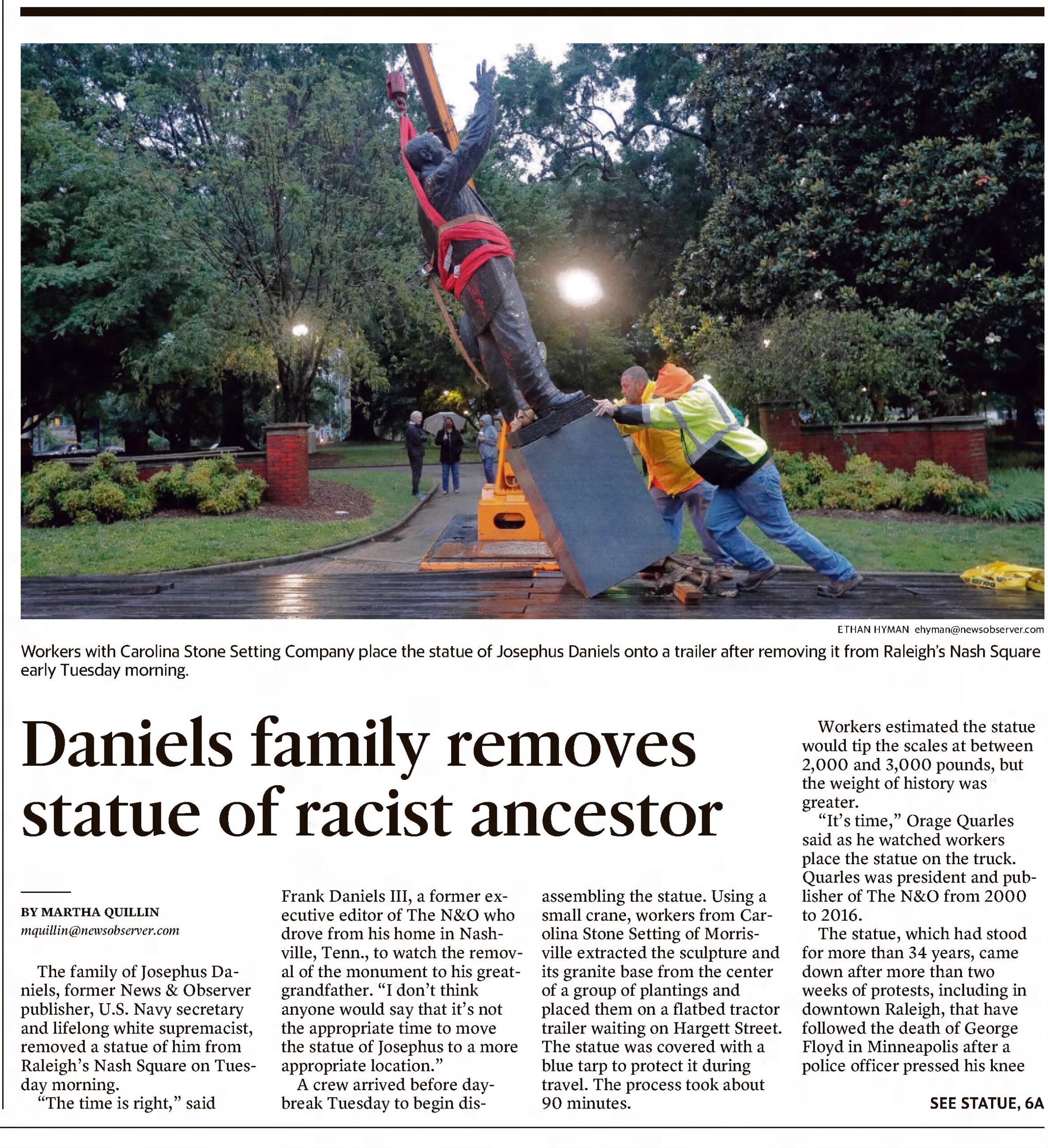
The Raleigh News & Observer · Jun 17, 2020
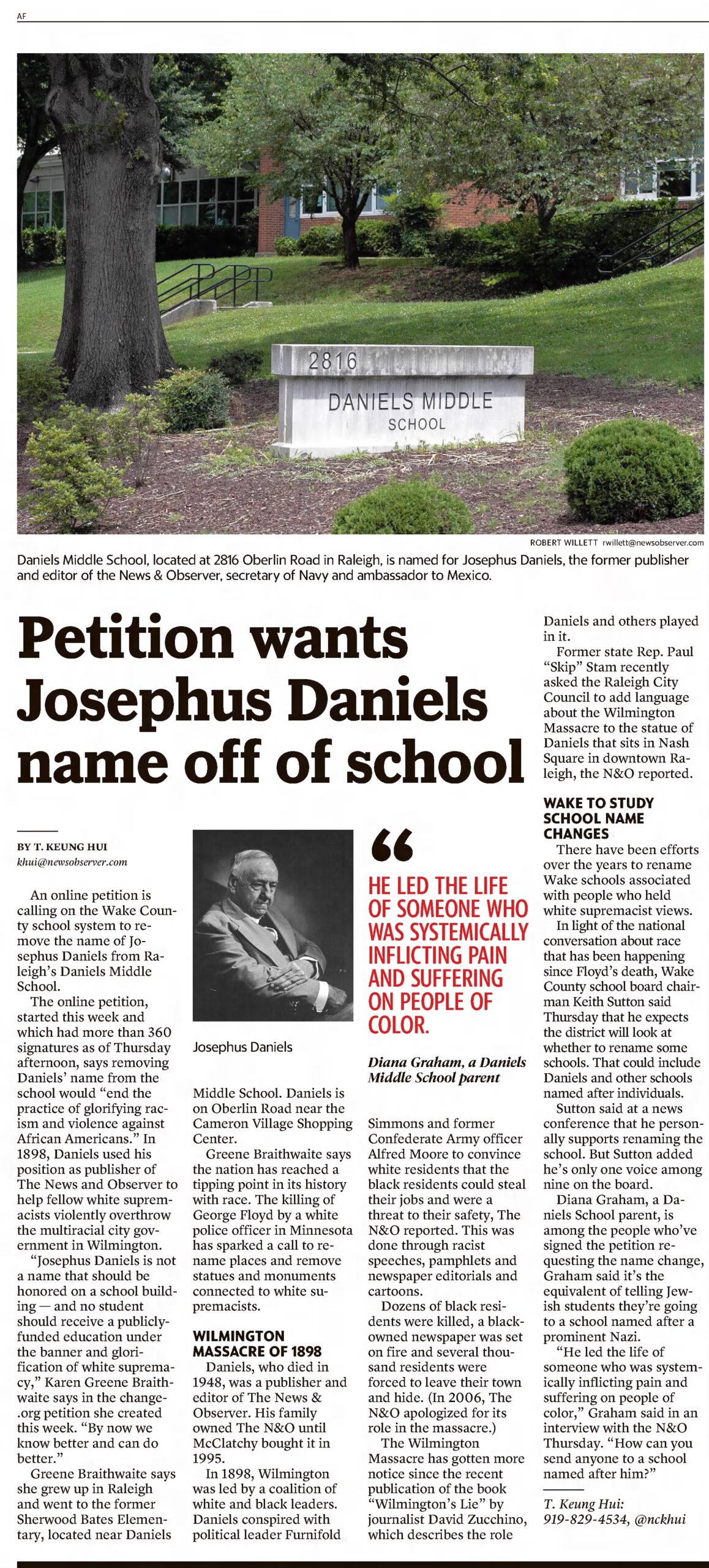
The Raleigh News & Observer · Jun 13, 2020
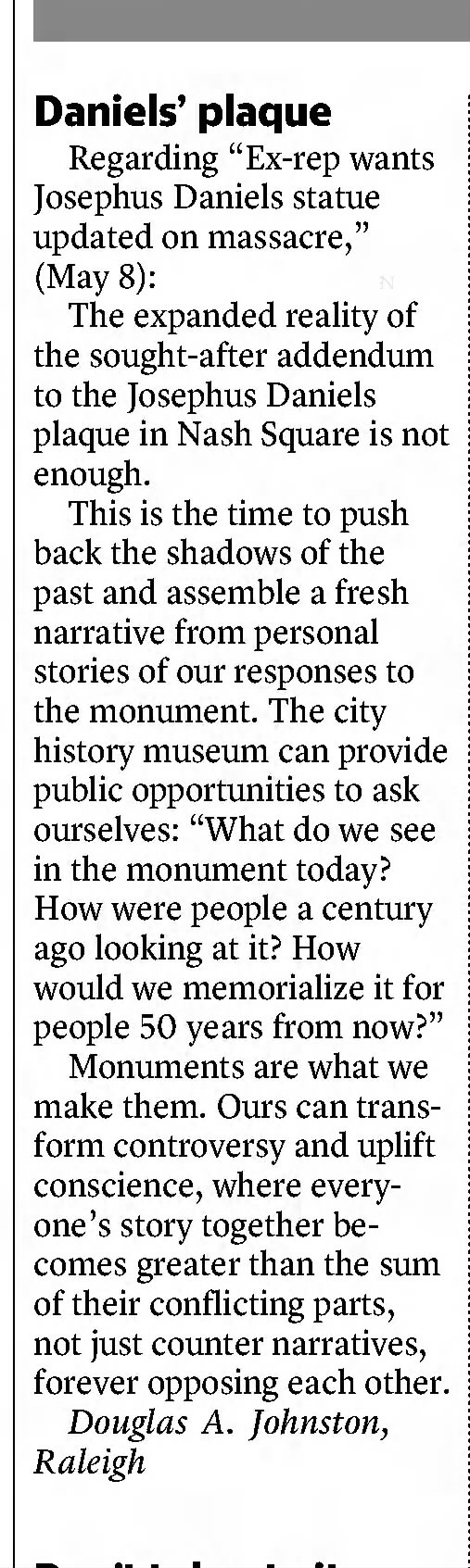
The Raleigh News & Observer · May 12, 2020

The Herald Sun (Durham, NC) · Nov 1, 2017
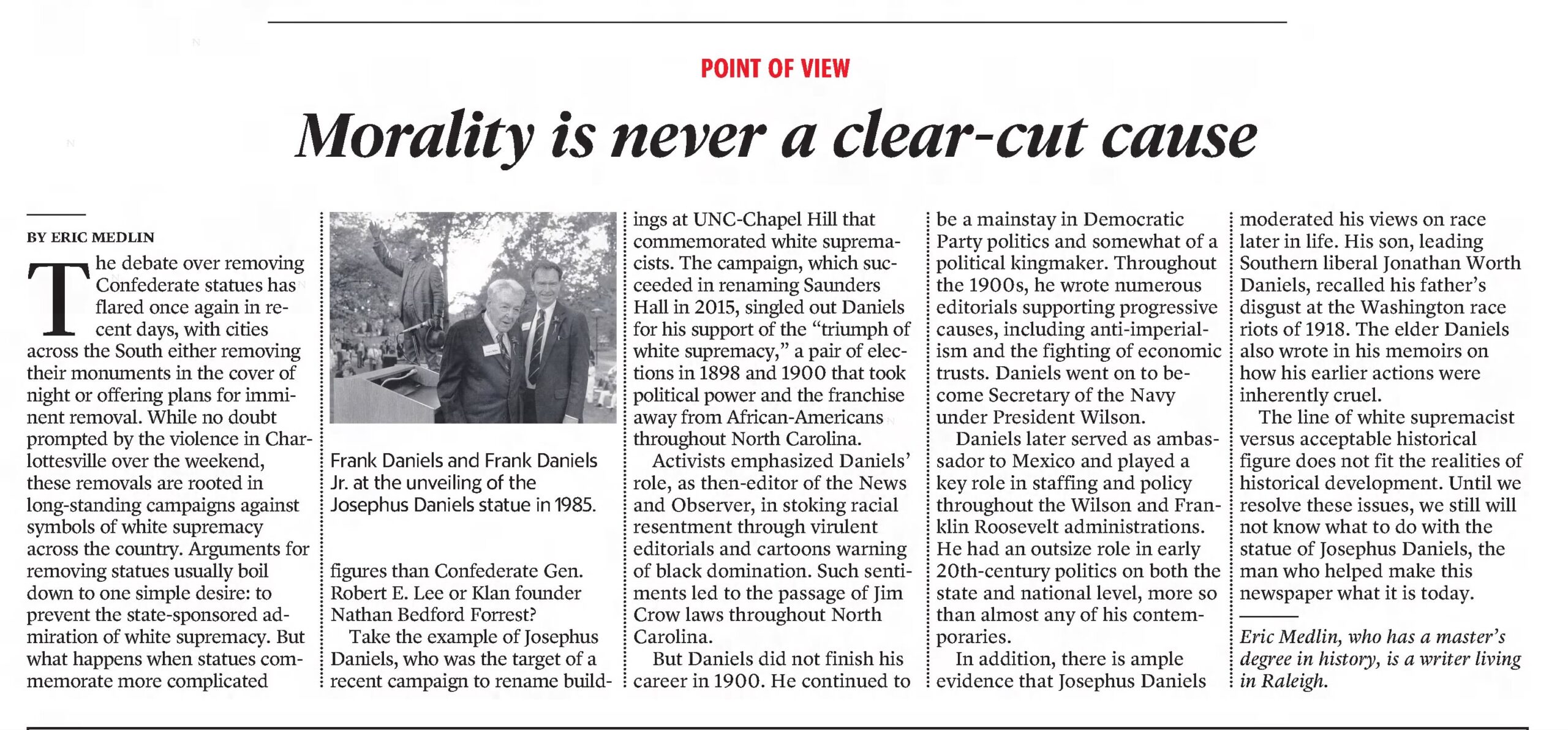
The Raleigh News & Observer · Aug 25, 2017
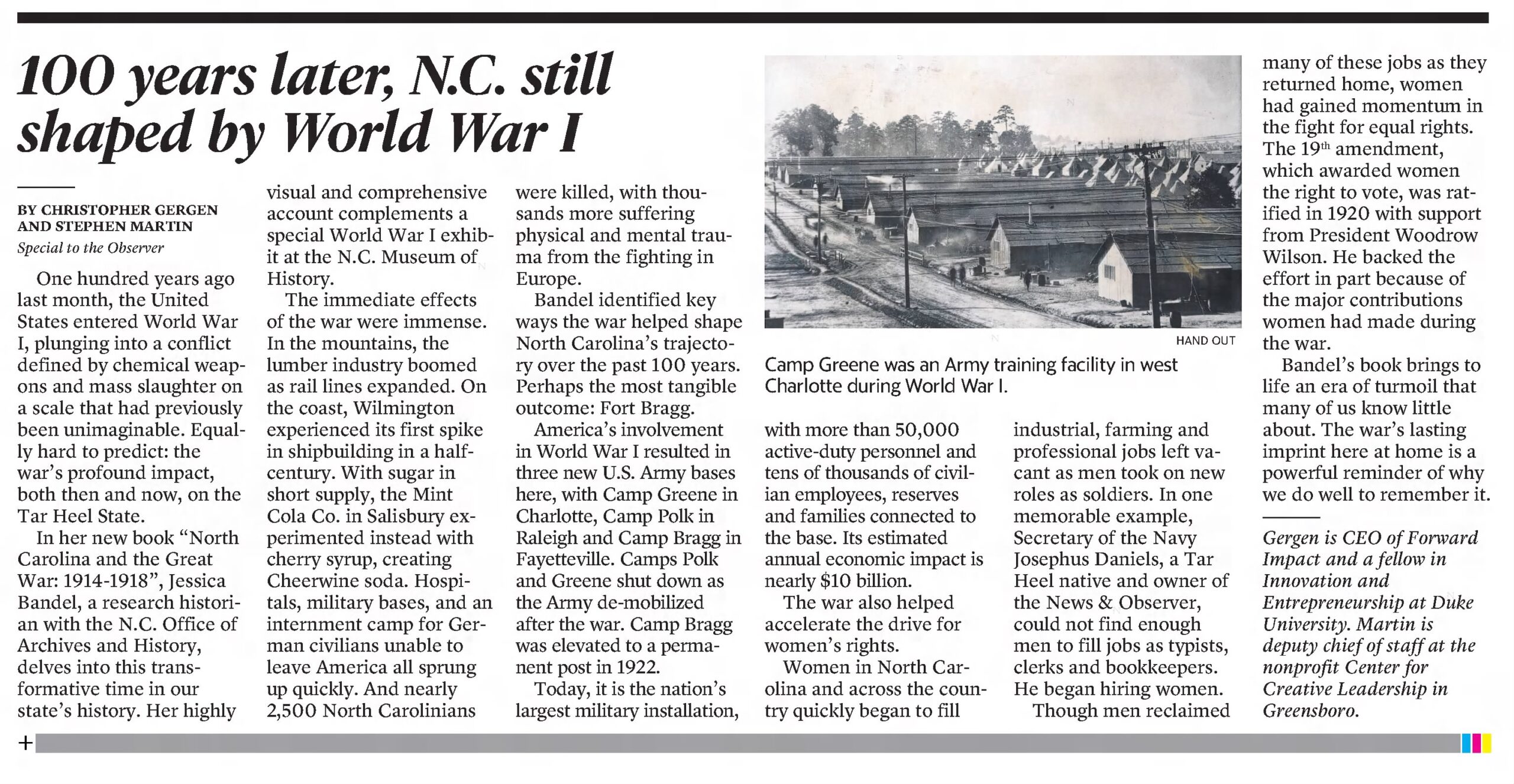
The Charlotte Observer Observer · May 8, 2017
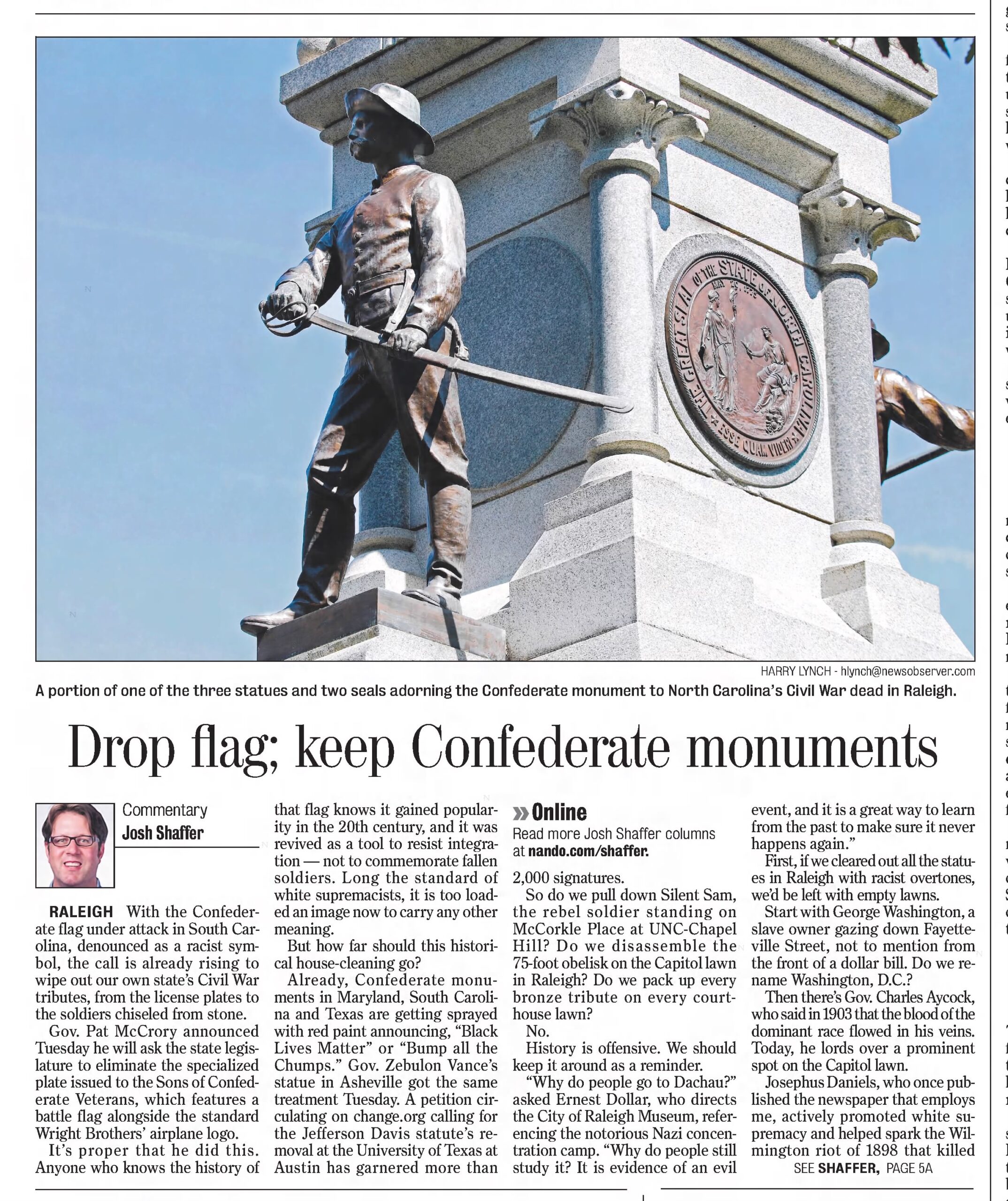
The Raleigh News & Observer · Jun 24, 2015
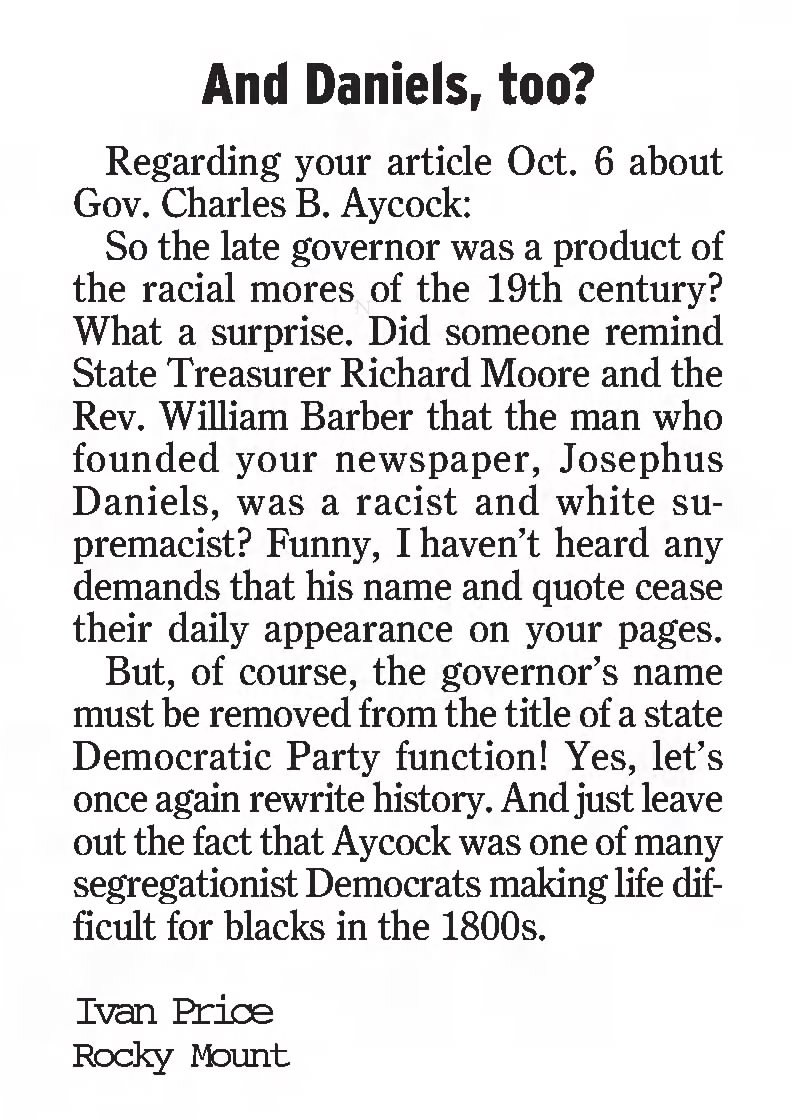
The Raleigh News & Observer · Oct 14, 2007
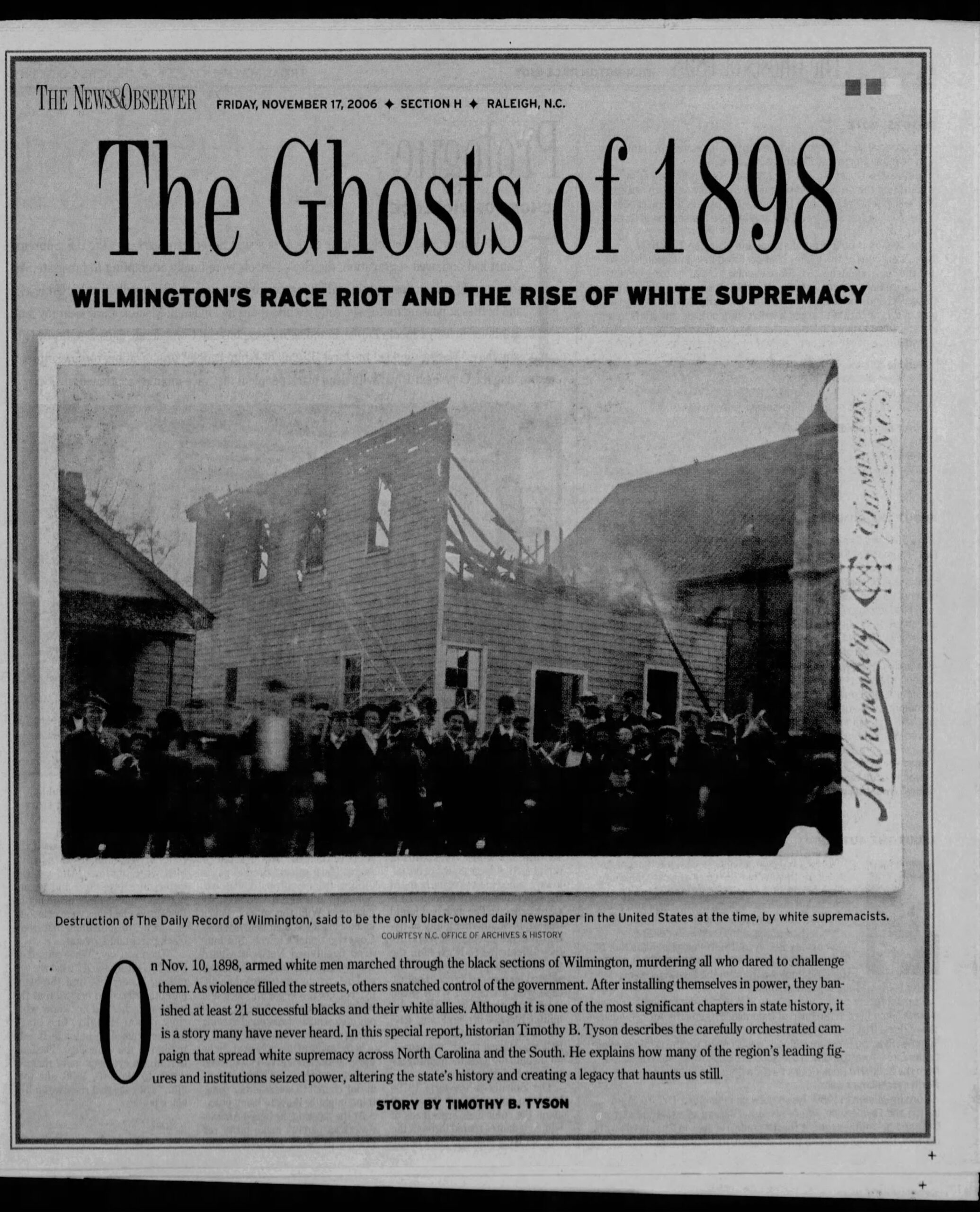
The Raleigh News & Observer · Nov 17, 2006
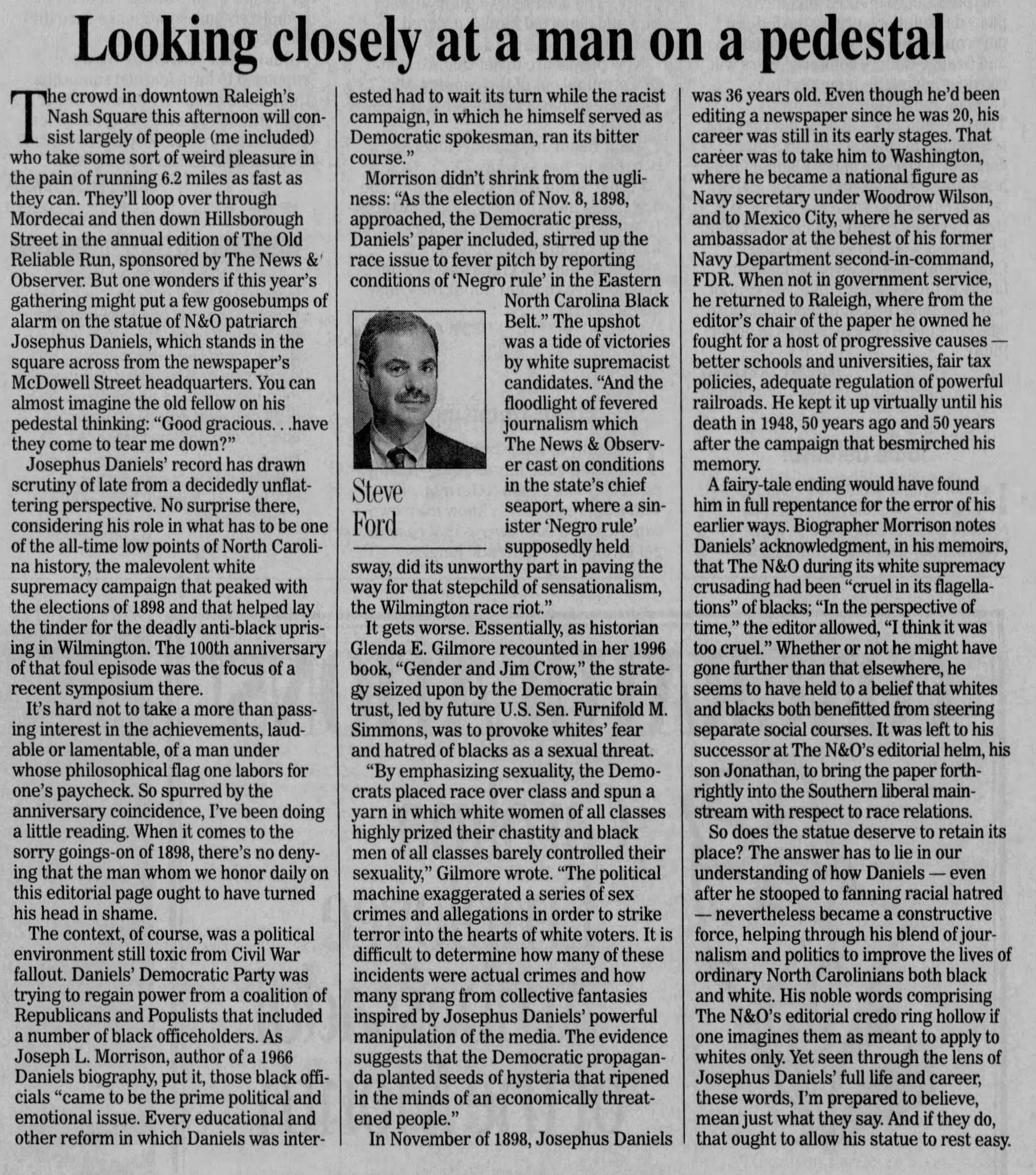
The Raleigh News & Observer · Nov 15, 1998

The Raleigh News & Observer · Oct 21, 1996
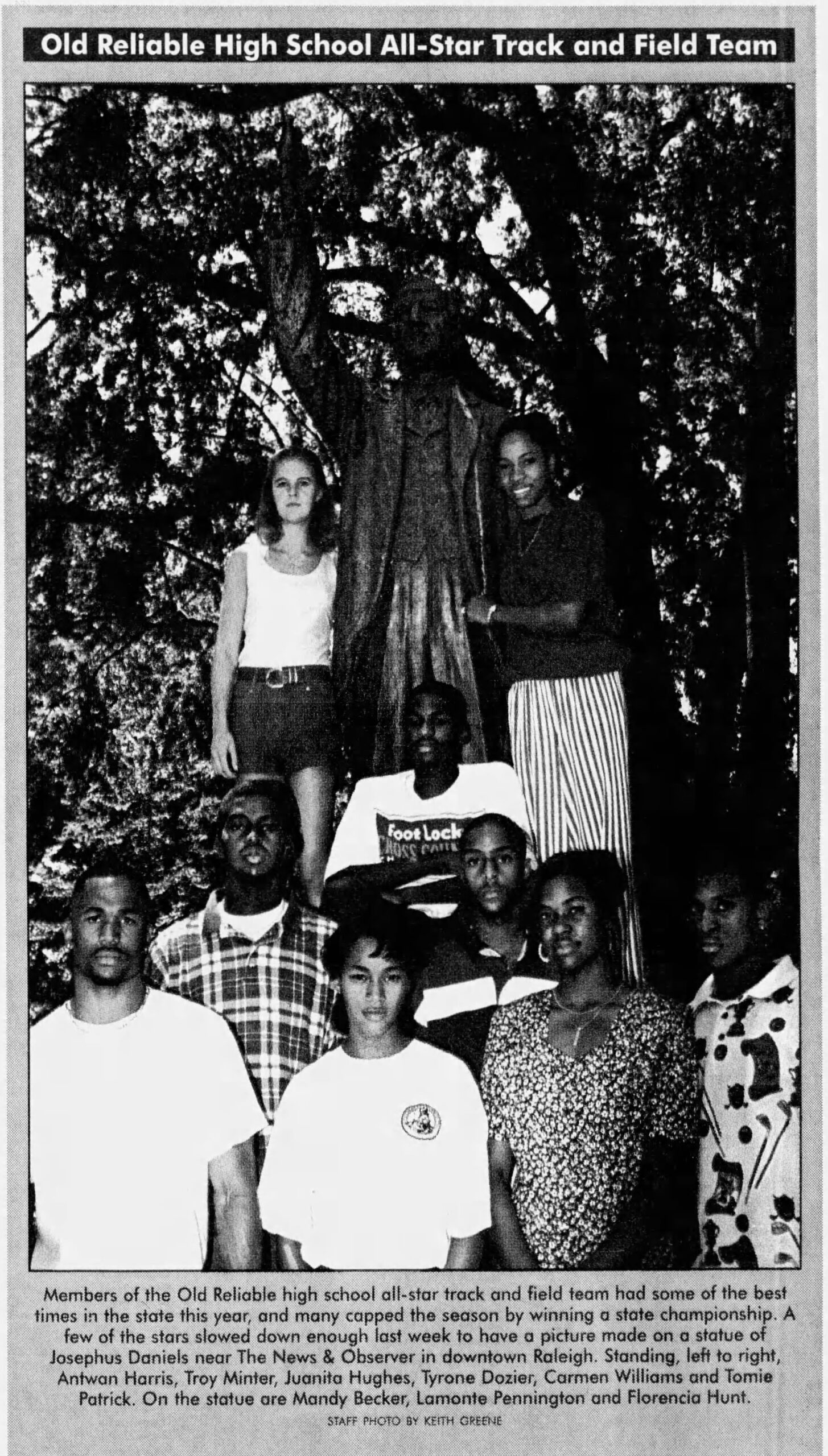
The Raleigh News & Observer · Jun 5, 1996
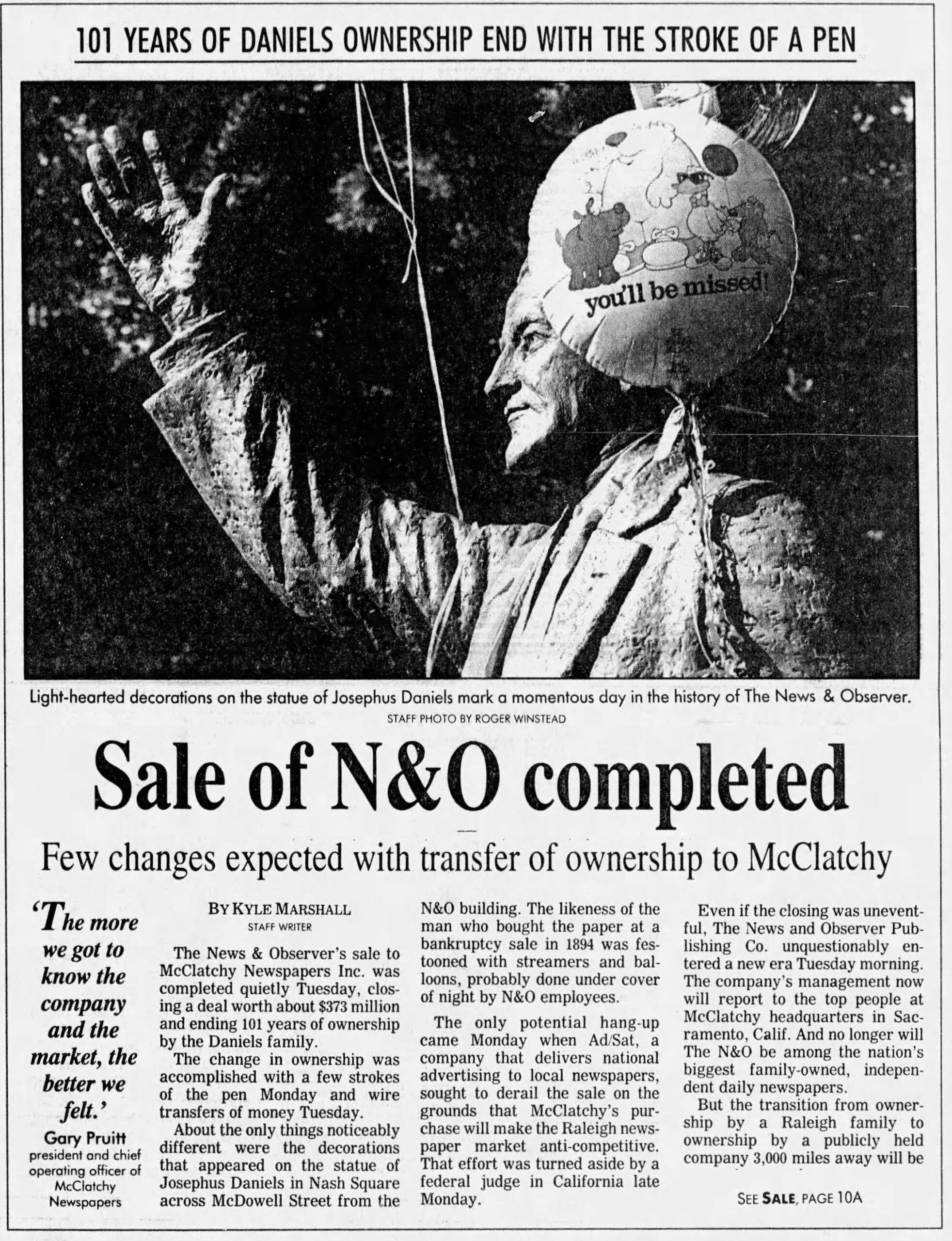
The Raleigh News & Observer · Aug 2, 1995
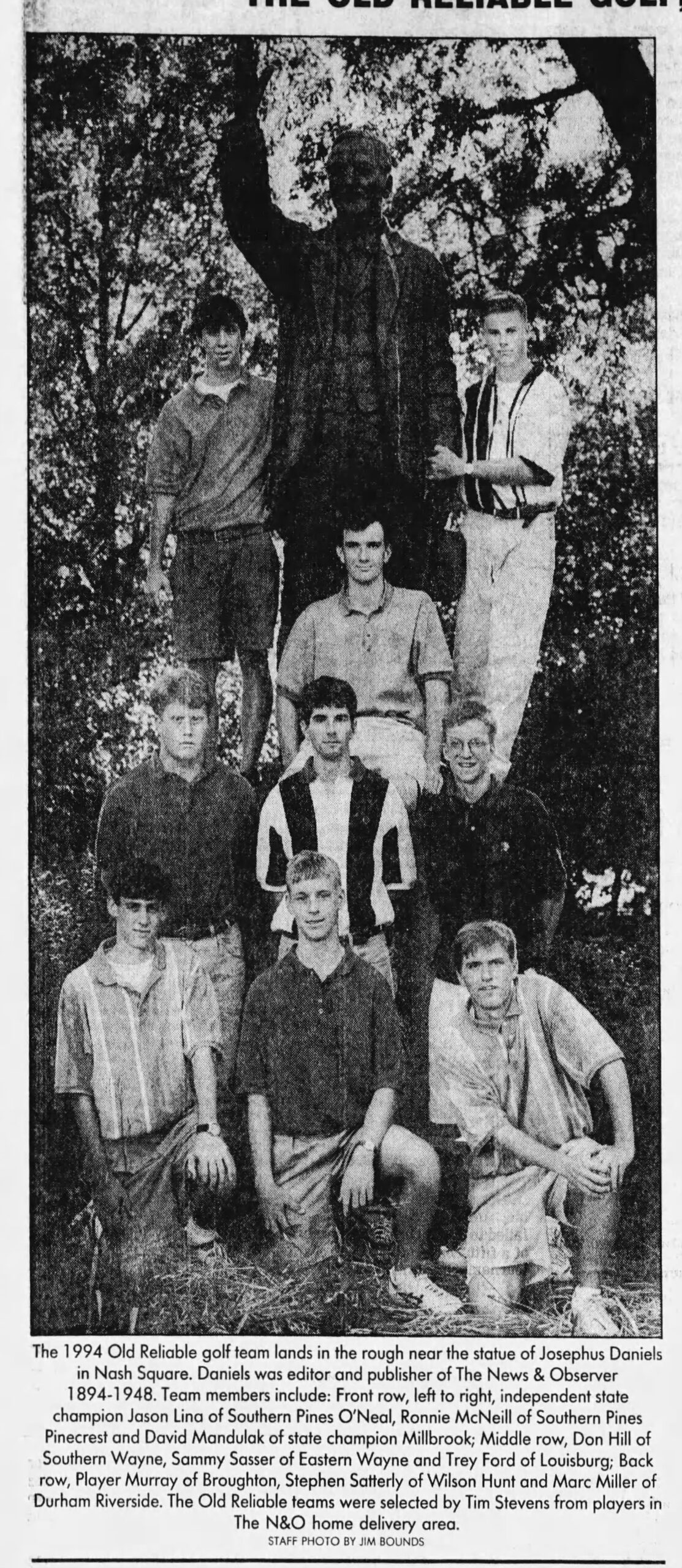
The Raleigh News & Observer · Jun 1, 1994
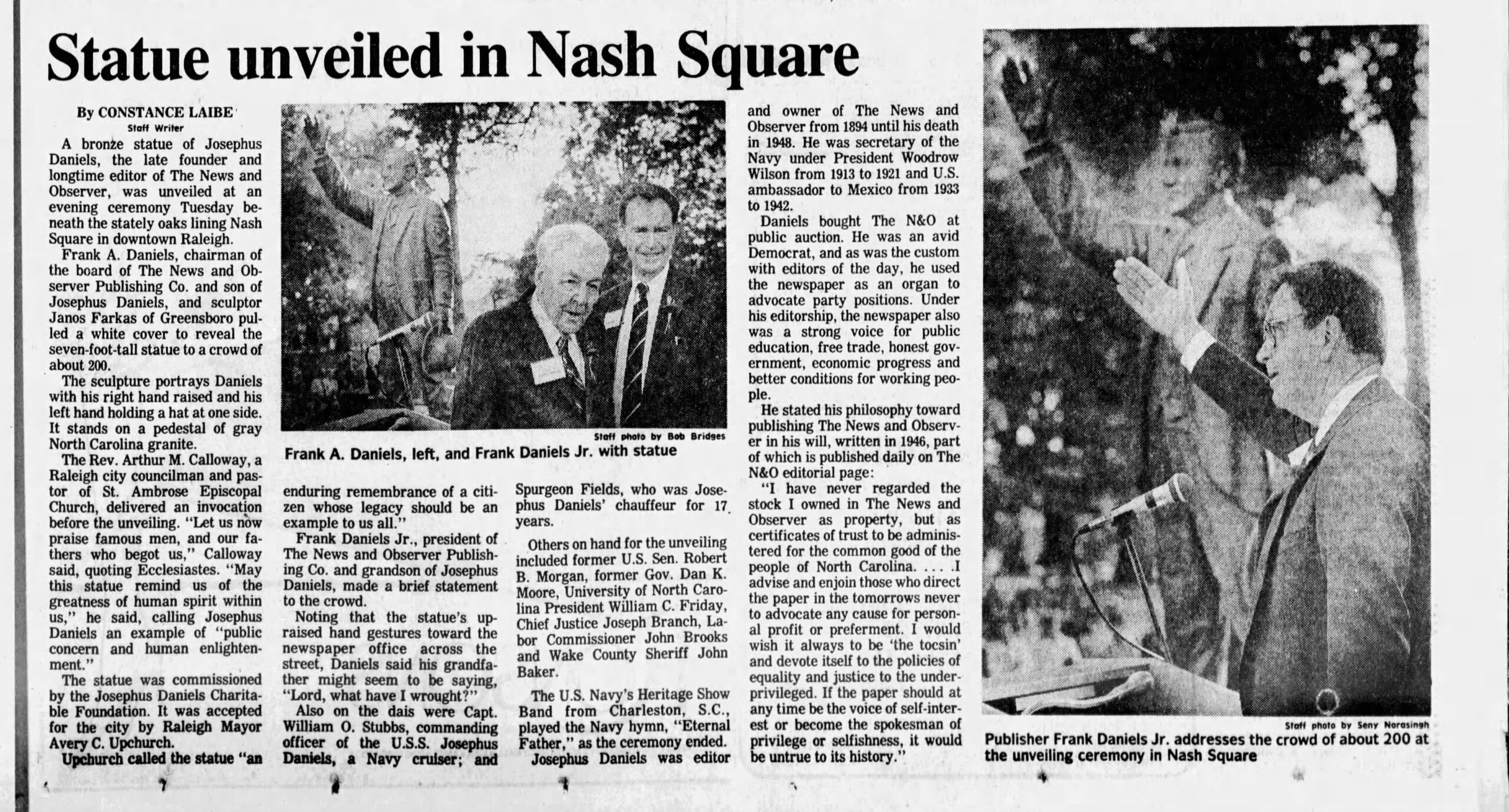
The Raleigh News & Observer · Sep 25, 1985
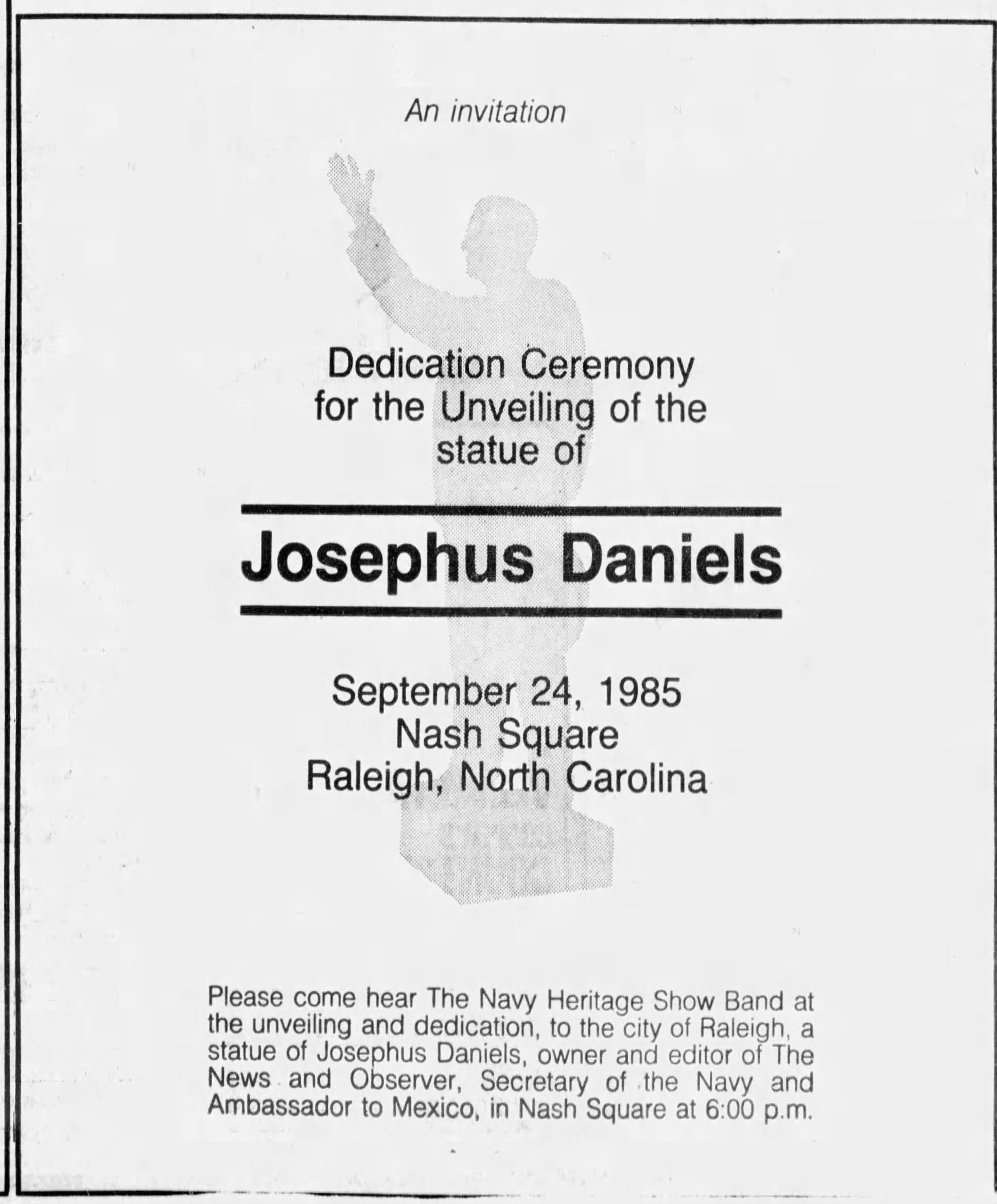
The Raleigh News & Observer · Sep 22, 1985
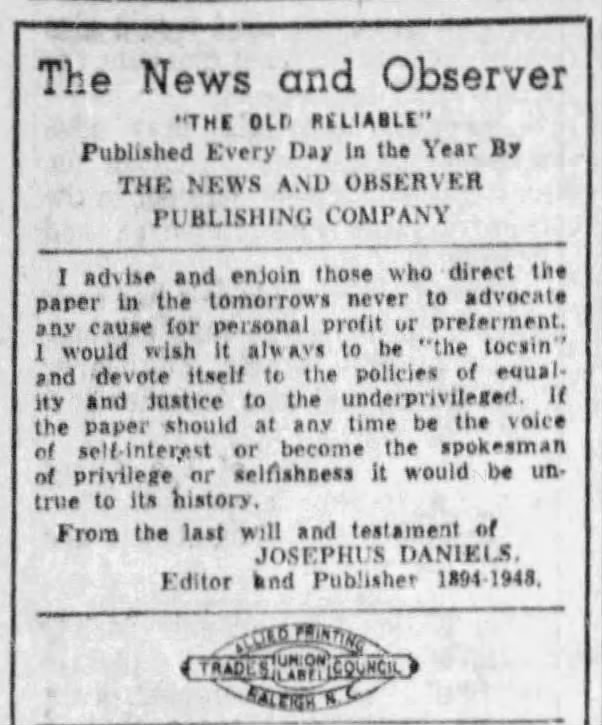
The Raleigh News & Observer · Jan 13, 1954
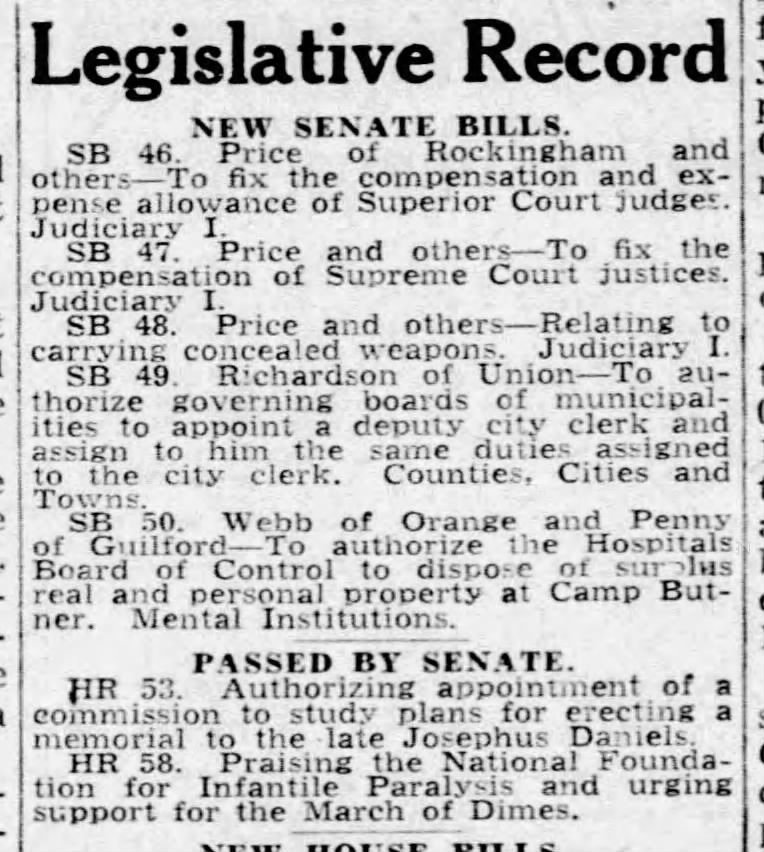
The Raleigh News & Observer · Jan 19, 1949
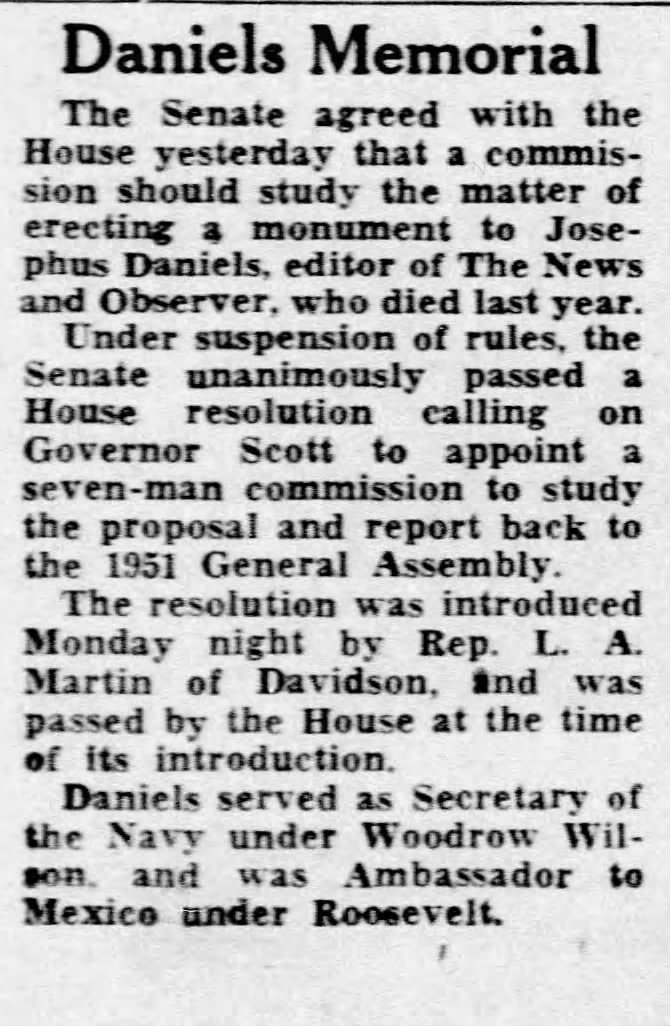
The Raleigh News & Observer · Jan 19, 1949
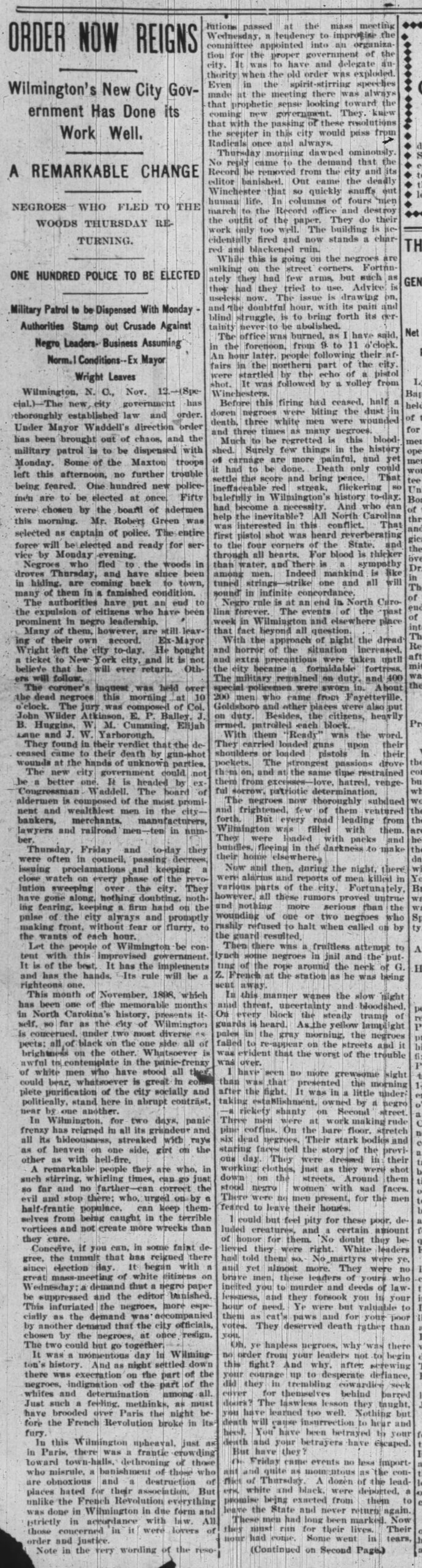
The Raleigh News & Observer · Nov 13, 1898
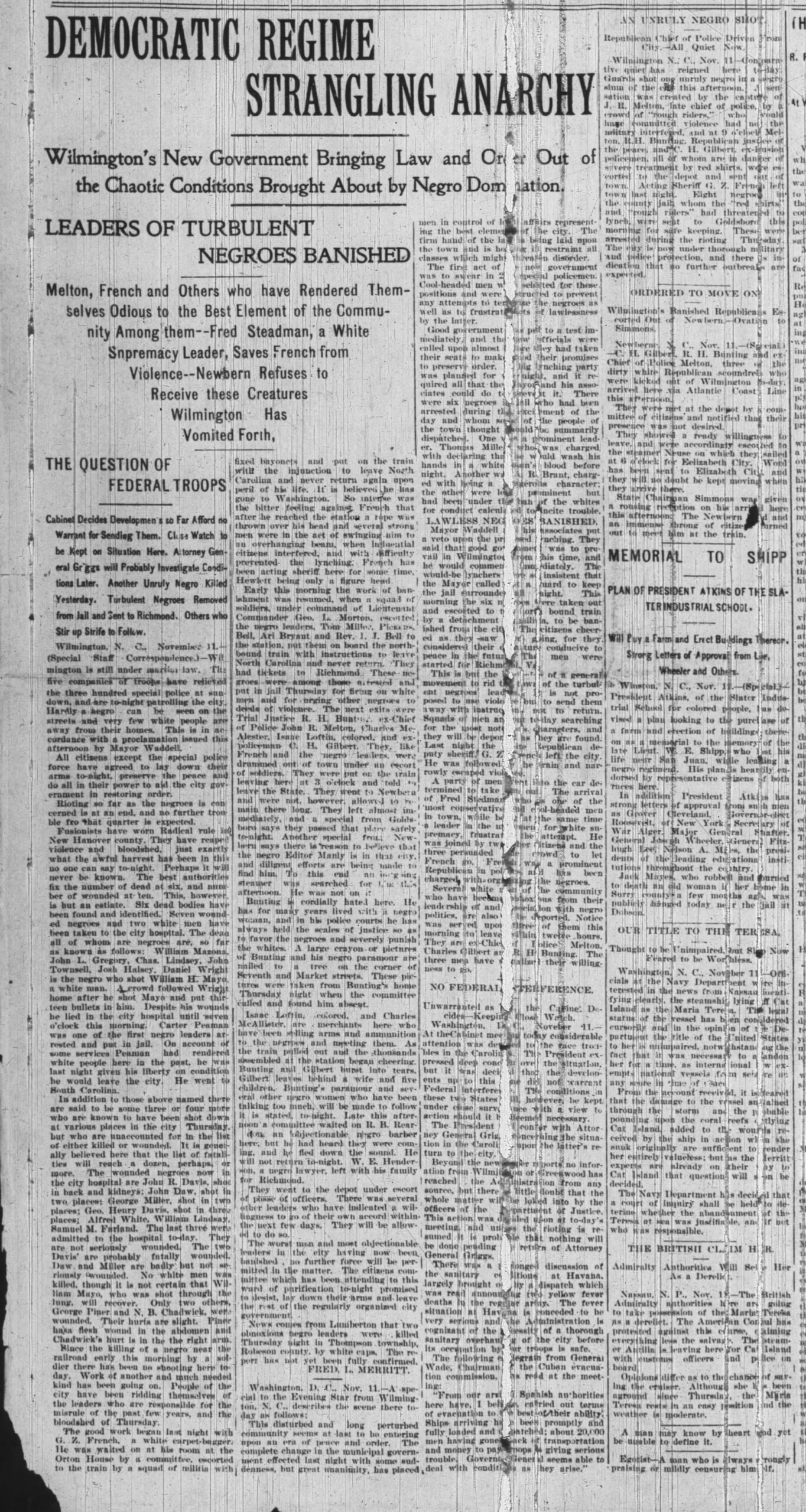
The Raleigh News & Observer · Nov 12, 1898
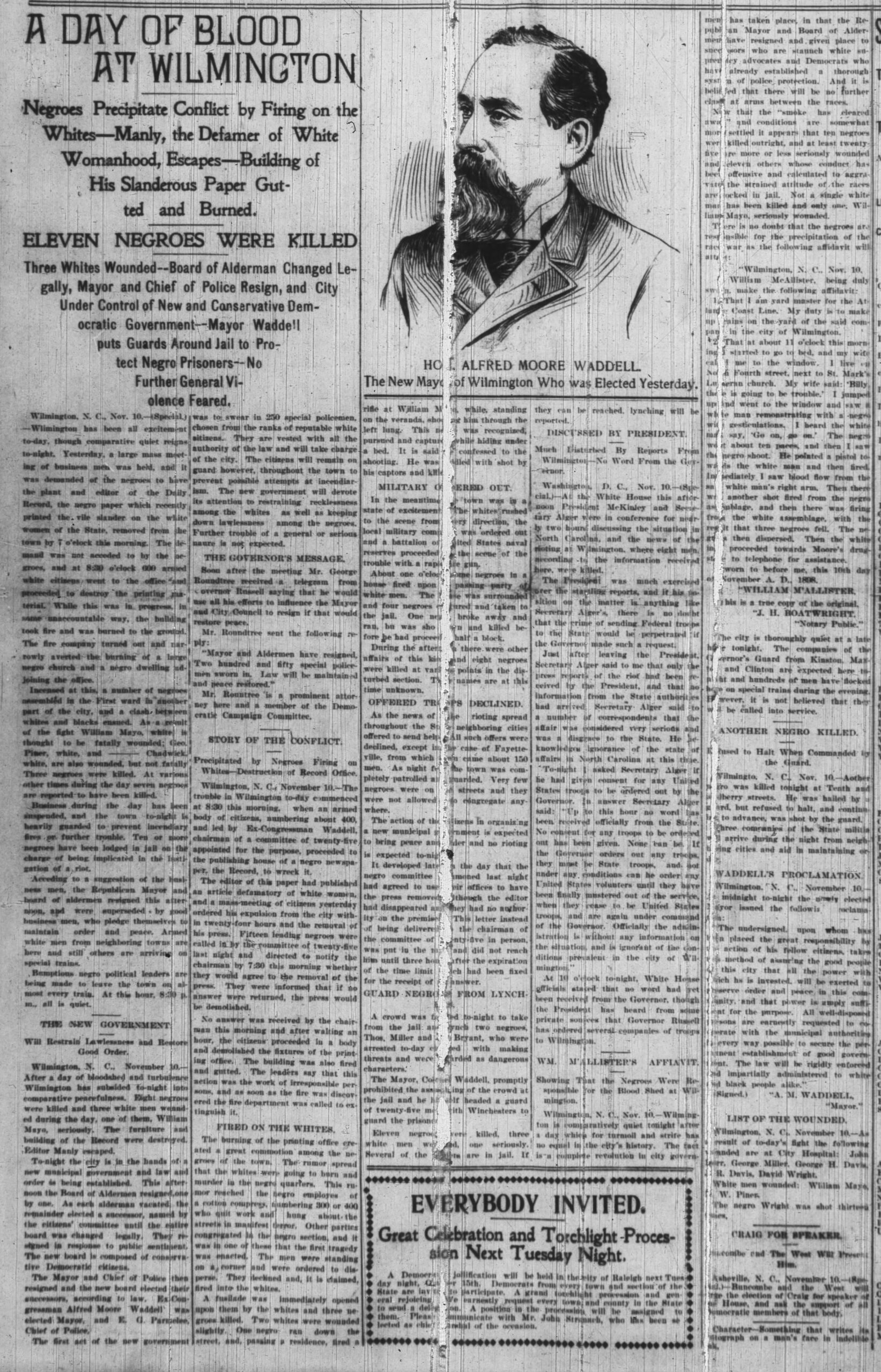
The Raleigh News & Observer · Nov 11, 1898
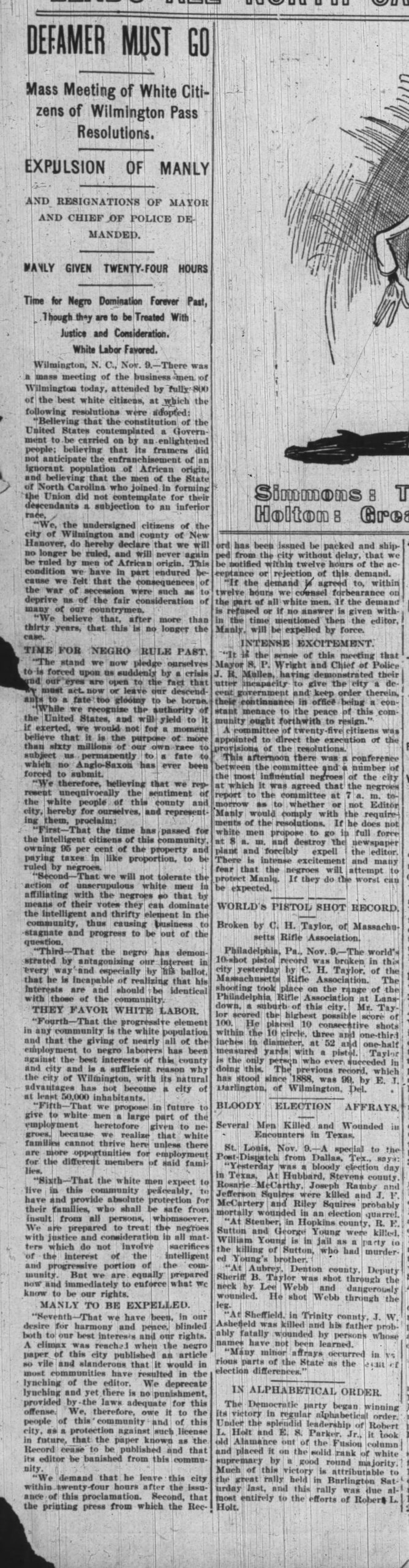
The Raleigh News & Observer · Nov 10, 1898
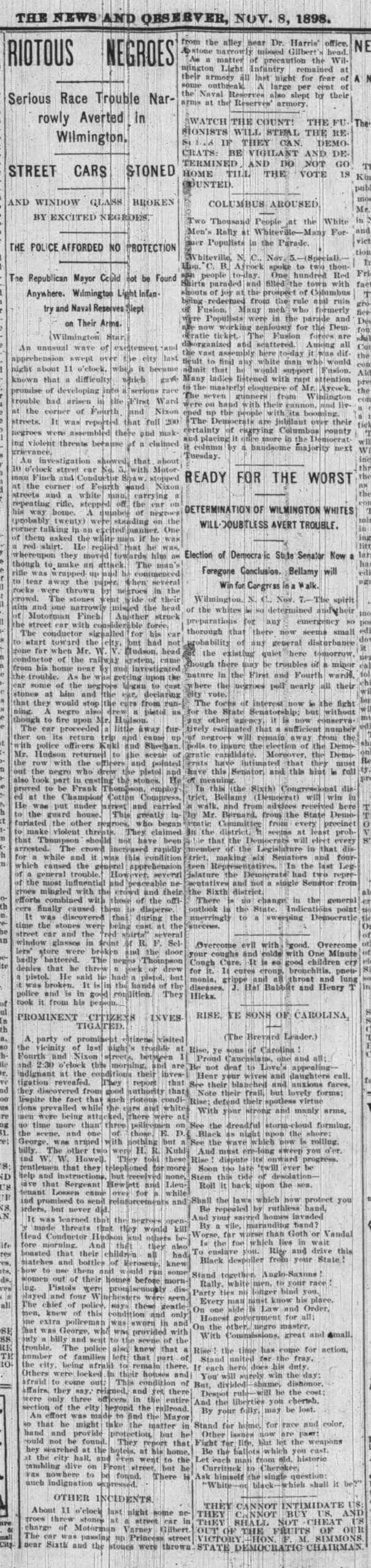
The Raleigh News & Observer · Nov 8, 1898

The Raleigh News & Observer · Nov 6, 1898
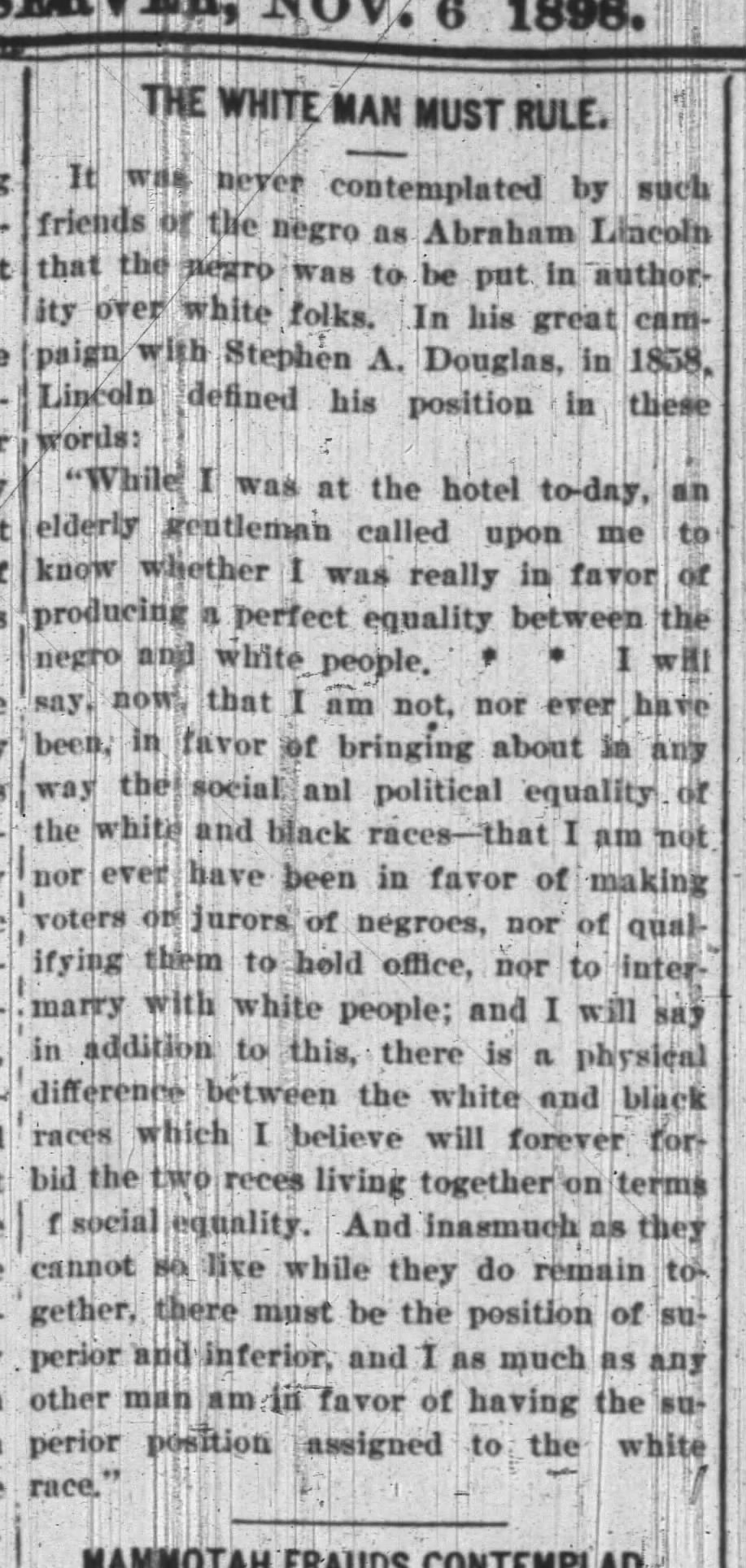
The Raleigh News & Observer · Nov 6, 1898
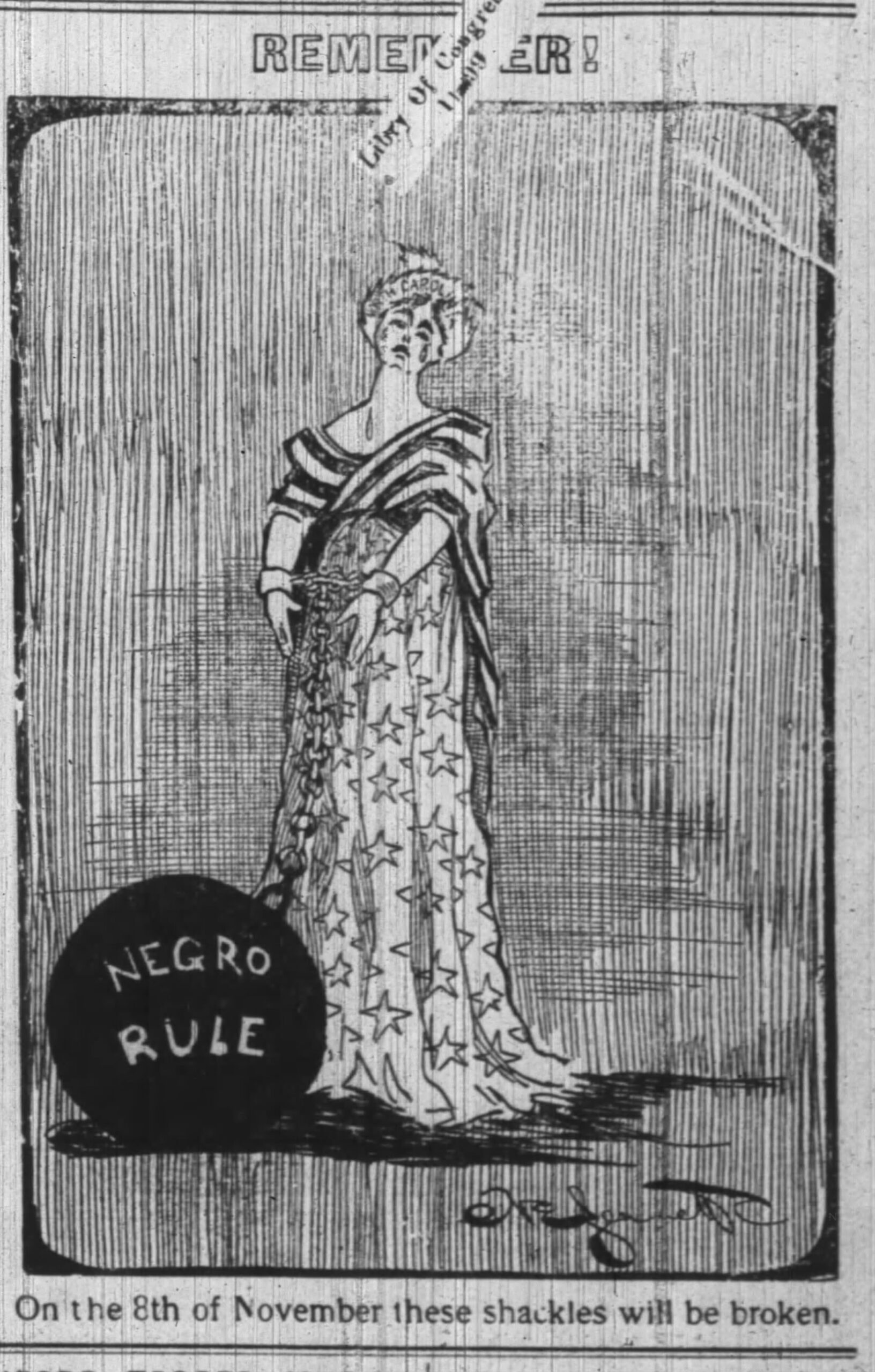
The Raleigh News & Observer · Nov 3, 1898

The Raleigh News & Observer · Nov 6, 1898
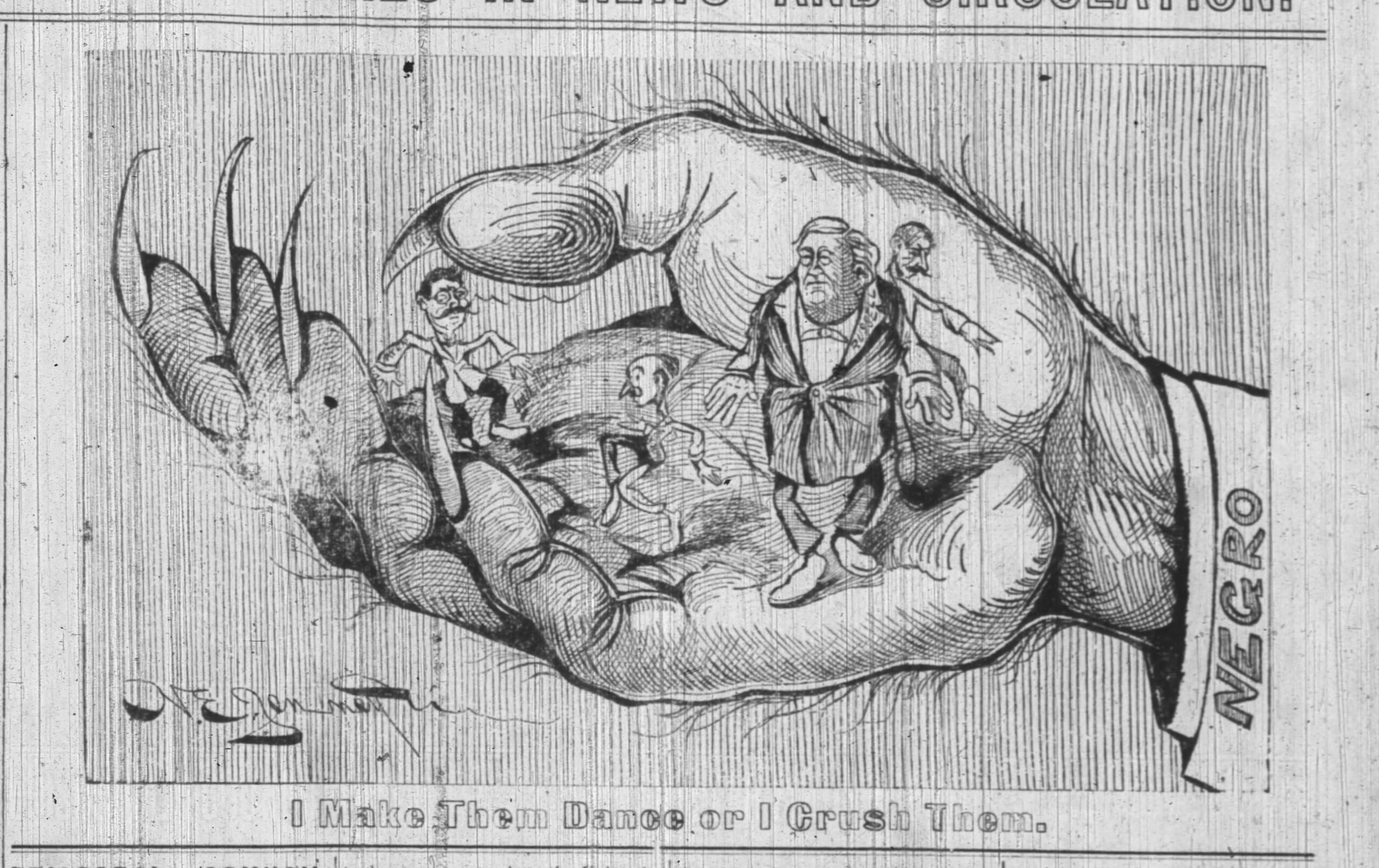
The Raleigh News & Observer · Oct 12, 1898
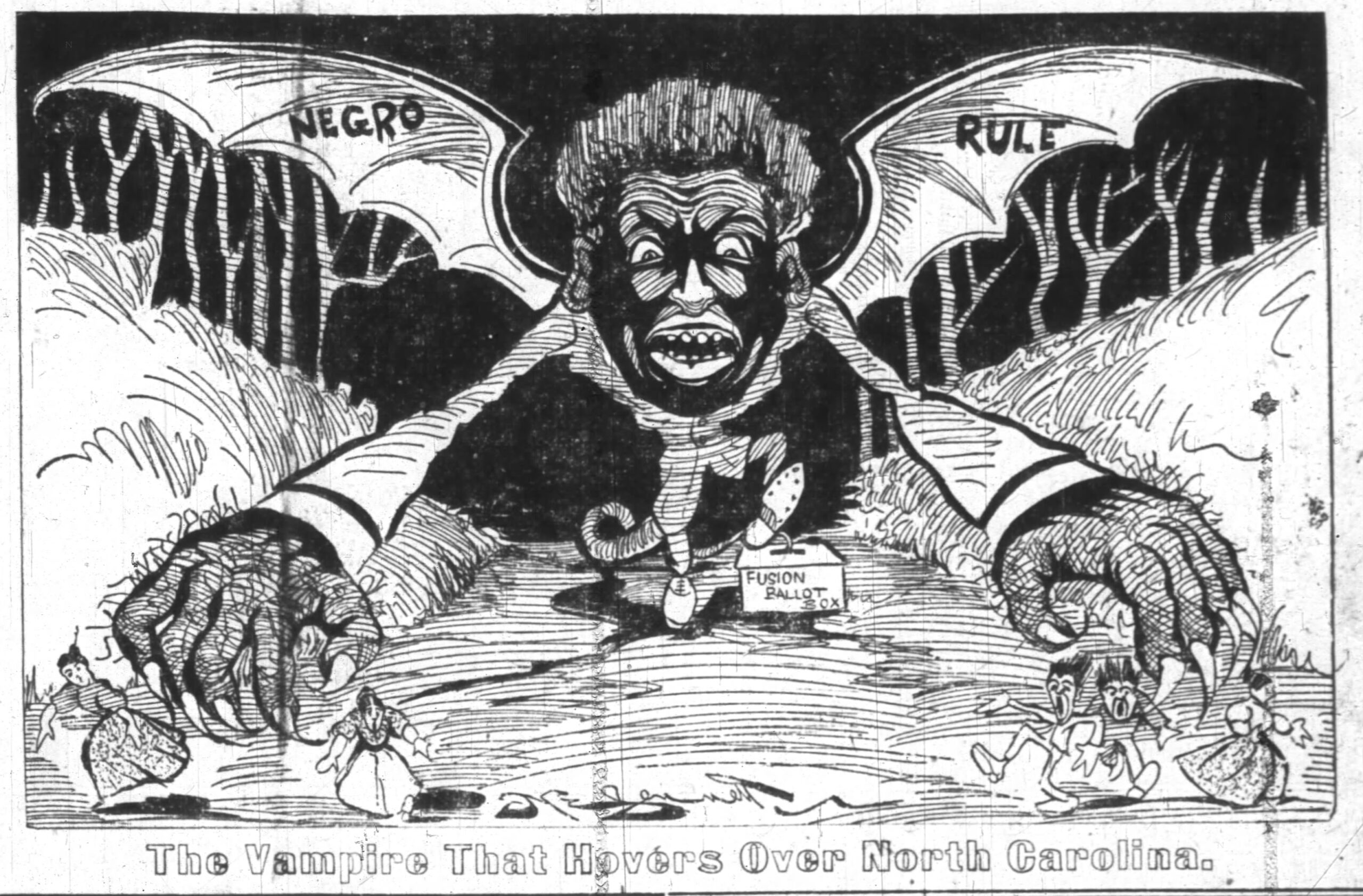
The Raleigh News & Observer · Sep 27, 1898
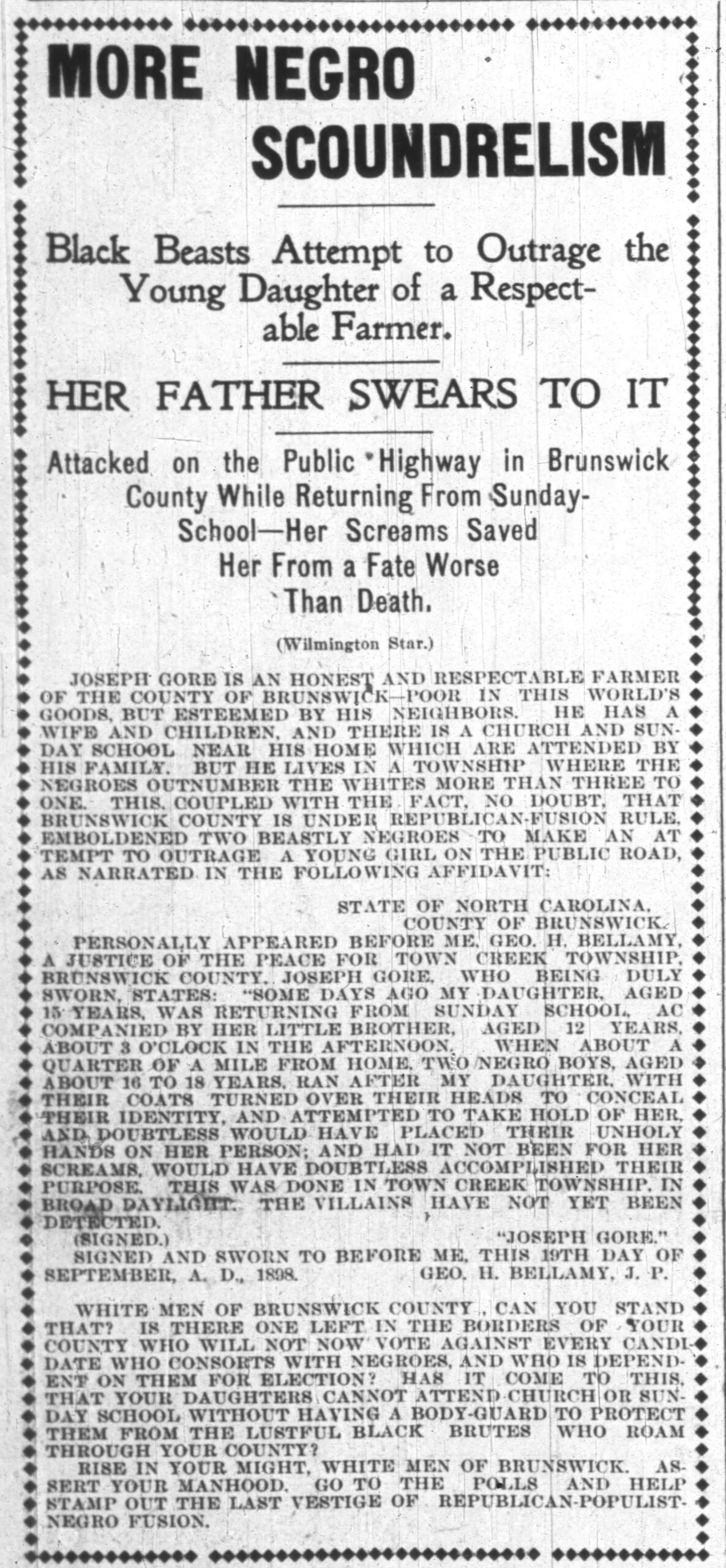
The Raleigh News & Observer · Sep 23, 1898
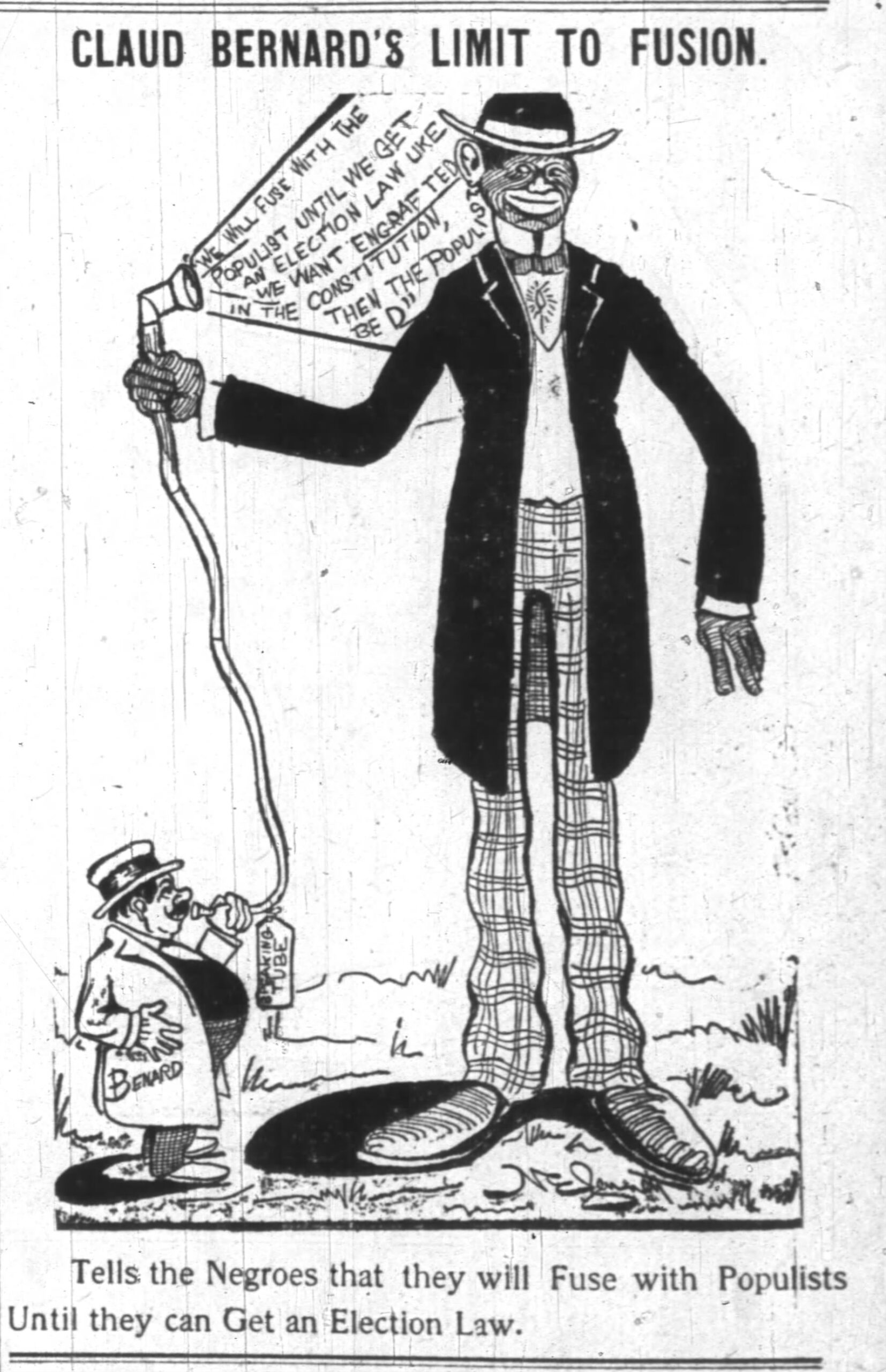
The Raleigh News & Observer · Sep 23, 1898
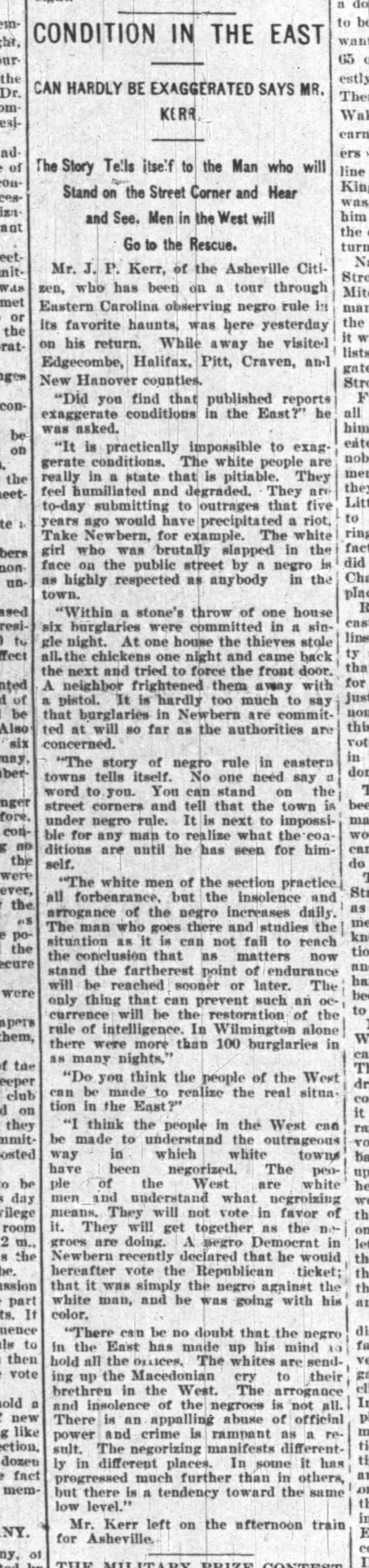
The Raleigh News & Observer · Sep 10, 1898

The Raleigh News & Observer · Sep 8, 1898
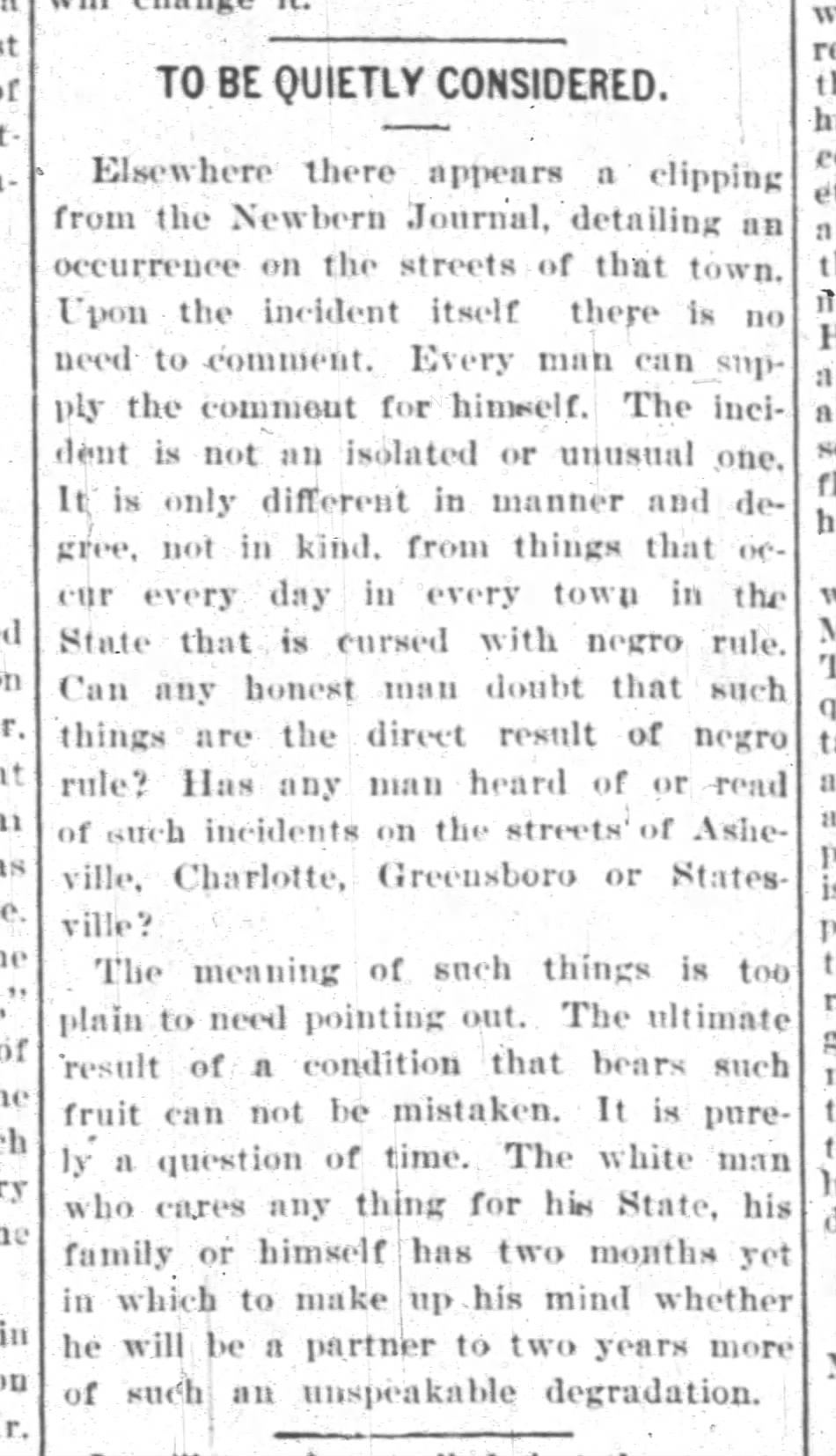
The Raleigh News & Observer · Sep 8, 1898
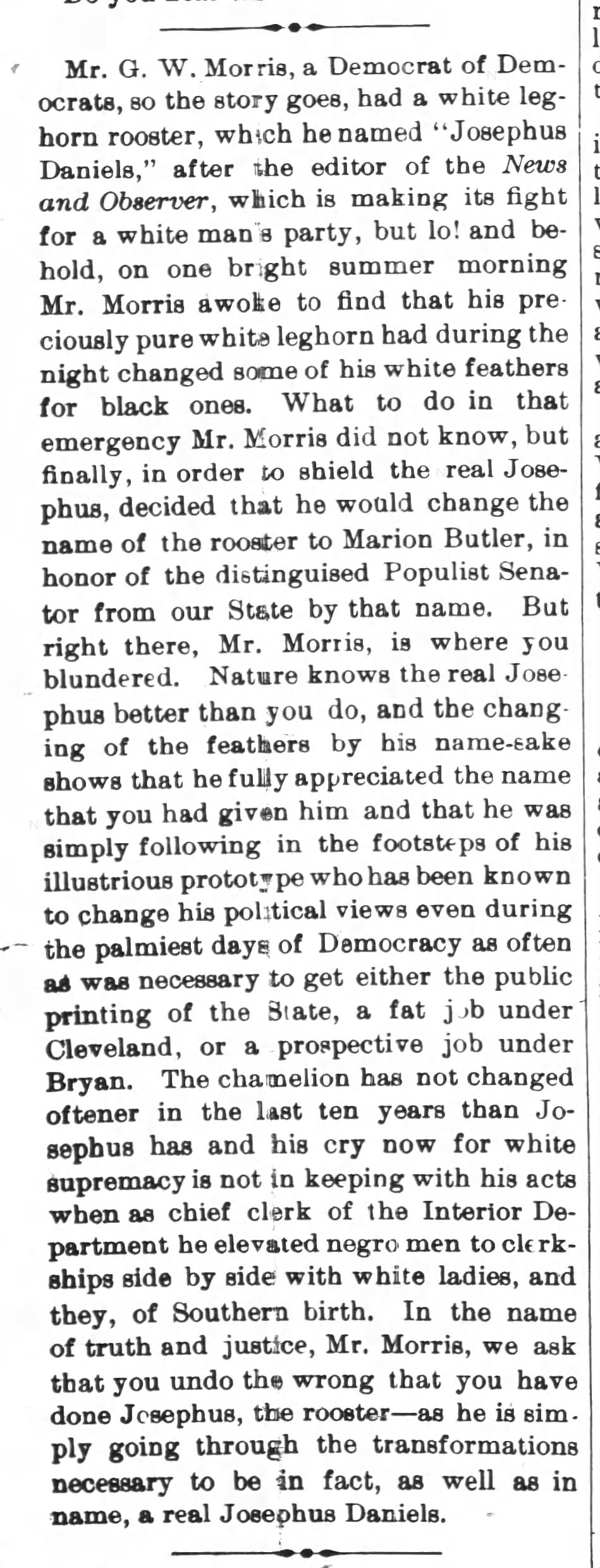
The Gazette (Raleigh, NC) · Oct 16, 1897
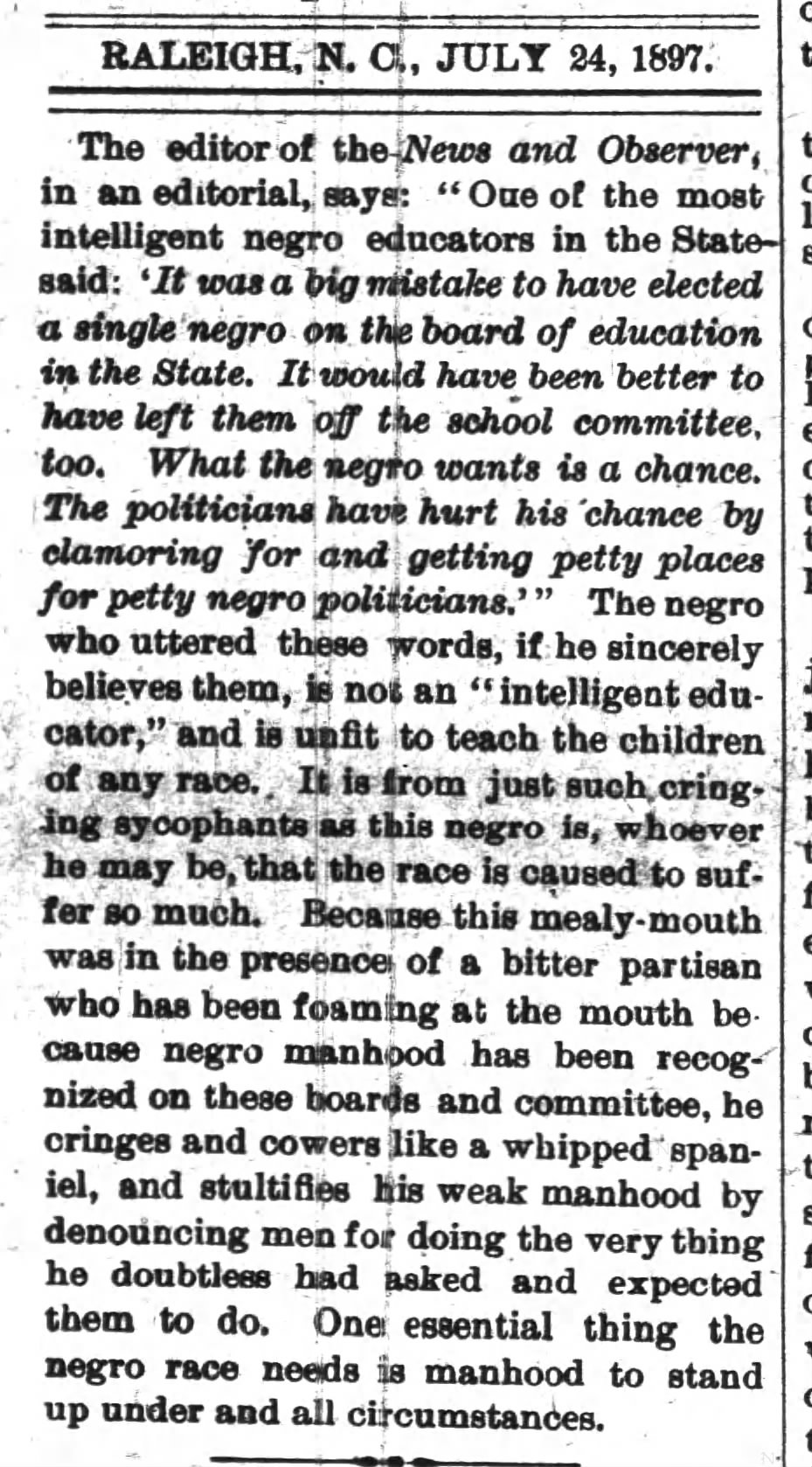
The Gazette (Raleigh, NC) · Jul 24, 1897
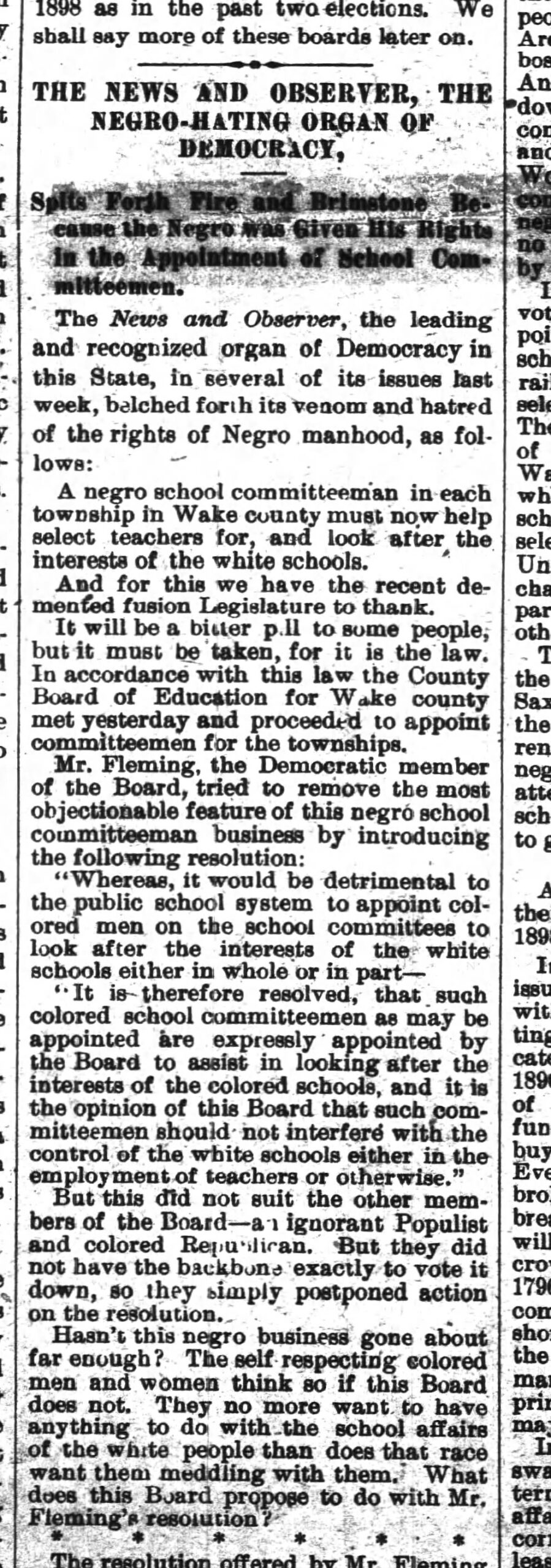
The Gazette (Raleigh, NC) · Jul 24, 1897
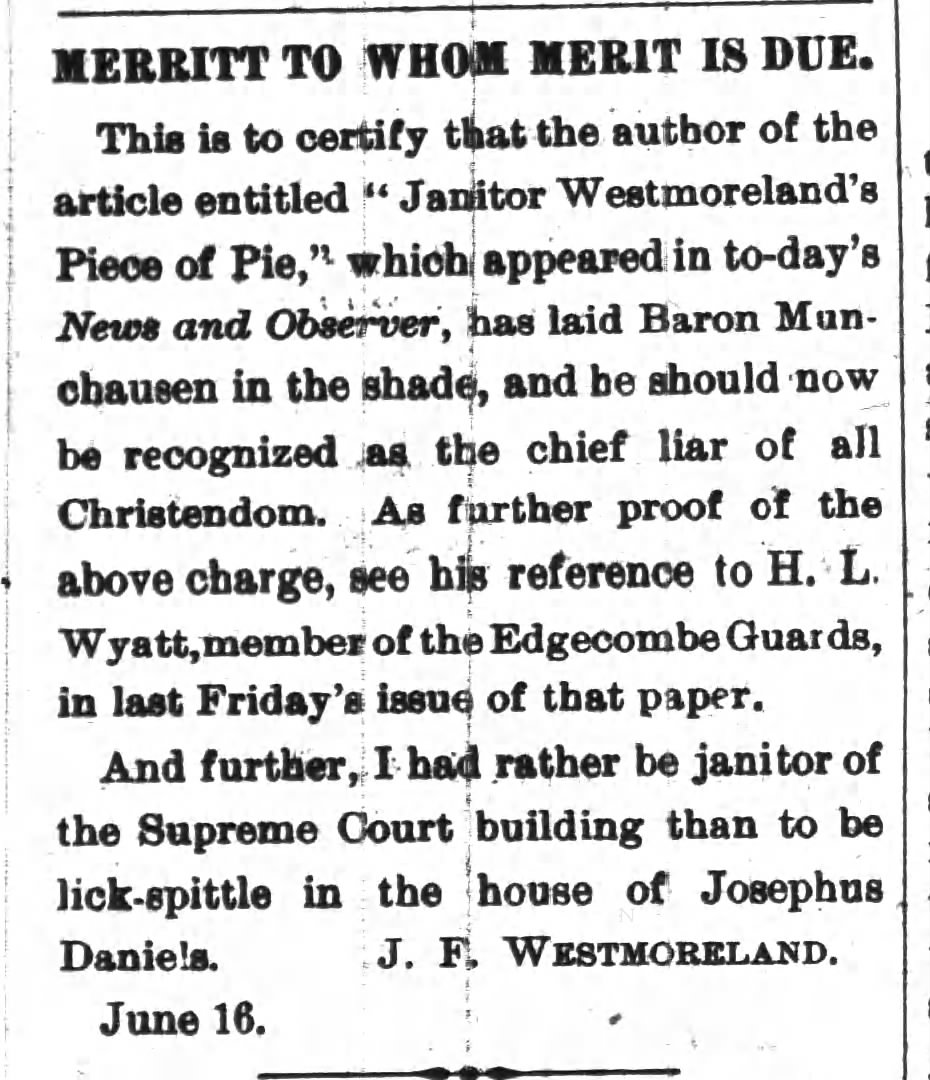
The Gazette (Raleigh, NC) · Jun 19, 1897
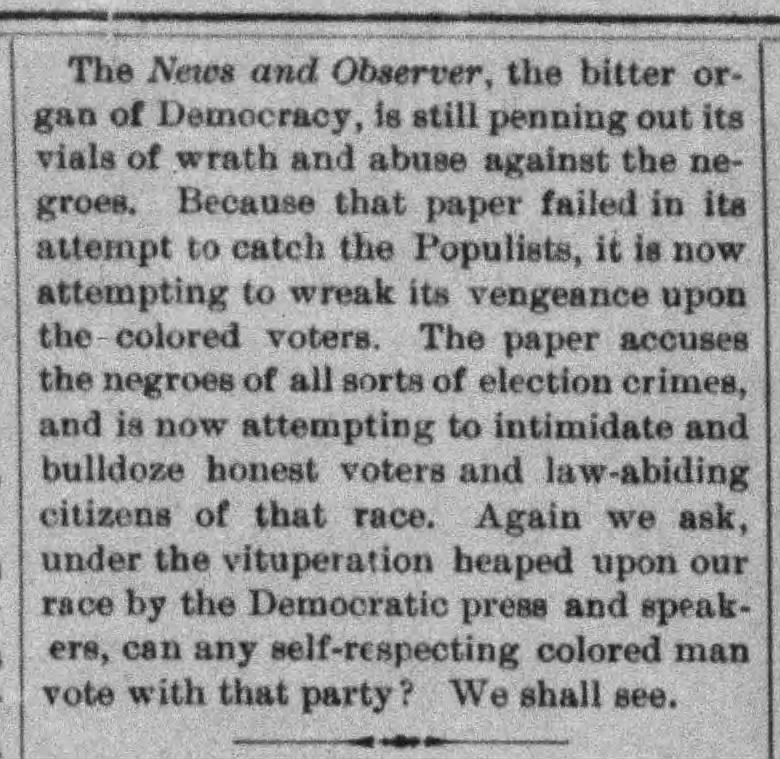
The Gazette (Raleigh, NC) · Oct 31, 1896
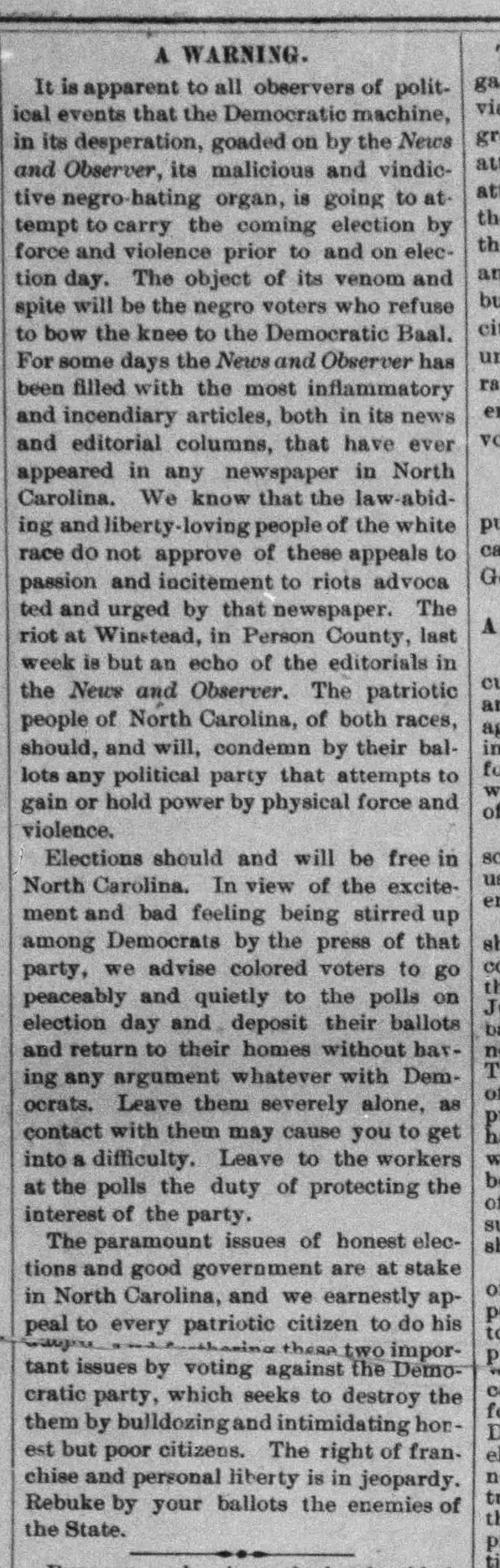
The Gazette (Raleigh, NC) · Oct 31, 1896
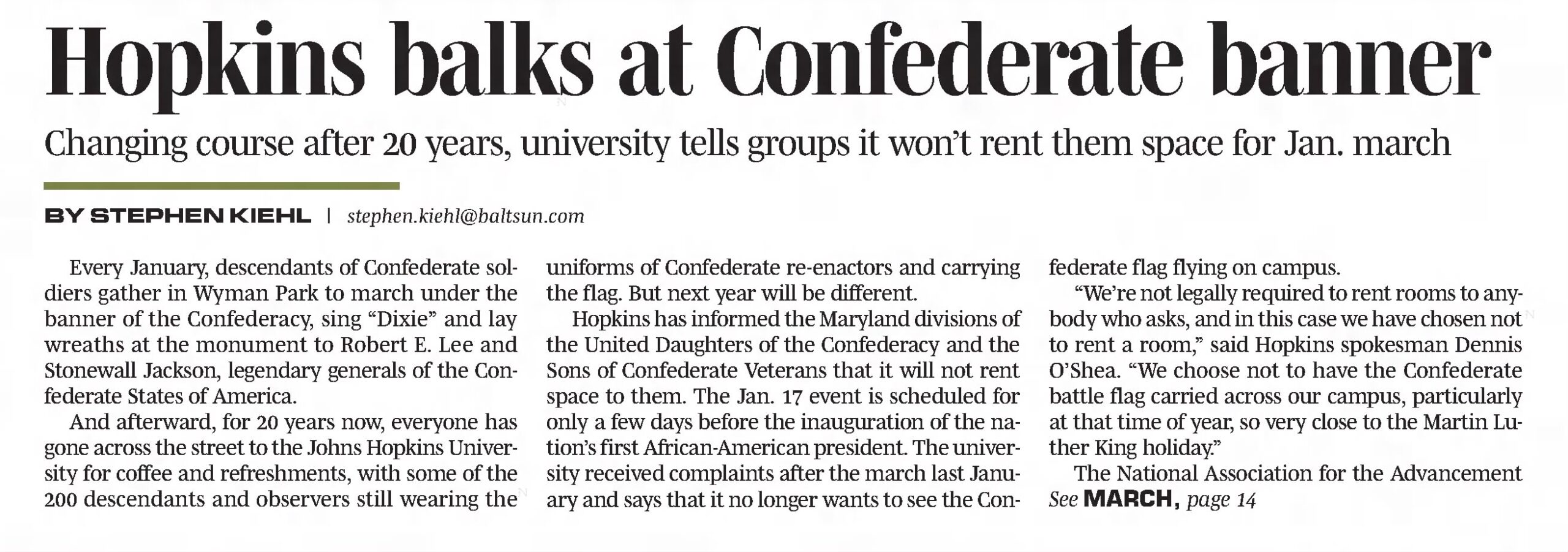
The Baltimore Sun · Nov 20, 2008
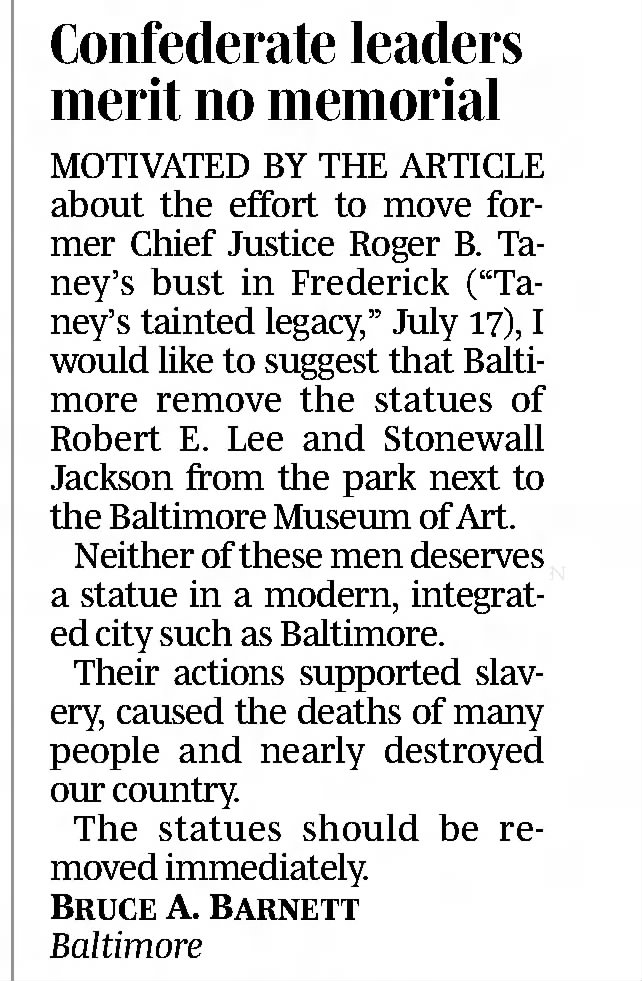
The Baltimore Sun · Jul 23, 2007
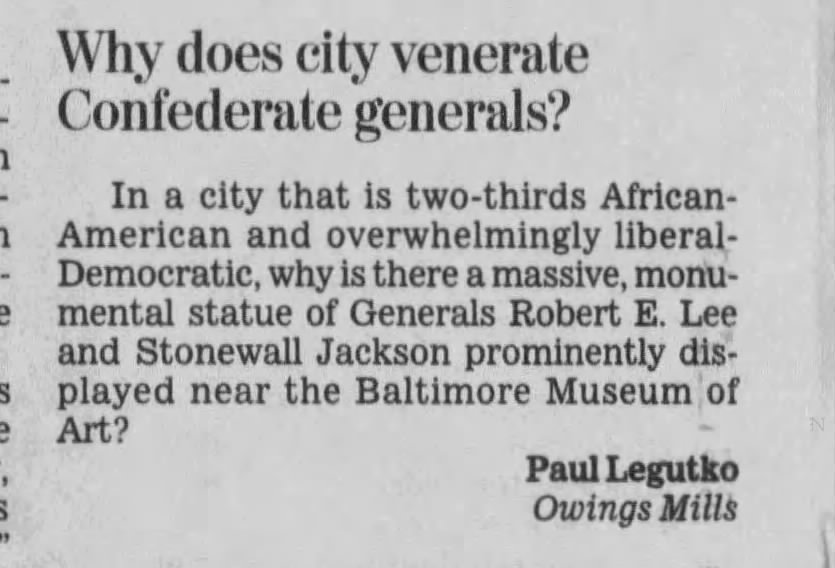
The Baltimore Sun · Dec 5, 2001
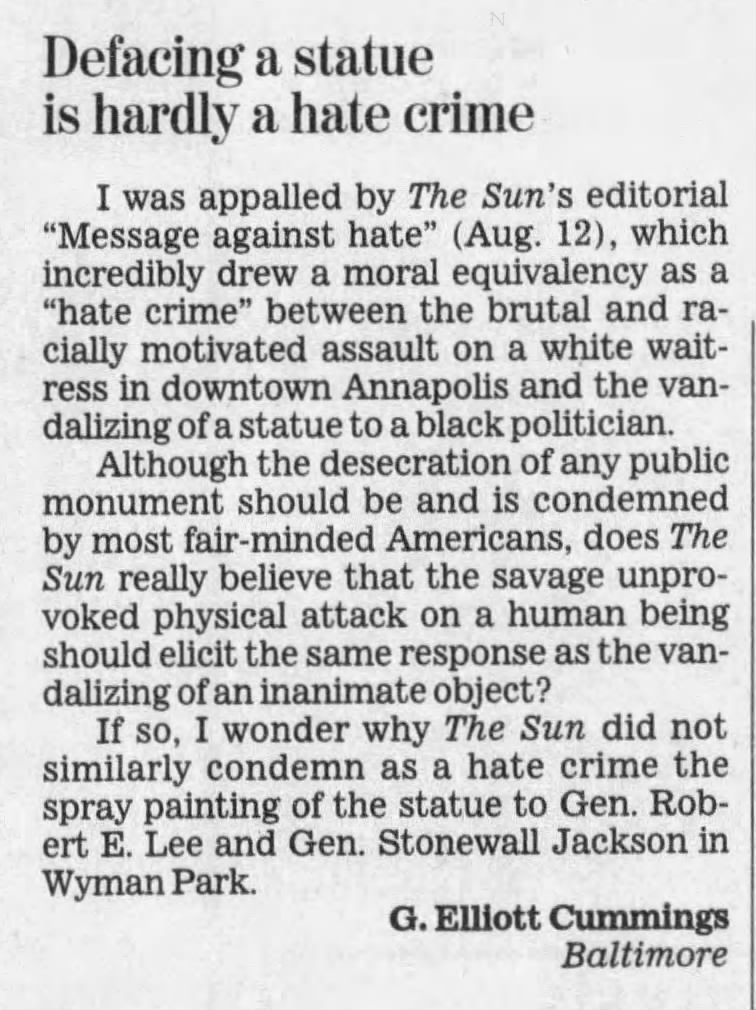
The Baltimore Sun · Aug 25, 2001
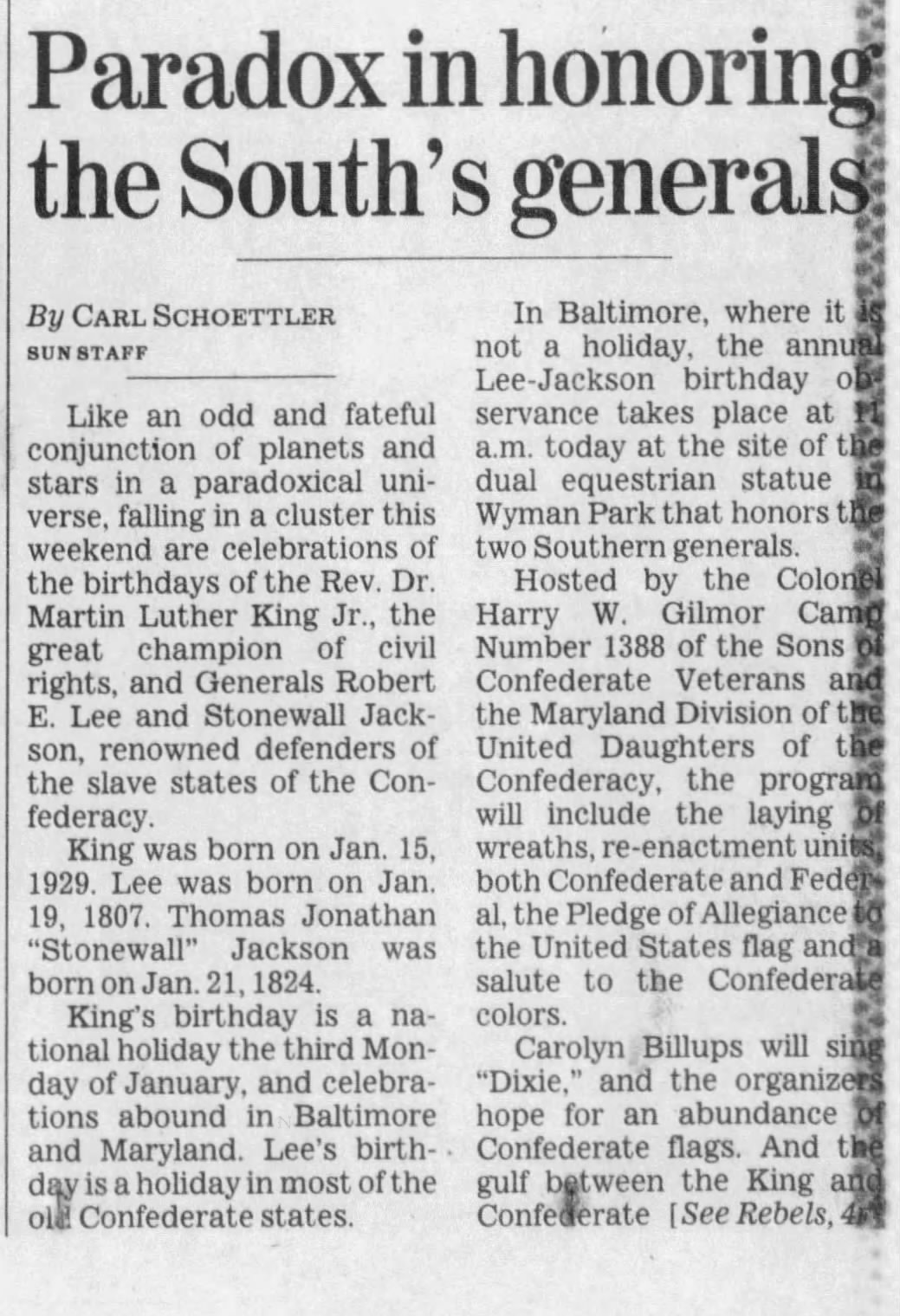
The Baltimore Sun · Jan 15, 2000
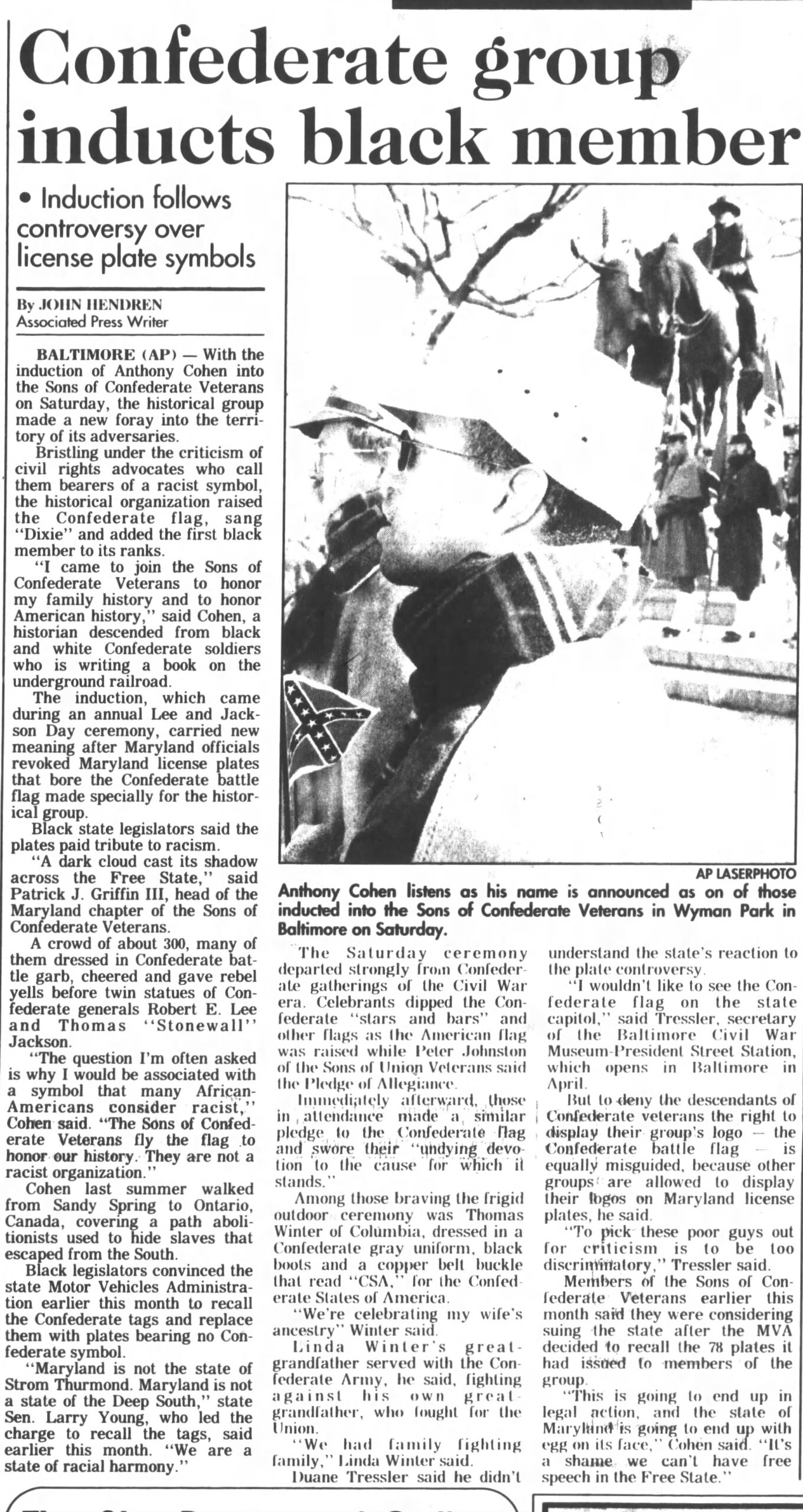
The Star-Democrat (Easton, MD) · Jan 19, 1997
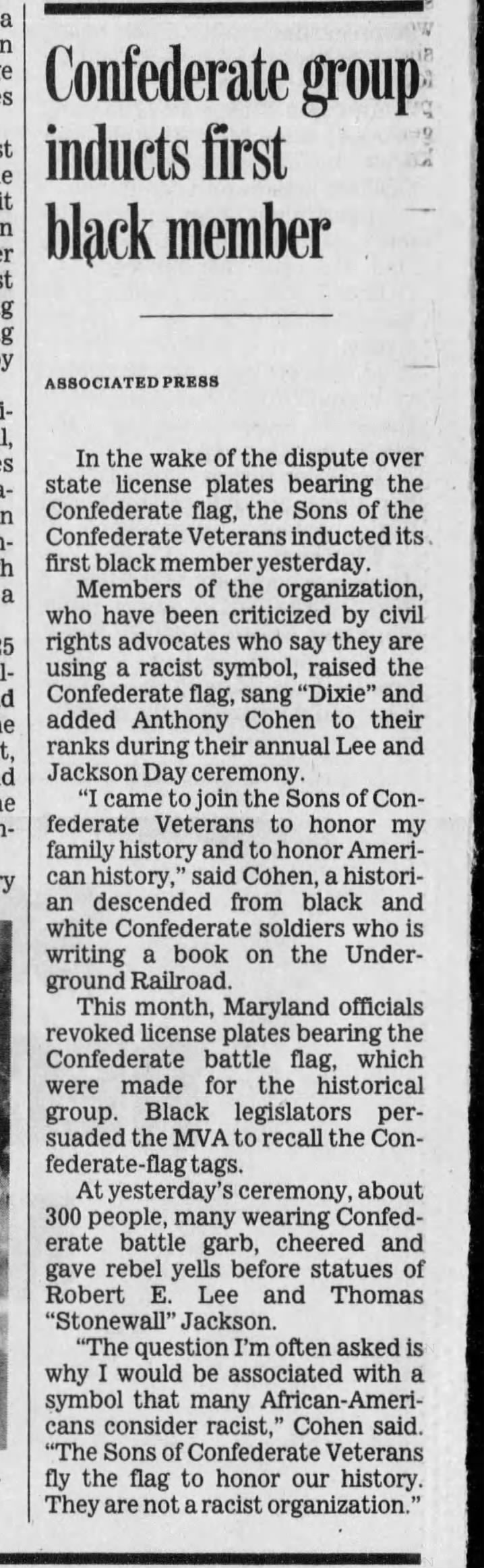
The Baltimore Sun · Jan 19, 1997
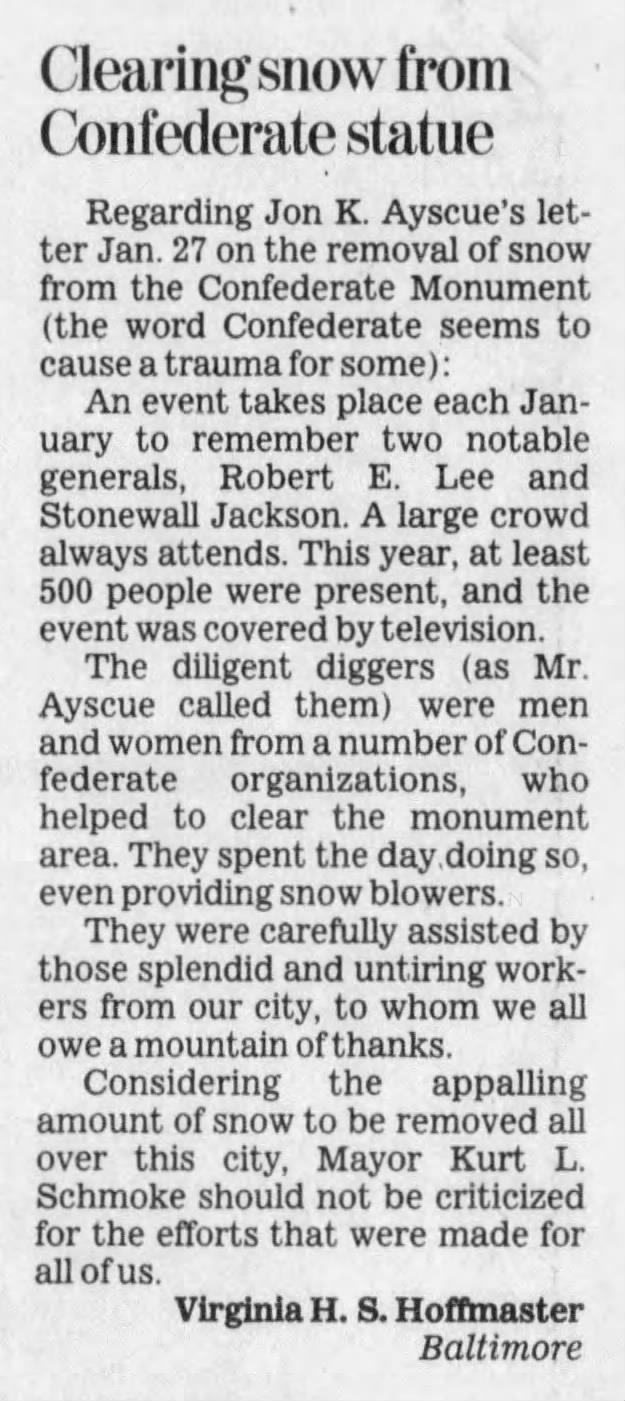
The Baltimore Sun · Feb 8, 1996
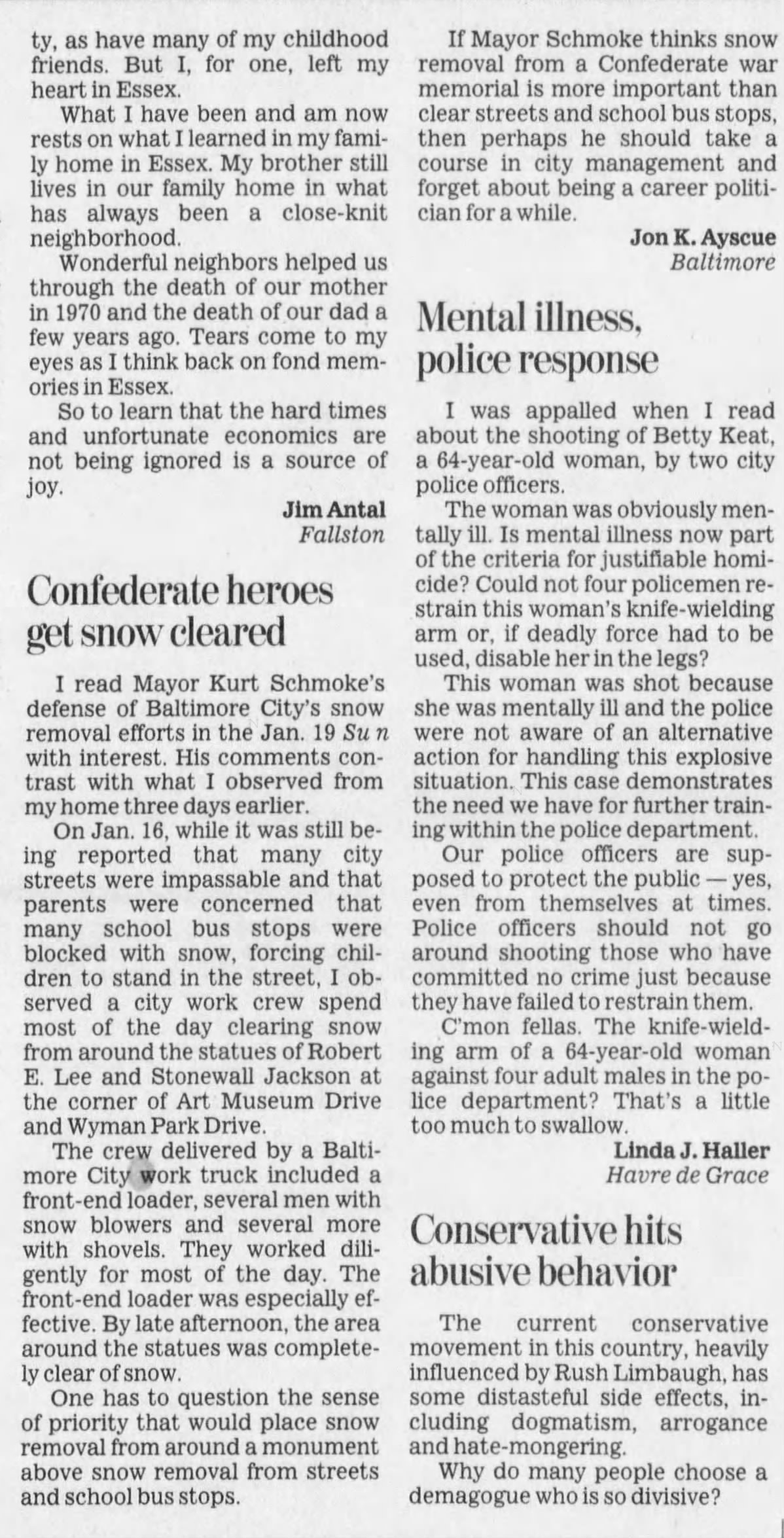
The Baltimore Sun · Jan 27, 1996
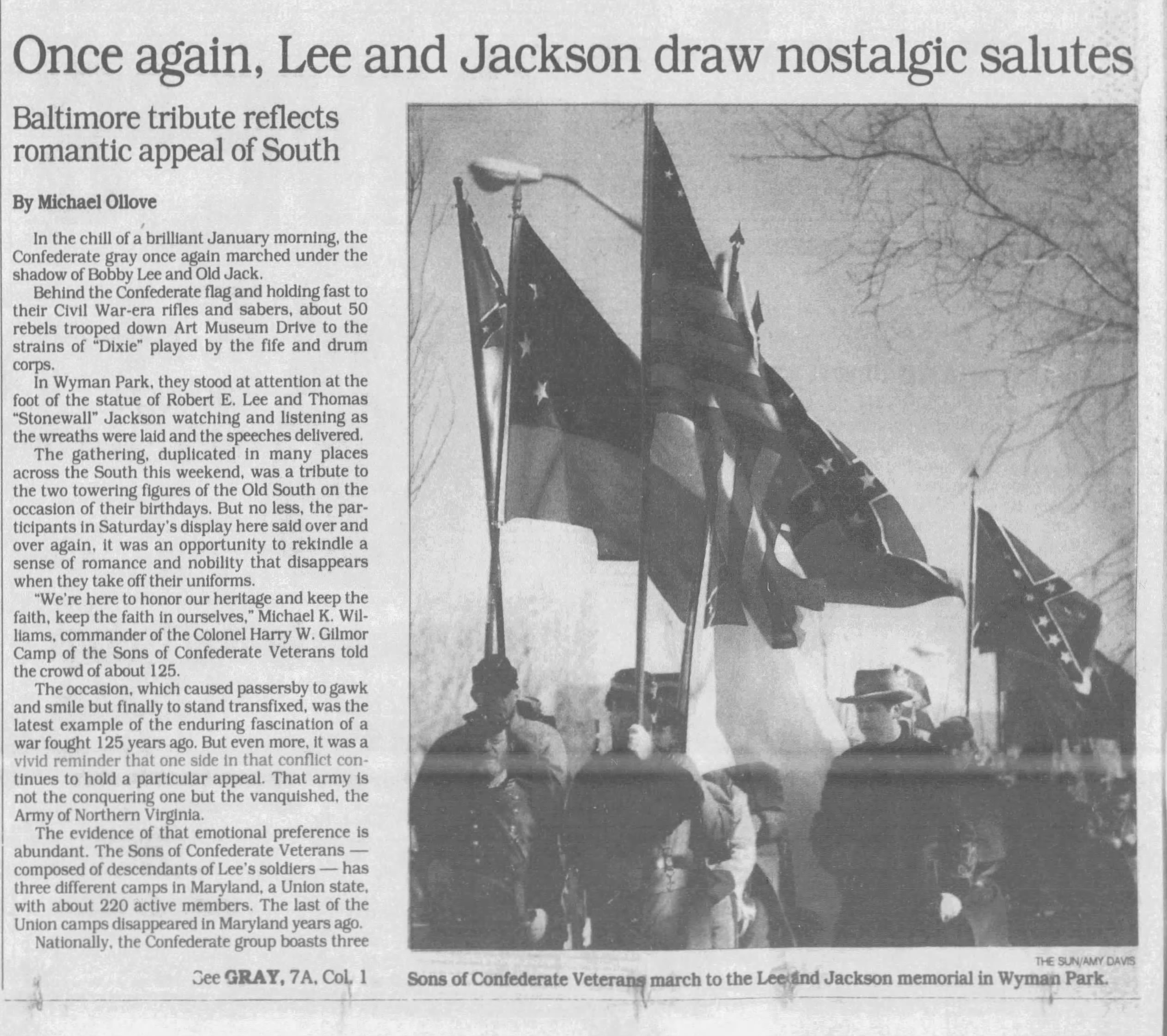
The Baltimore Sun · Jan 23, 1989
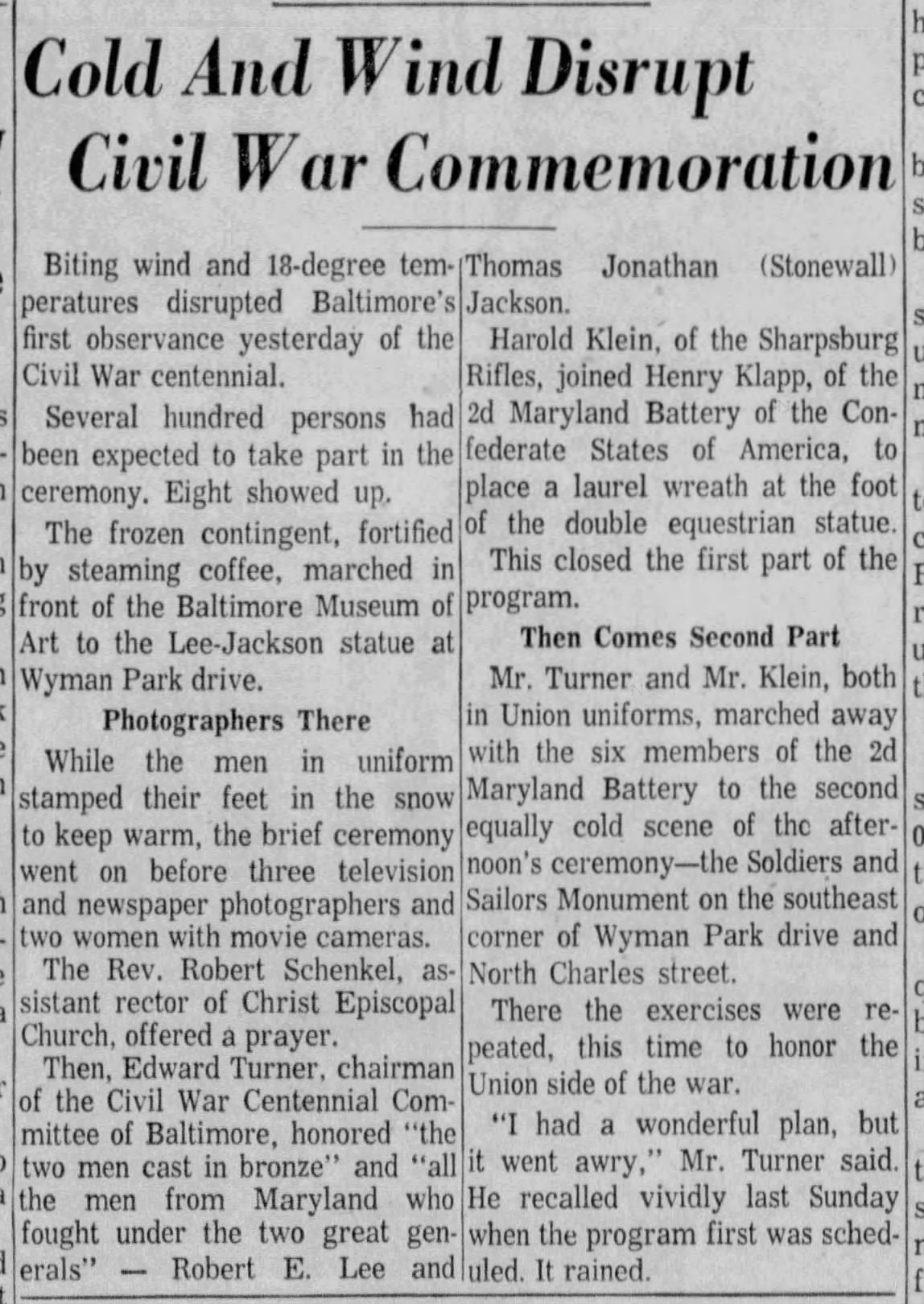
The Baltimore Sun · Jan 23, 1961
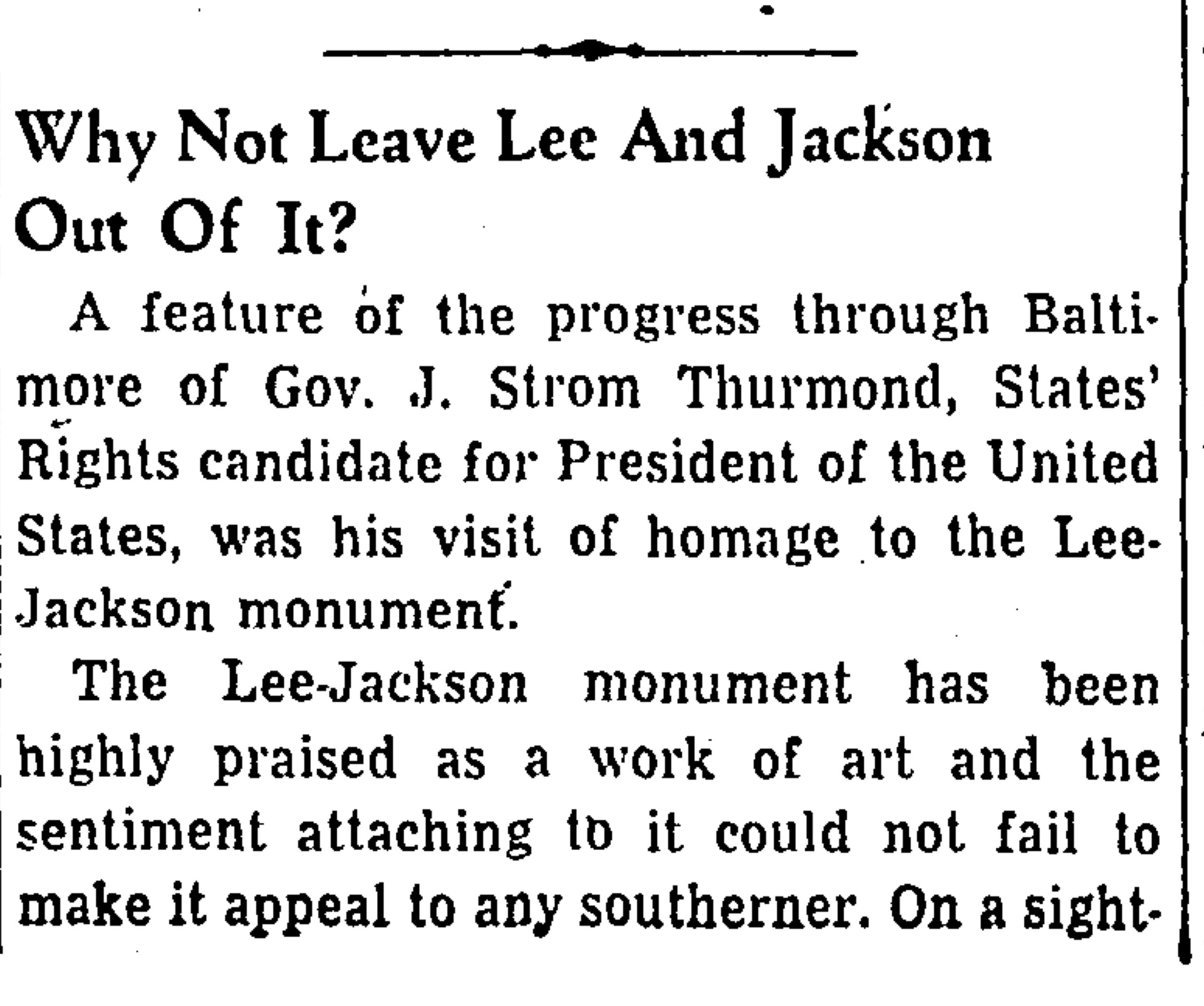
The Baltimore Sun · Oct 2, 1948
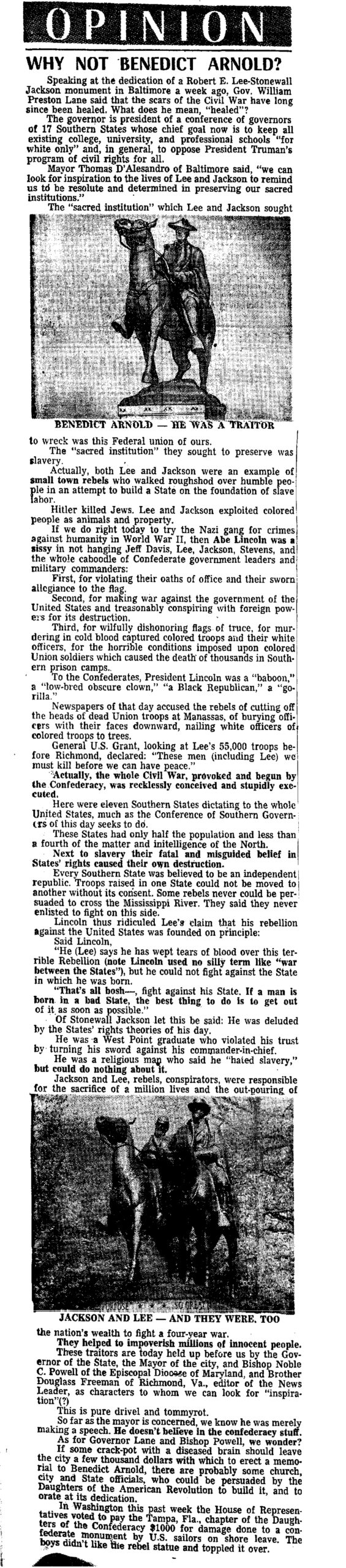
The Afro American · May 15, 1948
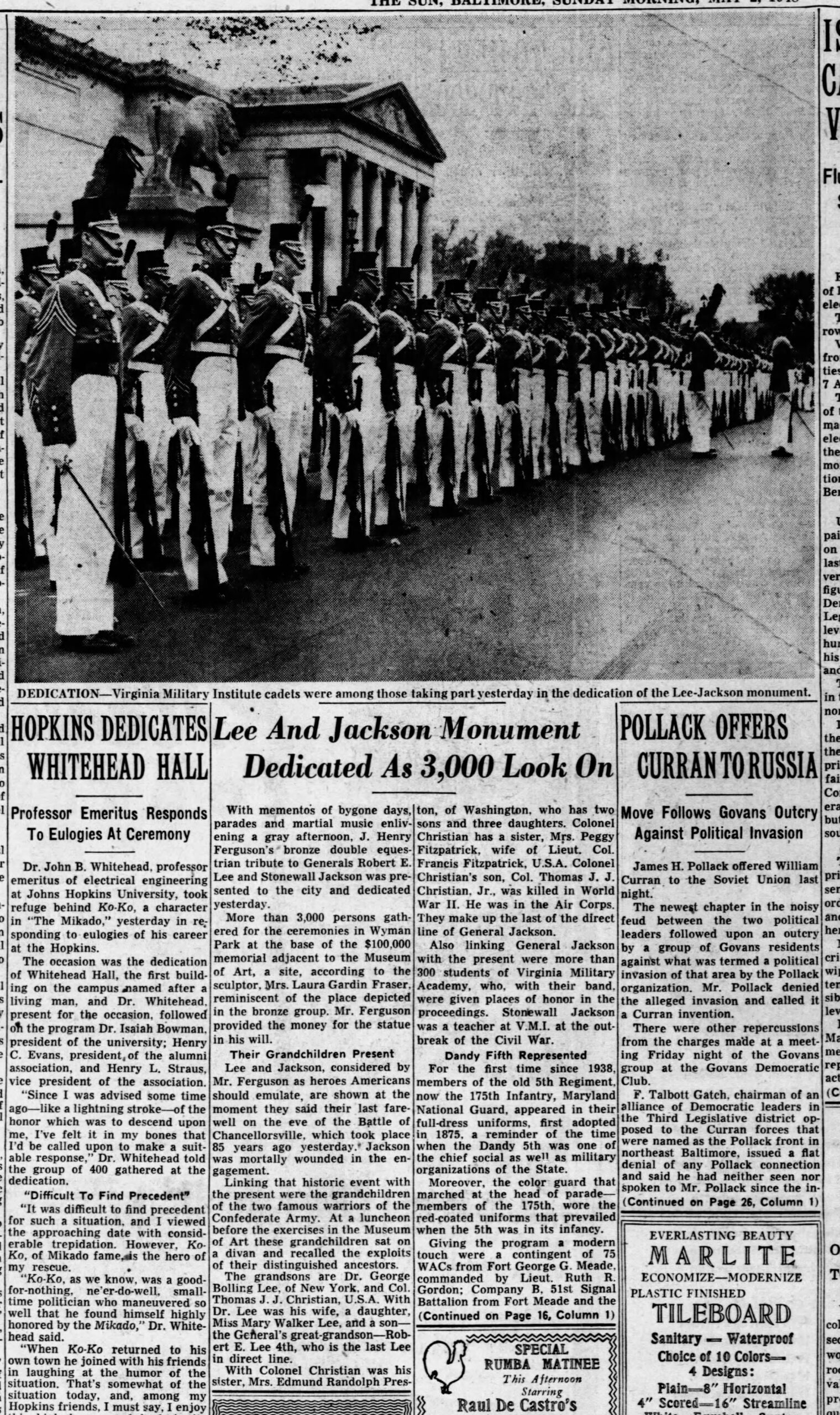
The Baltimore Sun · May 2, 1948
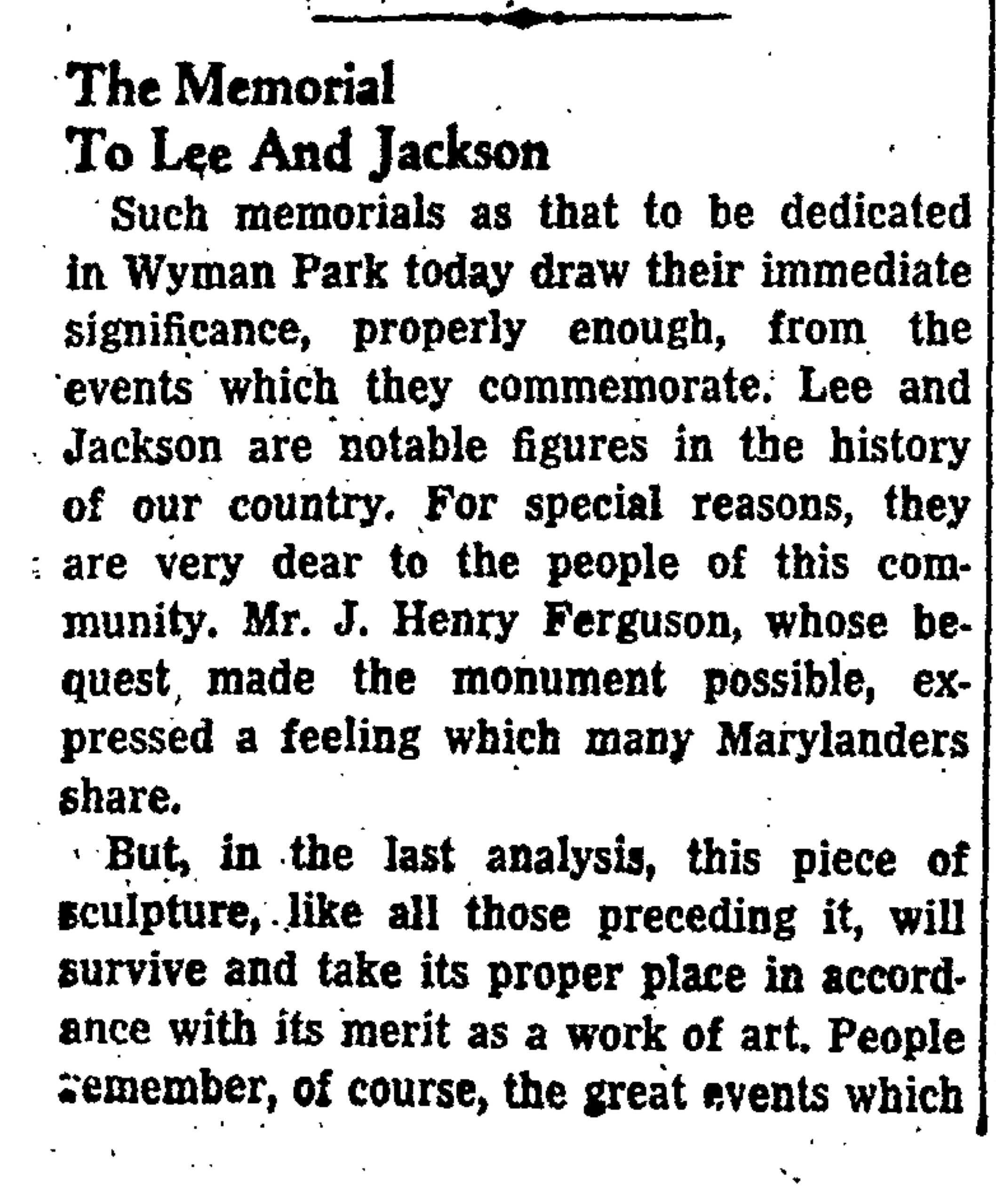
The Baltimore Sun · May 1, 1948
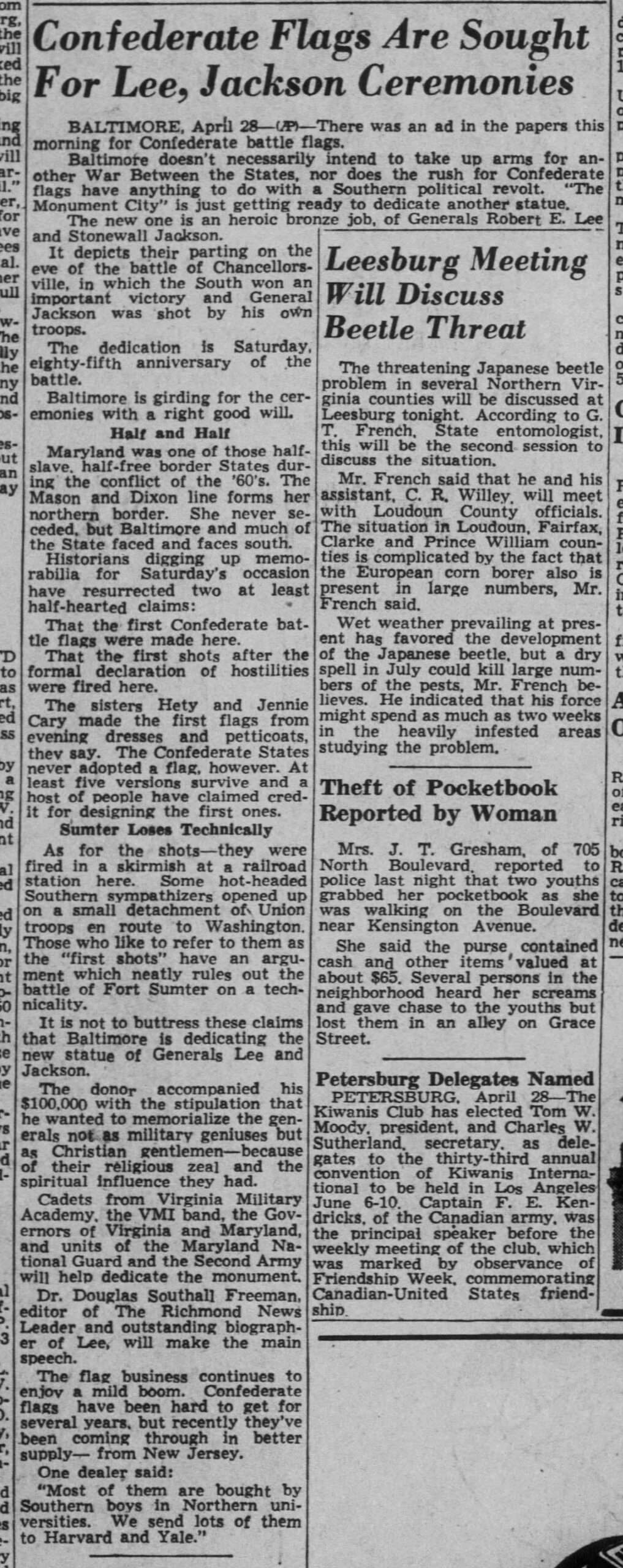
The Richmond Times-Dispatch · Apr 29, 1948
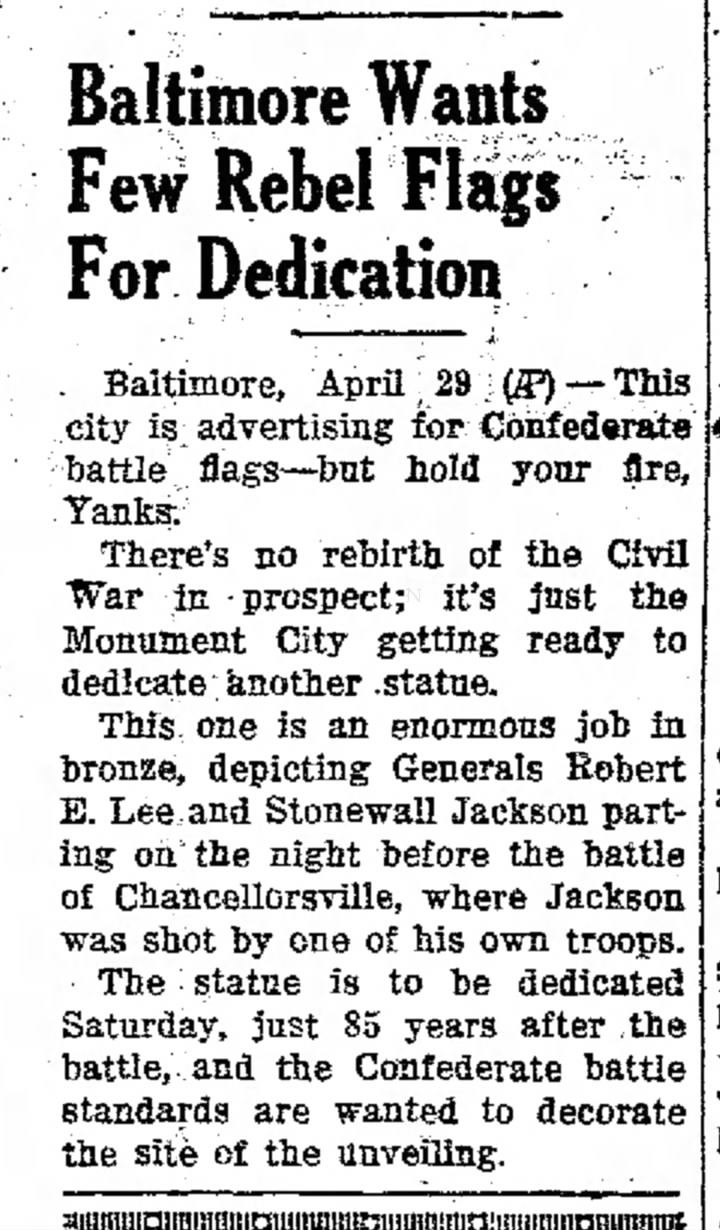
The Daily Mail (Hagerstown, MD) · Apr 29, 1948
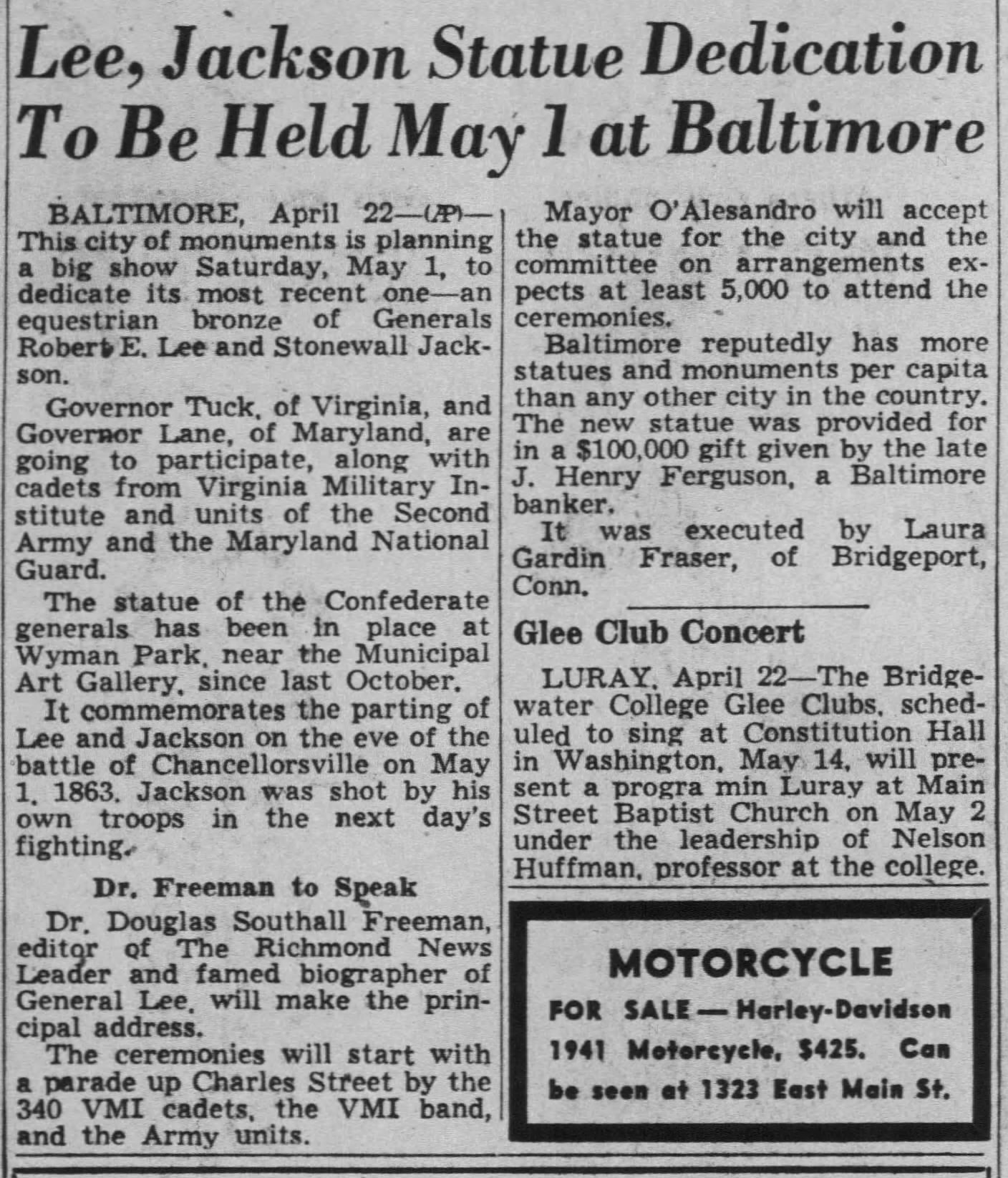
The Richmond Times-Dispatch · Apr 23, 1948
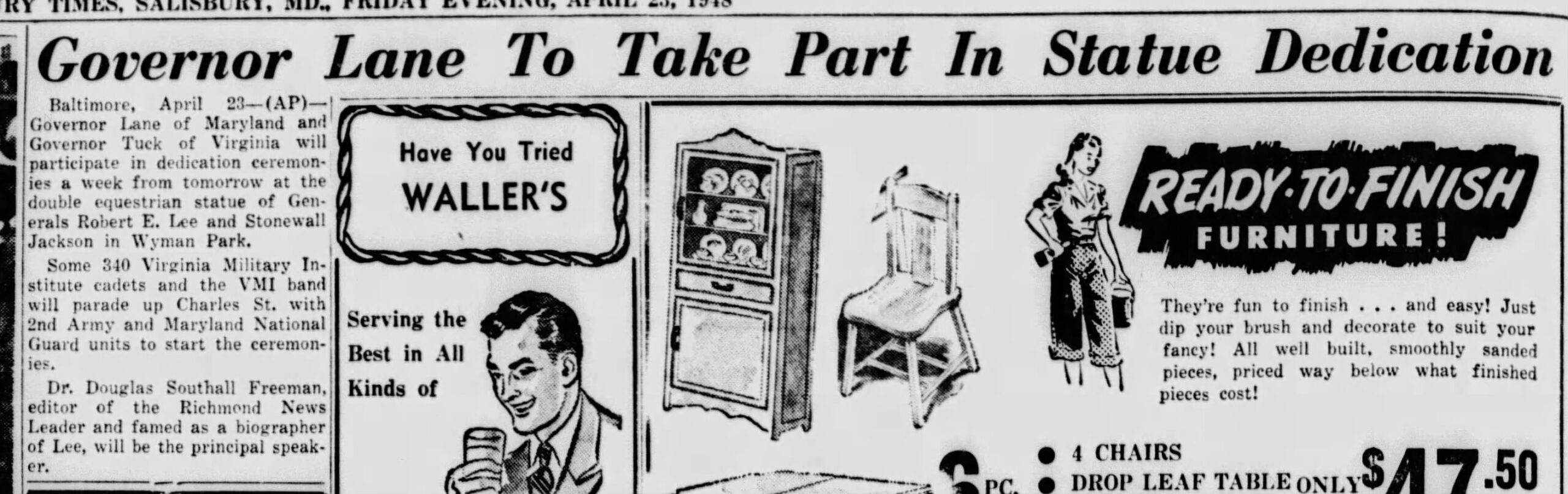
The Daily Times (Salisbury, MD) · Apr 23, 1948

The Baltimore Sun · Apr 18, 1948
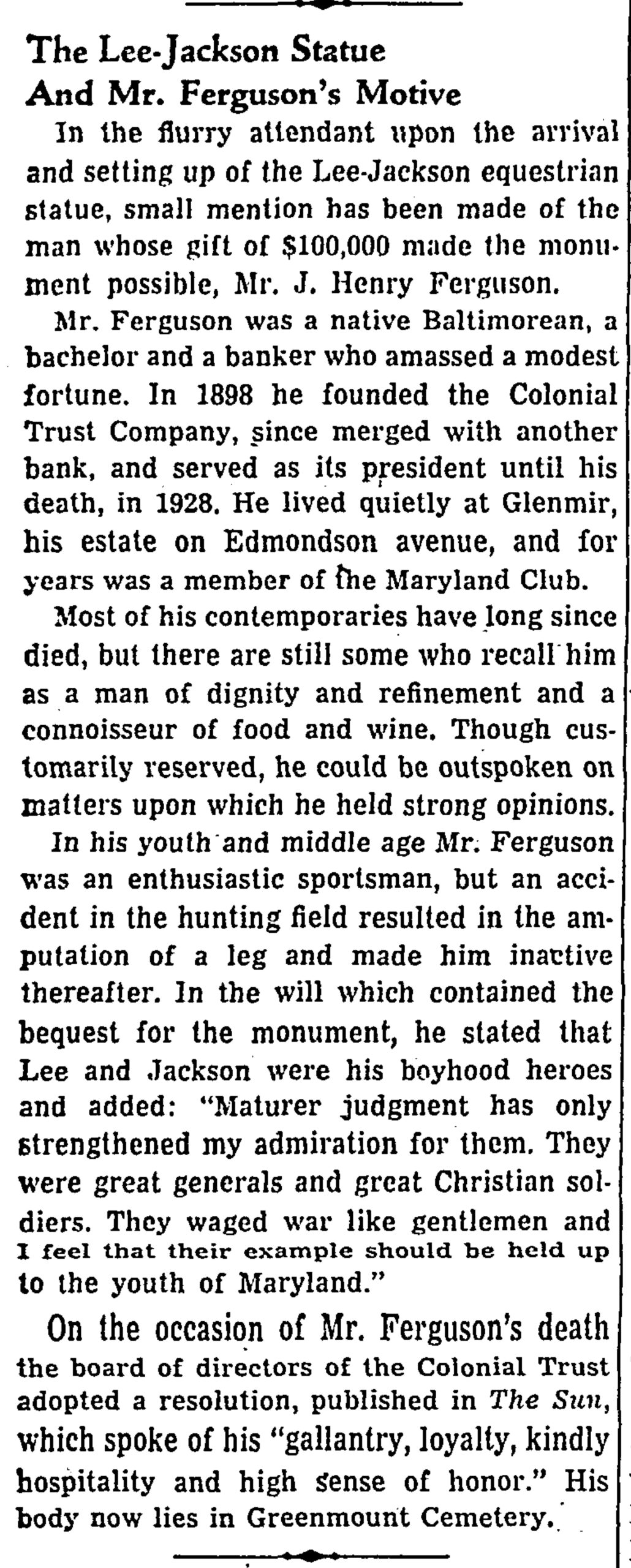
The Baltimore Sun · Oct 29, 1947

The Evening Sun · Oct 25, 1947
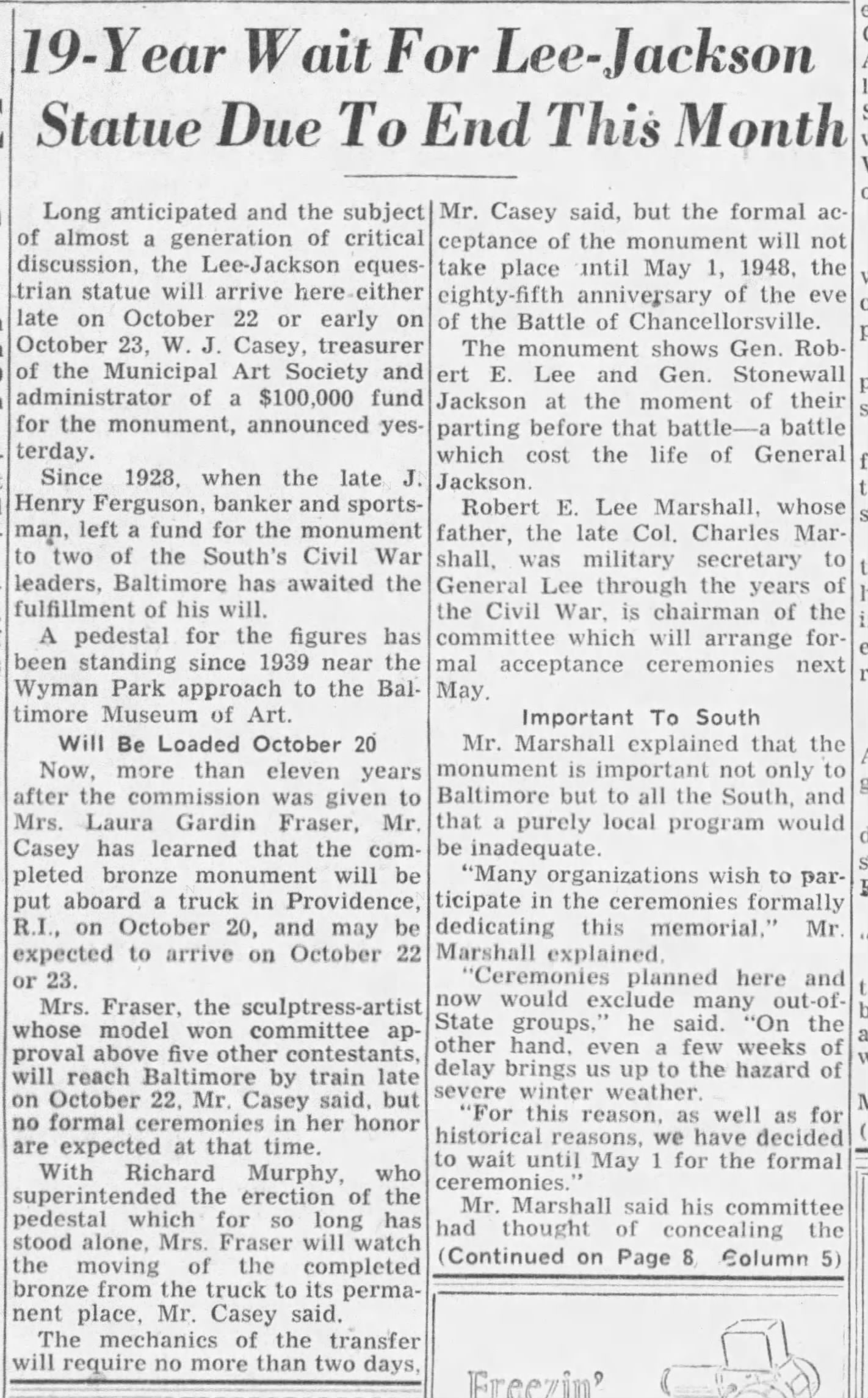
The Baltimore Sun · Oct 10, 1947
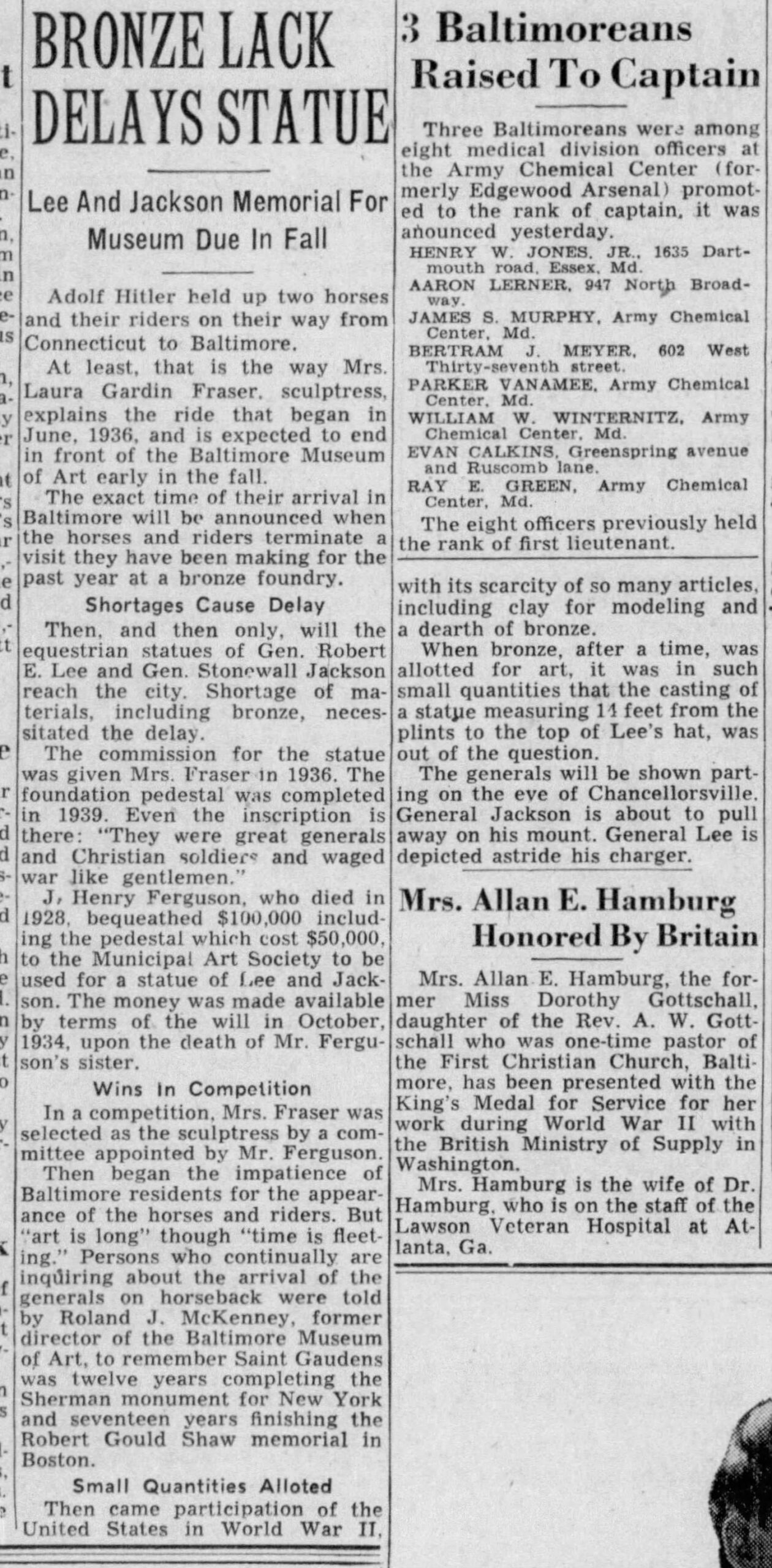
The Baltimore Sun · Jul 27, 1947
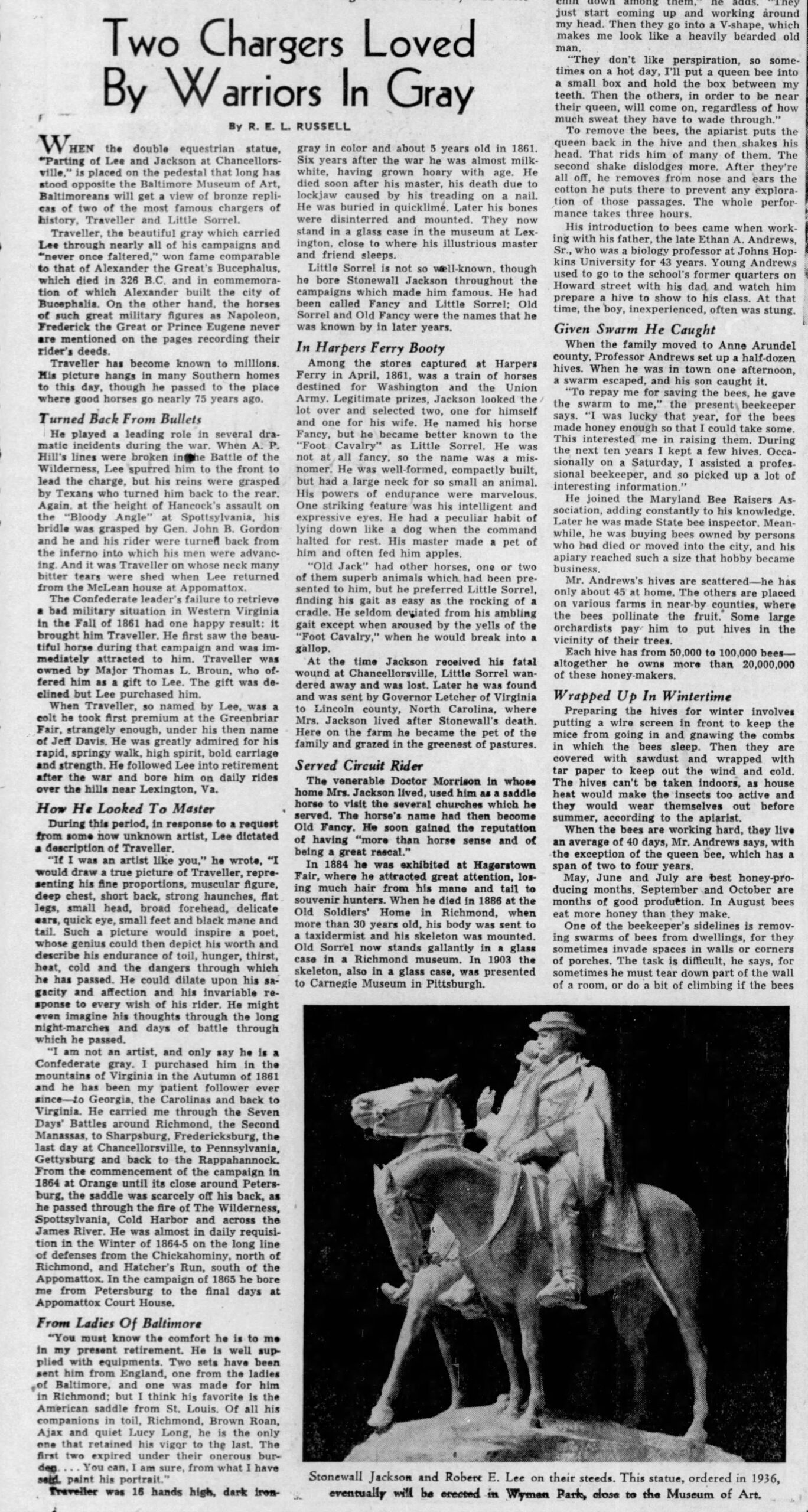
The Baltimore Sun · Jun 15, 1947
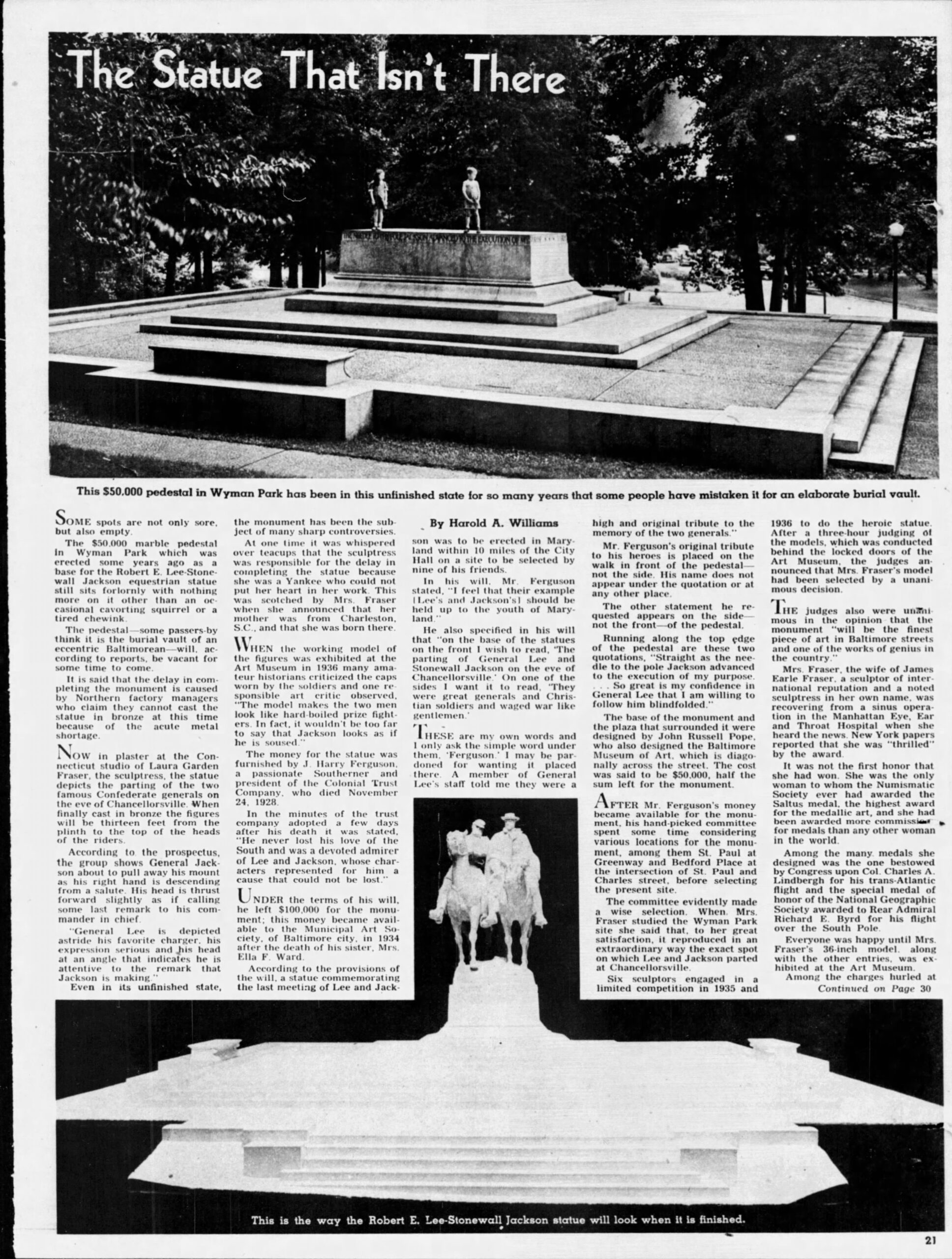
The Baltimore Sun · Oct 13, 1946
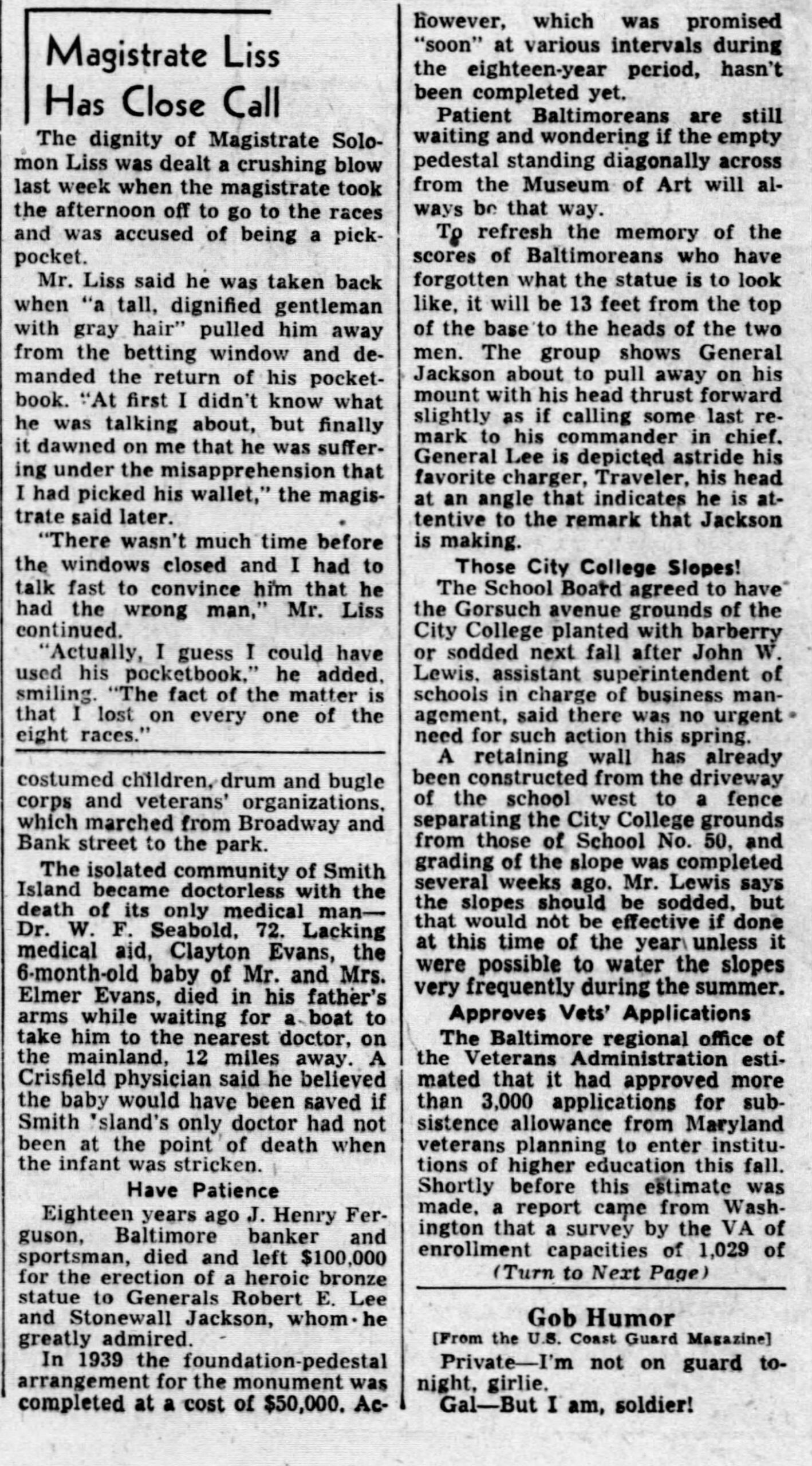
The Baltimore Sun · May 12, 1946
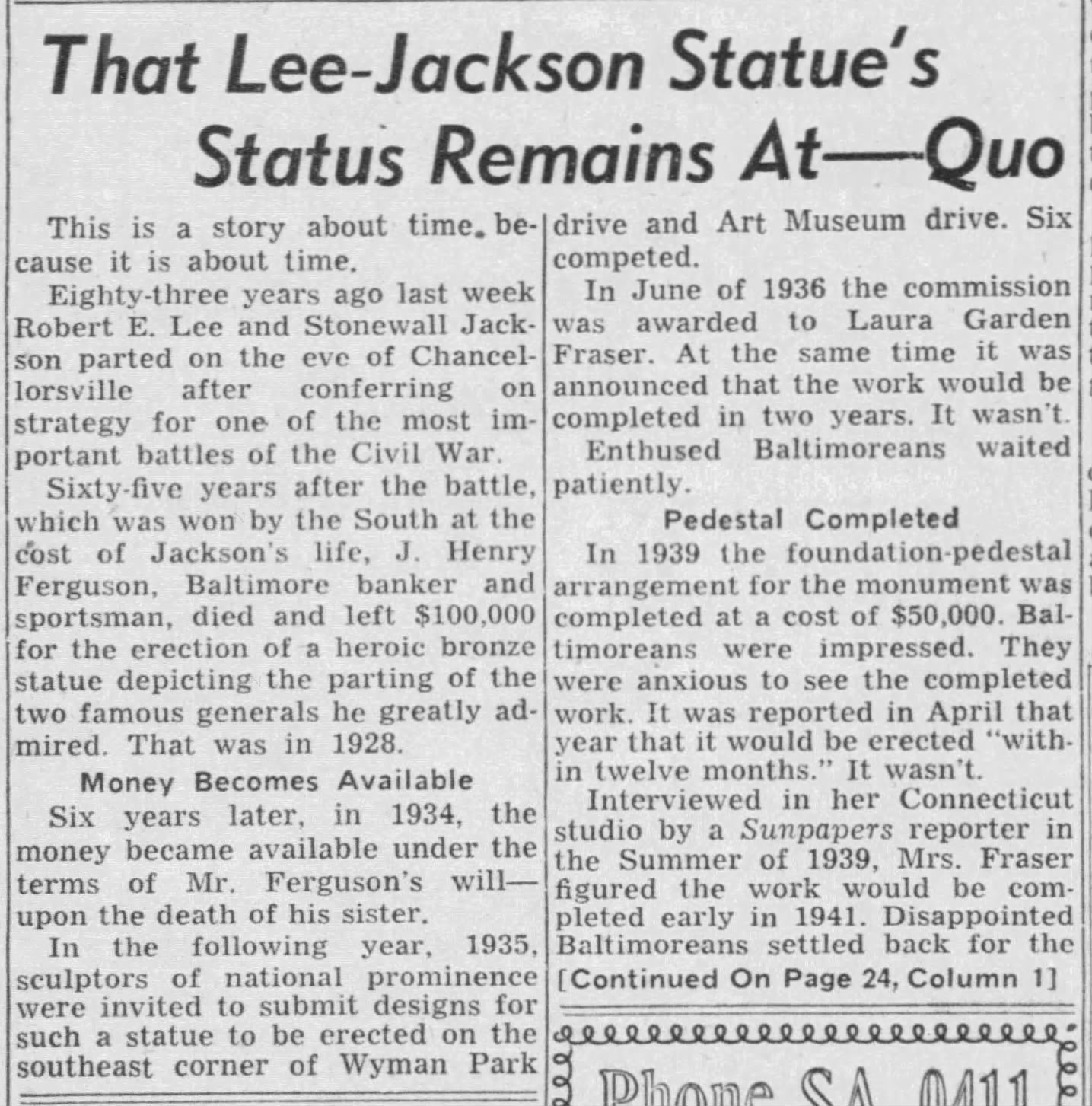
The Evening Sun · May 6, 1946
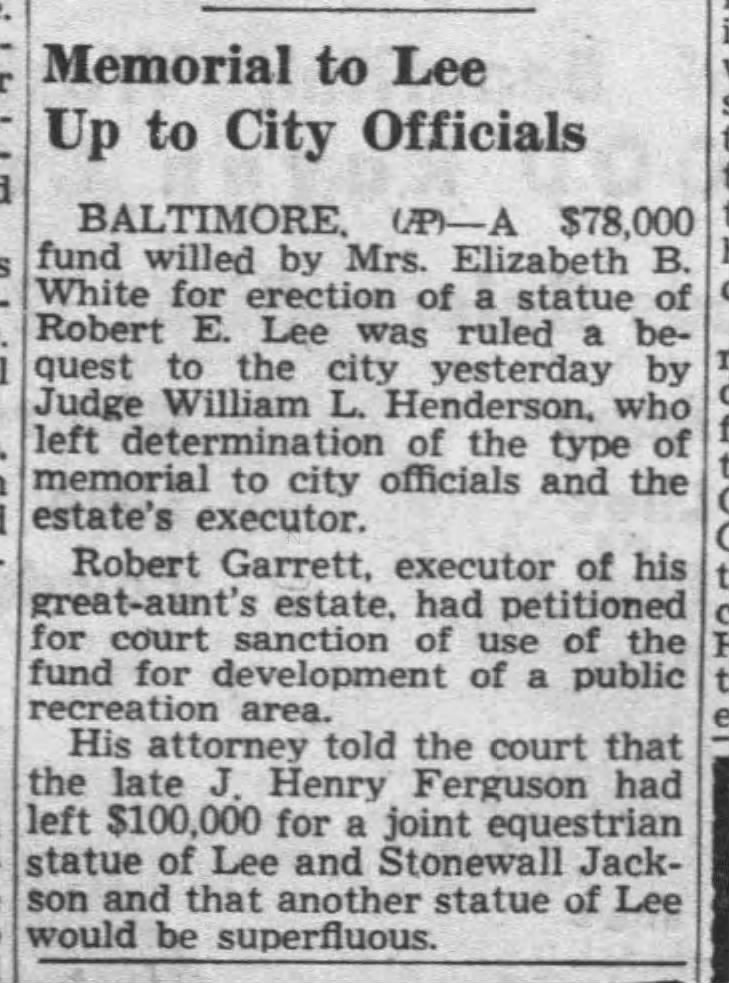
The Richmond Times-Dispatch · Jun 29, 1944
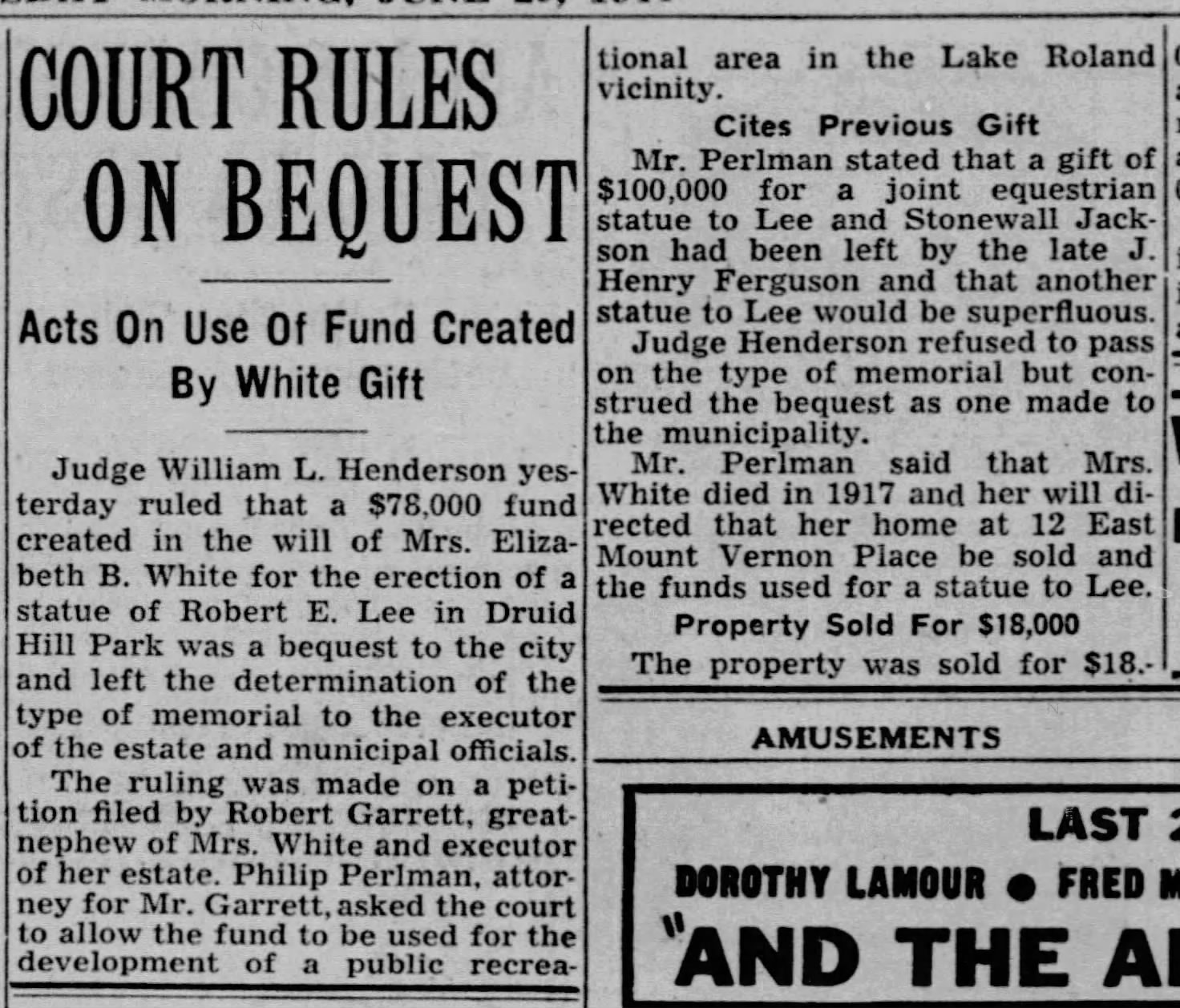
The Baltimore Sun · Jun 29, 1944
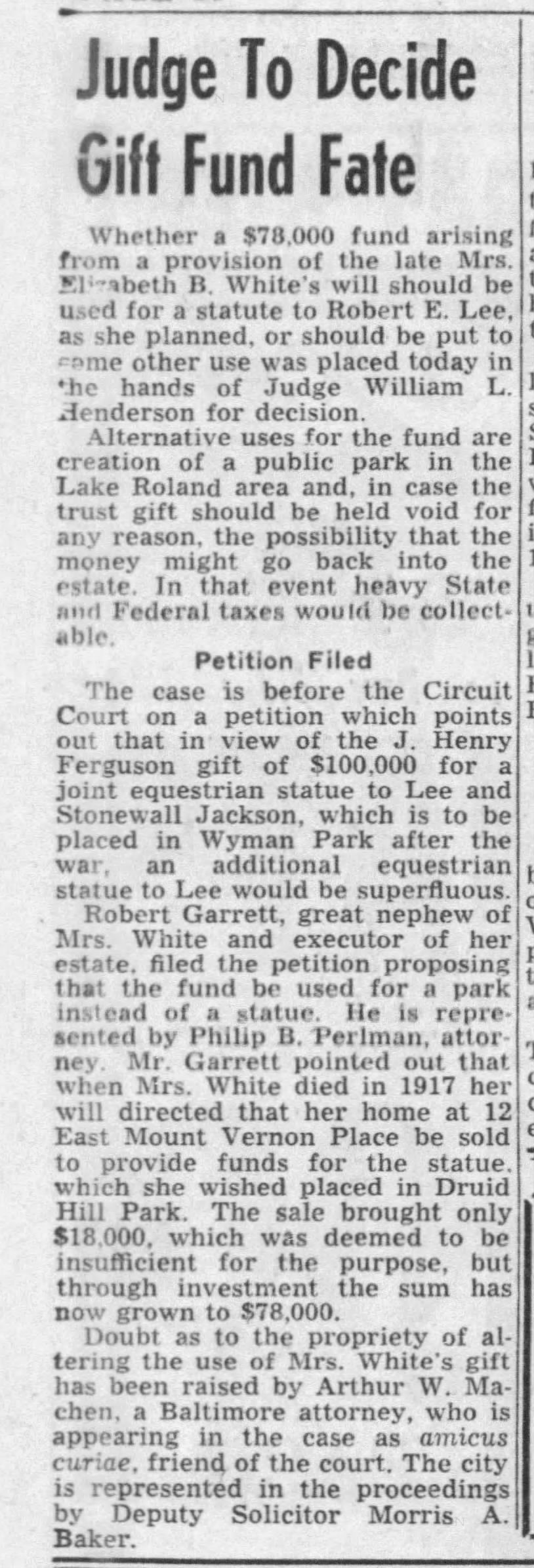
The Evening Sun · Jun 28, 1944
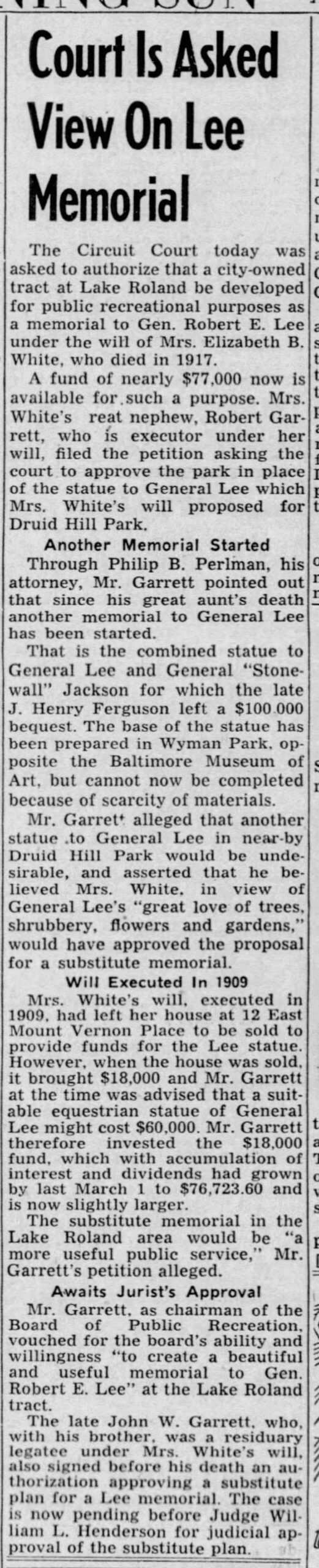
The Evening Sun · Apr 11, 1944
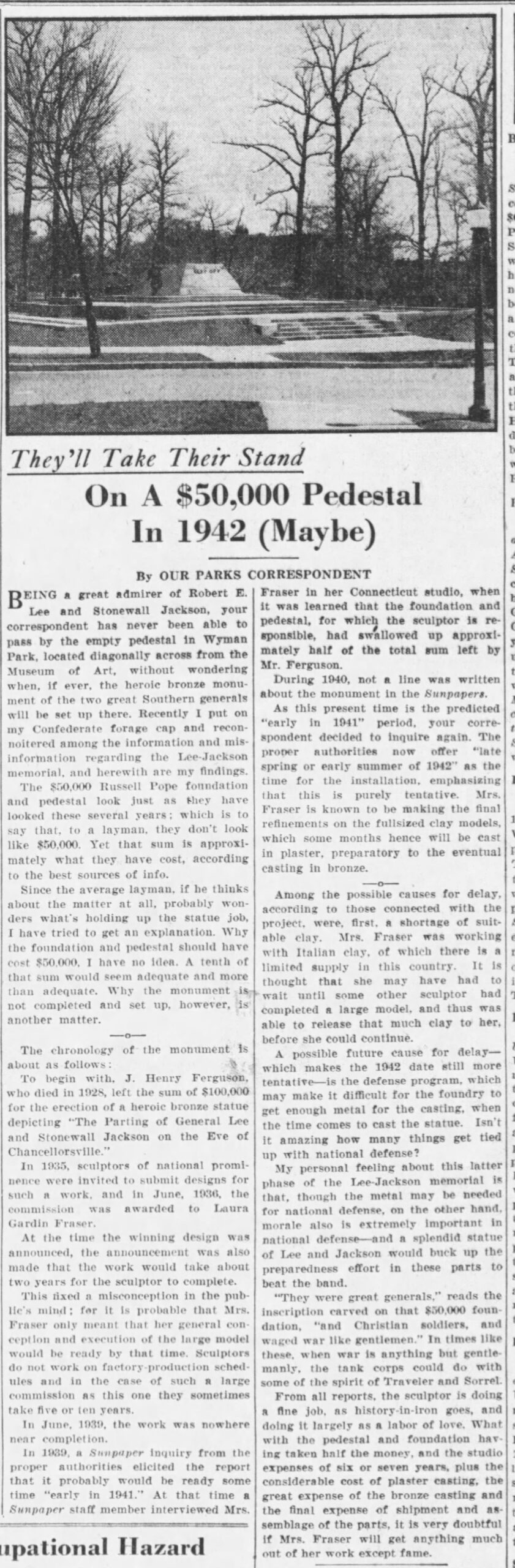
The Evening Sun · Mar 22, 1941
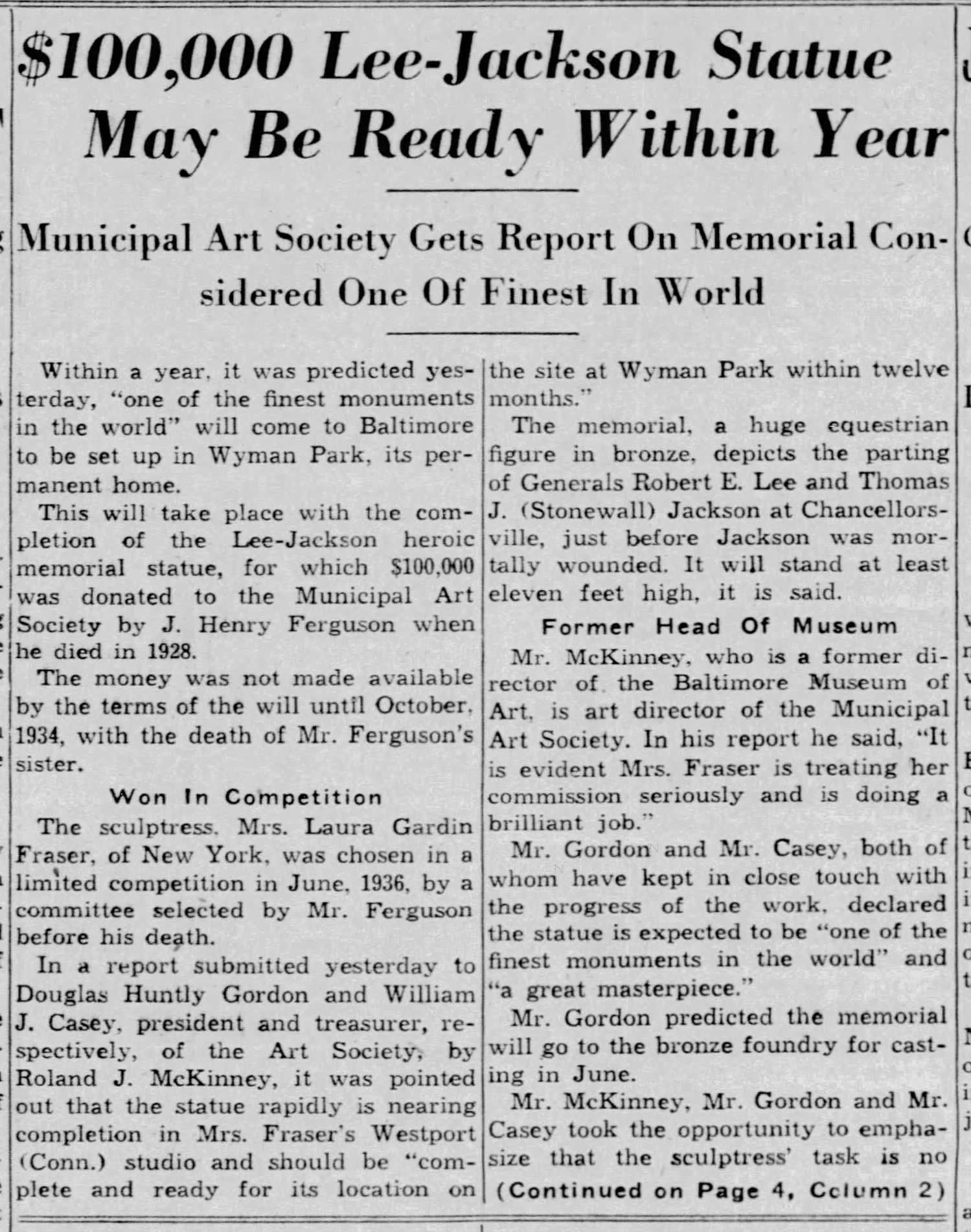
The Baltimore Sun · Apr 7, 1939
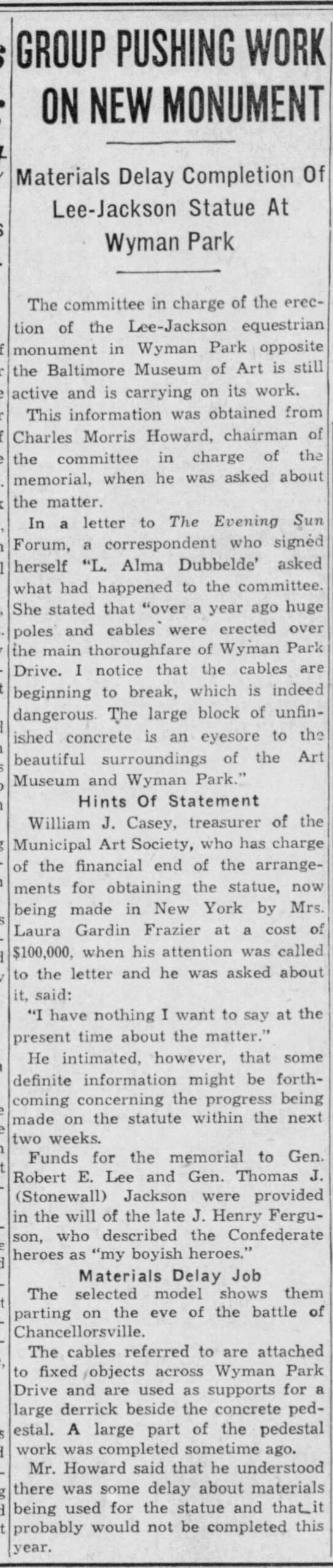
The Evening Sun · Mar 3, 1939
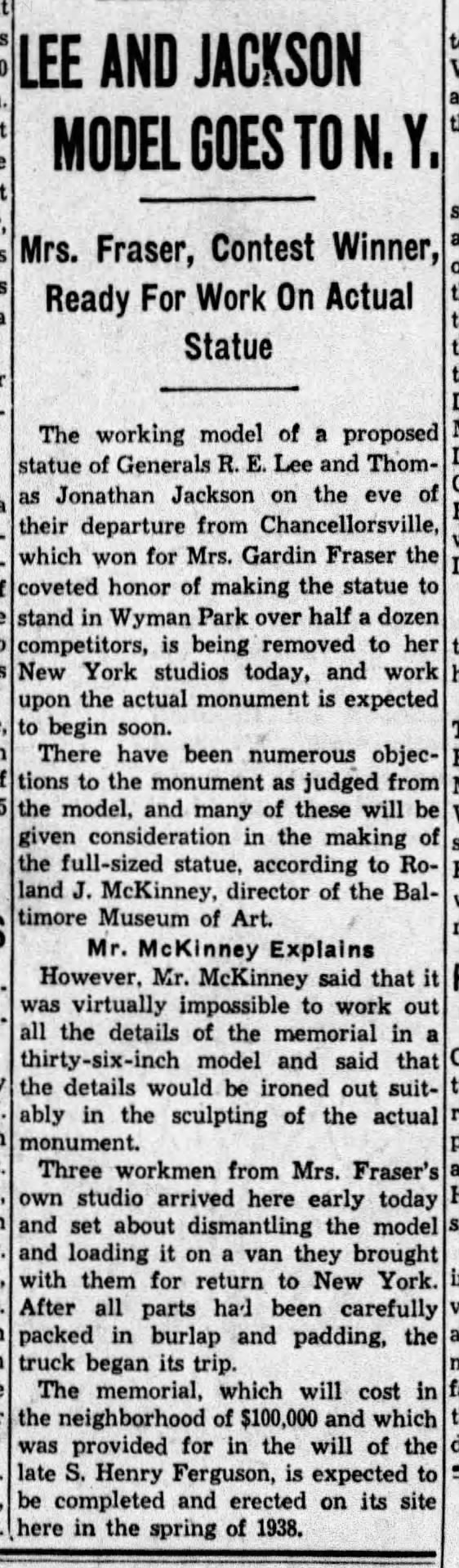
The Baltimore Sun · Jun 22, 1936
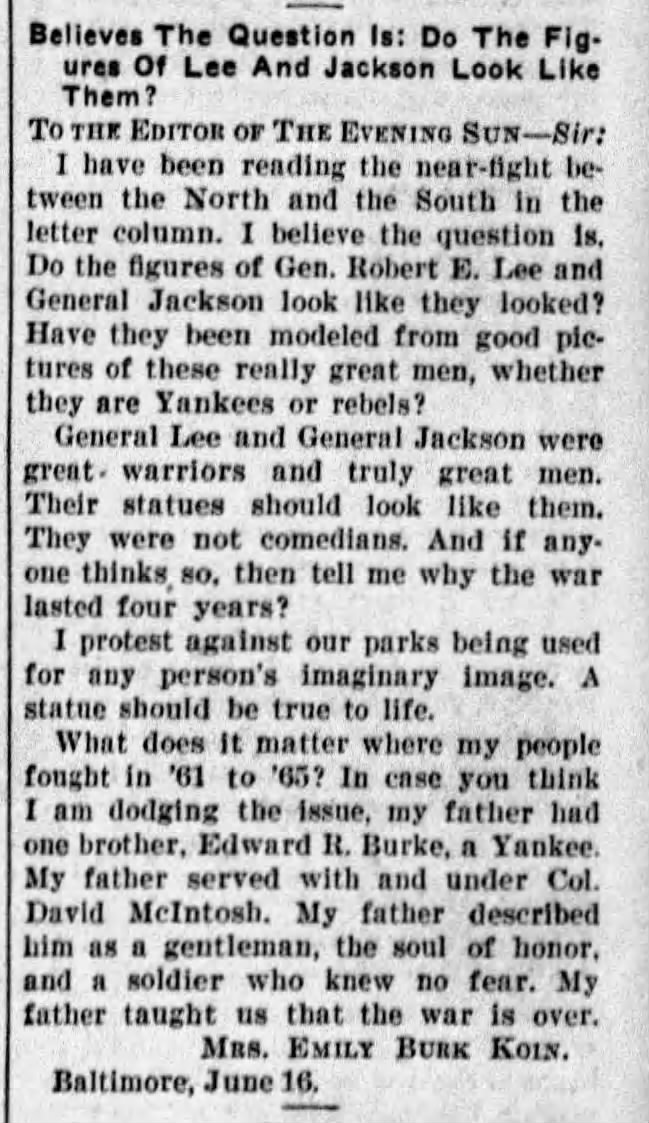
The Baltimore Sun · Jun 18, 1936
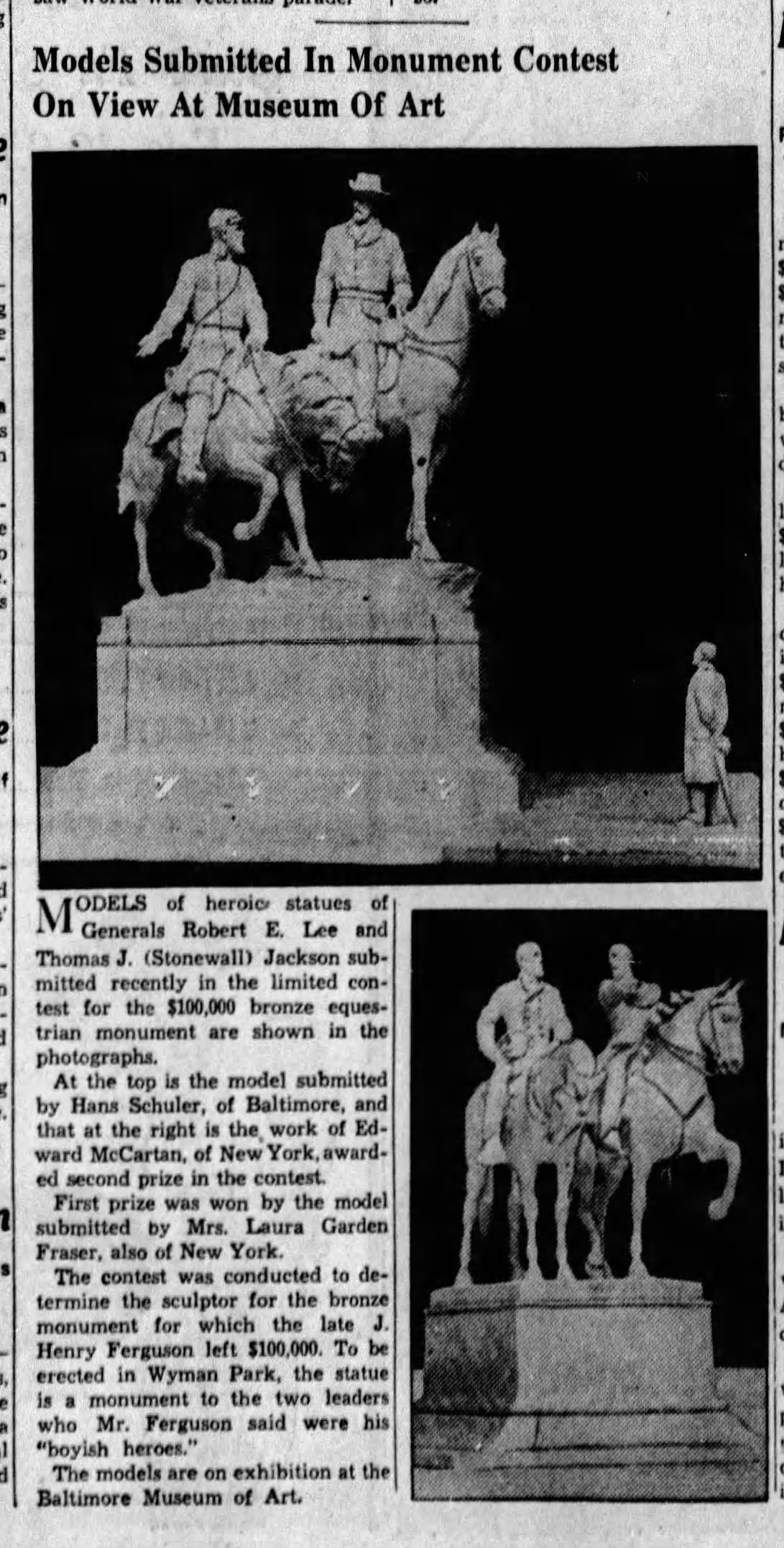
The Evening Sun · Jun 17, 1936
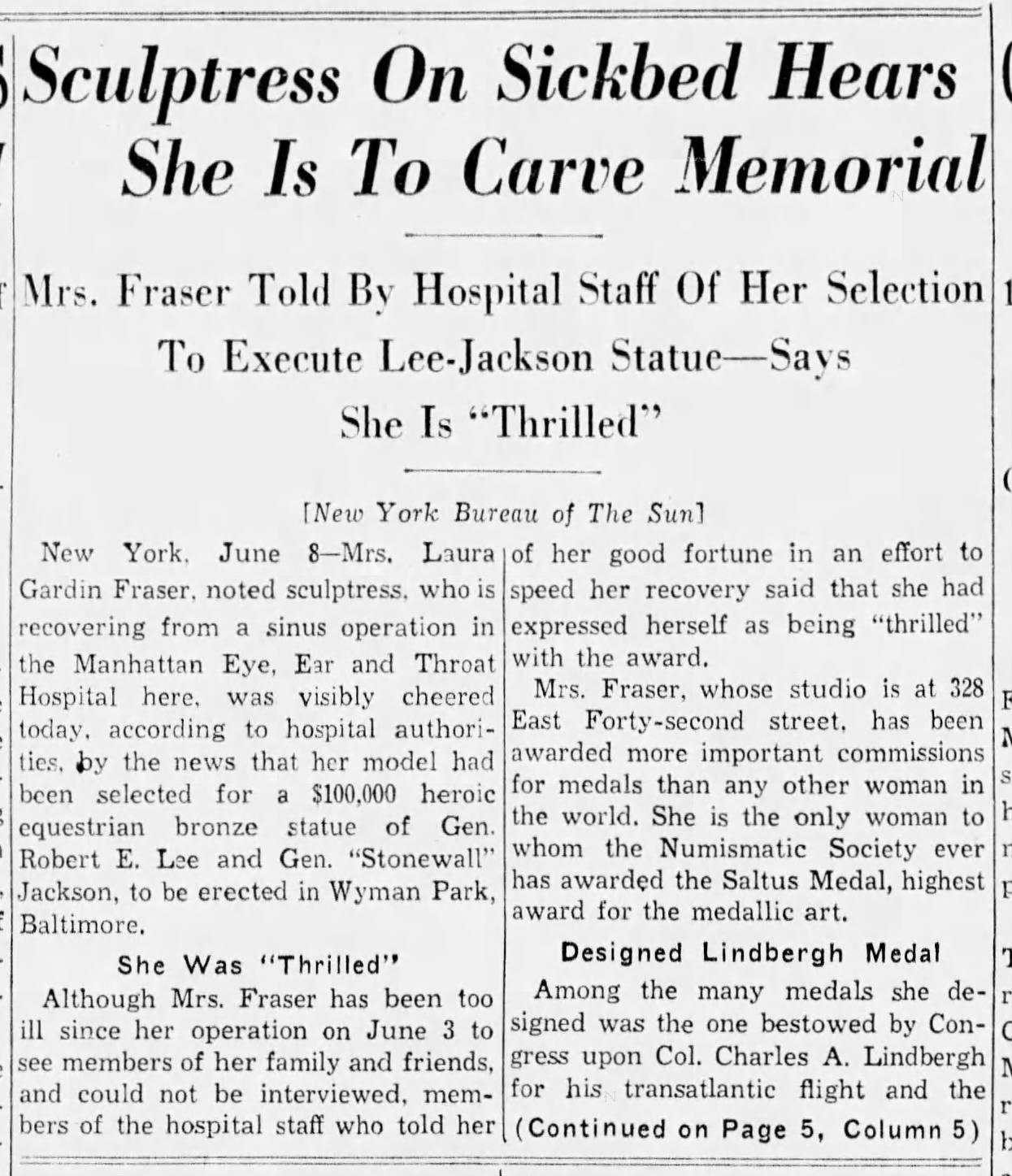
The Baltimore Sun · Jun 9, 1936
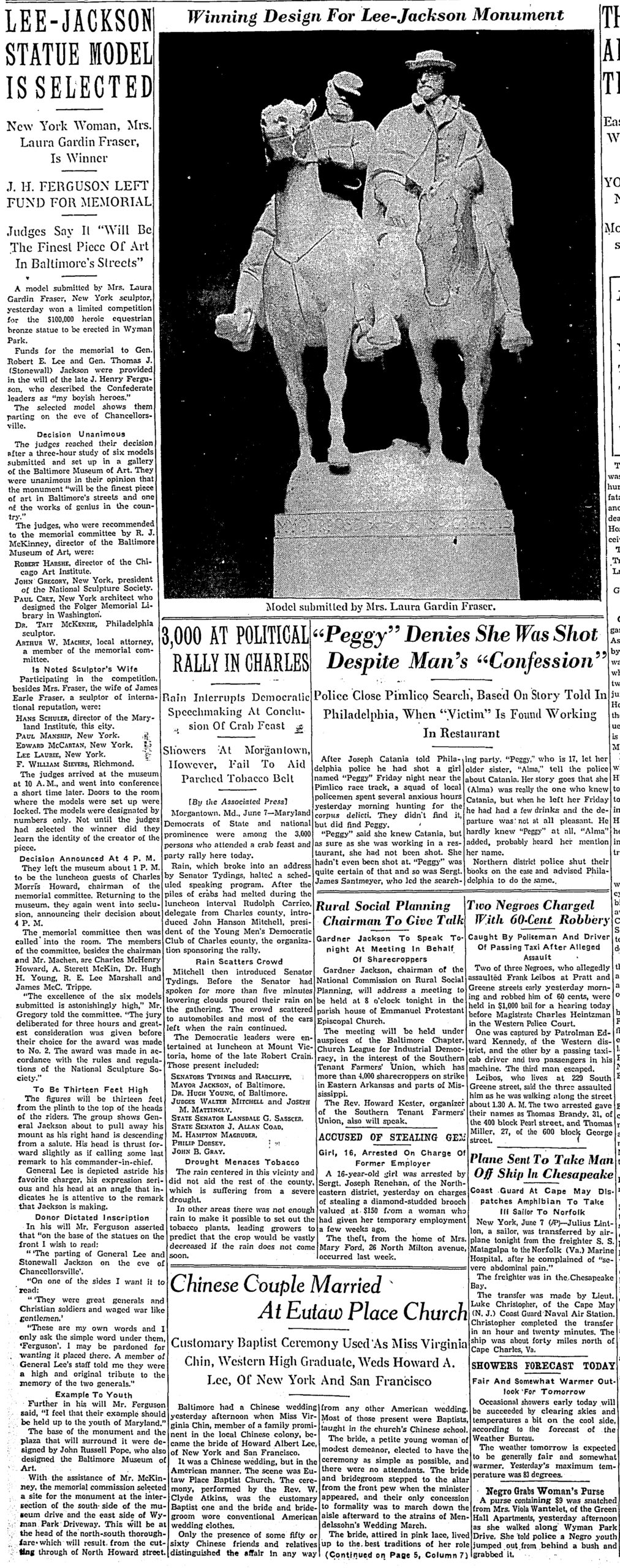
The Baltimore Sun · Jun 8, 1936
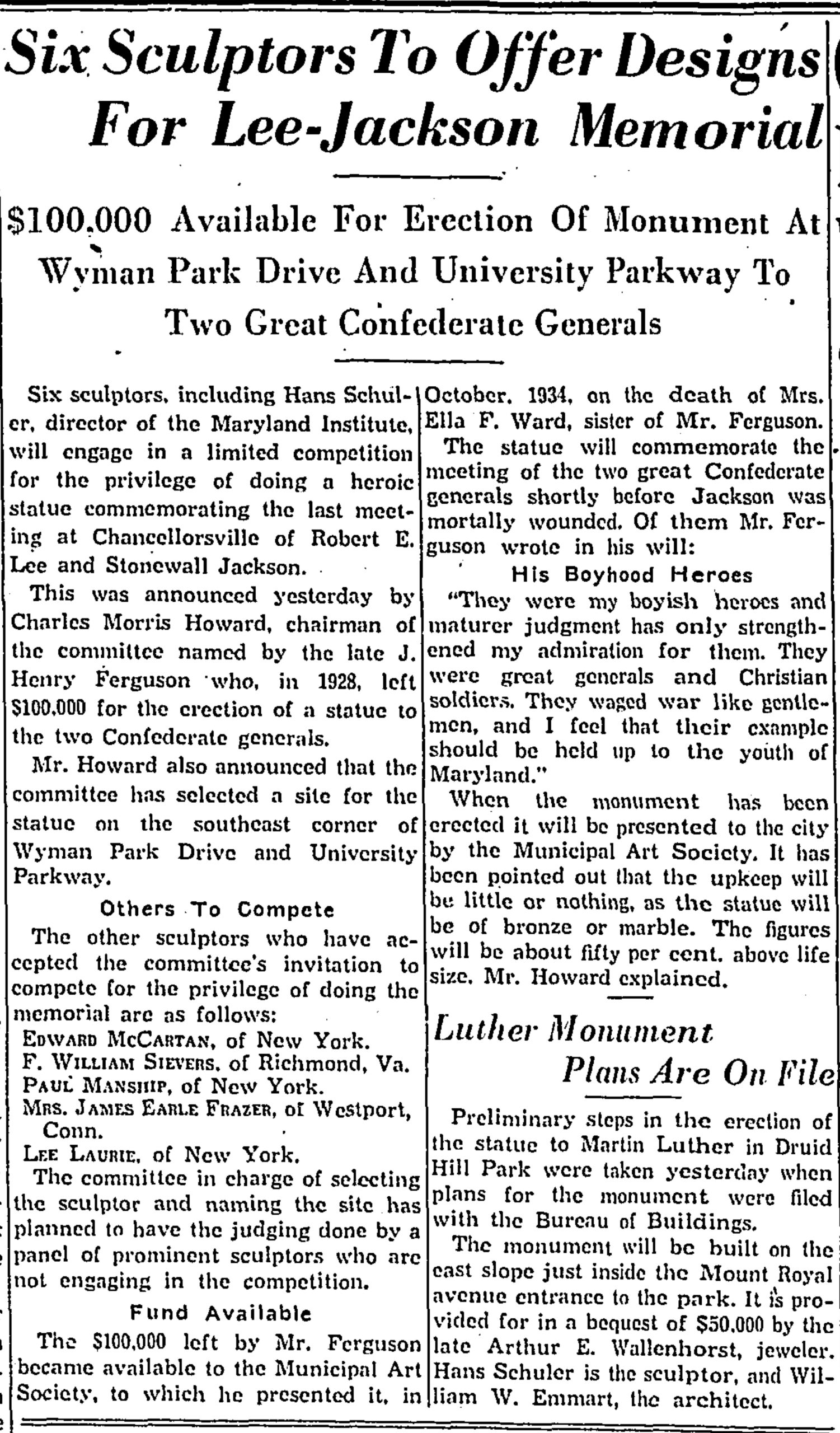
The Baltimore Sun · Oct 3, 1935
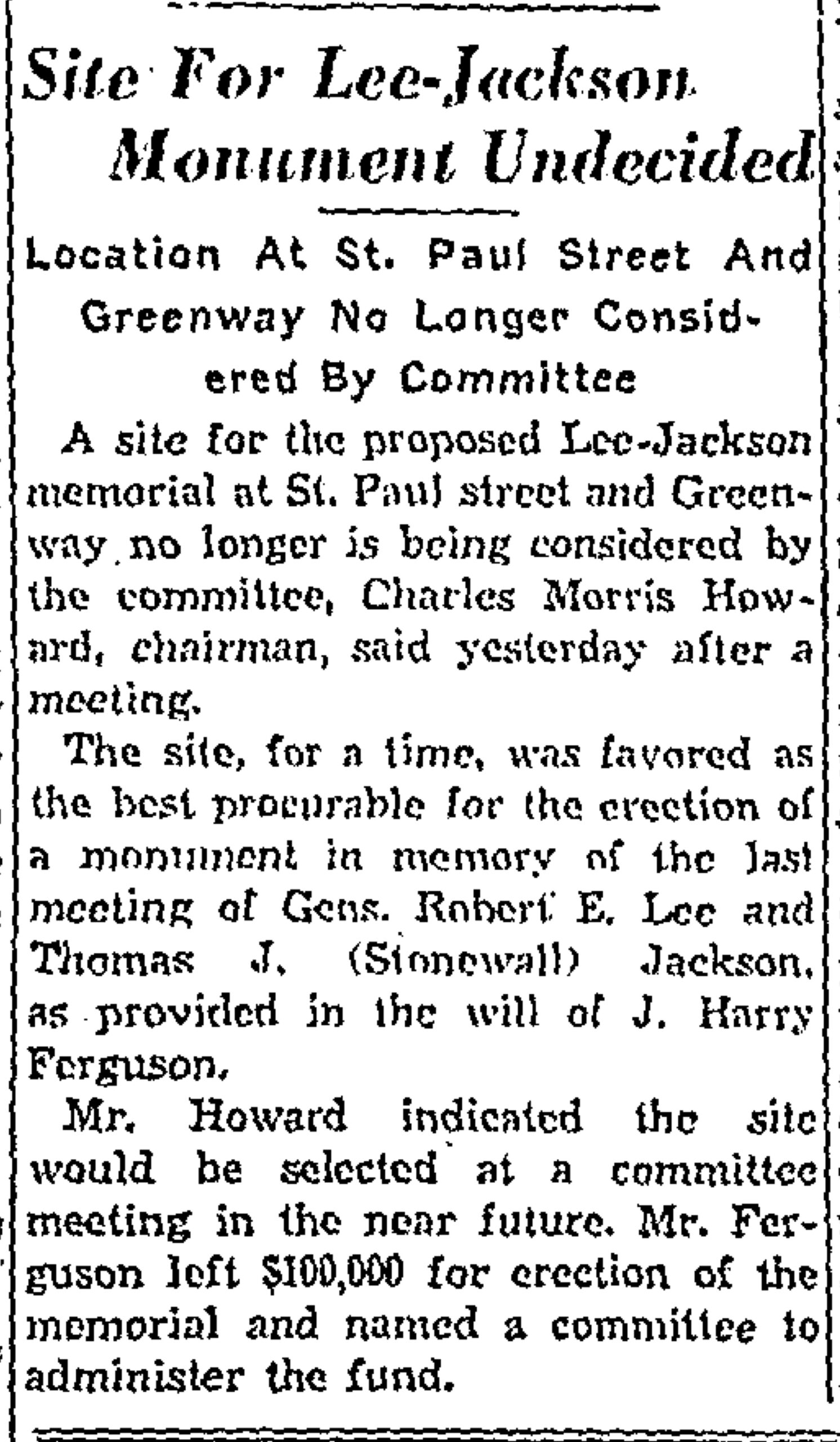
The Baltimore Sun · Jun 15, 1935
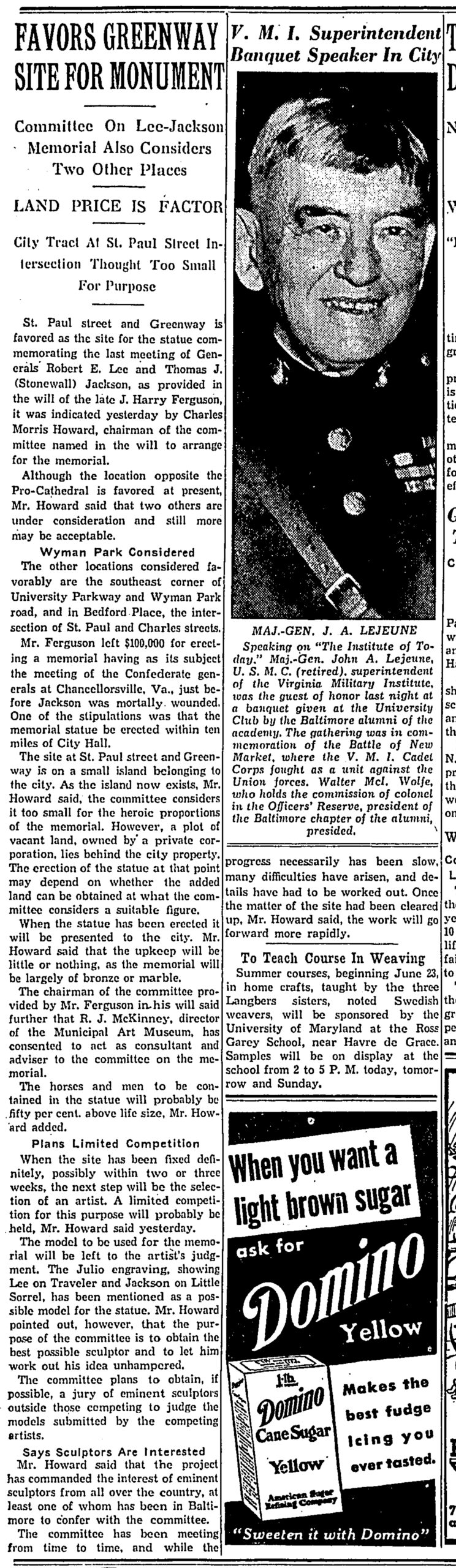
The Baltimore Sun · May 17, 1935
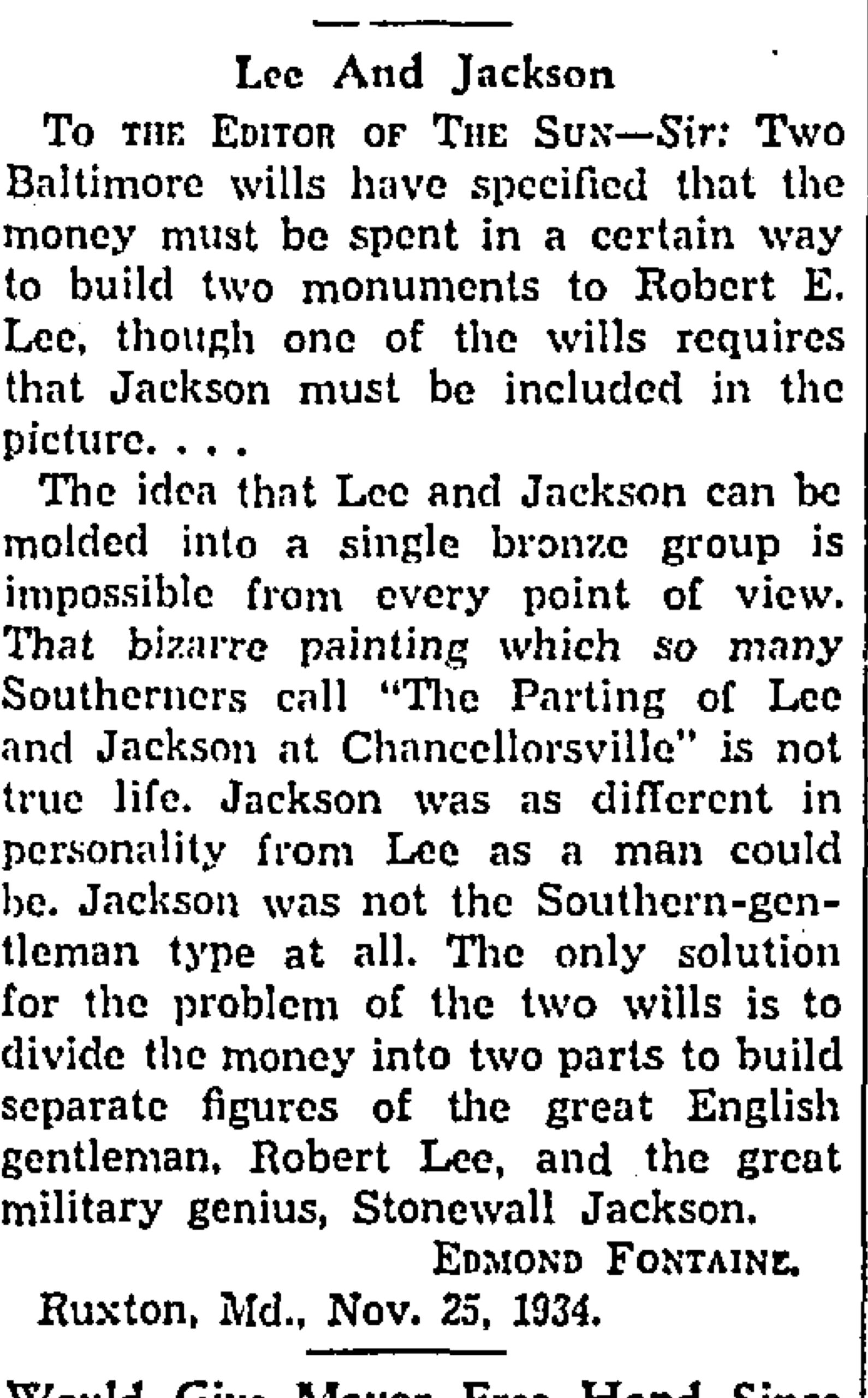
The Baltimore Sun · Nov 27, 1934
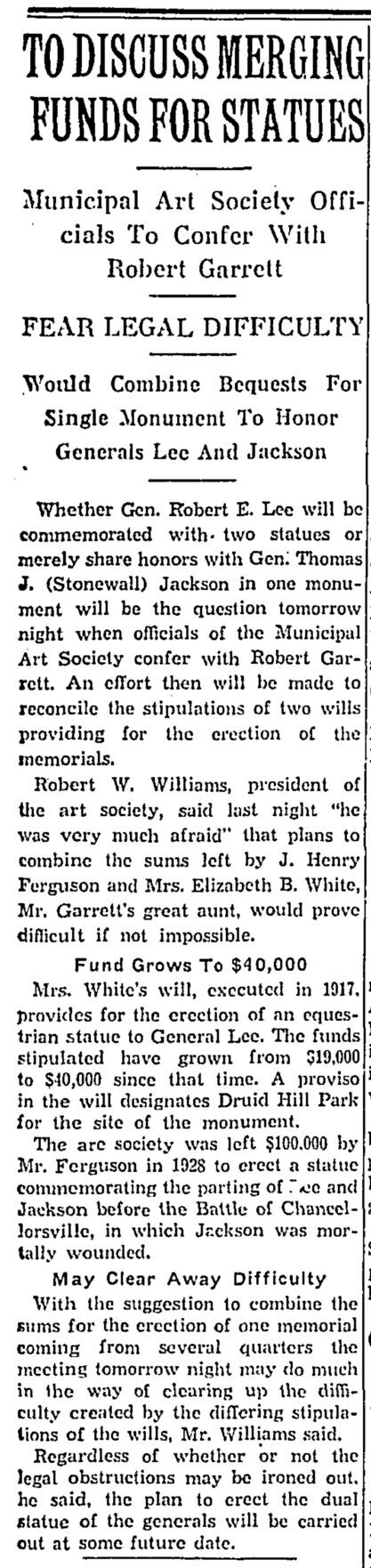
The Baltimore Sun · Nov 22, 1934

The Baltimore Sun · Nov 24, 1934

The Baltimore Sun · Nov 19, 1934

The Baltimore Sun · Nov 7, 1934

The Daily Item (Sumter, SC) · Dec 4, 1928

The Baltimore Sun · Dec 4, 1928

Daily Press (Newport News, VA) · Nov 17, 1917

Confederate Veteran Magazine · Mar 1902

The Evening Sun · Mar 21, 1977

The Baltimore Sun · Mar 24, 1963

The Evening Sun · Sep 27, 1960

The Baltimore Sun · May 14, 1933

The Evening Sun · Nov 28, 1932

The Baltimore Sun · Oct 21, 1923

The Evening Sun · Nov 29, 1918

The Baltimore Sun · Nov 3, 1918

The Evening Sun · Nov 2, 1918

The Baltimore Sun · Oct 29, 1918

The Baltimore Sun · Oct 28, 1918

The Baltimore Sun · Oct 26, 1918

The Baltimore Sun · Jan 17, 1917

The Baltimore Sun · Jul 21, 1914

The Baltimore Sun · Jun 20, 1914

The Baltimore Sun · Mar 10, 1914

The Baltimore Sun · Feb 11, 1914

The Evening Sun · Feb 10, 1914

The News (Frederick, MD) · Feb 6, 1914

The Baltimore Sun · Jan 29, 1914

The Baltimore Sun · Jan 25, 1914

The Baltimore Sun · Jun 20, 1912

The Baltimore Sun · Jan 19, 1912

The Baltimore Sun · Dec 8, 1911

The Baltimore Sun · Dec 6, 1910

The Baltimore Sun · Dec 5, 1910

The Baltimore Sun · Aug 20, 1910

The Baltimore Sun · May 4, 1910

The Baltimore Sun · May 2, 1910

The Baltimore Sun · Apr 27, 1910

The Baltimore Sun · Apr 19, 1910

The Baltimore Sun · Apr 14, 1910

The Baltimore Sun · Nov 6, 1907

The Baltimore Sun · Nov 28, 1902

The Baltimore Sun · Jun 23, 2015

The Baltimore Sun · Jul 23, 1999

The Baltimore Sun · Oct 17, 1953

The Baltimore Sun · Aug 10, 1912

The Baltimore Sun · Apr 16, 1906

The Baltimore Sun · Jul 9, 1906

The Afro-American · Jun 10, 1905

The Baltimore Sun · May 4, 1905

The Baltimore Sun · Nov 1, 1903

The Baltimore Sun · Jun 19, 1903

The Baltimore Sun · Jun 2, 1903

Charlotte Daily Observer · May 4, 1903

The Baltimore Sun · May 3, 1903

The Sun (New York) · May 3, 1903

The Baltimore Sun · May 2, 1903

The Brooklyn Citizen · May 2, 1903

Richmond Times-Dispatch · May 2, 1903

The Baltimore Sun · May 1, 1903

The Nashville American · May 1, 1903

The Baltimore Sun · Apr 30, 1903

The New York Times · Apr 29, 1903

The Baltimore Sun · Apr 24, 1903

The Baltimore Sun · Apr 16, 1903

The Baltimore Sun · Mar 3, 1903

The Baltimore Sun · Jan 30, 1903

The Baltimore Sun · Jan 20, 1903

The Baltimore Sun · Dec 13, 1902

The Baltimore Sun · Oct 24, 1902

The Baltimore Sun · Jul 22, 1902

The Baltimore Sun ·Jun 10, 1902

The Baltimore Sun ·Jun 10, 1902

The Baltimore Sun · May 24, 1902

The Baltimore Sun · Jan 28, 1902

The Baltimore Sun · Jan 21, 1902

The Baltimore Sun · Jan 7, 1902

The Baltimore Sun · Dec 13, 1901

The Baltimore Sun · Dec 11, 1901

The Baltimore Sun · Dec 7, 1901

The Baltimore Sun · Dec 2, 1901

The Baltimore Sun · Nov 29, 1901

The Baltimore Sun · Nov 28, 1901

The Baltimore Sun · May 2, 1901

The Baltimore Sun · May 1, 1901

The Baltimore Sun · May 21, 1900

The Baltimore Sun · Sep 6, 1899

The Baltimore Sun · Aug 8, 1899

The Baltimore Sun · Jul 1, 1899

The Baltimore Sun · Apr 15, 1899

The Baltimore Sun · Apr 5, 1899

The Baltimore Sun · Apr 3, 1899

The Baltimore Sun · Jan 24, 1899

The Baltimore Sun · Jan 23, 1899

The Baltimore Sun · Jan 21, 1899

The Baltimore Sun · Jan 12, 1899

The Baltimore Sun · Dec 15, 1898

The Baltimore Sun · Jan 20, 1881

The Baltimore Sun · April 7, 1880

The Baltimore Sun · April 6, 1880

The Baltimore Sun · April 5, 1880

The Baltimore Sun · April 3, 1880

The Baltimore Sun · April 2, 1880

The Baltimore Sun · April 1, 1880

The Baltimore Sun· Sep 26, 2019

The Baltimore Sun· Sep 26, 2019

The Baltimore Sun· Aug 16, 2018

The Baltimore Sun· Oct 16, 2017

The Baltimore Sun· Aug 31, 2017

The Baltimore Sun· Aug 18, 2017

The Baltimore Sun· Aug 17, 2017

The Baltimore Sun· Aug 15, 2017

The Baltimore Sun· Aug 14, 2017

The Baltimore Sun· Aug 14, 2017

The Baltimore Sun· May 29, 2017

The Baltimore Sun· May 25, 2017

The Baltimore Sun· Sep 15, 2016

The Baltimore Sun· Feb 27, 2016

The Baltimore Sun· Feb 20, 2016

The Baltimore Sun· Feb 1, 2016

The Baltimore Sun· Jan 25, 2016

The Baltimore Sun· Jan 21, 2016

The Baltimore Sun· Jan 20, 2016

The Baltimore Sun· Jan 20, 2016

The Baltimore Sun· Jan 18, 2016

The Baltimore Sun· Jan 15, 2016

The Baltimore Sun· Sep 18, 2015

The Baltimore Sun· Jul 10, 2015

The Baltimore Sun· Jan 29, 2000

The Baltimore Sun· Jan 27, 2000

The Baltimore Sun· Jan 20, 2000

The Baltimore Sun· Mar 18, 1993

The Baltimore Sun· Oct 9, 1931

The Star-Democrat· Mar 7, 1993

The Evening Sun· Feb 4, 1992

The Baltimore Sun· Aug 25, 1970

The Evening Sun· Oct 20, 1960

The Evening Sun· Jul 9, 1960

The Evening Sun· May 18, 1945

The Evening Sun · Oct 30, 1939

The Baltimore Sun· Nov 15, 1887

The Baltimore Sun · Nov 14, 1887

The Baltimore Sun· Nov 12, 1887

The Baltimore Sun· Nov 11, 1887

The Raleigh News· Jan 8, 1873

The Missouri Republican · Dec 1, 1872

The Baltimore Sun· Aug 7, 1872

The Baltimore Sun· Aug 25, 1869

Knoxville Weekly Whig· Aug 8, 1865

The Baltimore Sun· Feb 24, 1865

Cleveland Daily Leader· Feb 17, 1865

Western Reserve Chronicle· Sep 9, 1857

The National Era· Jun 18, 1857

Belmont Chronicle· Jan 31, 1857

The Democratic Pioneer· March 10, 1857

The Montgomery Advertiser· Dec 12, 2021

The Montgomery Advertiser· Dec 9, 2021

The Montgomery Advertiser· Oct 27, 2021

The Montgomery Advertiser· Oct 7, 2021

The Montgomery Advertiser· Dec 9, 2020

The Montgomery Advertiser· Dec 3, 2020

The Montgomery Advertiser· May 27, 2018

The Montgomery Advertiser· May 30, 1986

The Montgomery Advertiser· May 2, 1986

The Montgomery Advertiser· May 1, 1986

The Montgomery Advertiser· Apr 17, 1986

The Montgomery Advertiser· Apr 16, 1986

Alabama Journal· Apr 16, 1986

Alabama Journal · Mar 24, 1986

The Montgomery Advertiser· Jan 7, 1890

The Montgomery Advertiser· Jan 7, 1890
Ingots from Robert E. lee Monument, Charlottesville, Virginia
Swords Into Plowshares
2023
Bronze
Jefferson School African American Heritage Center, Charlottesville, Virginia

Josephus Daniels
János Farkas
1985
Bronze
Daniels Family Charitable Foundation, Raleigh, North Carolina

Roger B. Taney
William Henry Rinehart
1887
Bronze
City of Baltimore, Maryland

Robert E. Lee & Stonewall Jackson
Laura Gardin Fraser
1948
Bronze
City of Baltimore, Maryland

Matthew Fontaine Maury
Frederick William Sievers
1929
Bronze
Black History Museum and Cultural Center of Virginia, Richmond, Virginia

Jefferson Davis & Vindicatrix
Edward V. Valentine
1907
Bronze
The Valentine Museum, Richmond, Virginia
Black History Museum and Cultural Center of Virginia, Richmond, Virginia

Fragments from Robert E. Lee monument base
Paul Pujol
1890
Granite
Black History Museum and Cultural Center of Virginia, Richmond, Virginia

W. Jeff Davis Ave. & Rosa L. Parks Ave. & Fred Gray Ave.
Aluminum
City of Montgomery, Alabama

Unmanned Drone
Kara Walker
2023
Bronze statue made from Chales Keck's 1921 statue of Stonewall Jackson, which stood in Charlottesville Virginia and was decomissioned in 2021
Commissioned by The Brick
Courtesy of the artist and Sikkema Malloy Jenkins

HOMEGOING
Davóne Tines & Julie Dash
2025
Two channel video projection (color, sound)
Commissioned by MOCA & The Brick
Courtesy of the artists

Tabernacle
Martin Puryear
2019
Steel, red cedar, American cypress, pine, makore veneer, canvas, printed cotton fabric, glass, stainless steel
Glenstone Museum

Studio Portraits
Hugh Mangum
Untitled, ca. 1897-1922
Courtesy of the Rubenstein Rare Book and Manuscript Library at Duke University, Durham, North Carolina

Rate of Transformation, Distance
Torkwase Dyson
2018/2025
Wood and acrylic
Courtesy of the artist and Pace Gallery

An American Reflection
Monument Lab
2025
Digital video (black and white; sound)
Commissioned by MOCA & The Brick
Courtesy of the artist

The Warden
Cauleen Smith
2025
CCTV camera, single-channel live feed video
Courtesy of the artist and Morán Morán

White Shoes series
Nona Faustine
Ye Are My Witness, Brooklyn, NY, 2018
Pigment Print
Courtesy of the Estate of Nona Faustine and Higher Pictures

Practice, Practice, Practice
Kevin Jerome Everson
2024
Single channel video projection transferred from 16 mm film (black and white; sound)
Commissioned by MOCA & The Brick
Courtesy of the artist

New Nation (States) Battle of Manassas - 2014
Kahlil Robert Irving
2024-2025
Cast bronze
Commissioned by MOCA & The Brick
Courtesy of the artist

Cadence Series
Walter Price
Evidence of progression, 2023
Acrylic and gesso on canvas
Commissioned by MOCA & The Brick
Private collection

Confederate Soldiers & Sailors
Frederick W. Ruckstuhl
1903
Bronze
City of Baltimore, Maryland

Birth of a Nation
Stan Douglas
2025
Five-channel video installation (color; silent)
Commissioned by the Hartwig Art Foundation with The Brick
Courtesy of the artist, Victoria Miro, and David Zwirner

Deo Vindice
(Orion's Cabinet)
Abigail DeVille
2025
China cabinets, charcoal, rusted steel scaffolding, pig blood, salt, mud, lights, and natural fiber
Commissioned by MOCA & The Brick
Courtesy of the artist

Descendant
Karon Davis
2025
Plywood, MDF, latex paint, metal hardware, steel, aluminum, fiberglass
Commissioned by MOCA and The Brick
Courtesy of the artist and Salon 94

Love is dangerous
Bethany Collins
2024-2025
Pink granite
Commissioned by MOCA & The Brick
Courtesy of the artist; Alexander Gray Associates, New York; and PATRON Gallery, Chicago

The Baltimore Sun · Oct 21, 1923

A Suspension of Hostilities
Hank Willis Thomas
2019
1969 Dodge Charger
Courtesy of the artist and Pace Gallery

The Klan Series
Andres Serrano
Klansman, Grand Dragon, 1990
Pigment print
Courtesy of the artist and Galerie Nathalie Obadia

The Montgomery Times (Montgomery, Alabama)
Sat, Apr 22, 1905

Confederate Women of Maryland
J. Maxwell Miller
1917
Bronze
City of Baltimore, Maryland

Number 363
Leonardo Drew
2023
Cotton and matte medium
Collection of the Jordan Schnitzer Family Foundation

Stranger Fruit Series
Jon Henry
Untitled #31, 2017
Digital archival print on matte paper
Courtesy of the artist

The Baltimore Sun · Oct 26, 1918

The Baltimore Sun · May 14, 1933
The Montgomery Times (Montgomery, Alabama) Sat, Apr 22, 1905