

The Klan Series

Klansman, Grand Dragon, 1990 Pigment print 65 x 55 in. (165.1 x 139.7 cm) Courtesy of the artist and Galerie Nathalie Obadia
Filed Under:
Andres Serrano
(b. 1950, New York; lives in Brooklyn)
In his 1990 series The Klan, Serrano photographed members of the Georgia Ku Klux Klan. His sitters wear crisp regalia that pops against the stark black background—robes, hoods, capes, and patches in bright white, red, and green that correspond to their rank in the hierarchy of the Invisible Empire. We get glimpses of the people beneath the hoods—an eyebrow here, a cheekbone there, eyes gazing off into the distance. Regardless of their anonymity, these masked figures are portrayed in humanist fashion as individuals who have chosen to don a costume that loudly and proudly speaks hate on their behalf, and in so doing they become its icons. As Serrano stated in an interview shortly after the debut of these photographs, “In dealing with . . . the Klanspeople, I realized that they became more powerful as symbols than they actually were as human beings. I saw them as human beings first, and then they put on their robes and became symbols.”
Photographer Richard Sudden documented Serrano working with these subjects and later recounted:
Whenever Andres and I would show up at a new place for him to make his portraits of the Klan, we were always greeted with a bit, sometimes more than a bit, of aggression. But that never lasted. Within a few minutes, Andres, in his charismatic, calm, and gentlemanly way would have them settled down and explain to them what was happening, and within a few minutes more he would have them complying with his every request. It was extraordinary to observe and record. A multiracial man from Brooklyn, their sworn enemy, not only in their home, but in complete control of the situation . . . [Referring to Serrano adjusting the hood of a Klansman:] the kind of very personal, literally hands-on approach with these proud bigots was an irony completely.
Some have criticized the series for glamorizing the hate group. Indeed, when a friend later told him that the photographs looked like recruitment posters, Serrano himself had to “grapple with the idea that for some, these hooded figures would appear as heroic knights rather than symbols of hatred and oppression.”
Despite being an iconic fixture of American society, the Klan is a group that, because of its belief in a thoroughly debunked racial superiority and its willingness to resort to violence, stands well outside the mainstream. This is even more the case in the wake of the Civil Rights Movement, which continues to stand as a barometer of our social progress. In that light, the Klan’s views are socially abhorrent. Their ideology (white supremacy) is bound to an iconography (robe and hood) that stands as one of the most potent symbols of hate, literally worn on the sleeve. Its sartorial expression is too blatant for today’s suit-and-tie-wearing racists.
While organizing the 2017 Unite the Right rally, leaders explicitly stated that uniformed Klan members would be “turned away at the door,” recognizing these uniforms as a potent symbol that would alienate the general public. Today, some white supremacists and neo-Nazis see no need to hide their identities, openly espousing their beliefs online despite being banned from social media platforms. The contemporary movement has professionalized, trading the ubiquitous white hood and robe for business casual khakis and navy polo shirts, attempting to normalize the centuries-old ideology of the original Klan while leaving the regalia in the past.
Andres Serrano
ANDRES SERRANO
b. 1950, New York City
Klan Series, 199091
The original Ku Klux Klan was founded in December 1865 by former Confederate soldiers who were incensed with federal occupation of the South and the rights being gained by Black Americans. Initially founded in Tennessee, the Reconstruction-era Klan was a decentralized collection of groups across the South who were emboldened by the reports of others published in newspapers, some of which were written by Klansmen themselves. Far from uniform, Klan costumes of this era were eclectic and individual, with no two members wearing the same outfit. These costumes utilized bright colors and took visual iconography like stars and crescents from fraternal orders. While some wore the emblematic conical hoods, others wore women’s clothing, donned blackface, or fashioned monstrous masks with horns, fur, and burlap. Under cover of night, these costumed white men would terrorize Black families and white Republicans, looting, raping, and lynching. Federal legislation specifically targeting the Klan was passed in 1870 and 1871. Known as the Enforcement or Klan Acts, these laws made it a crime to conspire to violate citizens’ constitutional rights and expanded federal power in enforcing the Fourteenth and Fifteenth Amendments. While extrajudicial violence against Black people continued, the Klan declined, and by 1872 was all but inactive.
In the midst of a burgeoning civil rights movement and in the wake of the release of D. W. Griffith’s epic film The Birth of a Nation, the second Klan was founded in Georgia in 1915. The popularity of this new, more organized group exploded across the country. By 1925, the Klan had an estimated membership of 4 million and more than 2,000 “klaverns,” or chapters, with strongholds in the Midwest and West. The costumes worn by twentieth-century Klansmen were directly taken from The Birth of a Nation and its source material, The Clansman, by Thomas Dixon Jr. These full-length white robes and slitted conical hoods continued to obscure the identity of the wearer but, unlike original Klan costumes, were uniform; any variance in colors signaled hierarchical rank rather than individual flair. The Klan’s hoods were born of utility, as secrecy is an integral part of their modus operandi. Anonymity was crucial in this “Invisible Empire,” as prominent lawyers, doctors, law enforcement officers, and politicians needed to obscure their identities to preserve their status while simultaneously partaking in extrajudicial violence.
Following the highly publicized kidnapping and death of Madge Oberholtzer in 1925 at the hands of the D. C. Stephenson, Grand Dragon of the Indiana Klan, membership declined significantly and the organization nearly collapsed. Klan activity again spiked during the Civil Rights Movement of the 1950s and 1960s, leading to the bombing of Black churches and activist homes across the South. As support for Black civil rights grew, the Klan waned, and despite visible and vocal members like David Duke, the group’s membership never again reached its peak of the 1920s. However, the Klan continues to loom large in the public imagination, and the iconic hooded robe has become synonymous with white supremacy.
Since the mid-1980s, charged subject matter has been the stock-in-trade of Andres Serrano’s bold, color photographs. Ever since his defamatory use of religious iconography, his work has sparked controversy. Serrano unabashedly photographs people, places, and things from which most of us would rather turn away, whether out of shame, disgust, or outright offense. His subjects resolutely embody themes—death, sex, religion, torture—that stir personal and social convictions.
In his 1990 series The Klan, Serrano photographed members of the Georgia Ku Klux Klan. His sitters wear crisp regalia that pops against the stark black background—robes, hoods, capes, and patches in bright white, red, and green that correspond to their rank in the hierarchy of the Invisible Empire. We get glimpses of the people beneath the hoods—an eyebrow here, a cheekbone there, eyes gazing off into the distance. Regardless of their anonymity, these masked figures are portrayed in humanist fashion as individuals who have chosen to don a costume that loudly and proudly speaks hate on their behalf, and in so doing they become its icons. As Serrano stated in an interview shortly after the debut of these photographs, “In dealing with . . . the Klanspeople, I realized that they became more powerful as symbols than they actually were as human beings. I saw them as human beings first, and then they put on their robes and became symbols.”
Photographer Richard Sudden documented Serrano working with these subjects and later recounted:
Whenever Andres and I would show up at a new place for him to make his portraits of the Klan, we were always greeted with a bit, sometimes more than a bit, of aggression. But that never lasted. Within a few minutes, Andres, in his charismatic, calm, and gentlemanly way would have them settled down and explain to them what was happening, and within a few minutes more he would have them complying with his every request. It was extraordinary to observe and record. A multiracial man from Brooklyn, their sworn enemy, not only in their home, but in complete control of the situation . . . [Referring to Serrano adjusting the hood of a Klansman:] the kind of very personal, literally hands-on approach with these proud bigots was an irony completely.
Some have criticized the series for glamorizing the hate group. Indeed, when a friend later told him that the photographs looked like recruitment posters, Serrano himself had to “grapple with the idea that for some, these hooded figures would appear as heroic knights rather than symbols of hatred and oppression.”
Despite being an iconic fixture of American society, the Klan is a group that, because of its belief in a thoroughly debunked racial superiority and its willingness to resort to violence, stands well outside the mainstream. This is even more the case in the wake of the Civil Rights Movement, which continues to stand as a barometer of our social progress. In that light, the Klan’s views are socially abhorrent. Their ideology (white supremacy) is bound to an iconography (robe and hood) that stands as one of the most potent symbols of hate, literally worn on the sleeve. Its sartorial expression is too blatant for today’s suit-and-tie-wearing racists.
While organizing the 2017 Unite the Right rally, leaders explicitly stated that uniformed Klan members would be “turned away at the door,” recognizing these uniforms as a potent symbol that would alienate the general public. Today, some white supremacists and neo-Nazis see no need to hide their identities, openly espousing their beliefs online despite being banned from social media platforms. The contemporary movement has professionalized, trading the ubiquitous white hood and robe for business casual khakis and navy polo shirts, attempting to normalize the centuries-old ideology of the original Klan while leaving the regalia in the past.
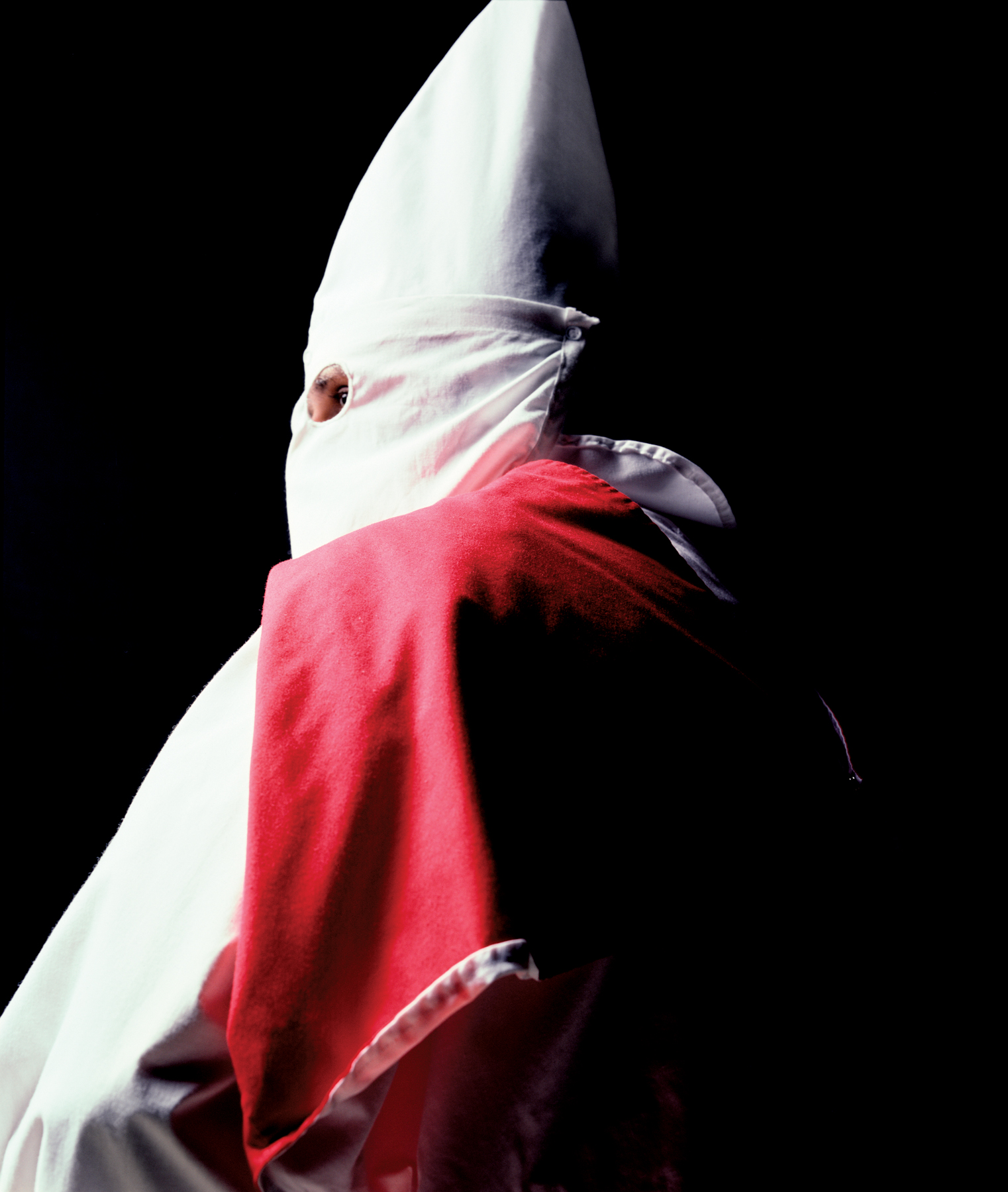
Klansman, Great Titan of the Invisible Empire III, 1990
Pigment print
65 × 55 in. (165.1 × 139.7 cm)
Courtesy of the artist and Galerie Nathalie Obadia
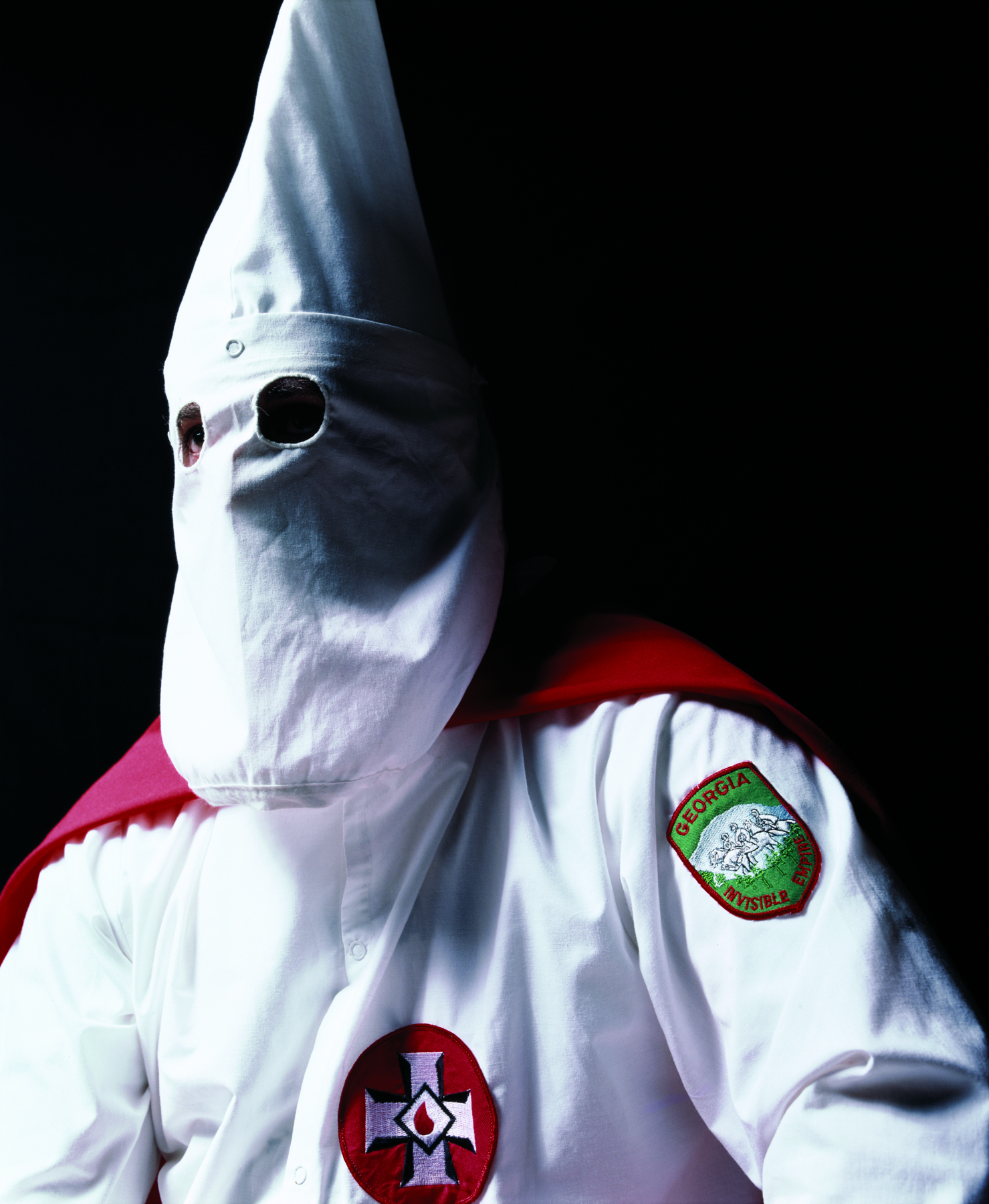
Klansman, Great Titan of the Invisible Empire III, 1990
Pigment print
65 × 55 in. (165.1 × 139.7 cm)
Courtesy of the artist and Galerie Nathalie Obadia
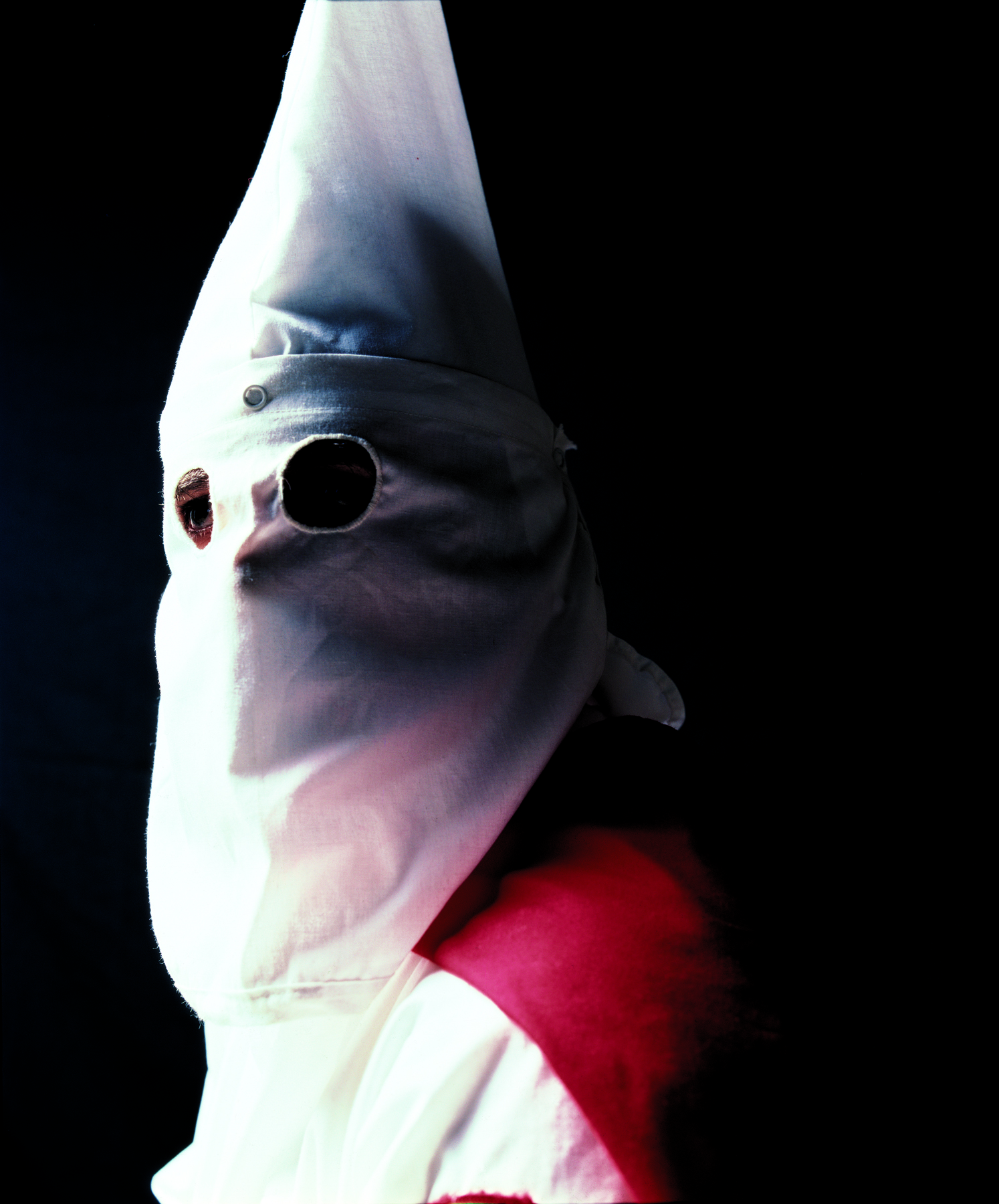
Klansman, Great Titan of the Invisible Empire III, 1990
Pigment print
65 × 55 in. (165.1 × 139.7 cm)
Courtesy of the artist and Galerie Nathalie Obadia
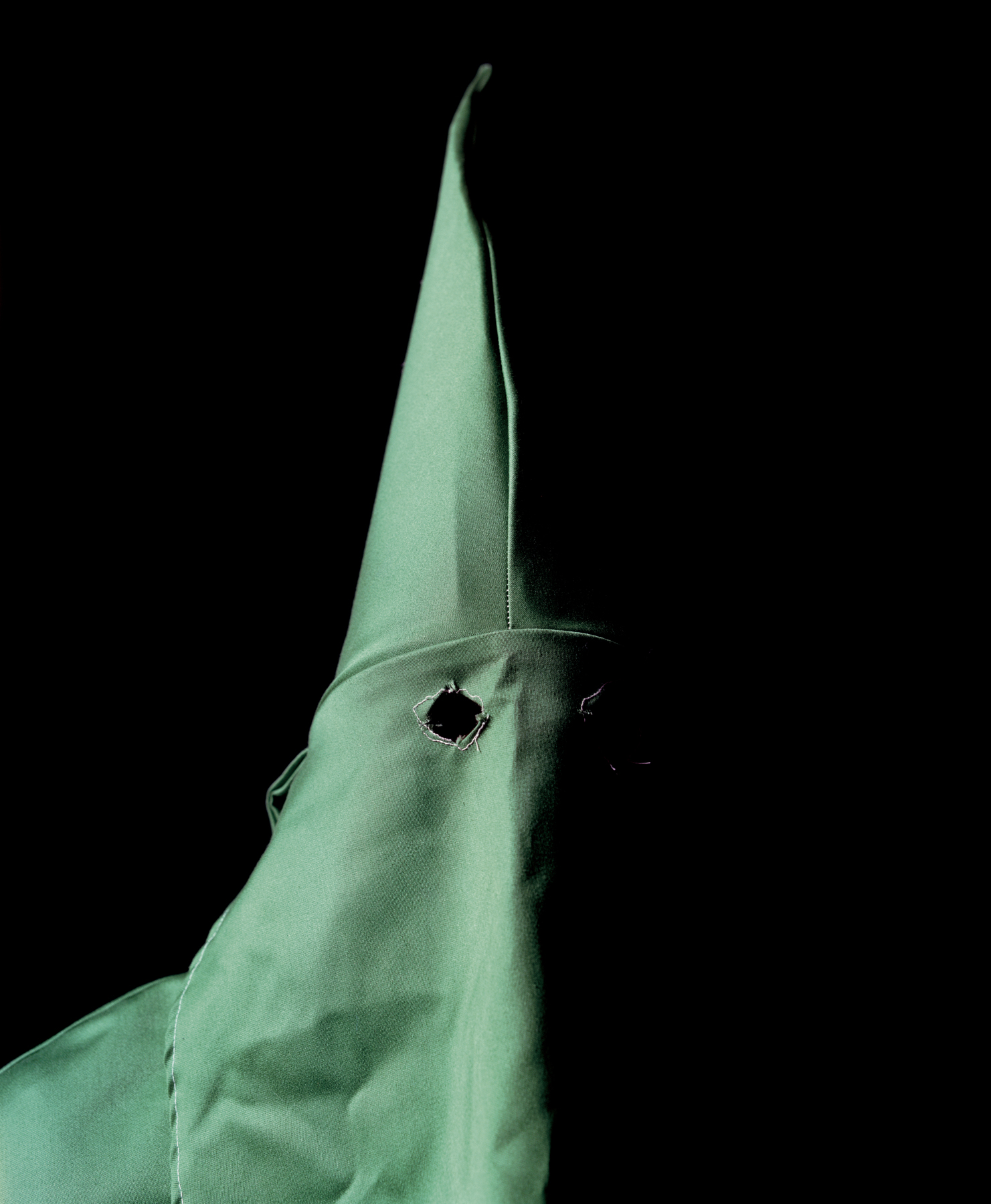
Klansman, Imperial Wizard III, 1990
Pigment print
65 × 55 in. (165.1 × 139.7 cm)
Courtesy of the artist and Galerie Nathalie Obadia
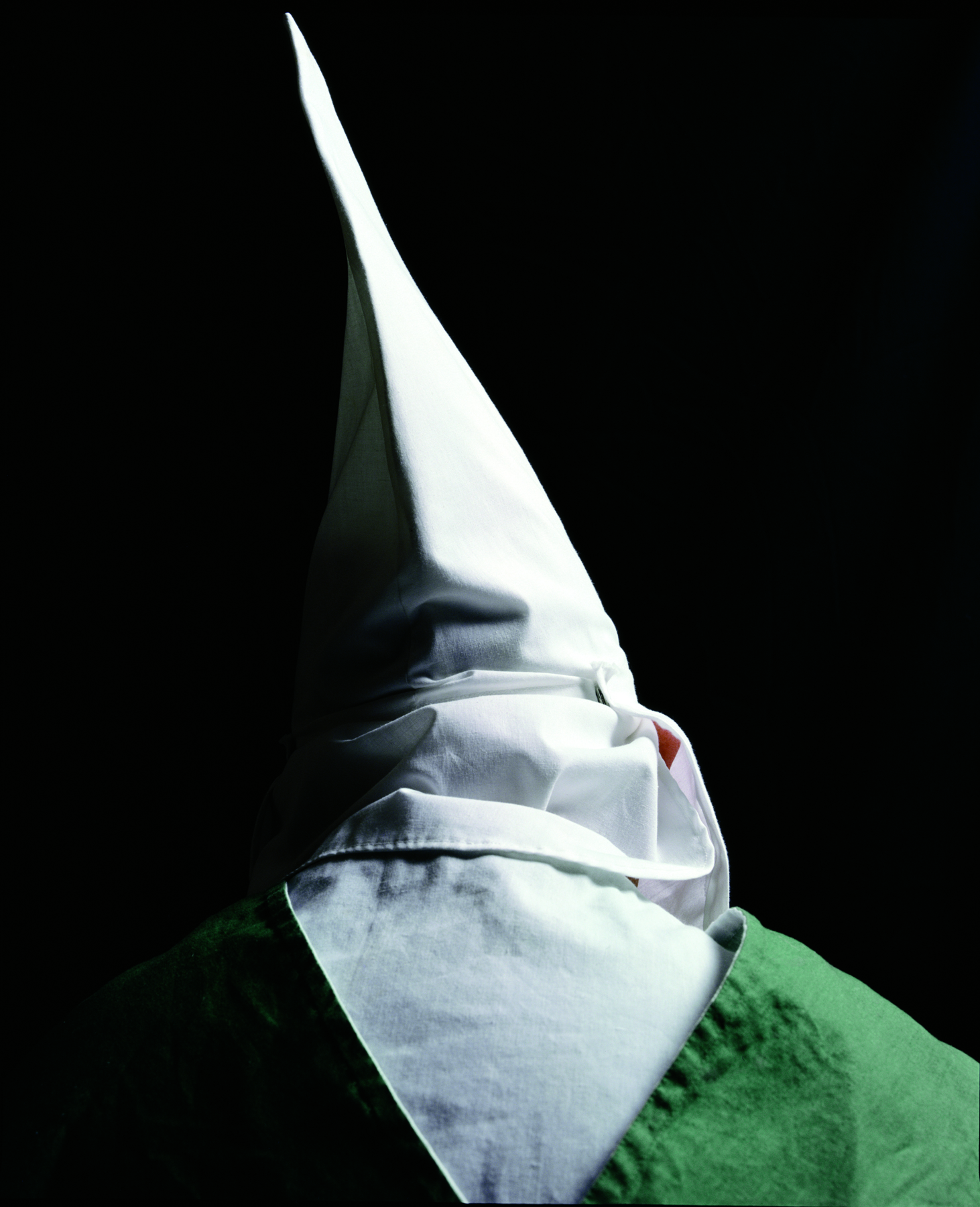
Klansman, Knight Hawk of Georgia IV, 1990 Pigment print 65 x 55 in. (165.1 x 139.7 cm) Courtesy of the artist and Galerie Nathalie Obadia
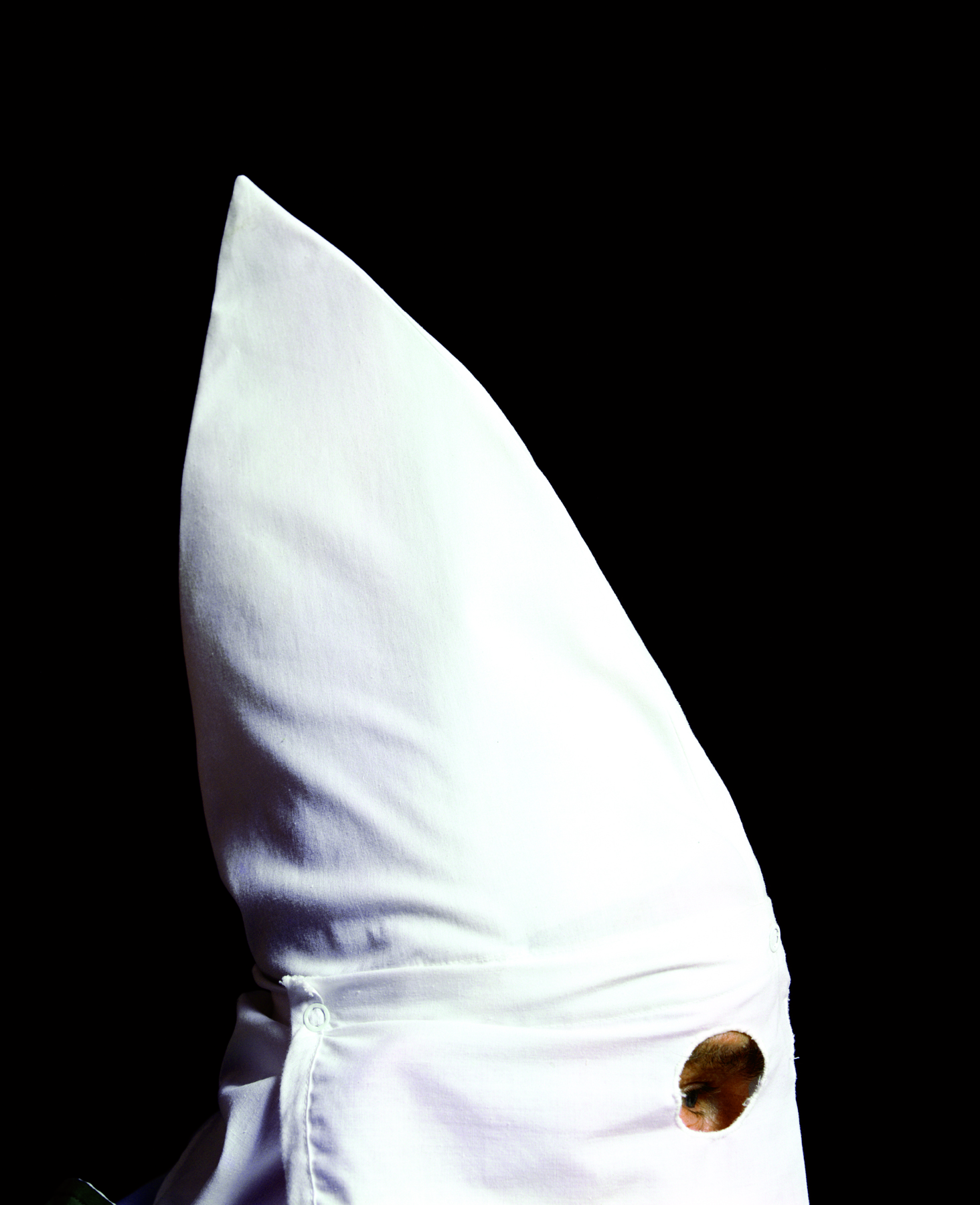
Klansman, Knight Hawk of Georgia IV, 1990 Pigment print 65 x 55 in. (165.1 x 139.7 cm) Courtesy of the artist and Galerie Nathalie Obadia
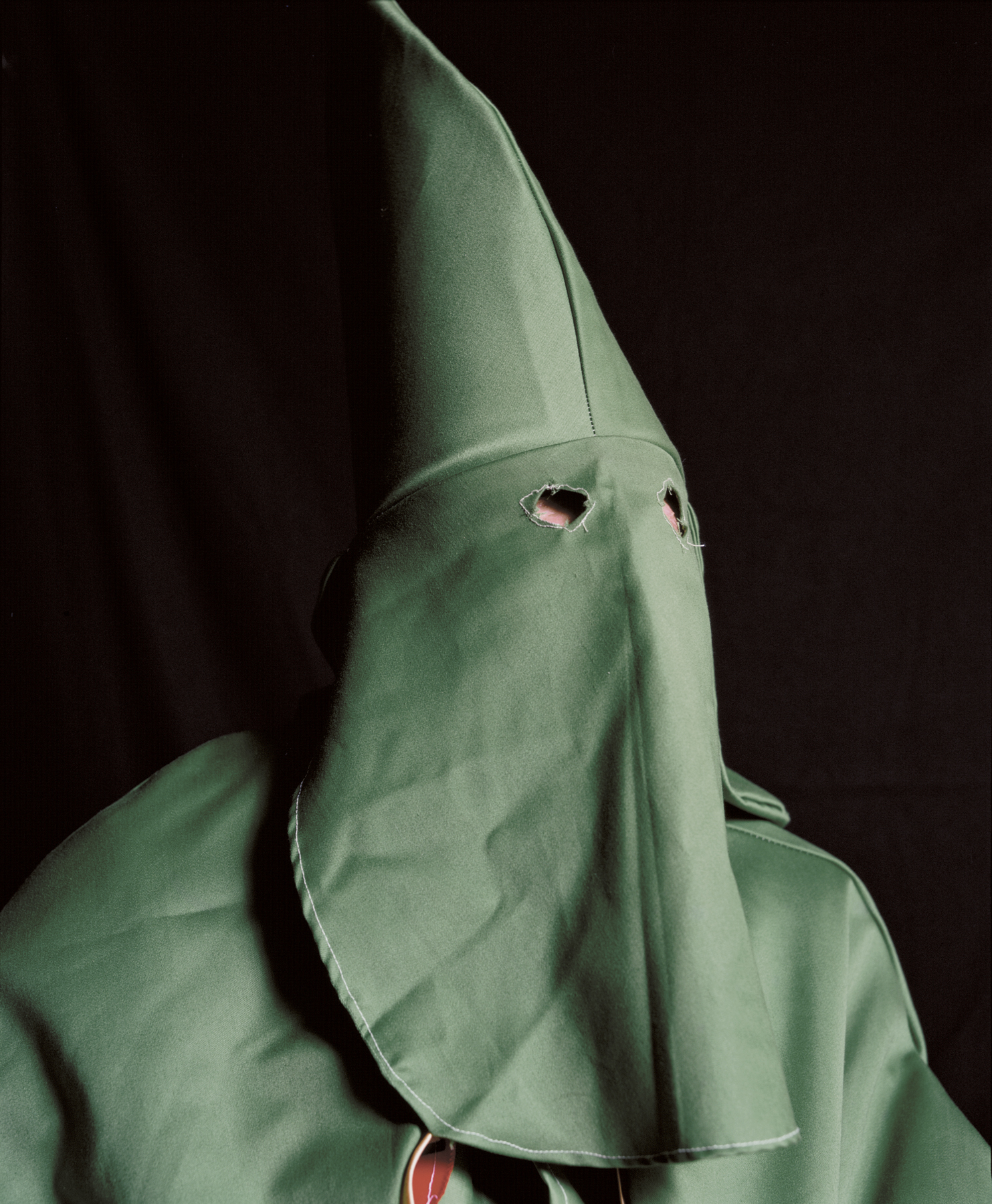
Klansman, Imperial Wizard, 1990 Pigment print 65 x 55 in. (165.1 x 139.7 cm) Courtesy of the artist and Galerie Nathalie Obadia
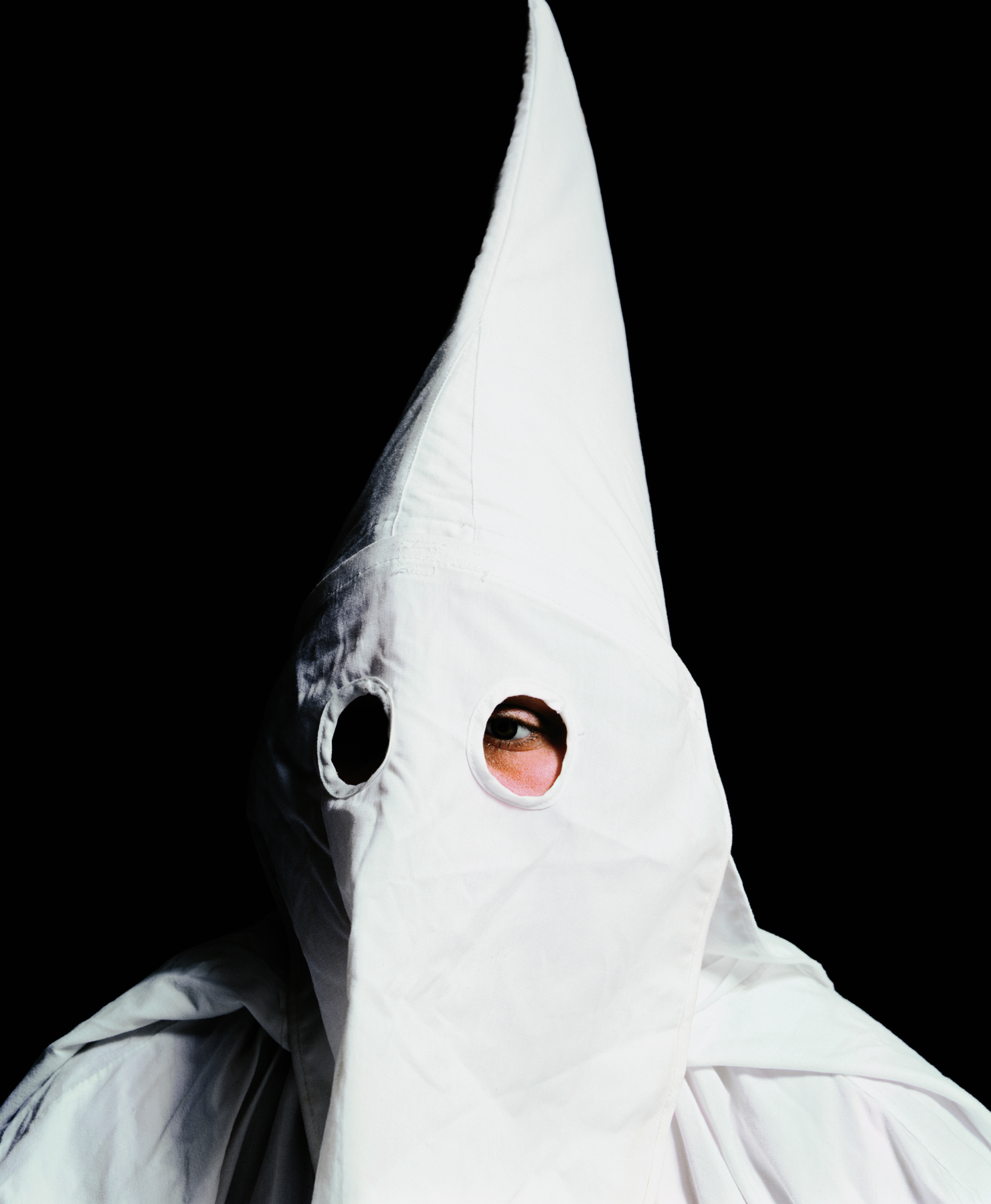
Klanswoman, Grand Kalif, 1990 Pigment print 65 x 55 in. (165.1 x 139.7 cm) Courtesy of the artist and Galerie Nathalie Obadia
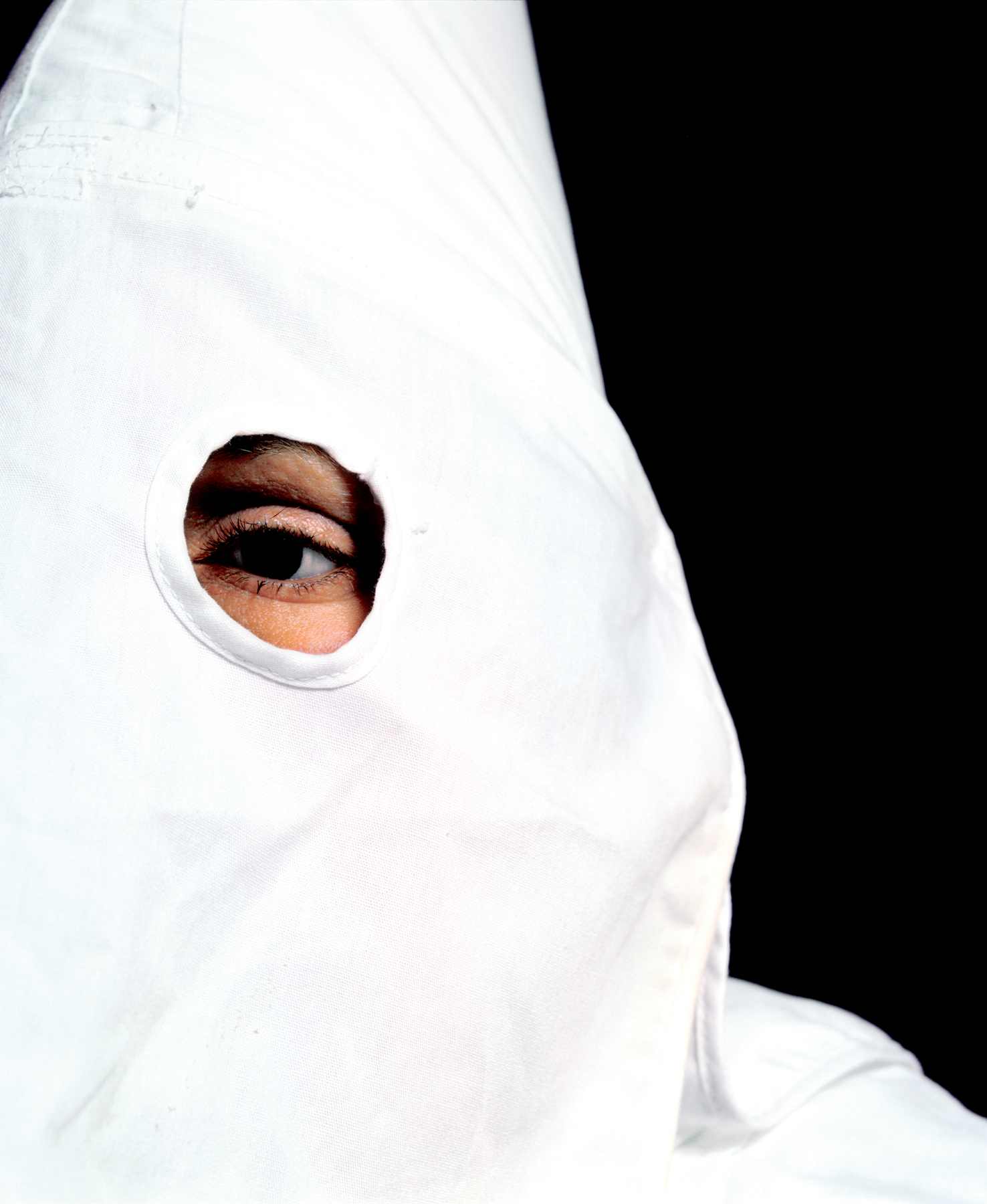
Klanswoman, Grand Kalif II, 1990 Pigment print 65 x 55 in. (165.1 x 139.7 cm) Courtesy of the artist and Galerie Nathalie Obadia
Klansman, Grand Dragon, 1990 Pigment print 65 x 55 in. (165.1 x 139.7 cm) Courtesy of the artist and Galerie Nathalie Obadia